
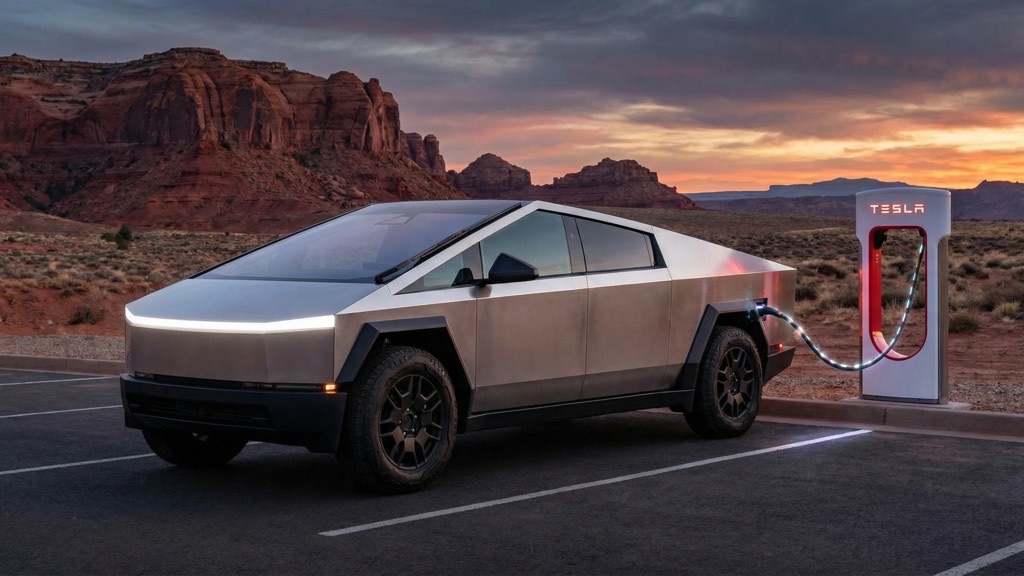
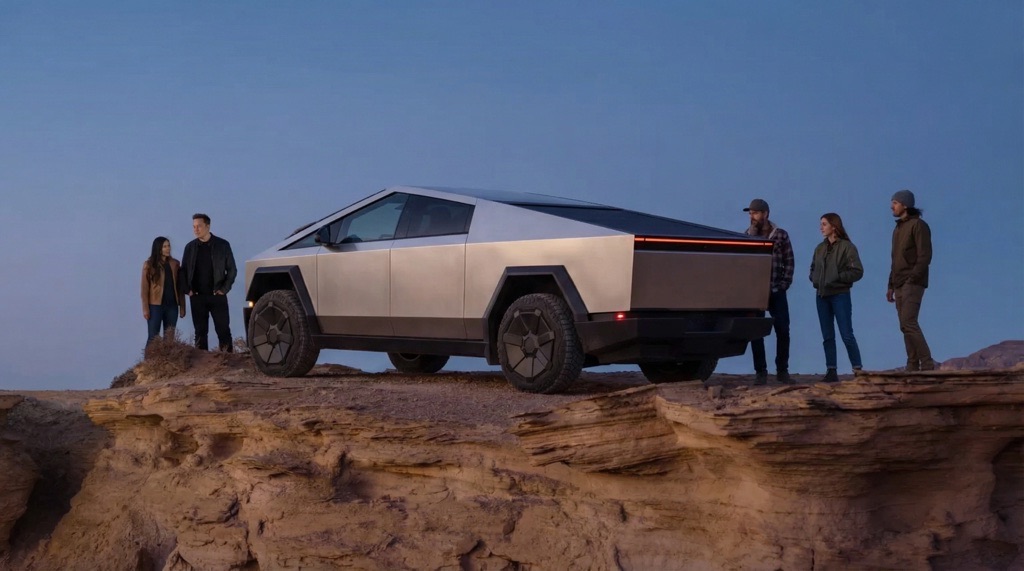
Tesla has launched the Powershare Grid Support program, enabling Cybertruck owners in select Texas areas to discharge their vehicle’s 123 kWh battery back to the grid during high-demand events and receive energy bill credits.
This marks Tesla’s first vehicle-to-grid (V2G) implementation in the Utransforming the Cybertruck into a distributed energy resourcerce amid Texas’s volatile ERCOT grid. Owners benefit financially while bolstering grid stability, addressing frequent stress from heatwaves and storms.

Technical Implementation and User Experience
Participation requires Powershare hardware for bidirectional flow, enabling seamless V2G beyond prior V2H (vehicle-to-home) capabilities. Once enrolled via the Tesla app, the Cybertruck automatically discharges during grid events, synchronized to grid frequency and voltage. Owners control via app-set limits, preventing full depletion—critical for daily drivers.
The 123 kWh pack can power a modest home for days, now extending to neighborhood-scale support. Texas’s isolated ERCOT grid, prone to failures, makes this timely: events paythe highest rates during peaks. However, keeping the truck plugged in is essential, as unplugged vehicles miss events.
Grid Impact and Scalability Challenges
If scaled, fleets of Cybertrucks could form VPPs rivaling traditional peaker plants, reducing blackout risks in storm-prone Texas. Tesla’s prior Powerwall VPPs proved this model; Cybertruck V2G adds mobility. Yet, invitation-only access limits impact now, and integration with home Powerwalls is delayed to mid-2026.[source content]
Unanswered: Exact credit rates per kWh discharged, event frequency data, and battery degradation rates from frequent V2G cycles. Tesla assures no warranty issues, but long-term data is pending.
Comparison with Competitors
| Vehicle/Program | Launch Year | Battery (kWh) | Status | Regions |
|---|---|---|---|---|
| Tesla Cybertruck Powershare | 2026 | 123 | Texas launch; CA soon; invite-only | TX (CenterPoint, Oncor) |
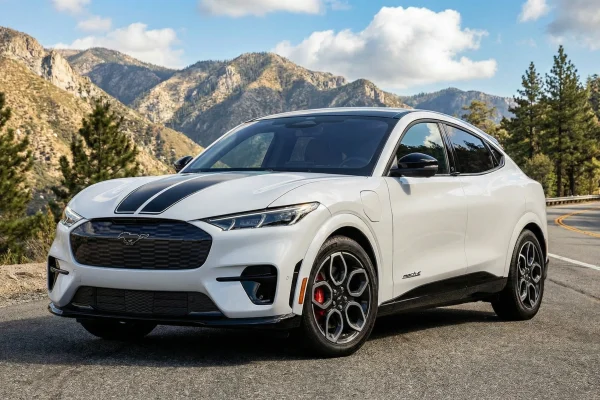
| Ford F-150 Lightning | 2022 | 98-131 | Active V2G/V2H | Multiple US |
| Hyundai Ioniq 5 / Kia EV6 | 2023+ | 77.4 | V2G capable | US/EU |
| GM Ultium EVs | 2026 target | Varies | All bidirectional planned | US |
Tesla trails Ford by years but leads in battery scale; competitors offer wider availability sooner.[source content]
Verdict
Powershare Grid Support redeems the Cybertruck’s utility beyond trucking, turning a $100,000 battery into a revenue source for Texas owners facing grid woes—ideal for early adopters with home charging setups in CenterPoint/Oncor areas. It’s a smart pivot, but Tesla’s late entry and phased rollout lag rivals; watch for degradation data and credit yields before full commitment. For grid-vulnerable regions, this signals EVs as essential infrastructure.