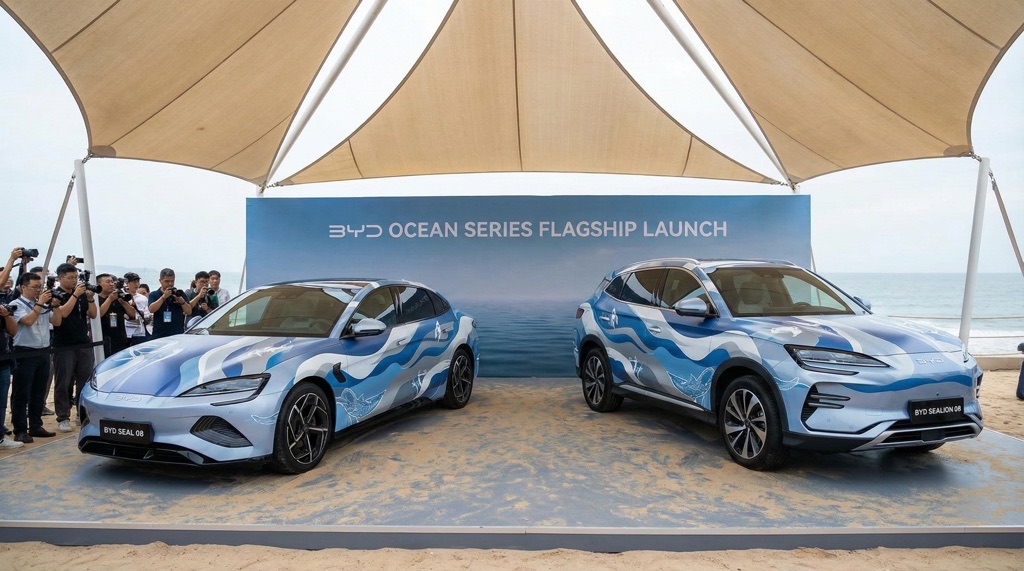
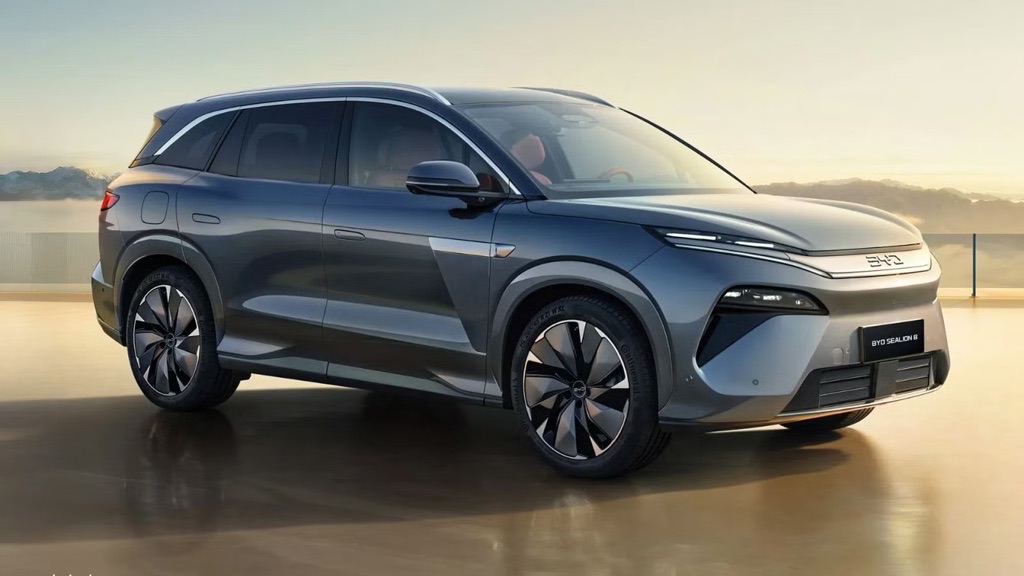
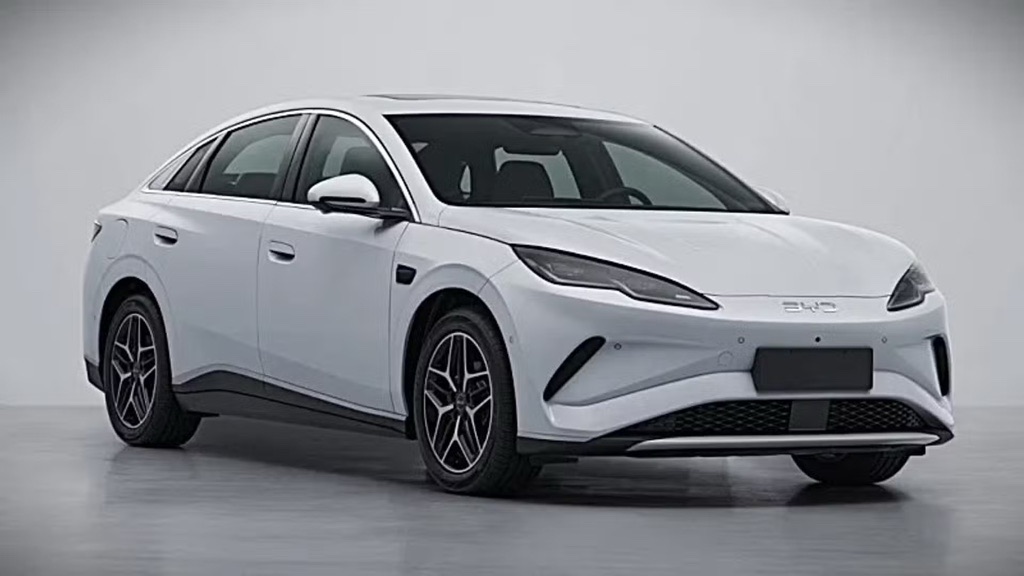
BYD has teased the Seal 08 sedan and Sealion 08 SUV as its new flagship models for the Ocean series, positioning them as mid-to-large vehicles targeting the premium EV market. These models, shown in ocean-themed camouflage, signal BYD’s push into higher-end segments with launches planned for the first quarter of 2026. For EV buyers seeking spacious, premium Chinese electric vehicles, these flagships could challenge established players like Tesla and premium hybrids, though full specs remain undisclosed.
Background: BYD’s Rise and Premium Ambitions
BYD, a dominant force in the global EV market, has sold over 15 million electric vehicles as of recent milestones, expanding aggressively from affordable models to premium offerings. The company first hinted at the Seal 08 and Sealion 08 during its Ocean Day event in December 2025, aligning with a 2026 strategy to capture more of the premium segment. The Ocean series, known for models like the Seal and Sealion, emphasizes sleek design and advanced tech, and these ’08’ variants represent the lineup’s top tier.
While the Australian market has already seen a PHEV version of the Sealion 8 launching with seven seats and prices from $56,990 before on-roads, the Chinese flagships teased here are pure EVs with no confirmed powertrain details yet. BYD’s Dynasty lineup will also introduce two more flagships in early 2026, broadening its premium assault. This move comes as BYD refines its e-Platform 3.0 and prepares technologies like those in the Tang 9 and Han 9, though sharing remains unconfirmed.
Key Specifications
Detailed specs for the China-launched Seal 08 sedan and Sealion 08 SUV are not yet available, with teasers limited to exterior silhouettes. The vehicles appear as mid-to-large: the Seal 08 with a coupe-style roofline and the Sealion 08 with an upright SUV profile. For reference, the related Australian PHEV Sealion 8 offers these specs:
| Specification | Sealion 8 Dynamic FWD | Sealion 8 Dynamic/Premium AWD |
|---|---|---|
| System Output | 205kW / 315Nm | 359kW / 675Nm |
| Engine | 1.5L turbo (110kW/220Nm) | 1.5L turbo (110kW/220Nm) |
| Front Motor | 200kW / 315Nm | 200kW / 315Nm |
| Rear Motor | – | 200kW / 360Nm |
| Battery | 19.0kWh LFP | 35.6kWh LFP |
| Electric Range (NEDC) | 103km | 152km |
| 0-100km/h | 8.6s | 4.9s |
| Dimensions (L/W/H/WB) | 5040/1996/1760/2950mm | 5040/1996/1760/2950mm |
| Cargo (3rd row up/folded/all folded) | 270L / 960L / 1960L | 270L / 960L / 1960L |
Note: EV versions may differ significantly; details not yet confirmed for Seal 08 or pure-EV Sealion 08.
 Cars
Cars
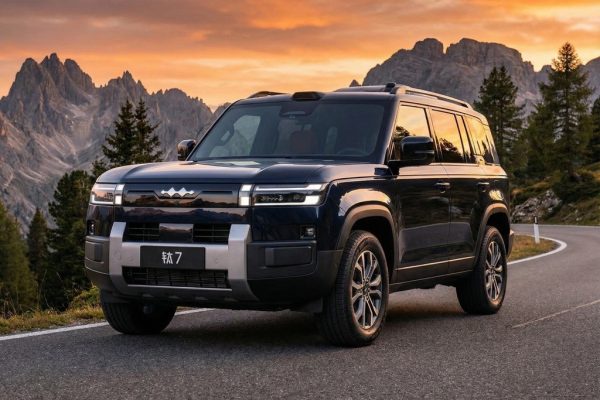
BYD Fang Cheng Bao Tai 7 Adds 402 hp BEV Variant to Best-Selling Hybrid SUV Lineup
BYD’s Fang Cheng Bao sub-brand has introduced a battery electric vehicle (BEV) variant to its top-selling Tai 7 SUV, offering...
 Cars
Cars
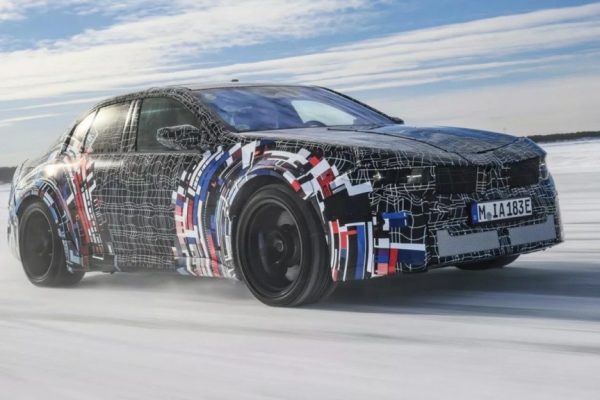
2027 BMW M3 Electric Packs Quad Motors and Over 100 kWh Battery for Track-Ready Performance
BMW’s 2027 electric M3 introduces four independent electric motors—one per wheel—on the Neue Klasse platform, delivering unprecedented torque control without...
 Cars
Cars
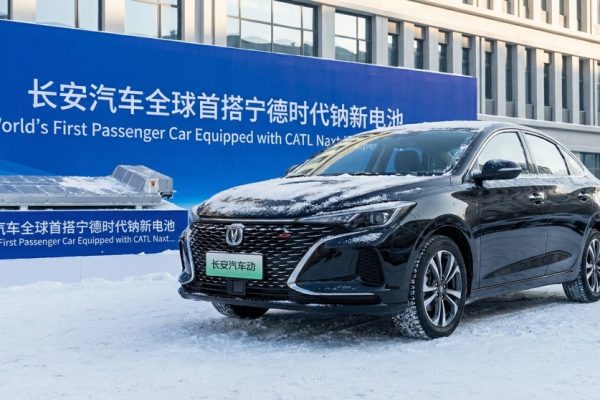
Changan Nevo A06 with 45 kWh Sodium-Ion Battery Delivers 400+ km Range, Launches Mid-2026
Changan Automobile and CATL have unveiled the Nevo A06 (also known as Qiyuan A06), the world’s first mass-produced passenger EV...
Design and Platform Insights
The teaser images show both models in ocean camo, highlighting their Ocean series affiliation with fluid, aggressive styling. The Seal 08 sedan features a fastback roofline suited for aerodynamics and sporty appeal, while the Sealion 08 SUV adopts boxier proportions for practicality. No interior images or platform details have surfaced, but BYD’s recent models often use the e-Platform 3.0 with Blade Battery tech for safety and range.
Expect advanced features like those in related models: panoramic sunroofs, 15.6-inch infotainment with wireless CarPlay/Android Auto, and DiSus-C suspension in higher trims. The Australian PHEV Sealion 8 includes V2L capability, adaptive cruise, and 360 cameras standard, suggesting similar tech for EV flagships.
Powertrain and Performance Expectations
Powertrain specifics are absent from teasers, leaving room for speculation on single-motor RWD, dual-motor AWD, or even ultra-high-output setups like 390kW in current Seals. BYD’s premium push may incorporate 800V architecture or extended-range batteries, akin to the Yangwang U7’s 1,000km claim, but confirmation awaits. Launch timing in Q1 2026 aligns with regulatory filings expected soon.
Australian PHEV data provides a benchmark: AWD models hit 359kW with 152km electric range, hinting at competitive EV performance. Fuel economy claims of 1.0-1.1L/100km (with battery) underscore hybrid efficiency, but pure EVs could prioritize 500+km WLTP range.
Market Positioning and Availability
These flagships aim at premium buyers, potentially priced above current Ocean models like the Seal (around Tesla Model 3 territory globally). China launch precedes exports, with Australia already gearing for PHEV Sealion 8 deliveries by March 2026 at $56,990-$70,990. Safety ratings pending ANCAP testing, though the standard ADAS suite is robust.
Comparison with Competitors
| Model | Power (kW) | Range (km, NEDC/WLTP equiv) | Price (est. base) | Seating |
|---|---|---|---|---|
| BYD Sealion 08 (teased EV) | Details not confirmed | Details not confirmed | Details not confirmed | Details not confirmed (likely 5-7) |
| Tesla Model Y LR | 378 (AWD) | 533 WLTP | $65,000+ AUD | 5 (+opt 7) |
| Li Auto L9 (EREV SUV) | ~400 system | 1,300 total (hybrid) | ~¥400,000 CNY | 6 |
| BYD Tang (current flagship) | 517 (AWD) | 730 WLTP | ~¥300,000 CNY | 6-7 |
The Seal 08 could rival the Tesla Model 3 Performance, while Sealion 08 targets Model Y or larger SUVs. PHEV Sealion 8 undercuts some rivals on price but lags in pure EV range.
Verdict
BYD’s Seal 08 and Sealion 08 teasers promise premium Ocean series flagships with mid-to-large sizing and Q1 2026 launches, ideal for families and execs wanting spacious EVs from a proven maker. Without specs, pricing, or powertrains, buyers should wait for reveals—potentially matching or exceeding current Seals’ 390kW punch. This suits premium EV shoppers in China eyeing alternatives to Tesla, but unanswered questions on battery size, range, and global rollout temper hype. Watch for filings to confirm if they topple segment leaders.