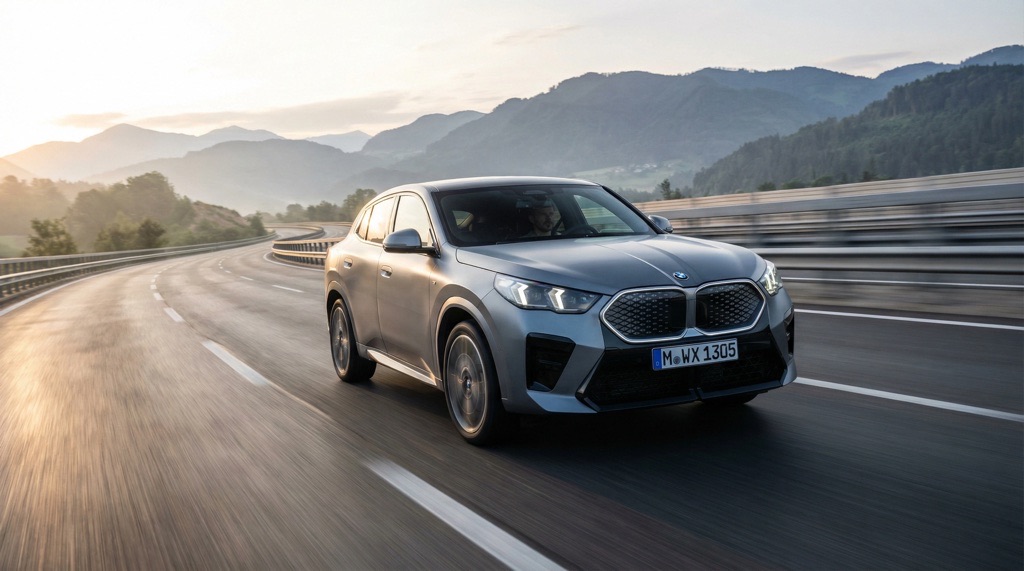

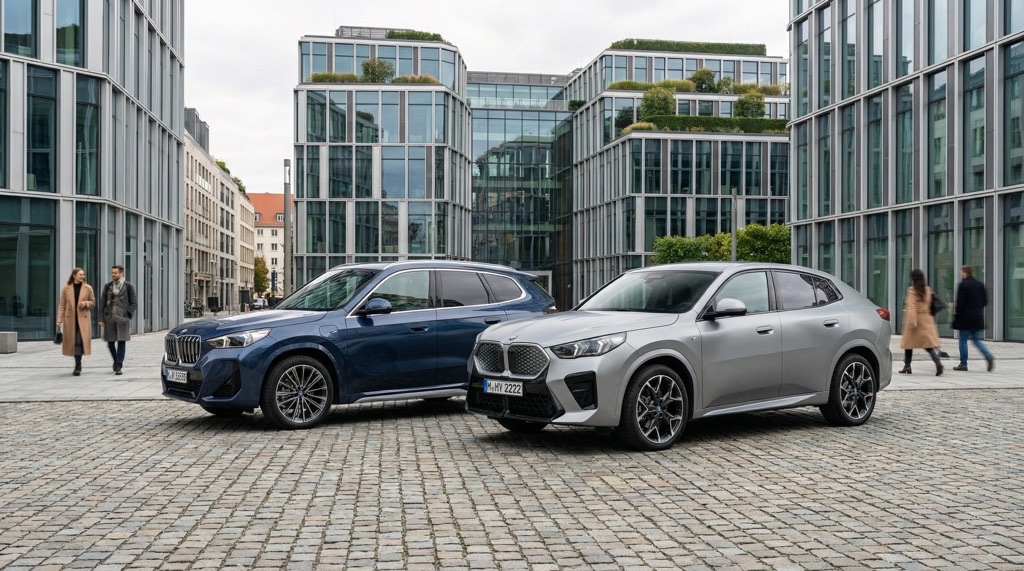
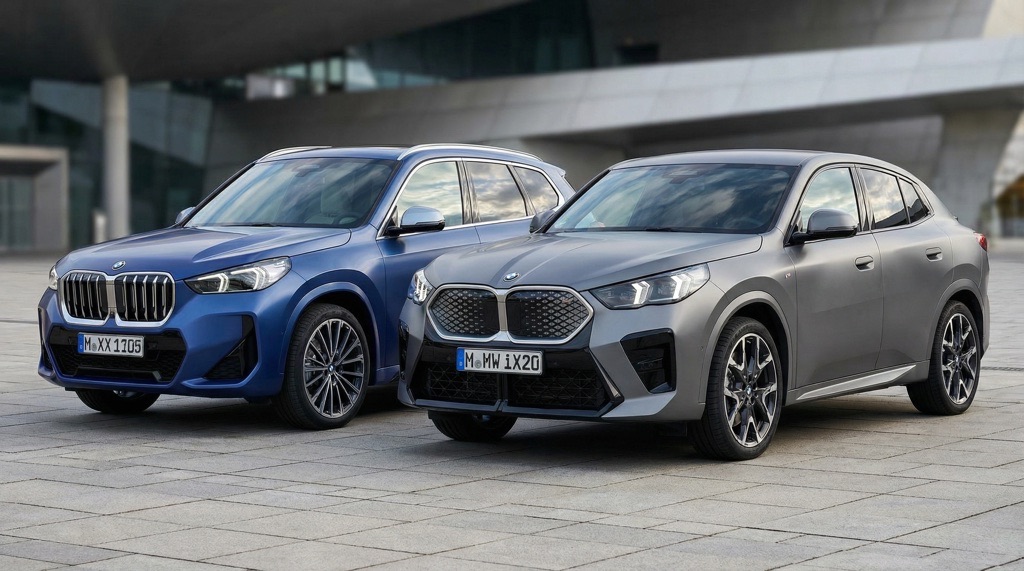
BMW iX1 eDrive20 and iX2 eDrive20 now achieve WLTP ranges of 461 km and 474 km respectively, thanks to new silicon carbide (SiC) inverters that boost efficiency by reducing energy consumption. These updates, effective from spring 2026, address key concerns for compact EV buyers in Europe by extending real-world usability without changing battery size or price. For riders and commuters eyeing electric crossovers, this means fewer charging stops on typical drives.
BMW’s Position in the EV Market
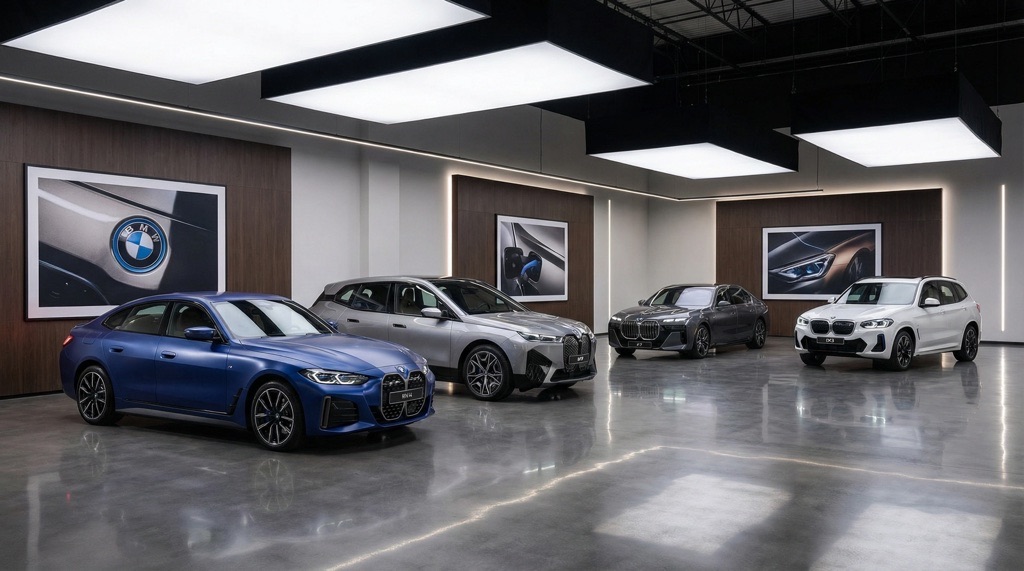
BMW has positioned itself as a premium EV player since launching the i sub-brand in 2020, with models like the i4 and iX paving the way for broader adoption. The iX1 and iX2, built on the FAAR platform shared with the combustion X1 and X2, entered the market in 2022-2023 as entry-level electric SUVs targeting urban families and professionals. Production occurs at BMW’s Regensburg plant in Germany, with over 100,000 units sold globally by late 2025 according to industry estimates.
These spring 2026 updates reflect BMW’s ongoing Life Cycle Impulse (LCI) strategy, refining existing models amid delays in the full Neue Klasse platform rollout. While the next-gen iX1 on the NB5 architecture is spied for late 2027, these tweaks extend the current generation’s competitiveness against Tesla Model Y and Audi Q4 e-tron. BMW’s EV sales reached 15% of total volume in 2025, driven by strong European demand for compact crossovers.
Key Specifications
| Model | Drive | Power | Battery (usable) | WLTP Range (new) | WLTP Consumption | 0-100 km/h | Price (est. Germany, pre-update) |
|---|---|---|---|---|---|---|---|
| iX1 eDrive20 | RWD | 150 kW (204 hp) | 64.7 kWh | Up to 461 km | 15.7–15.6 kWh/100 km | 8.6 s | €49,300 |
| iX1 xDrive30 | AWD | 230 kW (313 hp) | 64.7 kWh | Up to 430 km | 16.7–16.2 kWh/100 km | 5.7 s | €52,200 |
| iX2 eDrive20 | RWD | 150 kW (204 hp) | 64.7 kWh | Up to 474 km | 15.7–15.6 kWh/100 km | 8.6 s | €50,000 |
| iX2 xDrive30 | AWD | 230 kW (313 hp) | 64.7 kWh | Up to 449 km | 16.7–16.2 kWh/100 km | 5.6 s | €52,800 |
Note: Ranges and consumption are WLTP figures post-SiC inverter update; no new official tests conducted, per BMW. Prices are approximate pre-update MSRP in Germany; US availability unconfirmed.
Technical Details of the Range Boost
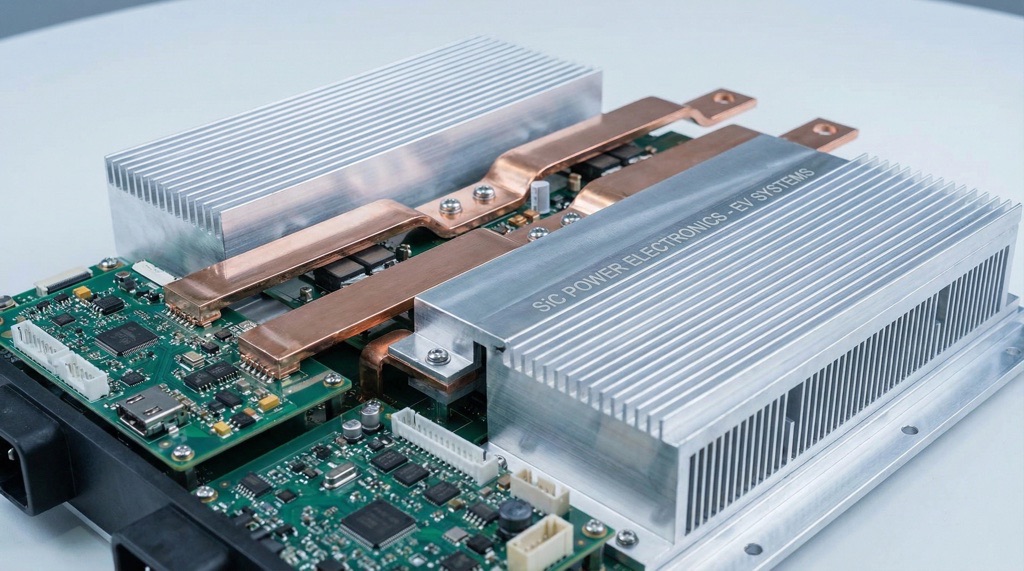
The core upgrade is the adoption of silicon carbide (SiC) inverters, replacing traditional silicon ones in the electric drivetrain. SiC semiconductors handle higher voltages and temperatures with lower switching losses, improving inverter efficiency by up to 5-10% in EV applications. BMW claims this cuts energy consumption and adds ‘a good 40 km’ to range across eDrive20 and xDrive30 variants.
 Cars
Cars
Micro Mobility Mavens Meet the Zigy – The Tiny Electric Pod Taking On Urban Gridlock
The Concrete Jungle Calls for a Nimble Navigator If you find yourself stuck in bumper-to-bumper traffic on your daily city...
 Cars
Cars
Tesla’s 4680 Battery U-Turn: From Cybertruck Bet to Model Y Backup Plan
Tesla has quietly restarted production of Model Y battery packs using its in-house 4680 cells, more than two years after...
 Cars
Cars
2026 MG4 Electric Hatch Revealed With Major Interior Upgrade — Including Physical Buttons
Good news for drivers who miss real controls: the 2026 MG4 electric hatchback is set to receive a completely redesigned...
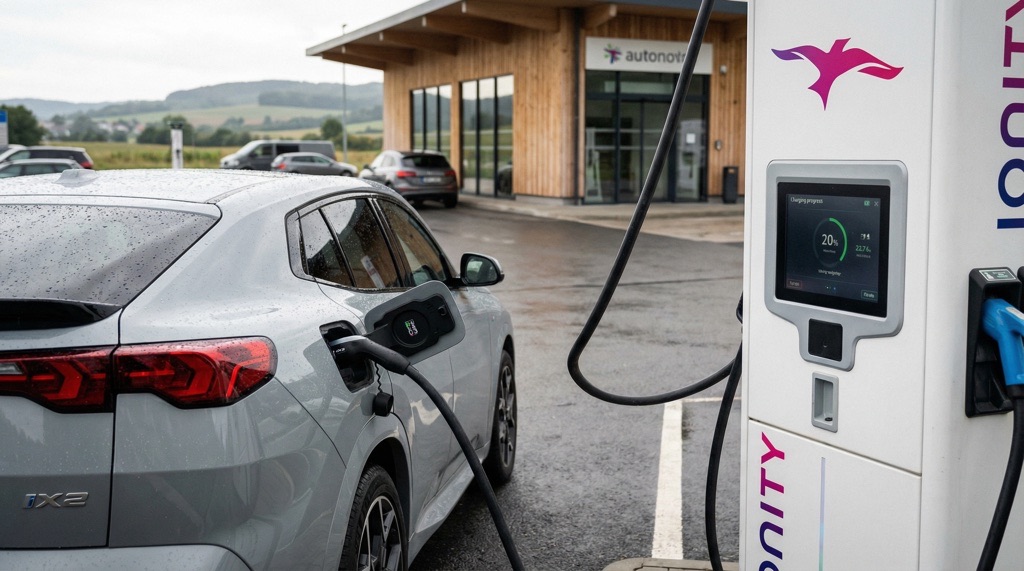
For the front-wheel-drive eDrive20 models, this translates to 461 km for iX1 (previously ~421 km) and 474 km for iX2 (previously ~434 km), per WLTP combined cycle. All-wheel-drive xDrive30 versions gain to 430 km (iX1) and 449 km (iX2). Real-world gains may vary; independent estimates for pre-update iX2 xDrive30 pegged usable range at 235-268 miles (378-431 km), suggesting post-update figures could hit 260-290 miles under similar conditions. Charging remains unchanged: up to 130 kW DC (10-80% in 29 min) and 11 kW AC.
These hardware tweaks arrive alongside minor feature additions, like standard tyre repair kit Plus on related models and the new BMW bonnet emblem across the lineup. No battery or motor changes; the 64.7 kWh pack (from U46 X1) stays the same.
Market Implications and Efficiency Gains
This update bolsters the iX1/iX2 duo in Europe’s competitive compact EV SUV segment, where range anxiety persists despite falling prices. At 474 km WLTP for iX2 eDrive20, it edges closer to rivals’ top figures, appealing to fleet buyers and suburban commuters who prioritize total cost of ownership. Lower consumption (15.6 kWh/100 km) could save €100-200 annually on electricity vs. pre-update, assuming 15,000 km/year at €0.30/kWh.
However, BMW notes no fresh WLTP homologation, quoting prior ranges with expected gains—raising questions on verified improvements. US launches remain speculative; while NACS ports are planned for 2025+ BMW EVs, iX1/iX2 may skip North America initially. Spy shots confirm Neue Klasse testing, but these LCI changes signal at least 18 months more for current models.
Comparison with Competitors
| Model | WLTP Range (RWD/AWD) | Power (RWD/AWD) | Price (est. €, base) | Key Edge |
|---|---|---|---|---|
| BMW iX1 eDrive20 | 461 km / 430 km | 204 hp / 313 hp | €49,300 | Premium interior, xDrive option |
| Mercedes EQB 250+ | 560 km / N/A | 204 hp / N/A | €50,000 | Longer range, 7 seats |
| Audi Q4 e-tron 40 | 539 km / 519 km | 204 hp / 299 hp | €52,000 | Quattro grip, matrix LED std |
| Volvo EX30 Single Motor | 476 km / 444 km | 272 hp / 428 hp | €37,000 | Lower price, faster accel |
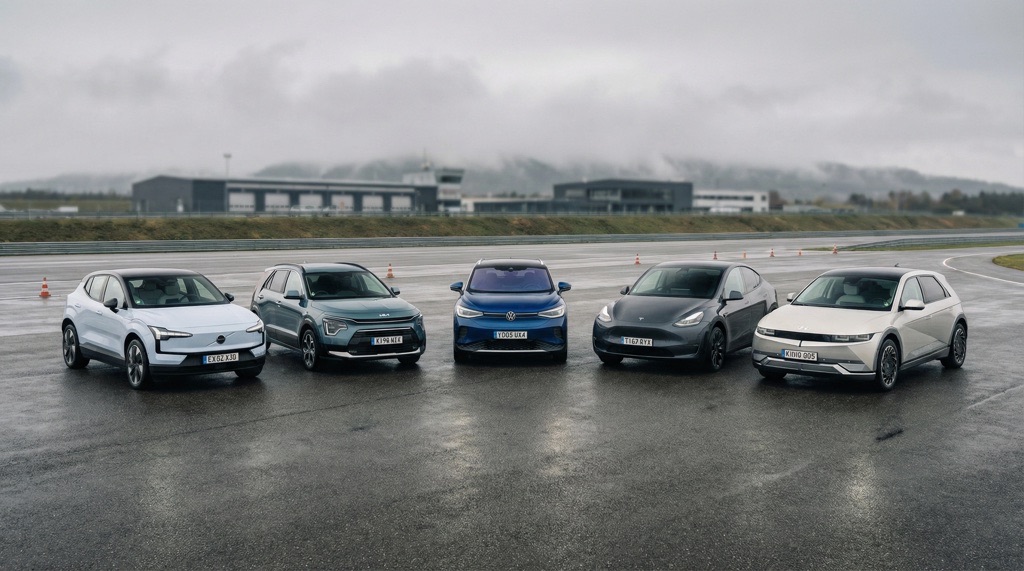
The iX1/iX2 now match Volvo EX30’s RWD range while offering BMW’s superior dynamics and optional AWD, but trail Mercedes EQB’s outright distance. Audi Q4 holds parity in AWD, though at higher cost.
Verdict
BMW’s SiC inverter upgrade delivers a practical 40 km range lift to the iX1 and iX2, making them stronger contenders for European buyers seeking refined compact EV crossovers under €55,000. Ideal for urban professionals or families needing 400+ km WLTP without stepping to larger iX3/iX. Unanswered: exact real-world gains post-homologation and US timeline. If range tops your list, wait for spring 2026 configs; otherwise, current stock offers similar value at potential discounts.