
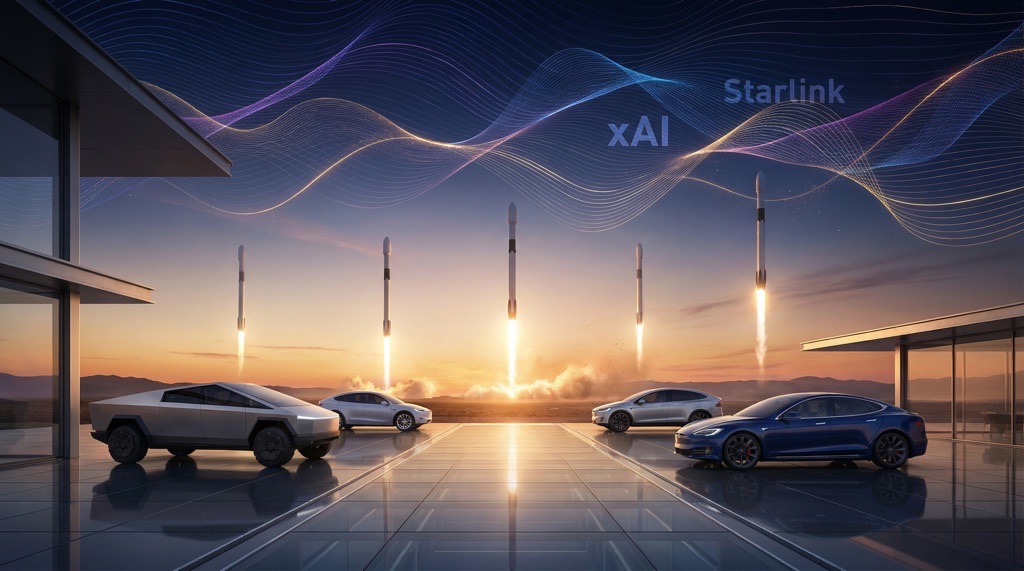
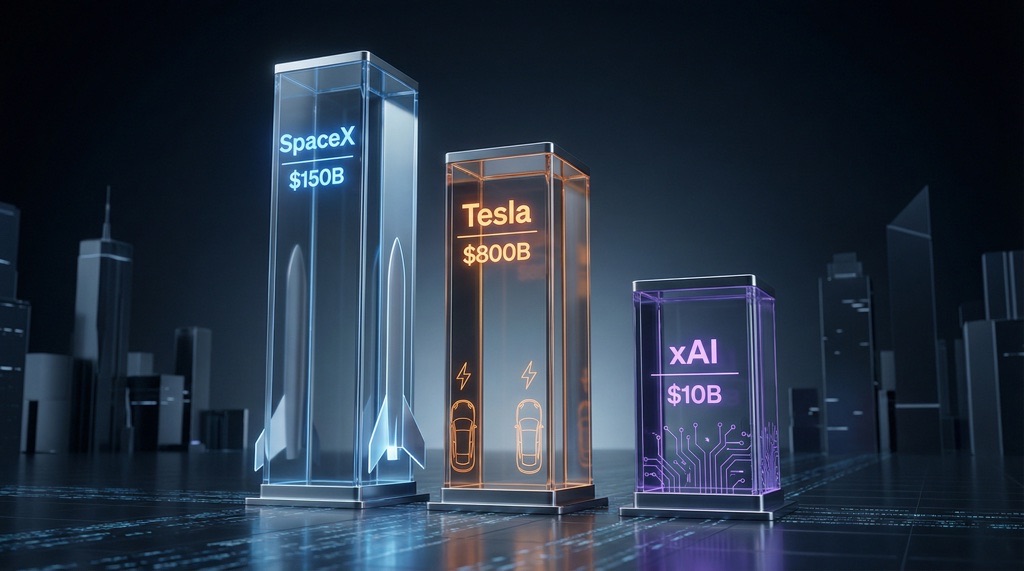
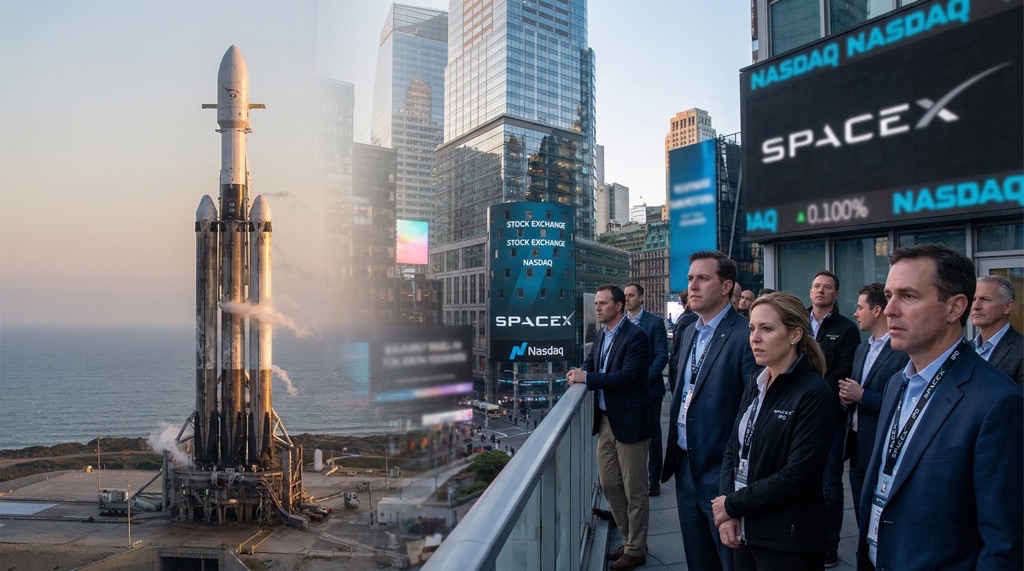
Elon Musk is reportedly considering mergers between SpaceX, Tesla, and xAI as SpaceX prepares for a mid-2026 IPO that could value it at over $1 trillion, potentially reaching $1.5 trillion.
These early-stage discussions, reported by Bloomberg and Reuters, involve SpaceX merging with Tesla or xAI (which owns X, formerly Twitter), or even a three-way combination, raising concerns among Tesla investors about conflicts of interest given Musk’s majority stakes in the private companies.
Tesla shareholders should monitor this closely, as recent Tesla investments in xAI and production shifts toward Optimus robots—potentially powered by xAI tech—suggest consolidation is already underway.
Background: Musk’s Interlinked Empire
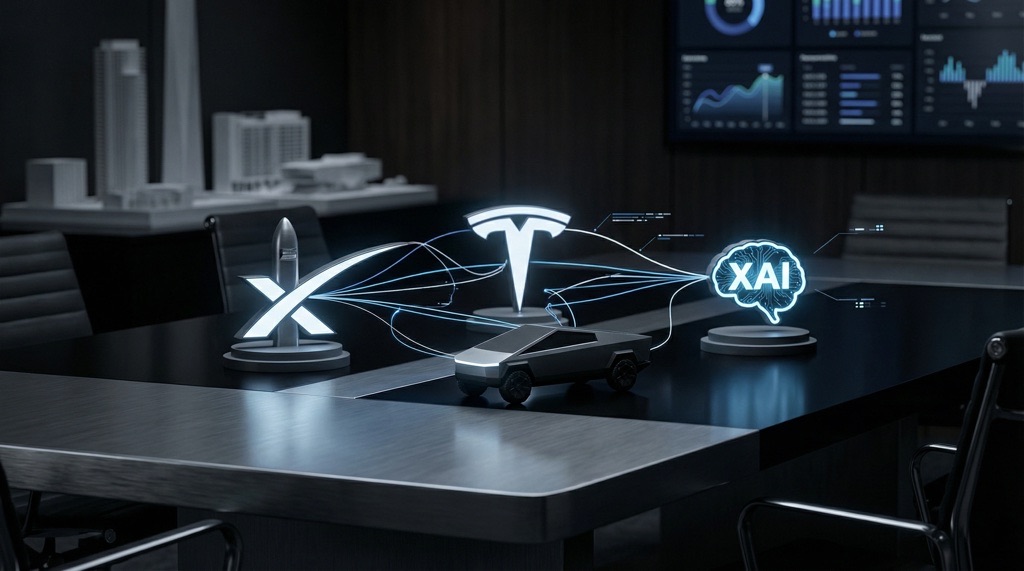
Elon Musk controls multiple high-value companies with overlapping technologies, employees, and investors: Tesla (electric vehicles and energy), SpaceX (rockets and Starlink), and xAI (AI development, now including X platform).
Recent history shows a pattern of integration. In 2016, Tesla acquired SolarCity. In 2025, xAI absorbed X (Twitter) at a $33 billion valuation after its value dropped from $44 billion to around $9 billion, rescuing private investors.
Last week, Tesla invested $2 billion in xAI using public shareholder funds, following a similar $2 billion SpaceX investment in 2025 that covered over half of xAI’s spending in its first nine months.
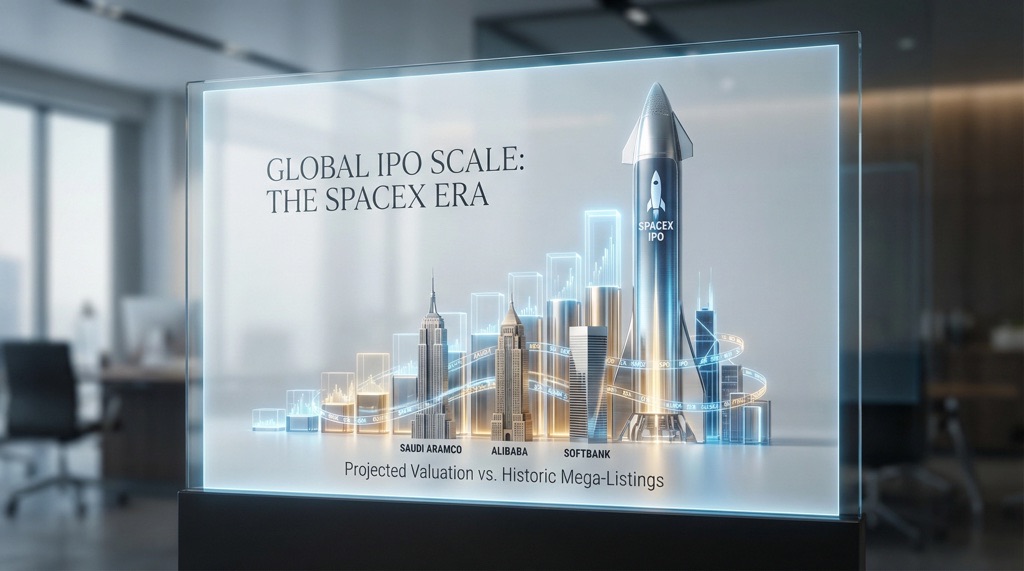
SpaceX, privately held, plans an IPO by mid-2026, possibly raising $50 billion in the largest listing ever, surpassing Saudi Aramco’s 2019 IPO.
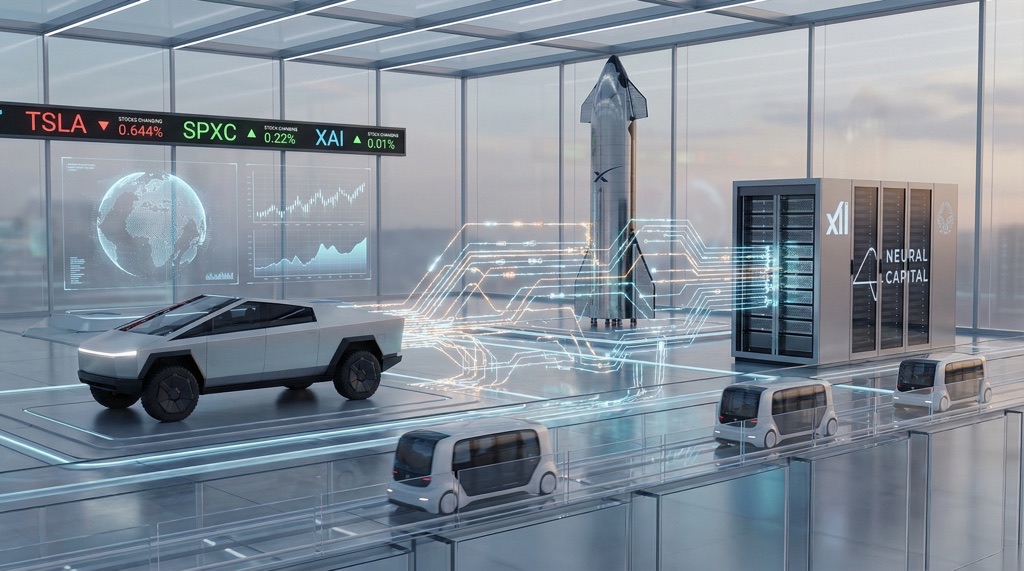
On January 21, 2026, two Nevada entities—K2 Merger Sub Inc. and K2 Merger Sub 2 LLC—were formed with SpaceX CFO Bret Johnsen as an officer, signaling merger preparations.
Betting markets like Polymarket give a 48% chance of SpaceX-xAI merger by mid-2026, 15% for SpaceX-Tesla, and 16% for Tesla-xAI.
Tesla’s stock rose 4% after-hours on January 30, 2026, on the news, despite broader market declines and Tesla’s $20 billion+ 2026 capital spending on autonomy and robotics.
 Cars
Cars
XPeng to Dramatically Expand Global Reach With the New 2026 P7+ and P7+ EREV
XPeng has unveiled ambitious plans for its next major product expansion. The company confirmed that the XPeng P7 Plus will...
 Cars
Cars
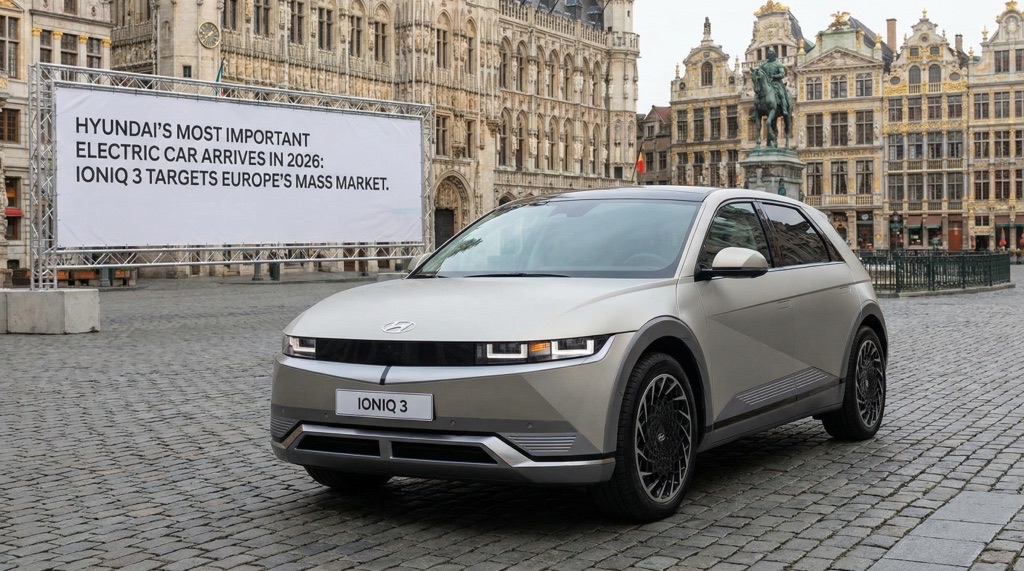
Hyundai’s Most Important Electric Car Arrives in 2026: Ioniq 3 Targets Europe’s Mass Market
A Strategic EV Launch for a Changing Market In 2026, Hyundai will introduce the Hyundai Ioniq 3, a new electric...
 Cars
Cars
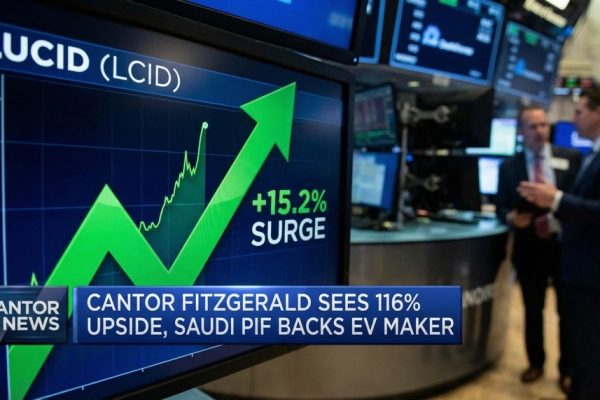
Lucid Stock Surges 15% on Cantor Fitzgerald’s 116% Upside Call, Saudi PIF Commitment Eases Funding Fears
Lucid Motors Rebounds on Saudi Backing and Autonomous Vehicle Momentum Lucid Motors shares jumped more than 15% on Wednesday following...
Key Details at a Glance
| Aspect | Details |
|---|---|
| Potential Mergers | SpaceX + Tesla; SpaceX + xAI (1:1 stock exchange); Three-way |
| SpaceX IPO | Mid-2026, $1-1.5T valuation, up to $50B raise |
| Recent Investments | Tesla: $2B in xAI (Jan 2026); SpaceX: $2B in xAI (2025) |
| Past Deals | xAI acquires X (2025, $33B); Tesla acquires SolarCity (2016) |
| New Entities | K2 Merger Sub Inc., K2 Merger Sub 2 LLC (Jan 21, 2026) |
| Market Reaction | Tesla +4% after-hours (Jan 30, 2026) |
Strategic Rationale: Synergies in AI, Space, and Energy
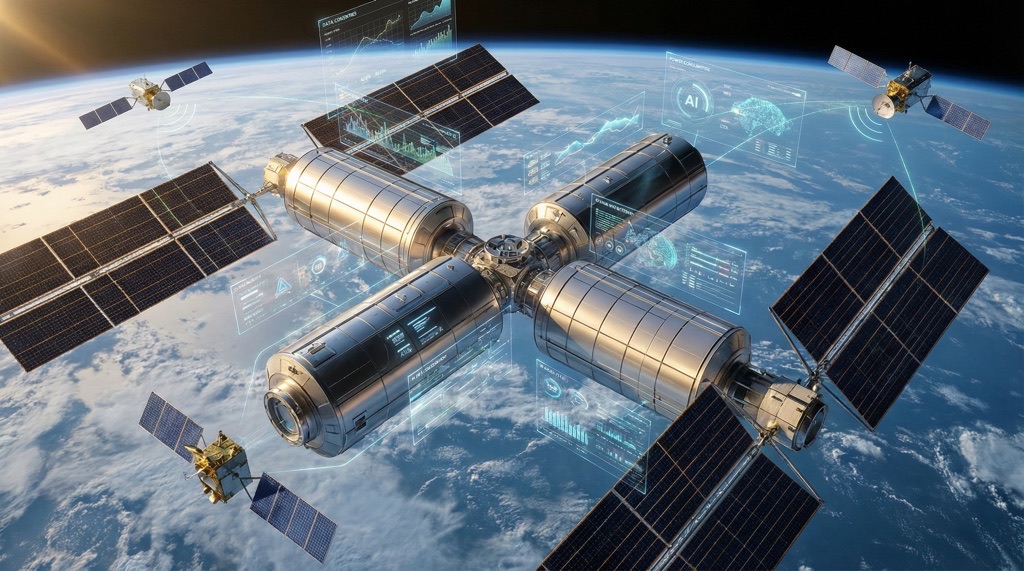
A SpaceX-xAI merger could consolidate rockets, Starlink satellites, X platform, and Grok AI chatbot, enabling Musk’s vision of orbital data centers powered by solar energy and cooled in space’s vacuum—avoiding Earth’s water and power constraints.
This would give xAI an edge over OpenAI and Google in the AI infrastructure race, where training costs billions; SpaceX’s revenue growth and IPO funds could support xAI’s cash burn.
Integrating Tesla adds energy storage tech for space data centers and aligns with Optimus robots, which Tesla plans to produce at Fremont instead of Model S/X, potentially using xAI’s Grok (already in Tesla vehicles since July 2025).
Tesla’s recent $20 billion+ capex for autonomy includes a ‘terafab’ for AI chips, possibly supplying SpaceX’s solar-powered AI satellites.
Revenue diversification benefits SpaceX: X’s user base could stabilize fluctuations from government contracts and Starlink, despite xAI losses.
Investor Concerns: Conflicts and Shareholder Value
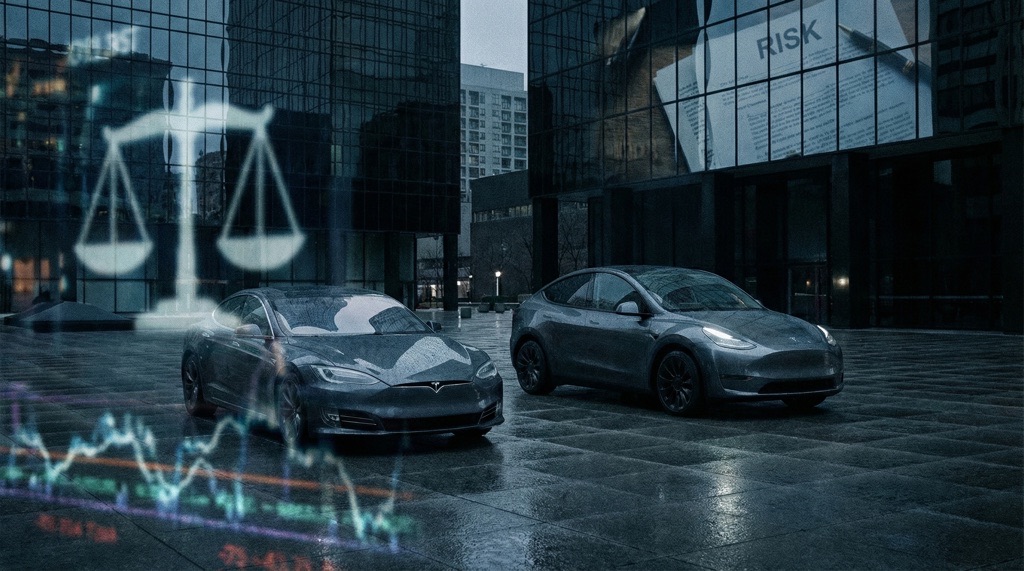
Musk owns far more of SpaceX and xAI than Tesla (~13% of Tesla), creating a conflict as he negotiates terms ‘with himself,’ potentially undervaluing Tesla to benefit private stakes.
Tesla’s $2B xAI investment faced shareholder lawsuits; Optimus using xAI tech means public funds may enrich Musk’s private entities.
Past patterns—overpaying for Twitter, then xAI bailout—suggest Tesla shareholders bear risks while Musk’s investors gain.
Tesla faces declining sales, halting Model S/X production, and shifting to robots, amid reports of moving away from EVs.
No company comments; discussions preliminary, no agreements signed.
Risks and Unanswered Questions
Details like primary rationale, final structure, and valuations remain unclear; Reuters notes key gaps.
Regulatory hurdles loom for Tesla’s public status versus private SpaceX/xAI, plus Musk’s Tesla CEO role.
Tesla board approval needed; investor pushback likely given SolarCity precedent.
Comparison: Mega-Merger vs. Competitors
| Company | Valuation (est.) | Key Assets | Merger Edge |
|---|---|---|---|
| SpaceX + xAI/Tesla | $1-1.5T+ post-IPO | Rockets, Starlink, Grok, EVs, Energy | Orbital AI data centers, full-stack autonomy |
| Apple (AI push) | $3.5T | Devices, Siri | No space infra; earthbound data centers |
| Google (Alphabet) | $2T+ | Search, Gemini AI, Cloud | Exploring space data centers, but no rockets |
| OpenAI + MSFT | OpenAI $150B+ | ChatGPT, Azure | High compute costs, no proprietary launch |
A merged entity would dwarf rivals in vertical integration—from launch vehicles to AI deployment in space—while competitors scramble for power and cooling.
Verdict: High Stakes for Tesla Investors, Opportunity for Musk’s Vision
These mergers could create a $2T+ powerhouse dominating AI, space, and mobility, realizing Musk’s multi-planetary, AI-driven future—but at Tesla shareholders’ expense through dilution and resource transfers.
Ideal for long-term Musk believers tolerant of volatility; avoid if prioritizing pure EV growth. Watch SpaceX IPO filings and Tesla board actions for confirmation. Details not yet confirmed beyond reports.