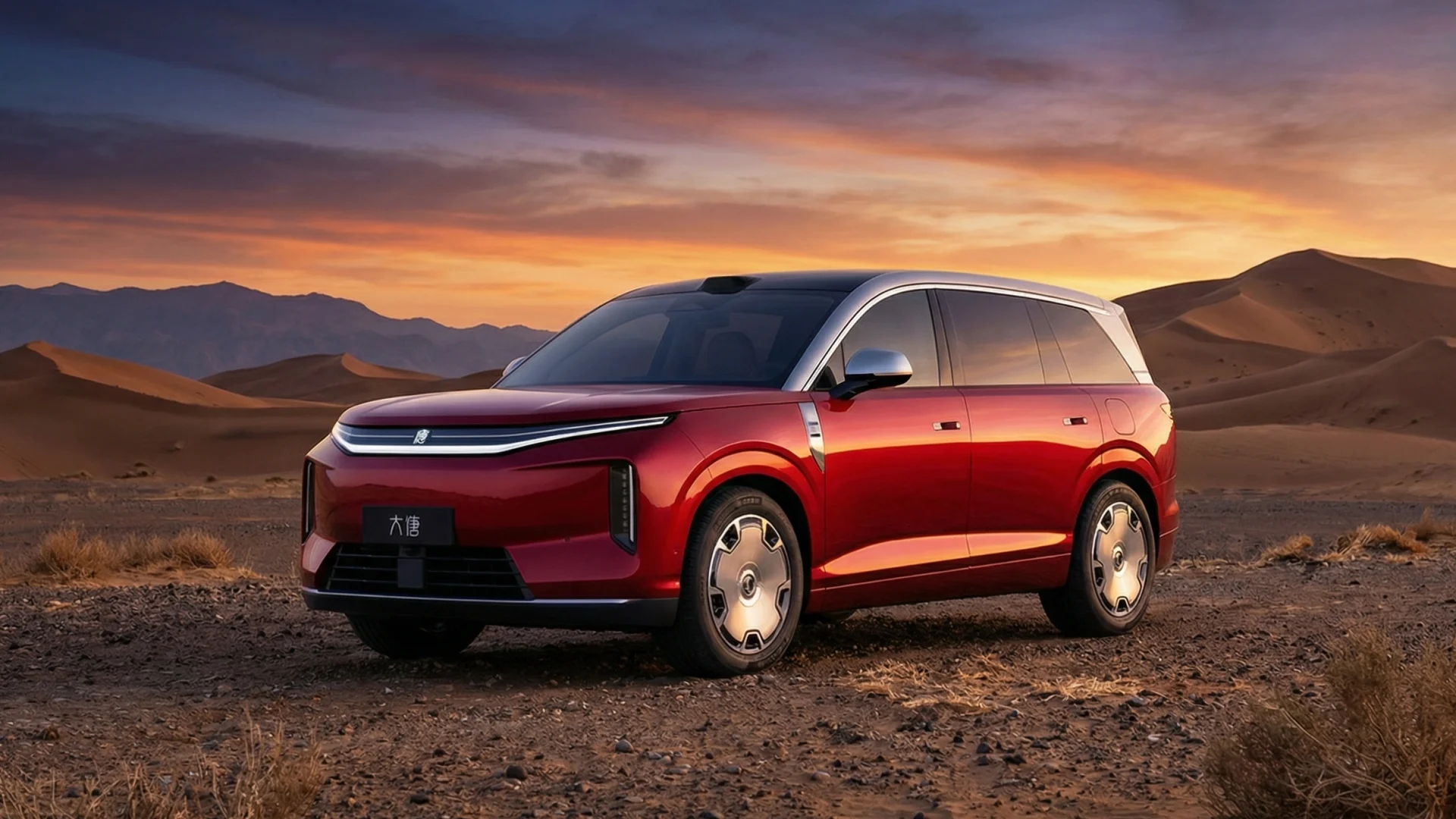
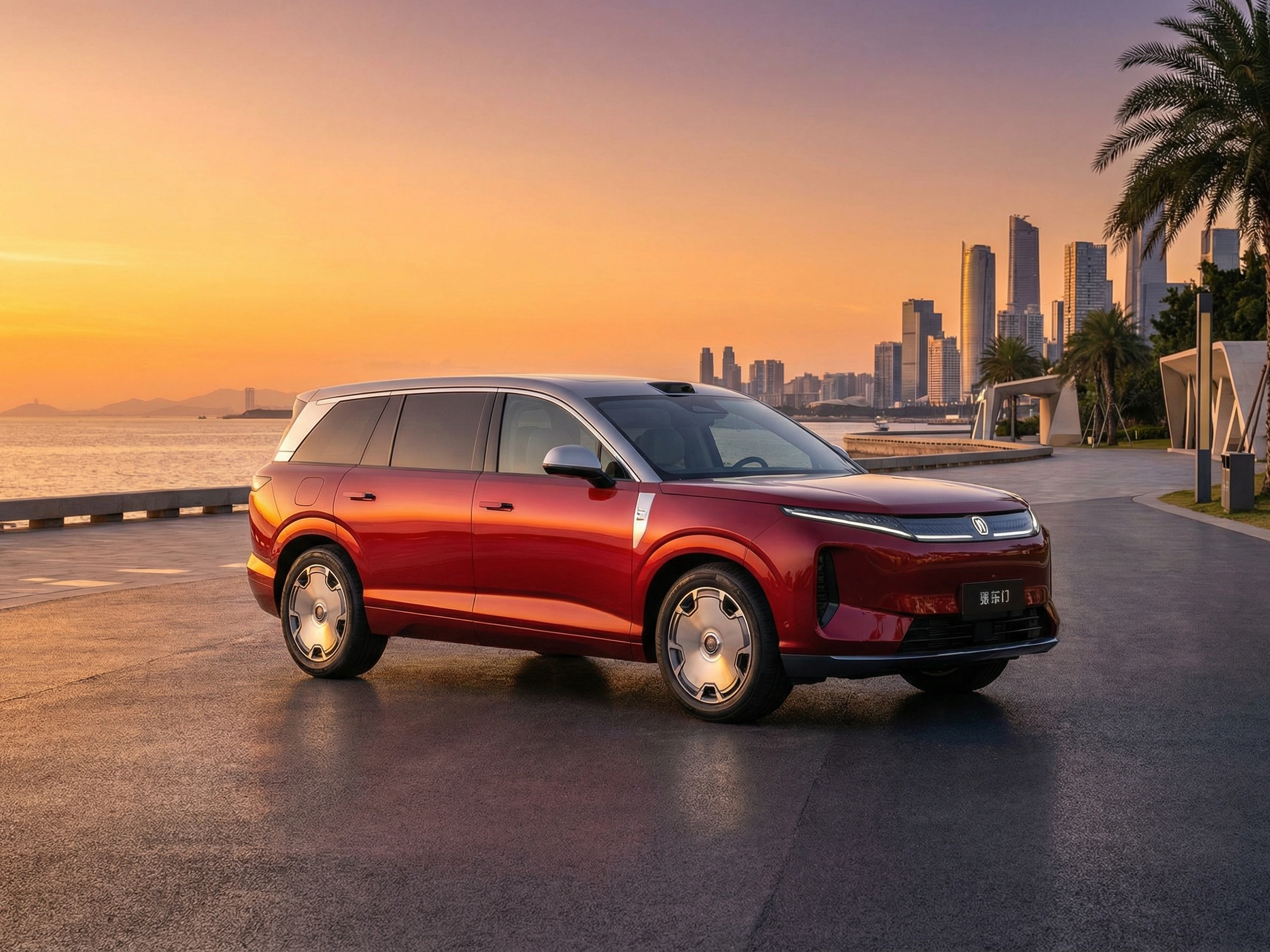
BYD has unveiled official images of the Great Tang, its new flagship D-segment SUV measuring up to 5302mm long, confirming a launch on March 5, 2026. This 7-seater electric vehicle promises 1000V architecture and up to 1000kW peak charging power, positioning it as a leader in fast-charging technology for large family SUVs. For EV buyers seeking premium space and rapid recharges, the Great Tang targets China’s competitive D-segment market against luxury rivals.
BackgrouBYD's Dynasty Series Expansionsion
BYD Auto, a dominant force in China’s new energy vehicle (NEV) market, operates multiple brands, including Dynasty, which focuses on family-oriented electric and plug-in hybrid models. The Dynasty lineup includes vehicles like the Tang L (known internationally as Sealion 8), emphasizing spacious interiors and advanced tech. With over 2 million NEVs sold annually, BYD holds a leading position, particularly in LFP battery production and high-voltage platforms.
The Great Tang, also called Datang in China, revives the Tang namepBYD's largest Dynasty SUV yet SUV yet, exceeding 5.2 meters in length. Announced by Lu Tian, General Manager of BYD Dynasty Network Sales Division, via social media on March 3, 2026, it builds on regulatory filings from China’s Ministry of Industry and Information Technology (MIIT). This model aims to capture premium D-segment demand, where competitors like Li Auto and Xpeng offer similar large EVs.
Key Specifications
| Specification | Details |
|---|---|
| Length | 5263-5302 mm |
| Width | 1999 mm |
| Height | 1790-1800 mm (air suspension: 1790 mm; non-air: 1800 mm) |
| Wheelbase | 3130 mm |
| Seating | 7 seats |
| Curb Weight | 2640-2970 kg |
| Gross Weight | 3245-3575 kg |
| Top Speed | 240-250 km/h |
| Tire Sizes | 265/45R21, 255/50R20, 275/45R20 |
| Track (Front/Rear) | 1715 mm / 1725 mm |
| Battery | Lithium Iron Phosphate (LFP) |
| Platform | Super e-platform with 1000V architecture |
| Charging | Up to 1000 kW peak (10C battery, 1000A current) |
| Features | Panoramic sunroof (standard), rear-wheel steering, roof LiDAR |
Sources: MIIT filings and official images. Powertrain details like motor outputs (e.g., 300kW or 370kW single-motor options) remain unconfirmed beyond filings. Battery capacity and range figures are not yet available.
Design and Exterior Highlights
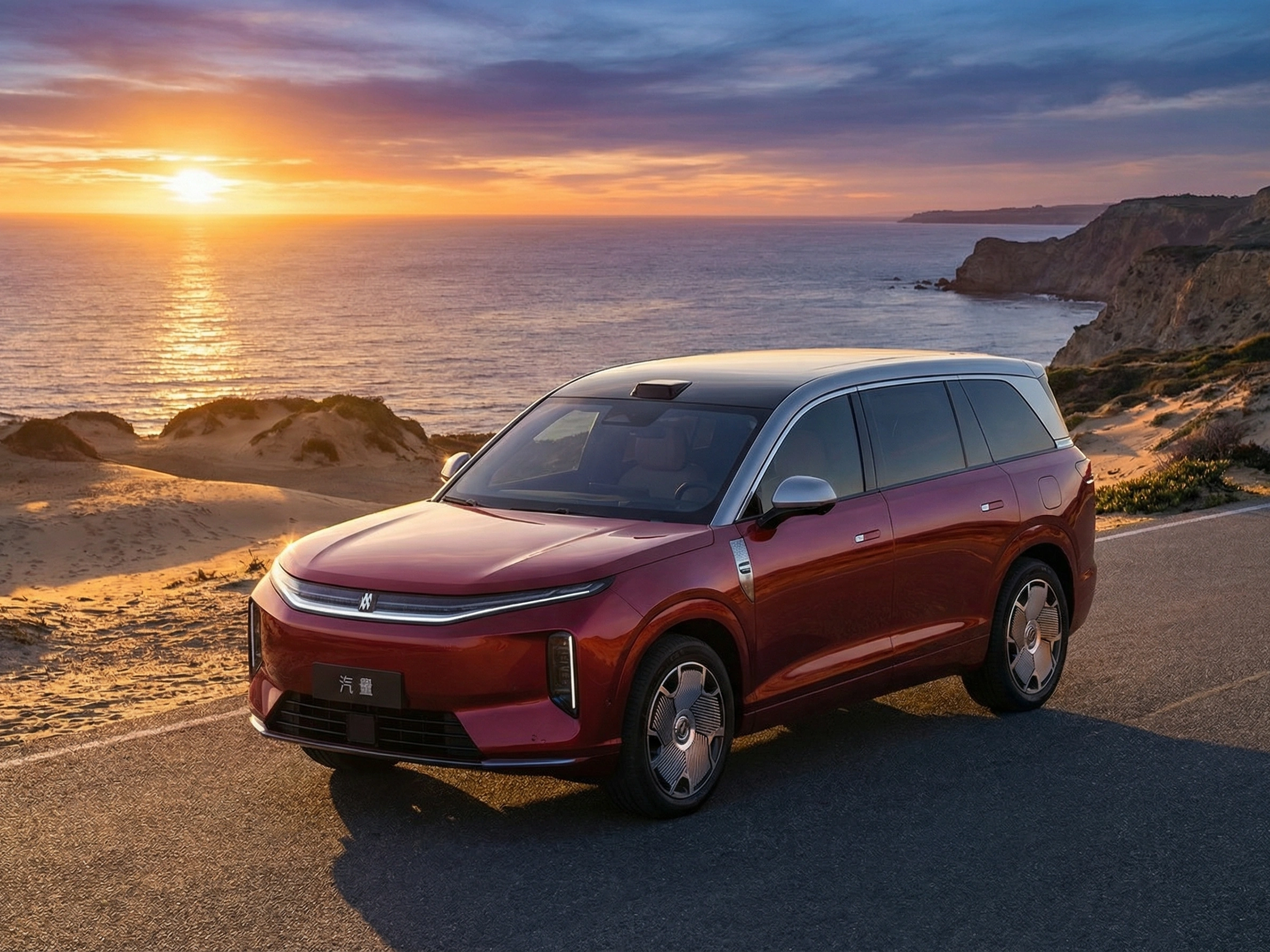
The Great Tang adopts BYD Dynasty styling cues, including a full-width front trim integrating headlights, pop-out door handles, and a rear light bar. Its boxy proportions with clean flanks and a raked D-pillar emphasize presence over aerodynamics, suiting its 5.3-meter length. Official images reveal a panoramic sunroof as standard, with length variations from rear bumper options (front overhang 995 mm, rear 1177 mm at max length). Large 20-21-inch wheels and a roof-mounted LiDAR sensor hint at advanced driver assistance.
 Cars
Cars
Mercedes Reveals All-Electric 2026 GLB With More Power, Longer Range and Built-In ChatGPT
Mercedes-Benz has unveiled the next-generation all-electric GLB, replacing the previous EQB and marking a major step forward for the brand’s...
 Cars
Cars
Kia EV9 GT: The Ultimate Performance Electric Family SUV Review
Welcome to our comprehensive guide on Kia’s latest high-performance electric SUV that’s redefining family transportation. The EV9 GT combines practical...
 Aircraft
The Lilium Jet: The Revolutionary Electric Flying Taxi
A Glimpse into the Future of Urban Air Mobility Are you stuck in soul-crushing traffic jams day after day? Well,...
Compared to predecessors, the Great Tang scales up significantly, surpassing the Toyota LandCruiser 300 Series in length (5015 mm max) while matching width. Its heavy curb weight reflects robust construction for 7 passengers, though exact material details like chassis reinforcements are unspecified.
Powertrain and Technology Analysis
Built on BYD’s Super e-platform, the pure electric Great Tang features a full-domain 1000V high-voltage system paired with a 10C flash-charging LFP battery and 1000A current, enabling up to 1000kW charging power. This supports BYD’s megawatt flash-charging piles rollout, drastically cutting recharge times for large-battery SUVs. Rear-wheel steering enhances maneuverability for its size, while the LiDAR enables the ‘God’s Eye’ intelligent driving system.
Top speeds of 240-250 km/h indicate strong performance, with filings suggesting single-motor (300kW/370kW) and dual-motor setups (215kW front + 370kW rear). Air suspension lowers height to 1790 mm, improving efficiency and handling. However, real-world charging speeds, battery sizes, and efficiency figures await confirmation post-launch. Unanswered questions include export plans and pricing, critical for global markets.
Safety and Interior Expectations
While interiors remain unrevealed in official images, MIIT data confirms a 7-seat layout, potentially with luxury touches like those in Dynasty siblings. Standard features like the panoramic sunroof suggest premium positioning. The LiDAR and rear steering point to high-level ADAS, but crash test ratings and material quality need post-launch validation. Hefty weights (up to 2970 kg curb) imply a solid build, but towing capacity is unstated.
Comparison with Competitors
| Model | Length (mm) | Wheelbase (mm) | Key Tech | Seating |
|---|---|---|---|---|
| BYD Great Tang | 5263-5302 | 3130 | 1000kW charge, 1000V, LiDAR | 7 |
| Li Auto L9 | 5230 | 3100 | Hybrid, ADAS | 6 |
| Xpeng G9 | 2890 | 2998 | 800V, fast charge | 5 |
| Aito M9 | 5230 | 3110 | Hybrid, luxury interior | 6 |
The Great Tang edges out rivals in length and charging speed, but Li Auto L9 and Aito M9 lead in established hybrid luxury. Xpeng G9 is smaller, focusing on 5-seaters. Great Tang’s pure EV focus and megawatt charging differentiate it.
Verdict
The BYD Great Tang positions as a compelling D-segment flagship for families needing 7 seats, vast space, and ultra-fast charging in a pure EV package. It suits premium Chinese buyers prioritizing tech over badge prestige, though global availability, pricing, range, and interior reveals will determine broader appeal. With specs confirmed via MIIT and images, it promises to challenge segment leaders—watch the March 5 launch for battery and powertrain clarity.