
AutoFlight’s 5-Ton Matrix Achieves Full Transition Flight, Breaking eVTOL Weight Barriers
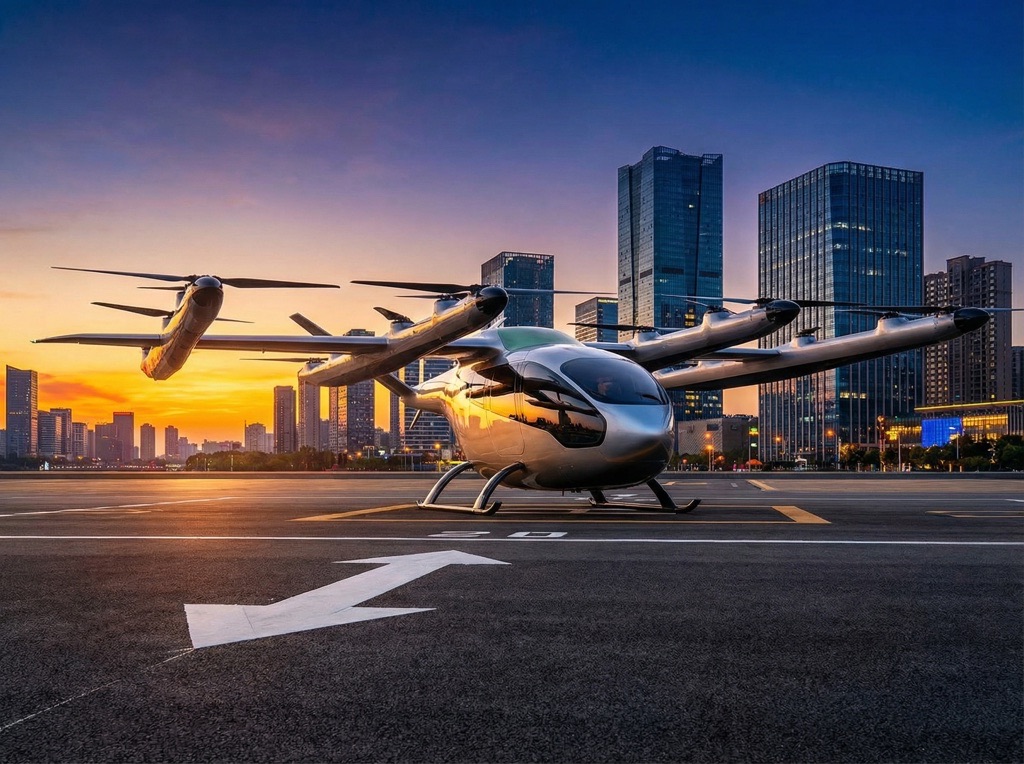
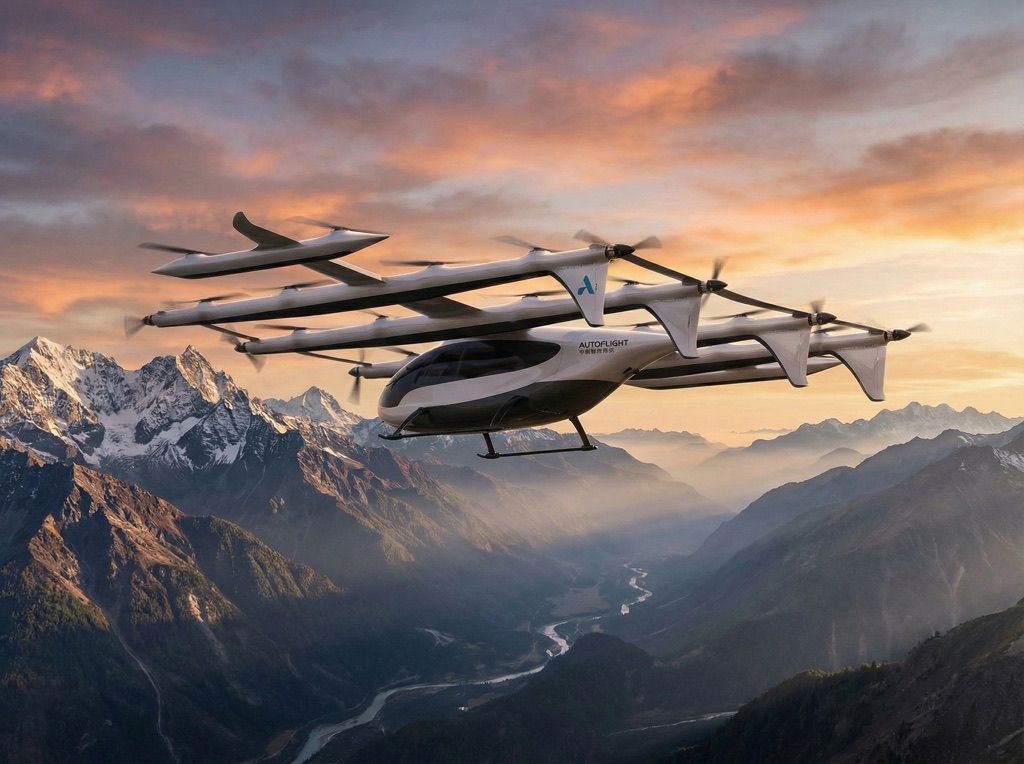
Chinese eVTOL developer AutoFlight has successfully demonstrated the Matrix, the world’s first 5-ton class electric vertical takeoff and landing aircraft, completing a full transition flight sequence on February 5, 2026, at its low-altitude test facility in Kunshan, China. The achievement marks a significant technical milestone in the emerging eVTOL sector, positioning the aircraft well beyond typical urban air mobility platforms and into higher-payload regional transport territory.
During the public demonstration, Matrix transitioned from vertical takeoff through wing-borne cruise flight and back to vertical landing—a complete flight sequence that AutoFlight claims represents “the first time a five-ton eVTOL has achieved full transition flight.” The aircraft flew alongside AutoFlight’s 2-ton CarryAll cargo eVTOL, validating the company’s technologies across complex aerodynamic systems, high-power electric propulsion, and advanced flight control systems.
Specifications and Design: Scaling Beyond Urban Air Mobility
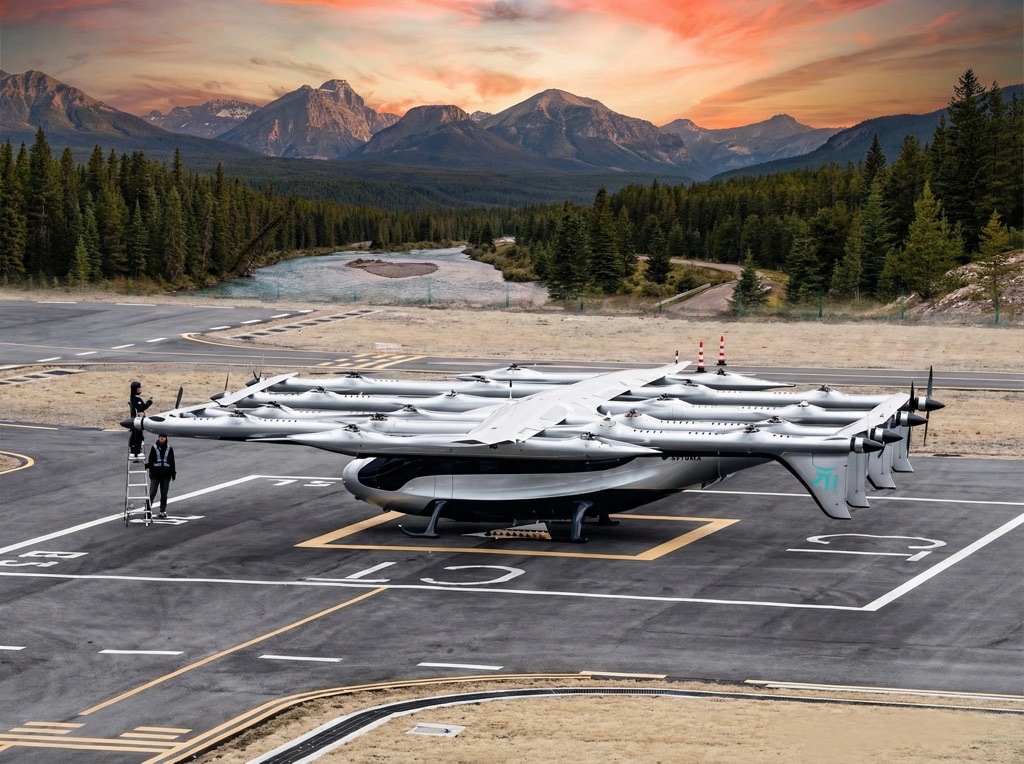
Matrix represents a substantial step up in size and capability compared to most operational eVTOL prototypes currently in development. The aircraft features a 20-metre wingspan, 17.1-metre length, and 3.3-metre height, with a maximum takeoff weight of 5,700kg. For context, most operational prototypes in the sector fall within the 1.5 to 3-tonne range and typically accommodate between four and six passengers.
The cabin measures 5.25 metres in length, 1.8 metres in width, and 1.85 metres in aisle height, providing 13.9 cubic metres of interior volume. The spacious interior is outfitted with amenities including washbasins and lavatories, positioning the aircraft beyond purely urban shuttle services.
| Specification | Value |
|---|---|
| Maximum Takeoff Weight | 5,700 kg (12,566 lb) |
| Wingspan | 20 metres (65 ft) |
| Length | 17.1 metres (56 ft) |
| Height | 3.3 metres (11 ft) |
| Cabin Length | 5.25 metres |
| Cabin Width | 1.8 metres |
| Cabin Height (aisle) | 1.85 metres |
| Interior Volume | 13.9 cubic metres |
| Passenger Capacity (business-class) | 10 seats |
| Passenger Capacity (VIP) | 6 seats |
| Cargo Payload | 1,500 kg |
| Electric Range | 250 km (156 miles) |
| Hybrid-Electric Range | 1,500 km (937 miles) |
| Lift Motors | Up to 20 fifth-generation motors |
Dual Configuration Strategy: Passenger and Cargo Variants
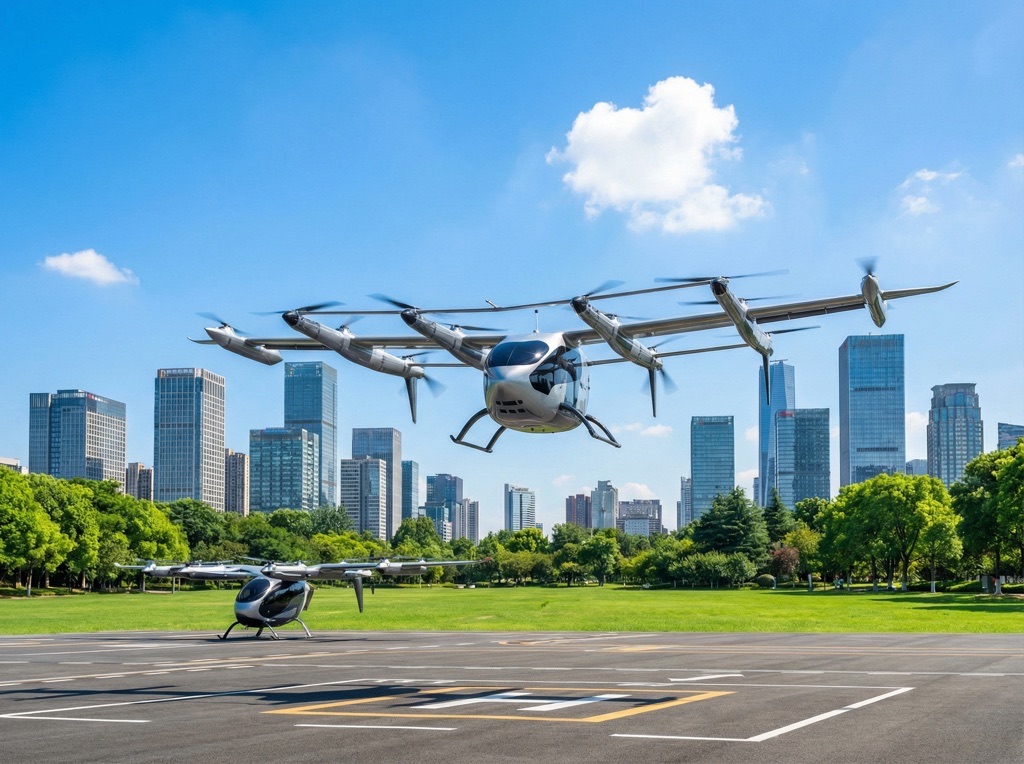
AutoFlight is developing Matrix in two primary configurations. The passenger variant accommodates either 10 business-class seats or 6 VIP seats with premium amenities including climate control and oversized windows. This flexible seating approach suggests positioning beyond short-haul urban commuting, targeting regional travel and intercity feeder routes.
The cargo variant features a hybrid-electric power system capable of carrying up to 1,500kg, with a forward-opening door designed to accommodate two AKE standard air cargo containers. This configuration reflects AutoFlight’s strategy to address diverse market applications, including heavy logistics operations and large-scale emergency response missions.
The range differential between variants highlights current battery technology constraints. The pure electric version offers a maximum range of 250 kilometres, while the hybrid-electric variant extends range to 1,500 kilometres. If validated through certification, the hybrid configuration could position Matrix closer to regional air transport and specialised logistics roles rather than solely short-hop urban operations.
 Aircraft
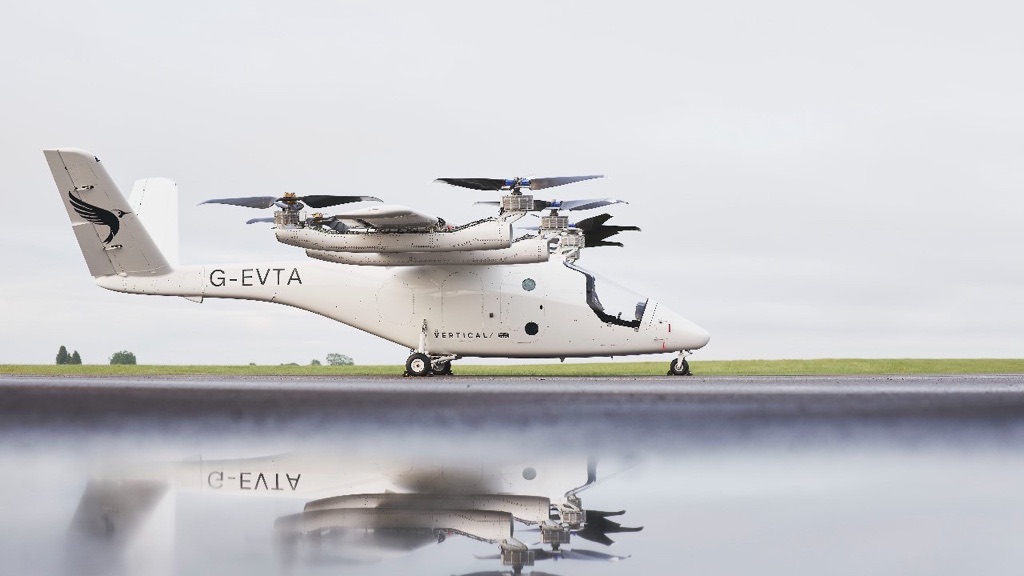
Vertical Aerospace VX4: The Future of Urban Air Mobility Takes Flight
Revolutionizing Transportation with the VX4 eVTOL Vertical Aerospace is transforming the concept of urban transportation with its groundbreaking VX4 electric...
 Aircraft
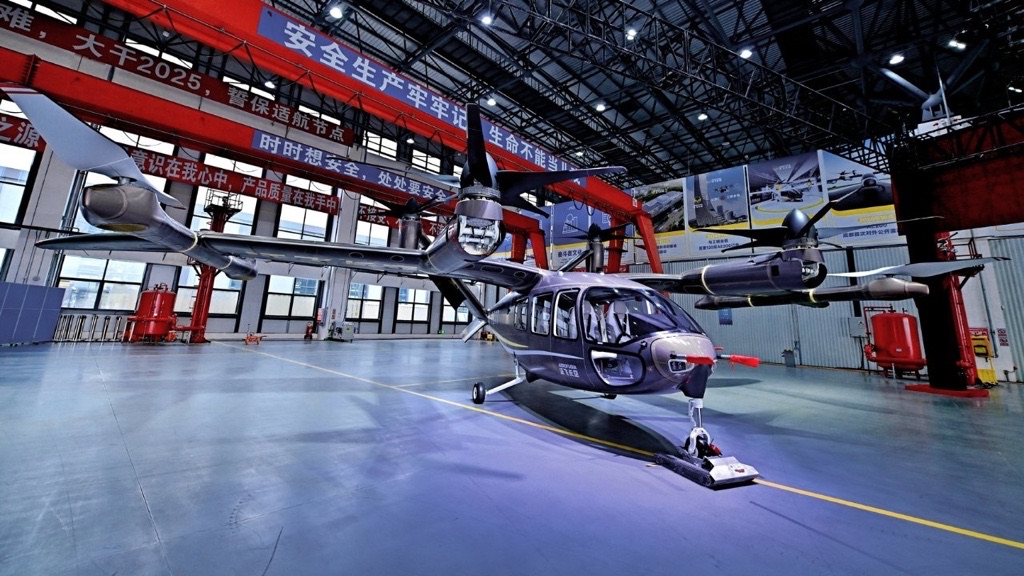
Aerofugia AE200 eVTOL 2025: China’s “Flying Uber” Gets Ready for Takeoff
Subtitle / Lead Aerofugia, the aviation division of Geely (the parent company of Volvo and Lotus), has officially unveiled the...
 Aircraft
Honda’s Sky-High Ambitions: The Secret eVTOL Project Unveiled
Breaking into the Future of Urban Mobility Honda, the automotive titan known for reliable cars like the Civic and Accord,...
Lift-and-Cruise Architecture: Technical Innovation at Scale
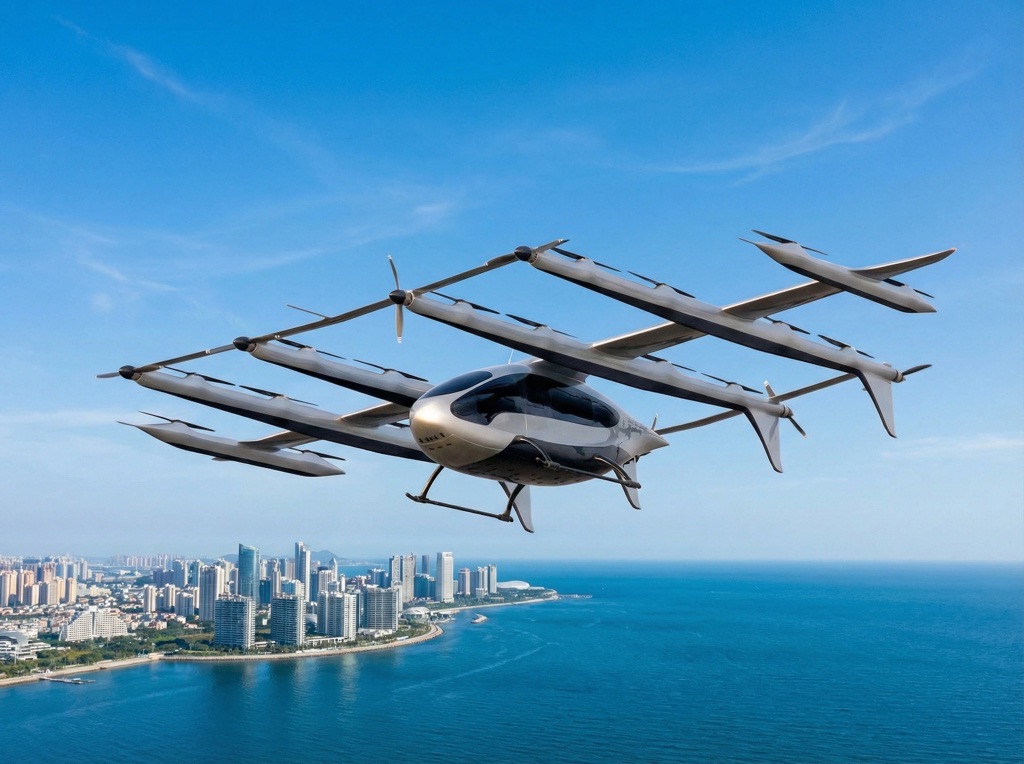
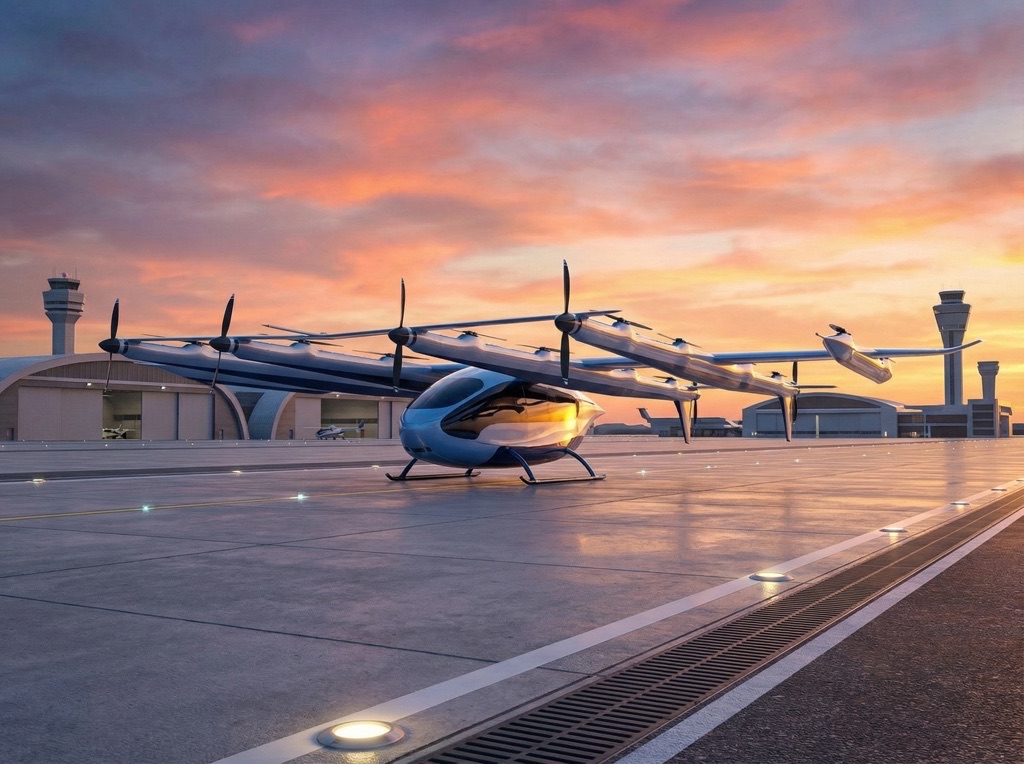
Matrix employs AutoFlight’s proprietary compound wing “Lift and Cruise” configuration, incorporating a distinctive triplane layout and six-arm structure. This design separates vertical lift propulsion from forward cruise propulsion, reducing aerodynamic compromise compared with conventional tilt-rotor systems.
The aircraft’s high-voltage architecture incorporates up to 20 fifth-generation lift motors in a distributed propulsion system, providing redundancy to maintain flight capability in single or dual engine failure scenarios. This redundancy architecture is critical for safety certification at the five-ton weight class, where structural and power management challenges are substantially more complex than on smaller platforms.
Scaling the lift-and-cruise architecture to five-tonne class introduces significant structural and power management challenges, particularly during transition phases where aerodynamic loads shift rapidly. The successful demonstration of full transition flight suggests that AutoFlight has addressed the core integration of aerodynamic control, propulsion management, and flight control software required to handle these dynamic shifts.
Market Positioning: Breaking Industry Assumptions
AutoFlight CEO and founder Tian Yu positioned Matrix as a departure from prevailing assumptions in the eVTOL sector. “Matrix is not only a rising star in the aviation industry but also an ambitious industry disruptor. It will break the industry perception that eVTOL equals short-haul, low-load, and will reshape the rules of eVTOL routes,” he stated.
Yu emphasised the economic case for larger platforms: “Through economies of scale, it significantly reduces transportation costs per seat-kilometre and ton-kilometre, revolutionising costs and embracing profitability. It covers all scenarios from urban commuting to intercity feeder routes, driving the expansion of the entire low-altitude ecosystem.”
This positioning reflects an emerging debate within the eVTOL sector over whether smaller, urban-focused aircraft will provide sustainable operating margins. The broader industry remains focused largely on urban air mobility concepts optimised for short sectors under 200 kilometres with limited passenger loads. By contrast, Matrix’s five-ton maximum takeoff weight and hybrid range claims place it closer to light regional aviation territory.
Competitive Context and Industry Implications
Matrix’s achievement stands out against the current eVTOL landscape. Most competing platforms—including the eHang VT35, which seats two passengers and has a 26.7-foot wingspan—operate at substantially smaller scales. AutoFlight’s previous aircraft, the CarryAll, became the world’s first 2-ton eVTOL to receive a production license, establishing the company’s track record in scaling eVTOL technology.
The five-ton class represents a distinct market segment. While numerous eVTOL manufacturers have demonstrated hover tests or partial transitions, achieving full conversion between lift and cruise modes at this weight class marks a technical step beyond the majority of platforms currently flying. This positions AutoFlight ahead of competitors pursuing smaller urban air mobility platforms, though commercial viability remains dependent on certification pathways, infrastructure build-out, and operating economics validation.
Certification and Commercial Timeline: Unanswered Questions
AutoFlight has not disclosed a certification timeline for Matrix. Scaling from demonstrator to commercial service in the five-ton category will require validation of structural integrity, redundancy, energy management systems, and compliance with evolving regulatory frameworks for eVTOL operations. The company’s previous programmes—including the Great White Shark industrial platform, CarryAll autonomous logistics system, and Prosperity urban air mobility aircraft—form part of a broader product strategy, but Matrix represents a significant step in size and complexity compared with earlier platforms.
Key unanswered questions include: certification pathway and timeline; operational cost validation against regional aviation alternatives; infrastructure readiness for five-ton eVTOL operations; and regulatory approval across target markets. Whether Matrix’s positioning proves commercially viable will depend on the resolution of these factors.
Verdict
AutoFlight’s Matrix represents a meaningful technical achievement in eVTOL development, demonstrating that full transition flight is feasible at the five-ton weight class. The aircraft’s dual passenger and cargo configurations, extended range options, and emphasis on higher payload capacity position it distinctly from the urban air mobility-focused platforms dominating current eVTOL development. However, the path from successful demonstration to commercial operation remains uncertain, dependent on certification approval, infrastructure development, and proof of economic viability against established regional aviation alternatives. For operators and investors evaluating the emerging eVTOL market, Matrix signals that the sector is beginning to address regional transport and logistics applications beyond short-haul urban commuting—though commercial validation is still pending.