
Look up at the sky on any given day and you’ll see the familiar white contrails of large jetliners carving lines across the atmosphere — and leaving behind a hefty trail of CO₂ and other pollutants. Aviation remains one of the most emissions-intensive forms of transportation. But in a country that already looks like a renewable-energy utopia, Air New Zealand is taking a bold step toward a cleaner future by testing the next generation of zero-emission aircraft.
While the world debates electric trucks and hydrogen supercars, the Kiwis have begun real-world trials of battery-electric and hydrogen-powered planes. Their geography makes them uniquely suited for it: 85% of the national grid is renewable, and 60% of regional routes are under 217 miles — the sweet spot for emerging electric aircraft.
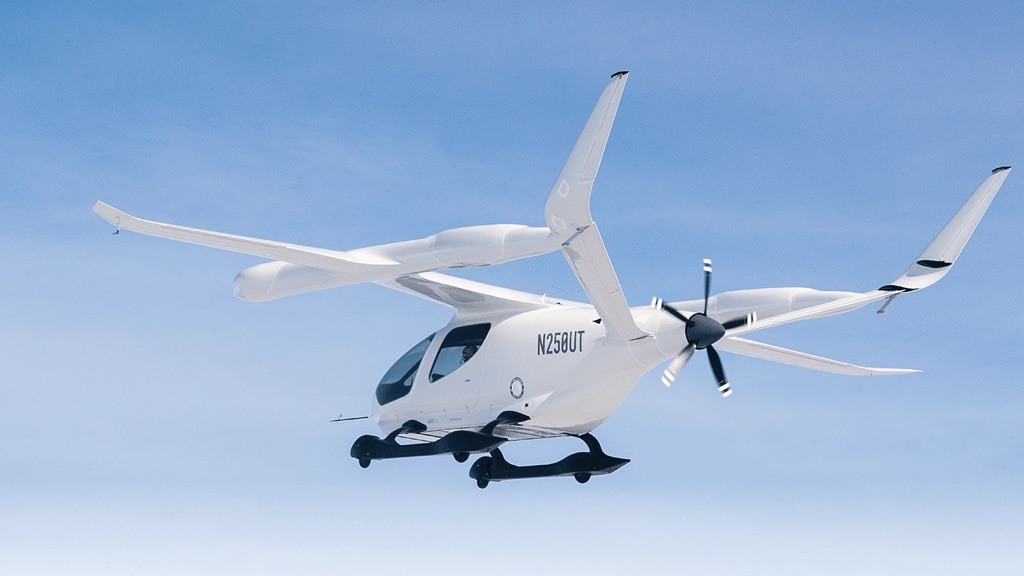
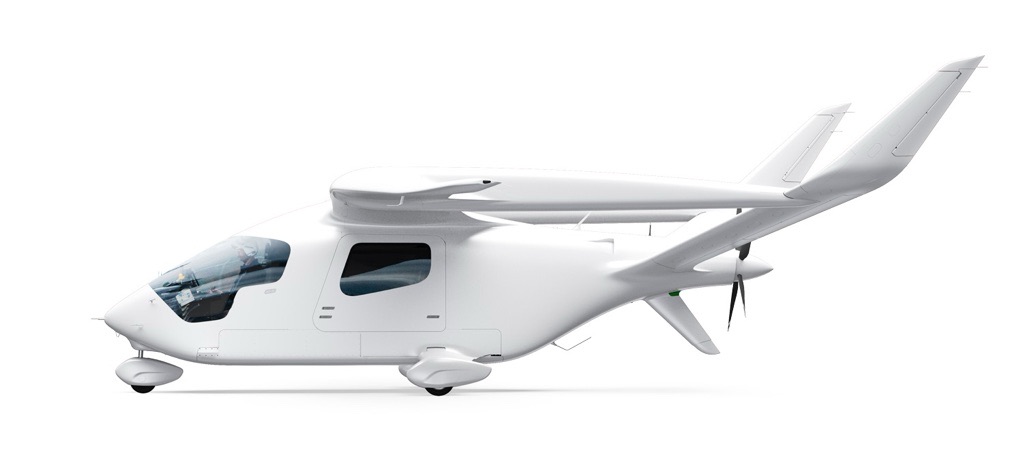
At the center of this experiment is a strange, charming, and surprisingly capable machine: the ALIA CX300 from U.S. aerospace startup BETA Technologies.
ALIA CX300: The Electric Cargo Hauler Leading the Zero-Emission Charge
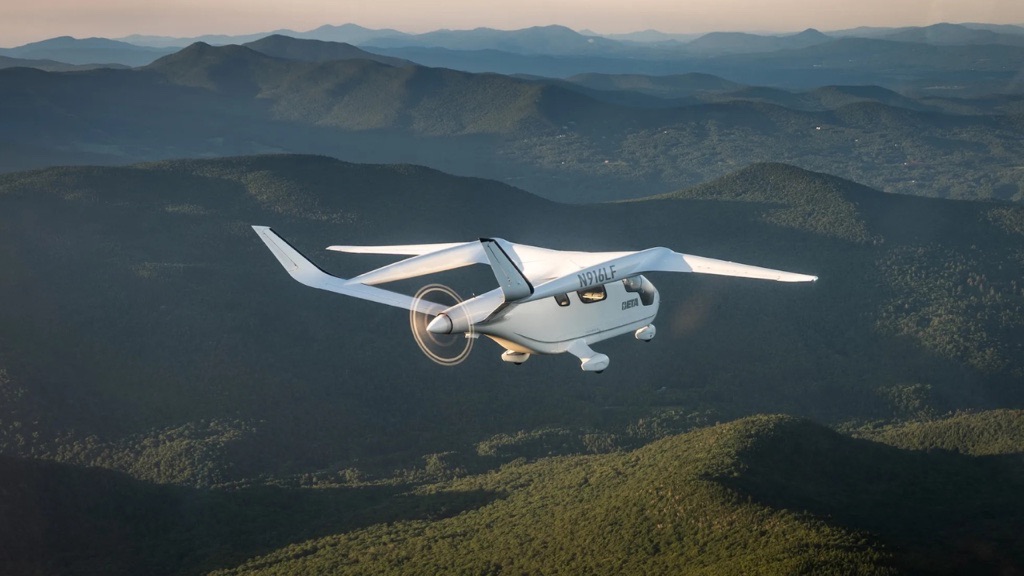
The ALIA CX300 is not a futuristic VTOL sci-fi pod; it’s an electric conventional takeoff and landing (eCTOL) aircraft. It still uses a runway, meaning it can slot into today’s aviation ecosystem without new infrastructure.
Its design is unmistakable:
-
A tall, slender motor glider-like fuselage
-
A 50-foot wingspan
-
A cargo-friendly rear end
-
A single rear-mounted H500A electric motor driving a pusher propeller
With 528 hp available for takeoff, the CX300 has more muscle than some V8 sports cars — just packaged inside a 6,000-pound carbon-fiber airframe.
Top speed: 176 mph
Primary mission: fast, clean regional cargo and utility flights
No, it won’t outrun a fighter jet. But that’s not its job.
 Aircraft
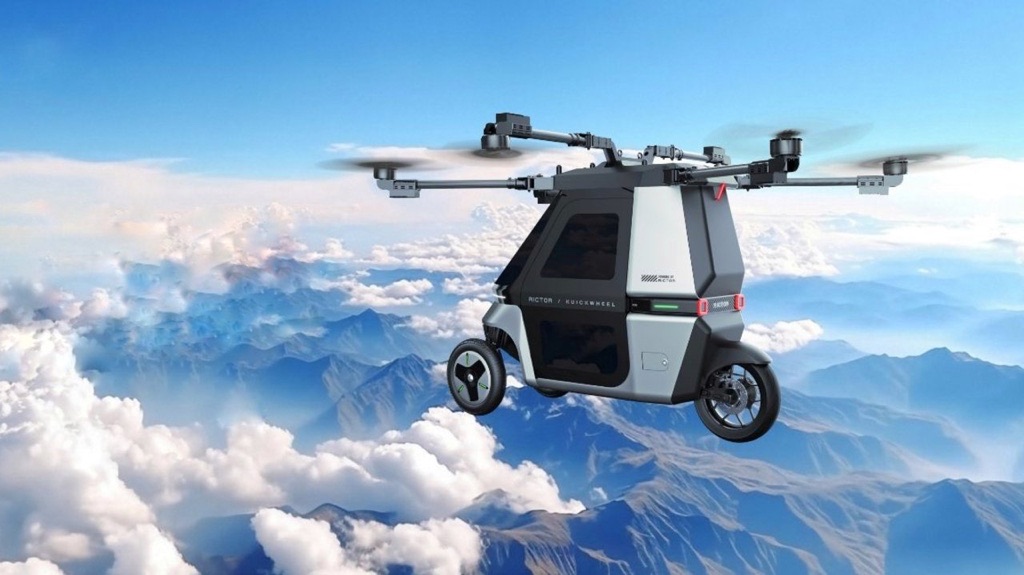
Kuickwheel Skyrider X6: The Flying Electric Motorcycle That Turns Traffic Into a Joke
China’s $69,000 eVTOL Bike That Can Drive, Fly, and Blow Your Mind For years, we’ve been told the electric revolution...
 Aircraft
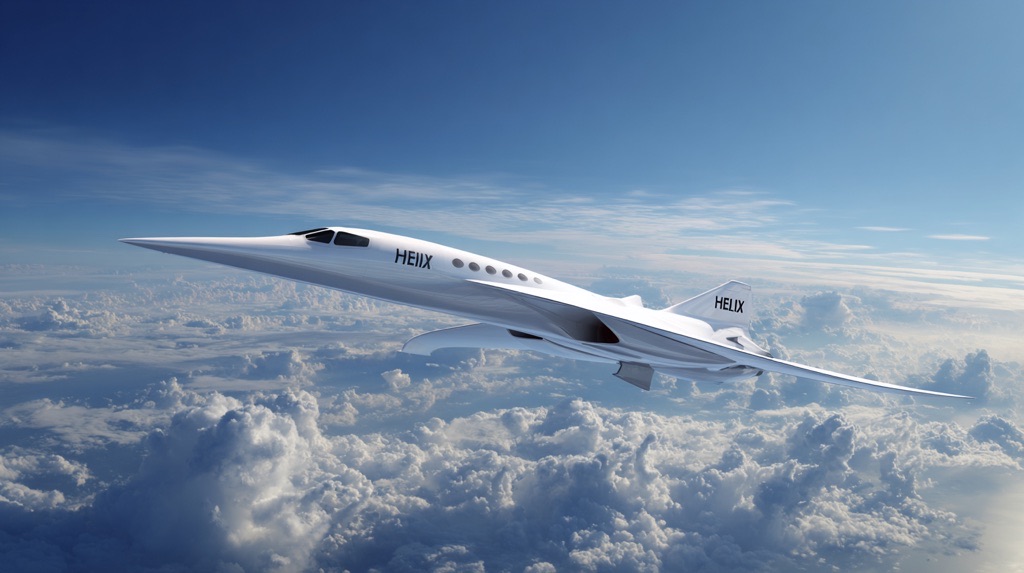
Helix Unveils New Electric Motor Technology That Brings the Return of Supersonic Aviation Closer
A breakthrough hybrid-electric propulsion concept could make future supersonic aircraft more efficient, more flexible, and far cheaper to operate. Helix,...
 News
News
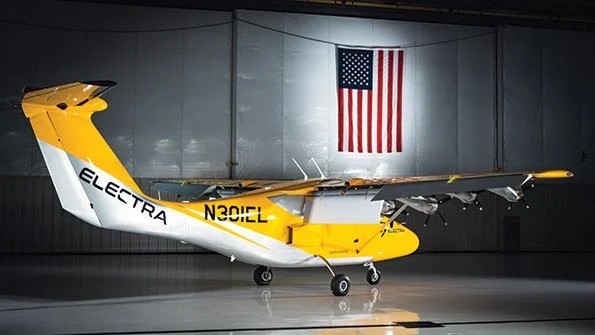
Electra’s eSTOL: The Unsung Hero of Electric Aviation
Introduction: In the ever-evolving world of electric transportation, the spotlight often falls on the flashy, futuristic eVTOLs. However, amidst this...
A Massive Battery — And the Physics Problem That Electric Aviation Must Solve
Electric planes face one huge challenge: the battery never gets lighter in flight.
The ALIA carries:
-
225 kWh of lithium-ion storage
-
Divided into five separate battery packs
-
Total weight: ~2,810 pounds
Jet fuel burns off gradually, making airplanes more efficient as they fly. Batteries don’t. Yet BETA compensates with aerodynamic refinement, lightweight materials, and energy-efficient propulsion.
Range and Recharging: Surprisingly Practical for Real Routes
BETA has demonstrated a maximum range of ~387 miles, giving the aircraft ample overhead for Air New Zealand’s sub-217-mile missions.
More impressively:
-
Recharge time: ~1 hour
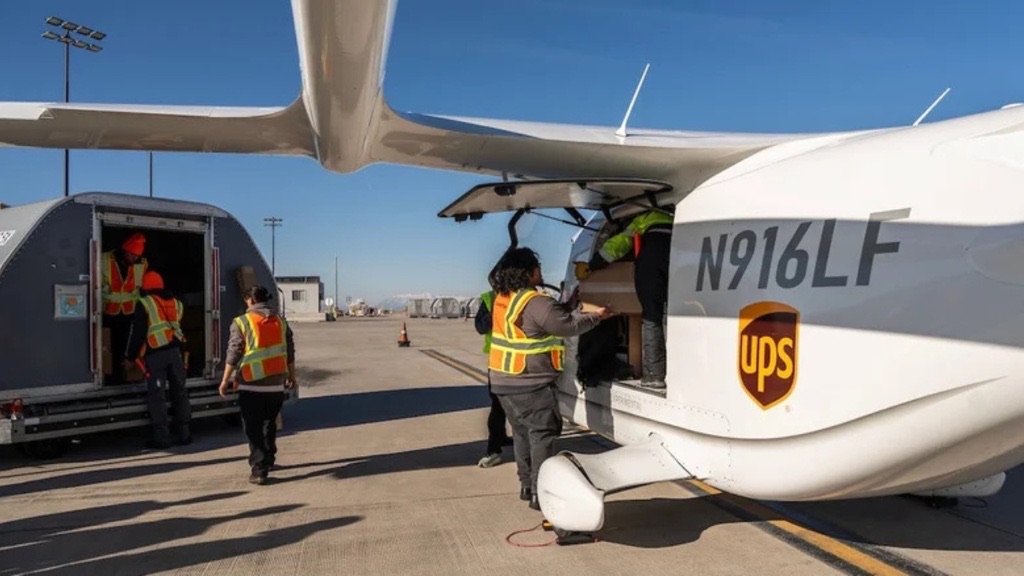
Land → unload → plug in → take off again during the length of a lunch break.
For short-haul aviation, this is a game-changer.
Operating Costs: The Part That Makes Diesel Aircraft Cry
BETA proudly states that the ALIA’s energy cost is just $18 per flight hour.
Compare that with:
-
Cessna 208 Caravan fuel + maintenance: ~$347/hour
That’s an order-of-magnitude difference.
Electric aviation isn’t just about the planet — it’s about saving airlines mountains of cash.
Proven Reliability: 115,000+ Miles Flown in Real Conditions
BETA’s test fleet has accumulated:
-
115,080+ flight miles
-
380+ airport landings
-
Operations in rain, snow, fog, dust, heat, and freezing cold
Early test flights required a chase plane and a trailer full of spare parts.
Today, cross-country missions fly with a single pilot and no mechanical entourage.
That’s a reliability curve worthy of an established OEM.
Electric Flight Won’t Replace Jetliners — Yet
Electric aircraft solve regional aviation problems, not transoceanic ones.
For long-haul flights:
-
Electricity is too heavy
-
Hydrogen is still experimental (and brings its own fire-and-pressure headaches)
-
Jetliners require fuel-density levels electric systems can’t match today
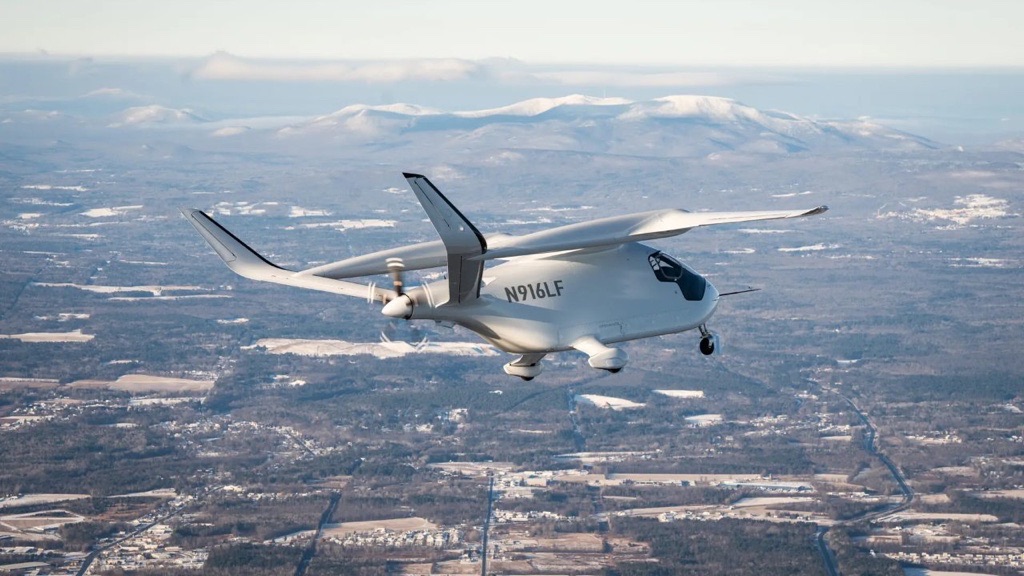
But for short routes — especially in a renewable-powered country like New Zealand — the ALIA CX300 is already a compelling replacement for turboprops.
The Future of Regional Aviation Looks Quiet, Clean, and Cost-Efficient
The ALIA CX300 may look like a cargo-eating seabird with an attitude, but it represents a huge leap toward decarbonized aviation. For Air New Zealand’s short hops over turquoise coastlines, it’s almost the perfect machine.
If this is the future of regional aviation, then the only thing greener than these planes may very well be the sales guy’s commission check.
Air New Zealand is testing zero-emission regional aviation using the ALIA CX300, an electric cargo aircraft from BETA Technologies featuring a 225-kWh battery pack, 528 hp motor, up to 387 miles of demonstrated range, and just $18/hour running costs. With a one-hour recharge time and proven reliability across more than 115,000 miles of flight testing, the ALIA CX300 is poised to transform short-haul aviation in markets with strong renewable energy infrastructure.