
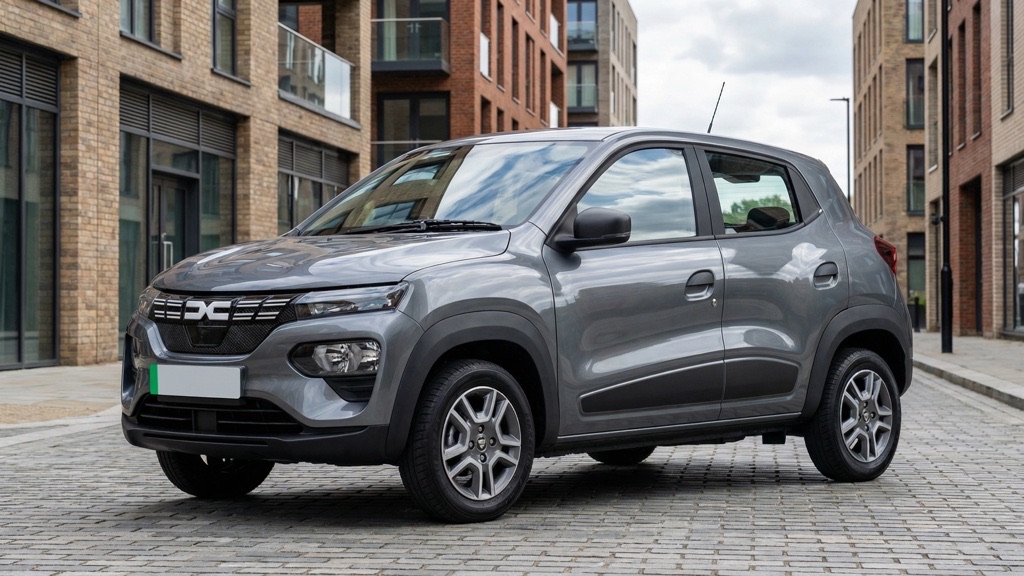
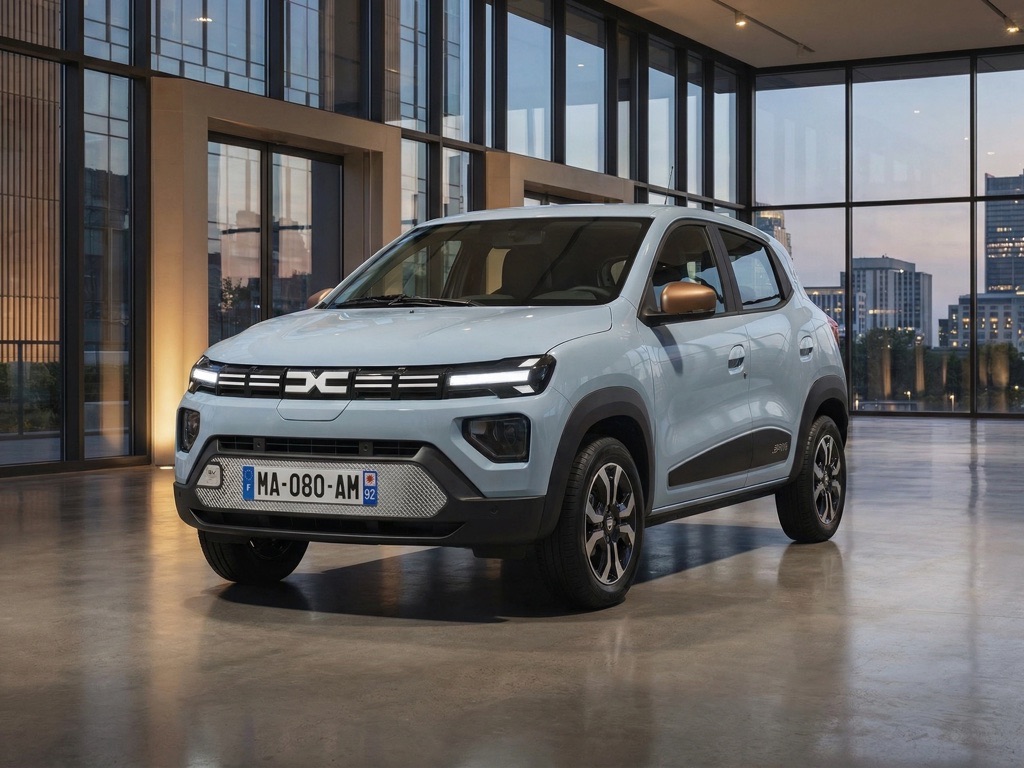
Dacia has substantially upgraded its budget city EV for 2026, introducing two new electric motors that dramatically improve performance across the range. The entry-level Spring now delivers 69bhp—matching the previous top-spec model—while the higher-grade variant jumps to 99bhp, representing a 52% power increase over the outgoing 65bhp unit. For UK buyers, these are the first major updates since the Spring launched in late 2024, though the car has received annual enhancements in other European markets since its 2023 debut.
BackgrouDacia's Affordable EV Strategytegy
Dacia positions the Spring as Europe’s most affordable electric vehicle, targeting urban commuters and first-time EV buyers who prioritize cost over performance. The car competes directly with the Leapmotor T03 and represents Renault Group’s commitment to making electric mobility accessible beyond premium segments. Since its European launch, Dacia has promised substantial annual updates to keep the model competitive, a strategy now extending to the UK market.
The 2026 refresh marks a significant evolution. Rather than minor cosmetic tweaks, Dacia has redesigned the powertrain, battery chemistry, charging infrastructure, and chassis dynamics—changes that fundamentally alter how the Spring drives and performs.
Specifications Overview
| Feature | Expression (Base) | Extreme (Top) |
|---|---|---|
| Motor Power | 69bhp / 52kW | 99bhp / 75kW |
| 0-62mph Time | Not confirmed | 13.7 seconds |
| 50-75mph Acceleration | 10.3 seconds | 6.9 seconds |
| Top Speed | 78mph | 78mph |
| Battery | 24.3kWh LFP (Lithium Iron Phosphate) | |
| Range (WLTP) | Up to 140 miles | |
| DC Charging (40kW) | 20-80% in ~29 minutes | |
| AC Charging (7kW) | 20-100% in 3h 20m | |
| Consumption | 12.4 kW/100km | |
| Infotainment | 7-inch digital cluster | 10-inch touchscreen with wireless Apple CarPlay/Android Auto |
Power Boost Transforms Highway Capability
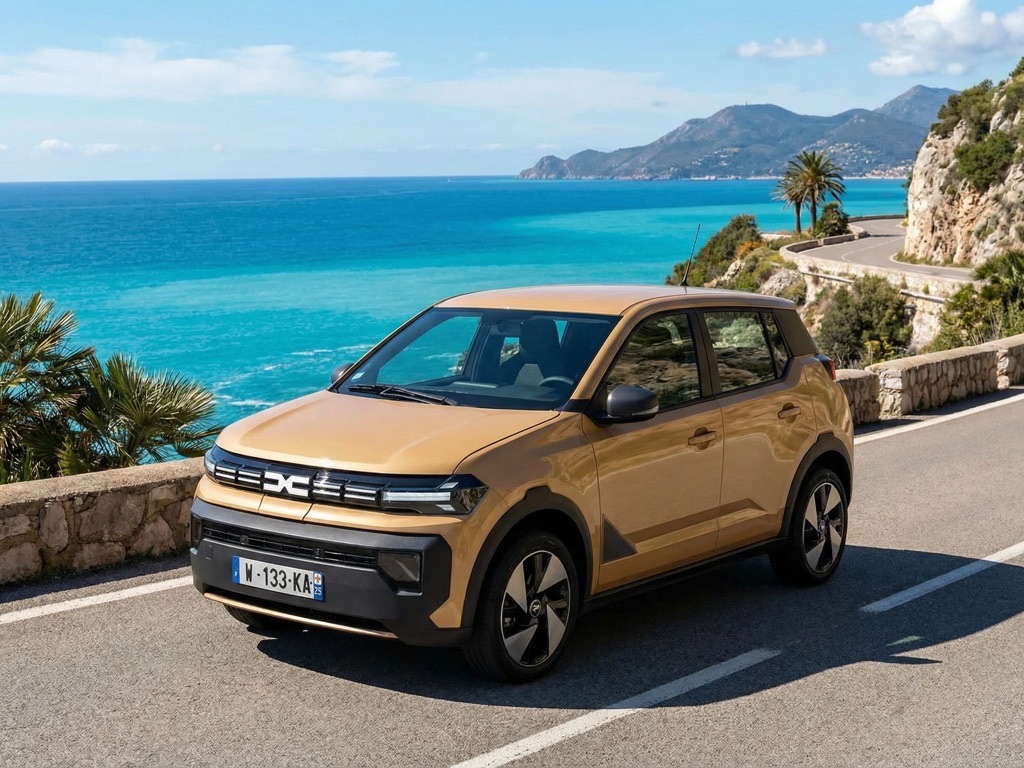
The motor upgrades deliver tangible real-world benefits, particularly at motorway speeds where the previous Spring struggled. The old 45bhp model required a terrifying 26.2 seconds to accelerate from 50-75mph, making highway merging genuinely hazardous. The new 69bhp base model cuts this to 10.3 seconds—a 60% improvement—while the 99bhp variant achieves it in just 6.9 seconds.
However, Dacia has not disclosed the new 0-62mph times for either motor, only confirming that the 99bhp model achieves 13.7 seconds in this metric. The entry-level acceleration time remains unconfirmed, though the 69bhp motor should deliver meaningful gains over the previous 45bhp unit’s estimated 19.1 seconds.
Despite the power increase, both motors share the same 78mph top speed, reflecting the Spring’s city-car DNA. This is adequate for urban use but underscores that the Spring remains fundamentally a town car, not a highway cruiser.
Battery Chemistry Shift: LFP Arrives in Renault Group
The 2026 Spring introduces the first Lithium Iron Phosphate (LFP) battery in any Renault Group model—a significant strategic move. The new 24.3kWh LFP pack is physically smaller than the previous NMC (nickel-manganese-cobalt) battery yet maintains the same 140-mile WLTP range despite powering more powerful motors. This suggests improved efficiency from aerodynamic refinements and chassis optimization.
 News
News
The Aion Hyper SSR – A Shocking Chinese Electric Supercar?
Let’s be honest here – when you hear “Chinese car”, images of cheaply made, crash test nightmares usually come to...
 Cars
Cars
BYD Prepares Larger Yuan Max SUV to Strengthen Its EV Sales Momentum
BYD continues to push for growth despite already record-breaking results. In November alone, BYD sold more than 480,000 vehicles, yet...
 News
News
Norco Sight VLT TQ: 19 kg Carbon eMTB with 60 Nm TQ Motor Now Available at 8890 Euros
The Norco Sight VLT TQ, a lightweight all-mountain electric mountain bike with a full-carbon frame and TQ HPR60 motor delivering...
LFP chemistry offers distinct advantages: superior thermal stability, longer cycle life, and lower material costs compared to NMC. For a budget-focused model like the Spring, this shift reduces manufacturing costs while improving longevity—a win-win for both Dacia and buyers concerned about battery degradation over time.
DC charging has improved from 30kW to 40kW maximum, delivering a 20-80% charge in approximately 29 minutes. AC charging remains at 7kW, requiring 3 hours 20 minutes for a 20-100% charge.
Chassis and Safety Overhaul
For the first time, the Spring gains an anti-roll bar as standard, directly addressing its reputation for body roll in corners. Combined with retuned shock absorbers, new suspension springs, and improved steering precision, these changes create a noticeably more composed driving experience.
Braking power has been enhanced with more powerful assistance, and the chassis itself has been reinforced to accommodate the new battery and improve structural rigidity. Aerodynamic improvements—including front, side, and rear fairings plus a new rear spoiler—reduce drag and improve range, lowering the drag coefficient (SCx) from 0.745 to 0.660 with 14-inch wheels.
These mechanical upgrades represent genuine engineering work rather than superficial updates, suggesting Dacia took feedback from early UK owners seriously.
Trim Simplification and Feature Set
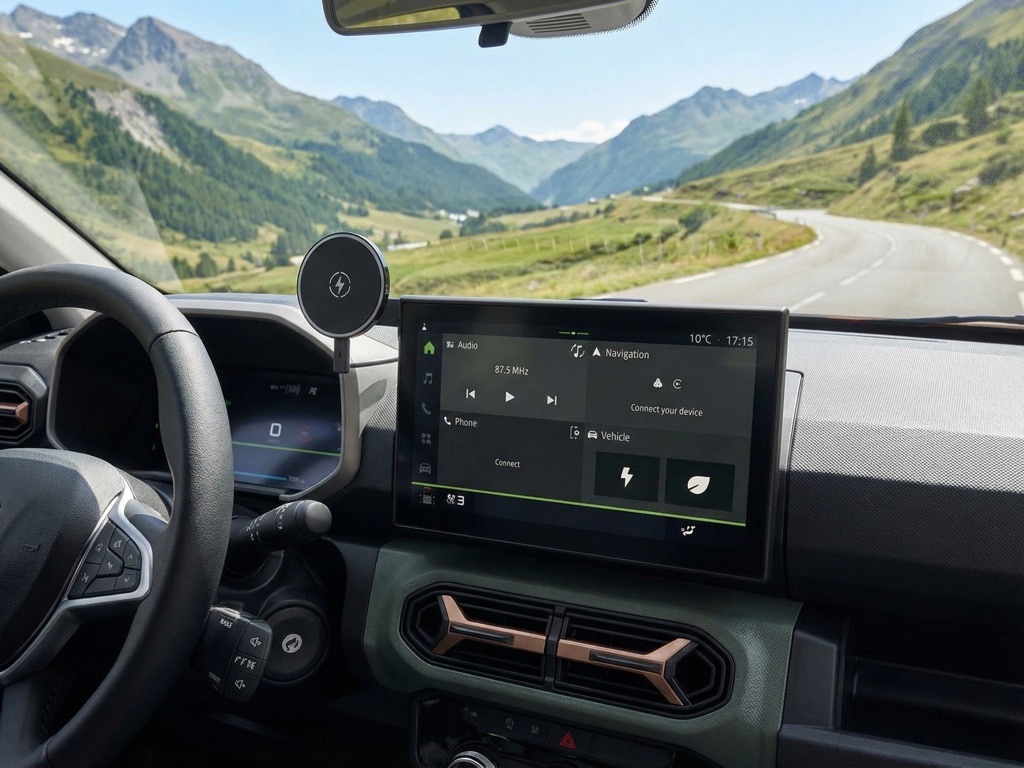
The 2026 Spring adopts a cleaner two-tier specification structure. The Expression trim pairs the 69bhp motor with a 7-inch digital instrument cluster, manual air conditioning, Media Control system with USB, cruise control, and parking sensors. The Extreme grade exclusively pairs with the 99bhp motor and adds a 10-inch touchscreen with wireless Apple CarPlay and Android Auto, copper-colored trim accents, powered mirrors and rear windows, and enhanced connectivity.
This approach eliminates confusion and forces buyers into a clear choice: affordable and practical (Expression) or connected and premium-feeling (Extreme). Both trims include standard safety systems like automatic emergency braking and lane-keeping assist.
Comparison: Spring vs. Key Rivals
| Model | Base Power | Top Power | Range | Key Advantage |
|---|---|---|---|---|
| 2026 Dacia Spring | 69bhp | 99bhp | 140 miles | Lowest price, LFP battery, improved highway performance |
| Leapmotor T03 | 109bhp | 136bhp | 252 miles | More power, significantly longer range |
| Renault 5 E-Tech | 120bhp | 150bhp | 245 miles | Retro styling, more premium interior, greater performance |
The Spring remains the most affordable entry point to electric motoring, but buyers seeking longer range or more spirited performance will need to stretch their budget toward the Leapmotor T03 or Renault 5 E-Tech. The Spring’s strength lies in honest, no-nonsense urban mobility at the lowest possible cost.
Verdict
The 2026 Dacia Spring represents a maturation of an already clever concept. The power increases address genuine real-world shortcomings—particularly highway safety—while the LFP battery and chassis refinements signal Dacia’s commitment to long-term ownership satisfaction. At £12,995 (estimated), the Spring remains unbeatable value for urban commuters, first-time EV buyers, and anyone prioritizing affordability over performance. However, the 140-mile range and modest top speed mean this car is not for motorway warriors or those needing weekend range flexibility. The 2026 updates make the Spring a more complete proposition, but its fundamental identity—the cheapest way into electric driving—remains unchanged. This is the car for city dwellers who drive 30-50 miles daily and want to eliminate fuel costs without breaking the bank.