
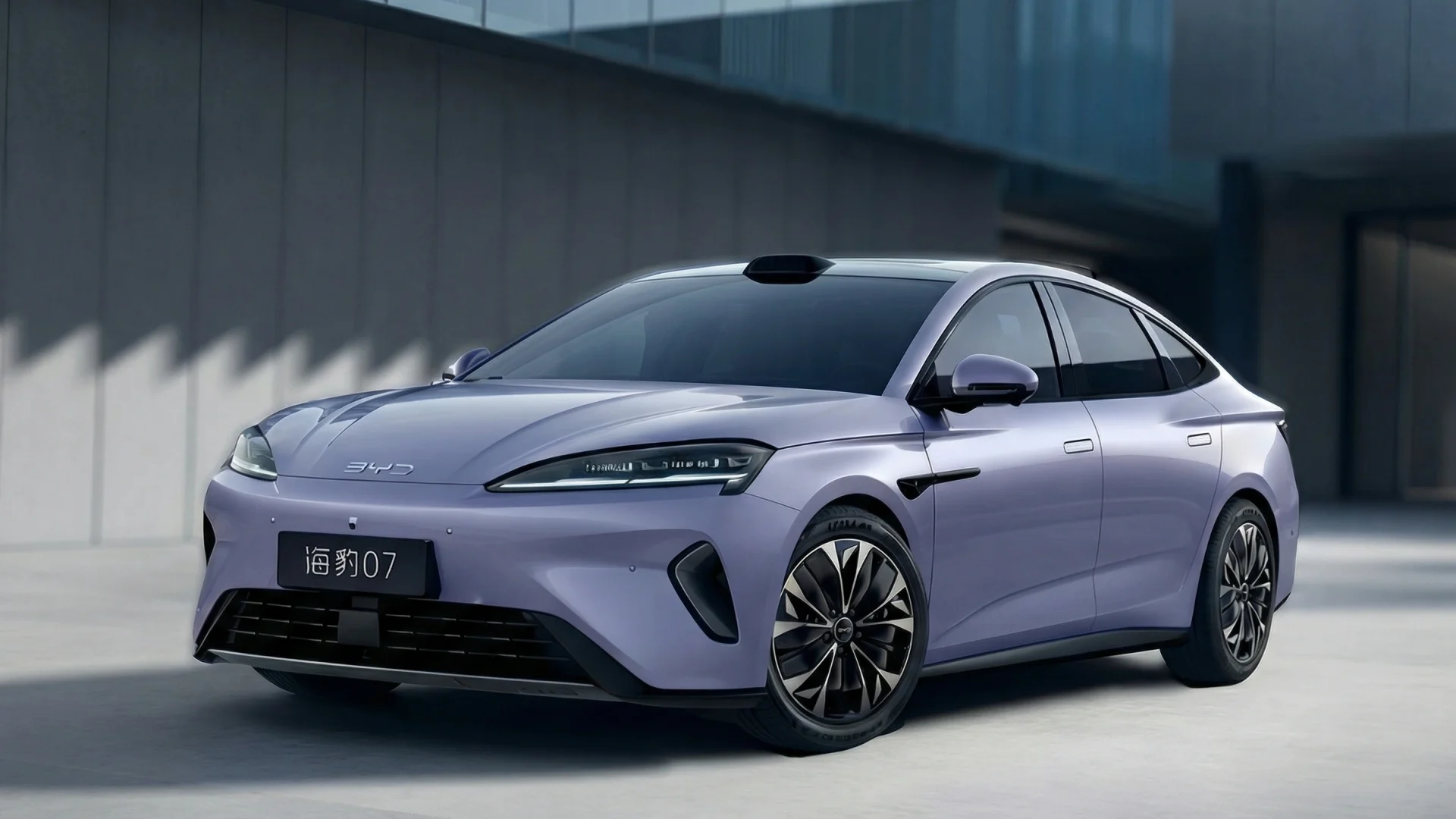
BYD has unveiled official images and specs for the 2026 Seal 07 EV, a fully electric sedan with 240 kW rear-wheel drive power and up to 705 km range under CLTC testing. Built on the new e-Platform 3.0 Evo, it positions BYD to challenge mid-size EV sedans like the Tesla Model 3 with efficient Blade battery tech and advanced ADAS. EV buyers should note this as it expands BYD’s pure-electric lineup amid growing global demand for long-range sedans.
Background
BYD Auto, founded in 1995 as a battery manufacturer, has become China’s largest EV producer and a global force, surpassing Tesla in quarterly sales in 2024. The company leverages its Blade LFP battery technology for safety and cost advantages, powering models likeSeal serieseries. The Seal 07 EV is the electric counterpart to the recently launched Seal 07 DM-i plug-in hybrid, slotting above the standard Seal and Seal 06 EV in size and features. Official images released on March 2, 2026, confirm its design evolution, with a launch event for the God’s Eye 5.0 ADAS system set for March 5.
BYD’s strategy emphasizes vertical integration, producing batteries, motors, and semiconductors in-house. This Seal 07 EV debut underscores expansion into upper mid-size sedans, targeting markets beyond China where BYD now sells in over 70 countries. While pricing and international availability remain unconfirmed, its specs suggest competitiveness in regions like Europe and Australia.
Key Specifications
| Category | Specification |
|---|---|
| Platform | e-Platform 3.0 Evo |
| Drive Layout | Rear-wheel drive |
| Motor Power | 240 kW (322 hp) |
| Battery | 69.07 kWh Blade LFP (490.6 kg) |
| Range (CLTC) | 705 km |
| Energy Consumption (CLTC) | 10.8 kWh/100 km |
| Top Speed | 200 km/h |
| Dimensions (L x W x H) | 4,995 mm x 1,910 mm x 1,495 mm |
| Wheelbase | 2,900 mm |
| Kerb Weight | 1,940 kg |
| Infotainment | 15.6-inch rotating touchscreen |
| ADAS | God’s Eye 5.0 with roof-mounted LiDAR (expected) |
Design and Efficiency Analysis
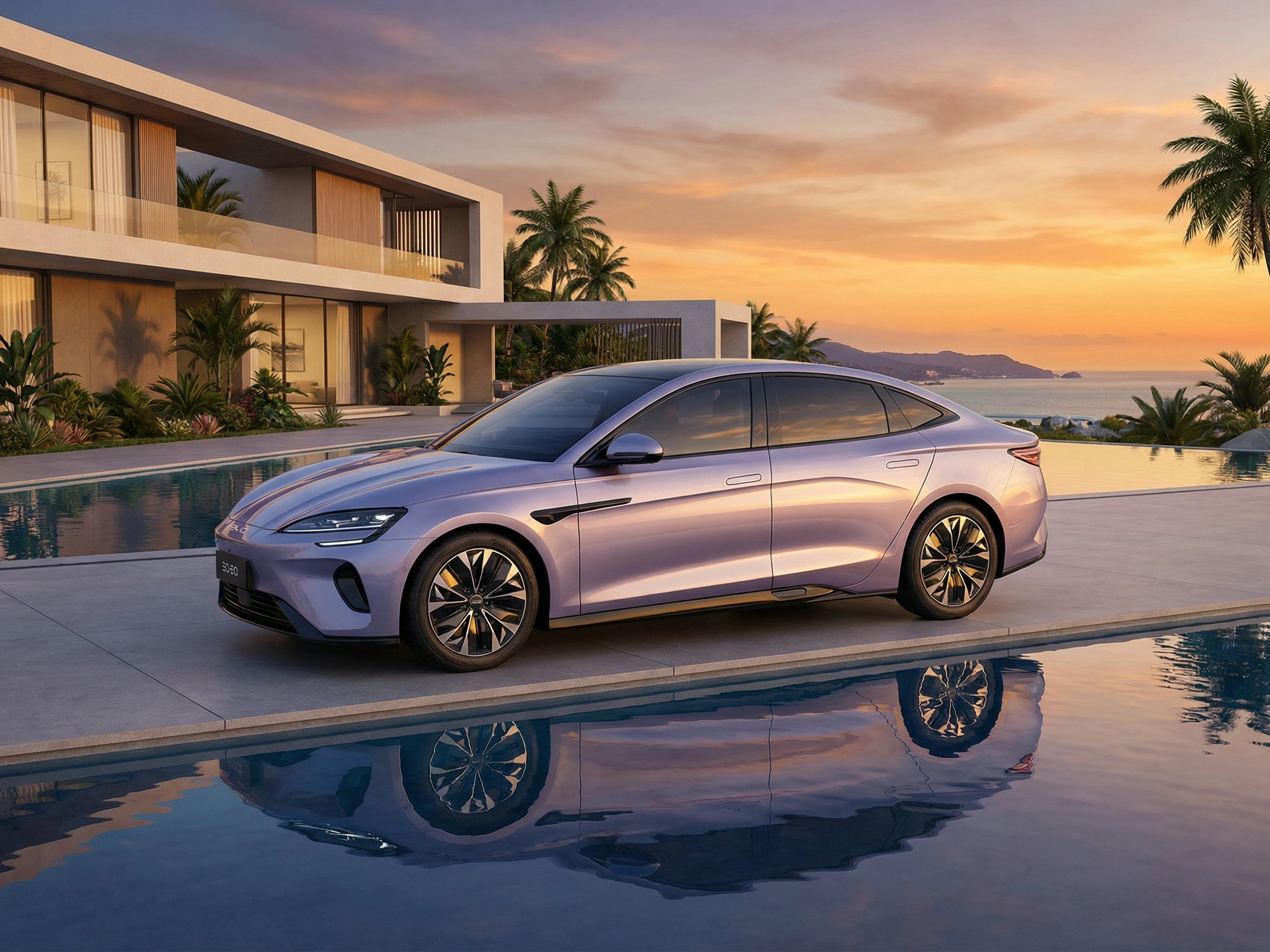
The Seal 07 EV adopts a closed front fascia without engine cooling grilles, featuring slim LED headlights for a sleek profile. Its rear includes a full-width light bar with chrome accents, flush door handles, and a tapered roofline ending in a panoramic sunroof. At 4,995 mm long with a 2,900 mm wheelbase, it offers ample rear legroom comparable to a Toyota Camry, making it family-friendly for a sedan.
Efficiency stands out with 10.8 kWh/100 km consumption under CLTC, enabled by the 69.07 kWh Blade battery’s structural integration and LFP chemistry for thermal stability. The single rear motor’s 240 kW output achieves 200 km/h top speed, though real-world WLTP range may drop to around 585 km. The battery weight of 490.6 kg contributes to the 1,940 kg kerb mass, typical for large-battery EVs.
 Cars
Cars
Kia Turns Up the Volume With Three New GT Electric Models
For years, choosing a compact electric Kia meant accepting one thing: calm competence. The EV3, EV4, and EV5 were designed...
 Cars
Cars
Zeekr 7GT Debuts in Europe With Record-Breaking Charging Speeds
A New Electric Wagon Takes Aim at Europe’s Premium Segment The European love affair with station wagons is far from...
 Cars
Cars
Lucid Stock Surges 15% on Cantor Fitzgerald’s 116% Upside Call, Saudi PIF Commitment Eases Funding Fears
Lucid Motors Rebounds on Saudi Backing and Autonomous Vehicle Momentum Lucid Motors shares jumped more than 15% on Wednesday following...
Interior and Technology
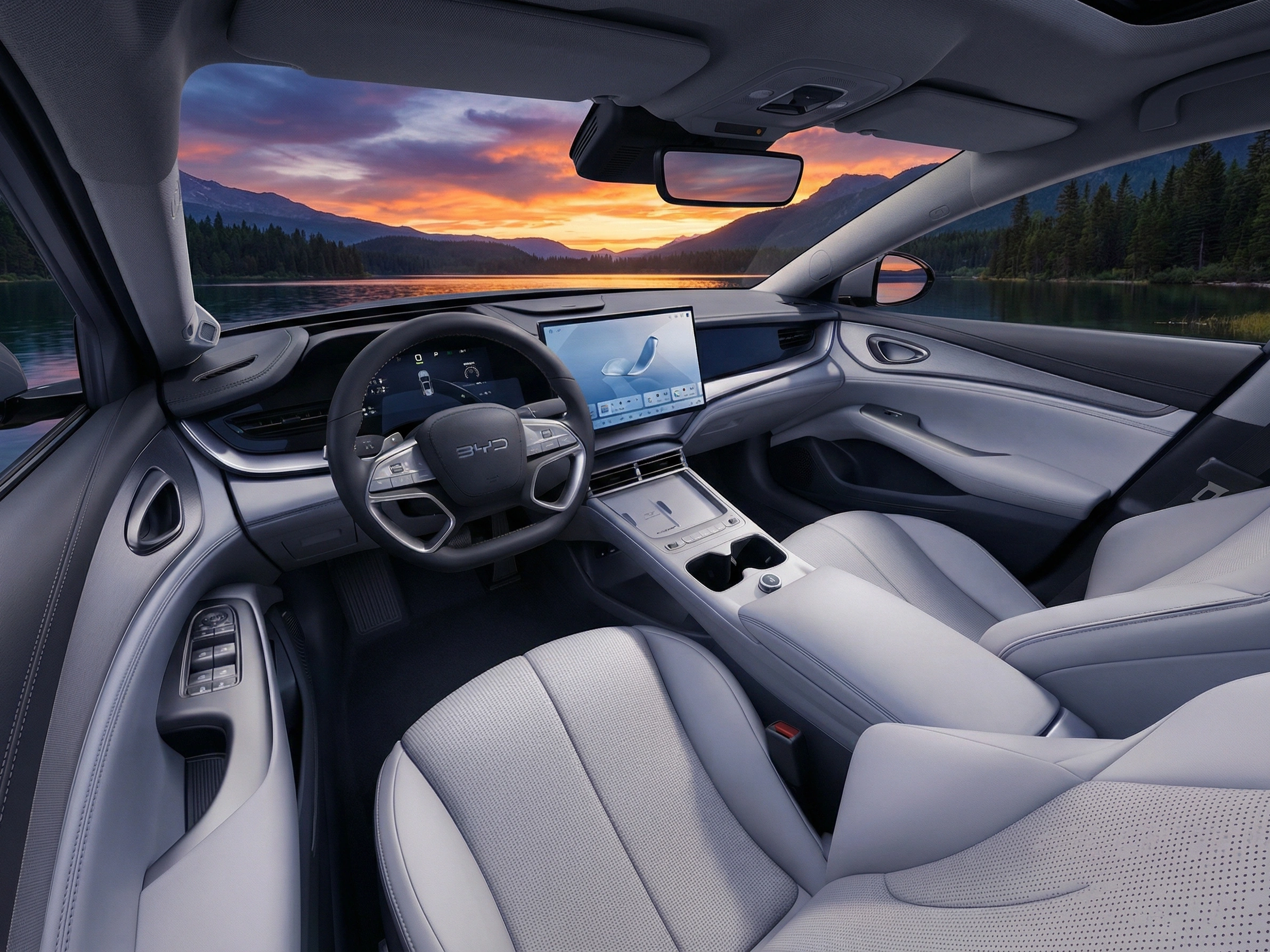
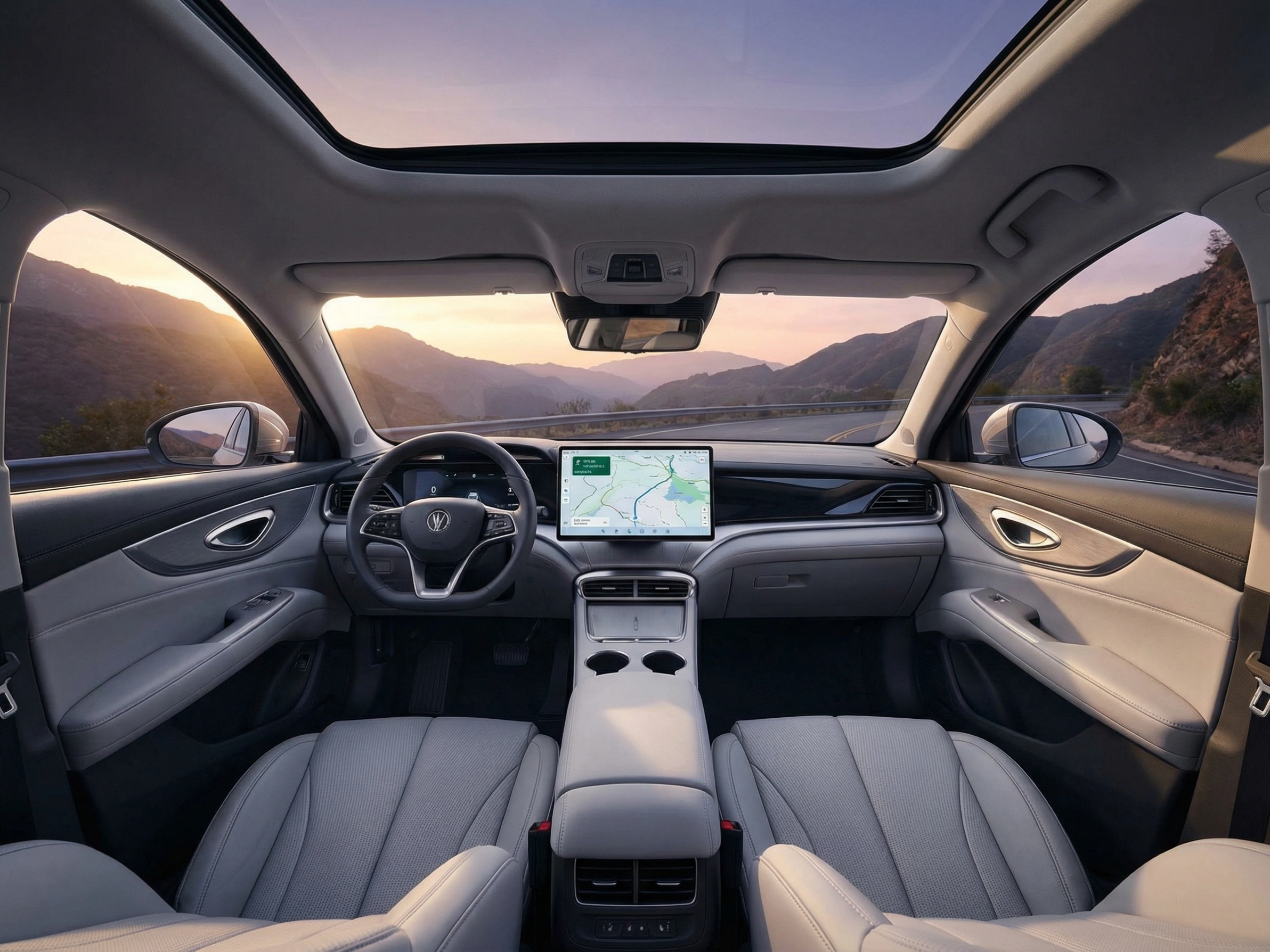
The cabin mirrors a high-tech setup with a 15.6-inch floating central touchscreen handling infotainment, navigation, and climate. A compact driver’s display shows essentials, while the center console retains physical buttons and a crystal rotary knob for safe operation. Wireless charging and cupholders enhance usability.
A roof-mounted LiDAR sensor signals advanced autonomy via the expected God’s Eye 5.0 system, upgrading from DiPilot 300 in hybrids. This could enable lane-keeping, crash avoidance, and more, though full details await the March 5 event. Such tech positions it against rivals with maturing ADAS suites.
Performance and Range Potential
With 322 hp from the rear motor, the Seal 07 EV promises quick acceleration, though 0-100 km/h times are not yet disclosed. Its RWD layout aids handling, and the e-Platform 3.0 Evo improves packaging for better space and efficiency over prior generations. CLTC range of 705 km suits highway use in China, but buyers in WLTP markets should expect lower figures—still competitive for the battery size.
Unanswered questions include charging speeds, acceleration benchmarks, and exact ADAS capabilities. Regulatory filings confirm specs, but independent tests are needed to validate claims.
Competitor Comparison
The Seal 07 EV targets the Tesla Model 3 Long Range RWD (750 km NEDC range, 12.5 kWh/100 km consumption) with similar power but superior CLTC efficiency. Against the Hyundai Ioniq 6 (up to 614 km WLTP), it offers more range potential at potentially lower cost. The Polestar 2 Long Range Single Motor (655 km WLTP) matches size but trails in claimed range. BYD’s Blade battery edge provides safety advantages over NMC packs in rivals.
| Model | Power | Battery | Range (Primary Cycle) | Consumption |
|---|---|---|---|---|
| BYD Seal 07 EV | 240 kW | 69.07 kWh | 705 km (CLTC) | 10.8 kWh/100 km |
| Tesla Model 3 LR RWD | 194 kW | 75 kWh | 750 km (NEDC) | 12.5 kWh/100 km |
| Hyundai Ioniq 6 LR | 168 kW | 77.4 kWh | 614 km (WLTP) | 14.2 kWh/100 km |
Verdict
The 2026 BYD Seal 07 EV excels on paper with 705 km CLTC range, efficient powertrain, and LiDAR-equipped ADAS, making it a strong contender for buyers seeking spacious, tech-rich EVs under premium pricing. It’s ideal for families needing Camry-like room with EV benefits, especially in China initially. Western markets await confirmation on pricing, WLTP range, and availability—watch the March 5 event for clarity. Critical gaps like real-world testing and acceleration data temper enthusiasm, but BYD’s track record suggests a viable Tesla rival.