
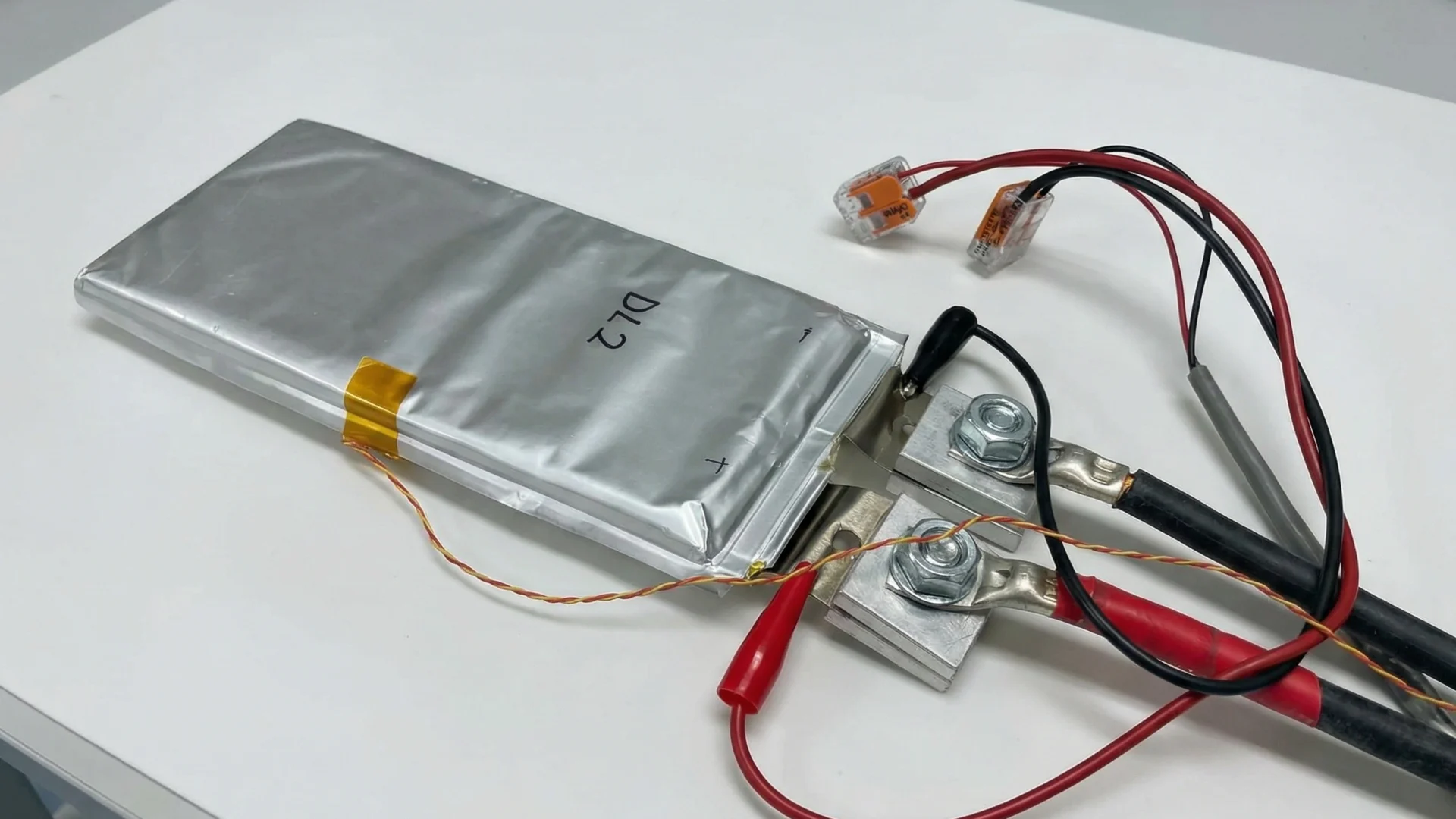
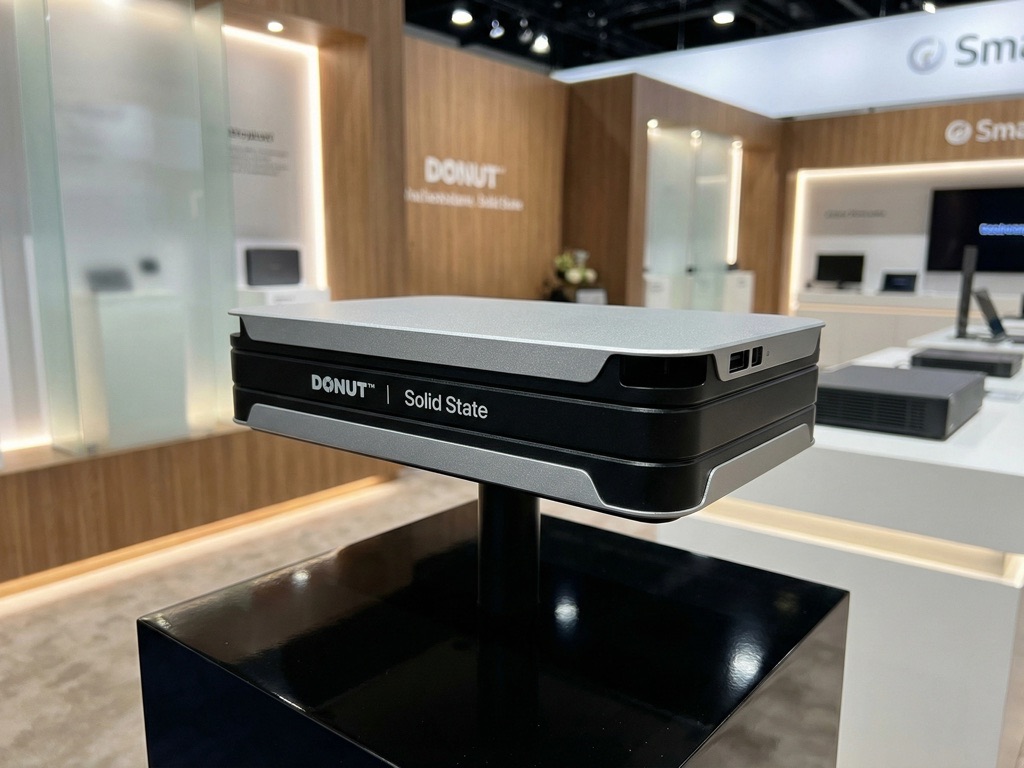
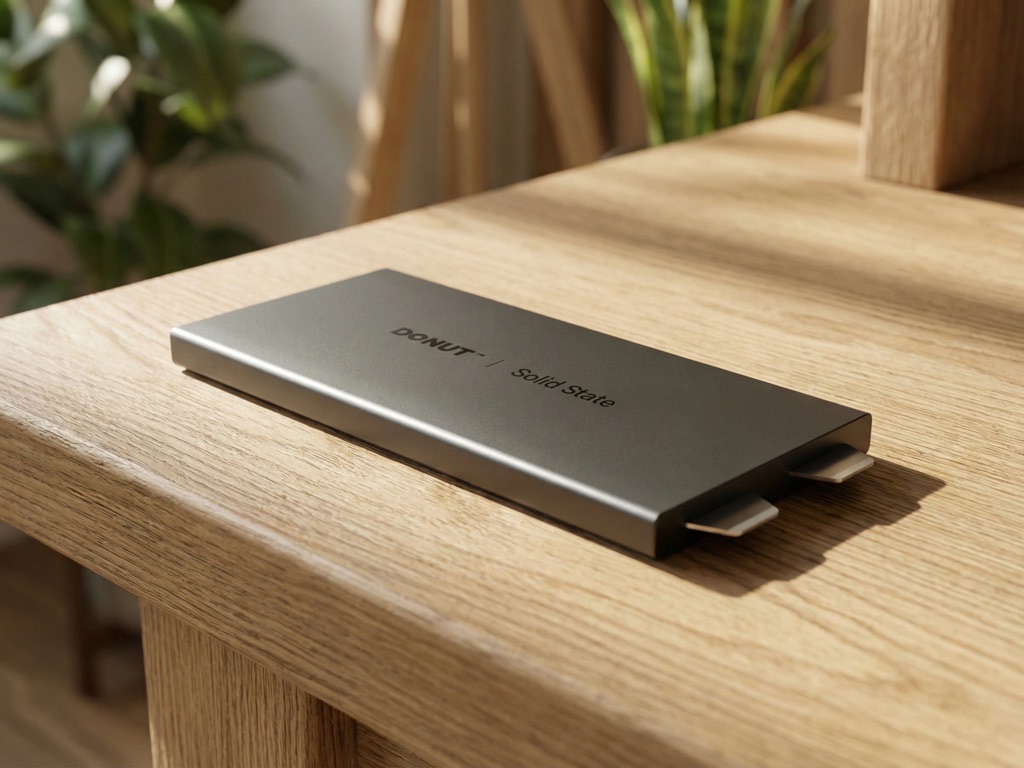
Donut Lab’s Donut Solid State Battery V1 prototype achieved 27.5 Ah discharge capacity at 176°F (80°C), surpassing its 24.9 Ah room-temperature baseline by 10.5%. Independent tests by Finland’s VTT Technical Research Centre also verified 0-80% charging in 4.5 minutes at 11C rates without active cooling. For electric motorcycle makers like Verge Motorcycles, this promises packs that handle extreme heat and charge in minutes, potentially slashing range anxiety and weight.
BackgrouDonut Lab's Rapid RiseRise
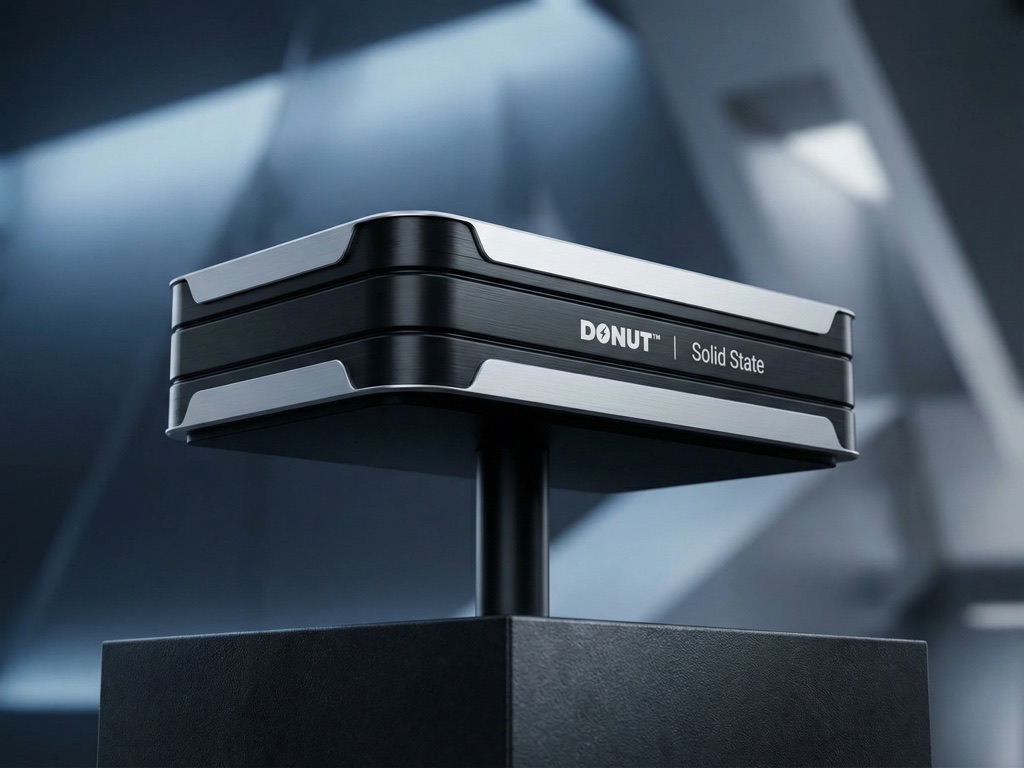
Donut Lab, a Finnish technology company, emerged in early 2026 with bold claims for its all-solid-state battery, dubbed the Donut Battery. Partnering with VTT Technical Research Centre of Finland, the firm has released weekly independent test reports under its “I Don’t Believe” campaign to counter skepticism. CEO Marko Lehtimäki aims to integrate cells Verge Motorcycles by the end of March 2026 2026, positioning Donut Lab ahead of giants like Toyota and Samsung, who target solid-state production in 2027.
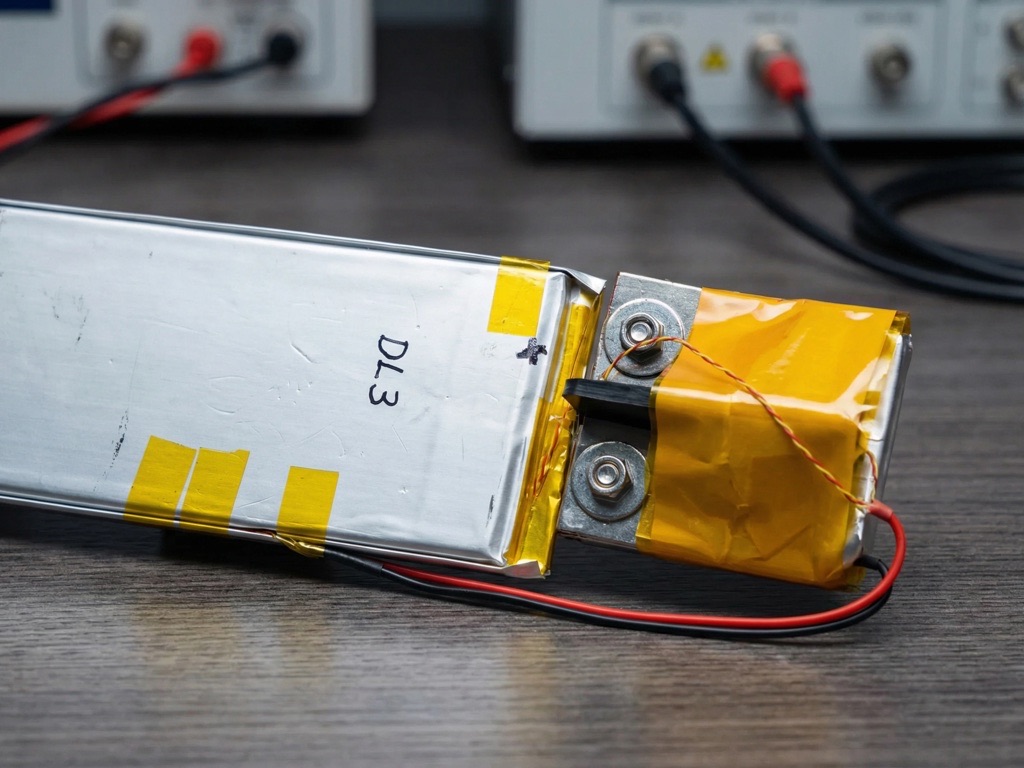
The company’s focus is on serially producible cells using “green and abundant materials” for lower costs than lithium-ion. While production readiness is claimed, key metrics like energy density and cycle life await full independent verification. VTT’s tests cover a 94 Wh, 26 Ah pouch cell at 3.6 V nominal, simulating real-world extremes without active cooling.
Key Specifications
| Specification | Value | Notes |
|---|---|---|
| Nominal Capacity | 26 Ah | VTT-confirmed |
| Nominal Energy | 94 Wh | At 3.6 V |
| Claimed Energy Density | 400 Wh/kg | Unverified by VTT; cell weight pending |
| Room Temp (20°C) Discharge | 24.9 Ah | 1C rate baseline |
| 176°F (80°C) Discharge | 27.5 Ah | 110.5% of baseline |
| 212°F (100°C) Discharge | 27.6 Ah | Pouch bloated but functional |
| Charging: 0-80% at 11C | 4.5 minutes | No active cooling; temp to 89°C |
| Full Charge at 11C | 7 minutes | 98.4-99.6% capacity retained post-charge |
| Cold Performance (-30°C) | >99% capacity | Donut Lab claim; VTT test pending |
| Claimed Cycle Life | 100,000 cycles | Unverified; testing would take years |
High-Temperature Performance: Thriving in Heat
VTT’s second report tested the cell’s discharge at elevated temperatures. At 20°C, it delivered 24.9 Ah. At 80°C, capacity rose to 27.5 Ah – an unexpected gain attributed to enhanced ion mobility in the solid-state electrolyte. At 100°C, it hit 27.6 Ah, though the pouch swelled from gas, losing vacuum but recharging normally afterward. No ignition or degradation occurred, unlike lithium-ion cells that risk thermal runaway above 60°C.
This resilience suits electric motorcycles in hot climates or high-load scenarios like track use, where batteries often overheat. Peak charge temps reached 89°C (192°F) during 11C tests, yet capacity retention post-discharge was 98.4-99.6%.
 Cars
Cars
Ian Callum’s Radical Electric Dune Buggy: The Callum Skye
An Off-Road Electric Beast from the Designer of Iconic Jaguars and Aston Martins You know Ian Callum as the design...
 Cars
Cars
2026 BYD Sealion 06 Gets More Power and Up to 710 km of Range
BYD continues its rapid product evolution with a heavily upgraded 2026 Sealion 06, giving the popular electric SUV significantly more...
 Cars
Cars
Tesla Model Y Ranked the Most Unreliable Car in Germany — TÜV Report 2025
Germany’s TÜV technical inspection authority has released its 2025 reliability report — and the Tesla Model Y has been ranked...
Charging Speed and Thermal Stability
The first VTT report confirmed ultrafast charging: 5C (130 A) reached 80% in 9.5 minutes, full in 12 minutes with 100% usable capacity. At 11C (286 A), 0-80% took 4.5 minutes, full charge 7 minutes (438 seconds). These rates far exceed the typical 1-3C for lithium-ion with cooling.
Donut Lab CTO Ville Piippo notes no need for high compression or extensive cooling, simplifying packs. Cold tests claim >99% capacity at -30°C, vital for winter riding, though VTT’s high-heat report omitted this.
Unanswered Questions: Density, Cycles, and Scaling
Donut Lab’s 400 Wh/kg claim implies a 0.235 kg cell for 94 Wh, enabling lighter EV packs for 20-30% range gains. VTT has not weighed it, leaving verification pending. 100,000-cycle life dwarfs current 5,000-cycle leaders, but long-term testing is impractical now. Cost below lithium-ion via abundant materials is unproven without analysis. Pack-level scaling for motorcycles remains untested – single-cell results don’t guarantee modules.
Comparison with Competitors
| Battery | Energy Density (Wh/kg) | Charge Time (0-80%) | Temp Tolerance | Cycle Life |
|---|---|---|---|---|
| Donut Lab (claimed) | 400 | 4.5 min (11C) | >100°C stable | 100,000 (claimed) |
| WeLion (current best) | ~300 | ~15 min (3C) | 60°C max | ~5,000 |
| Toyota Solid-State (2027) | ~350 (target) | 10 min (target) | Standard Li-ion limits | ~10,000 (target) |
Donut Lab outpaces WeLion in density and speed if verified, while Toyota lags in timeline. Verge integration could beat both to market.
Verdict
VTT tests validate Donut Lab’s heat tolerance and charging claims, marking a credible step for solid-state in motorcycles – ideal for performance bikes needing quick top-ups and heat resistance. Skeptics await density weighing, cycle data, and Verge deployment; failures here could undermine hype. For EV makers, it’s a high-upside bet if scaled.