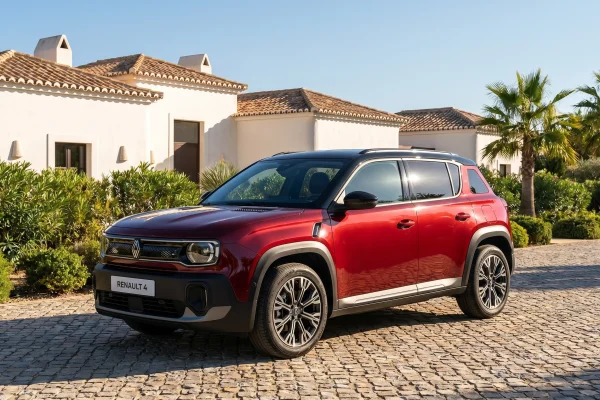

Kia is preparing a major facelift for its EV5 midsize electric SUV, featuring a rugged exterior inspired by the EV5 WKNDR Concept, a complete interior overhaul with Hyundai’s Pleos infotainment system, and a potential upgrade from 400V to 800V architecture for faster charging. Spotted in Korea in early 2026, this refresh addresses key weaknesses like charging speed, just as the EV5 expands globally, positioning it to challenge the Tesla Model Y and BYD Sealion 7 more effectively. For EV buyers seeking family-friendly space with improved tech, these updates could make the EV5 a stronger contender by early 2027.
Background: Kia’s Push in the Midsize EV SUV Segment
The Kia EV5 launched in China in August 2023 as a direct rival to the Tesla Model Y, quickly becoming a top seller there and a cornerstonKia's EV resurgencegence. It made its global debut in late 2025, with rollouts in Europe, Korea, Canada, Australia, and the UK following in 2026. Measuring 4,610 mm long, 1,875 mm wide, and 1,675 mm tall with a 2,750 mm wheelbase, it offers best-in-class rear legroom of 1,041 mm, surpassing the Kia Sportage by 10 mm in width, 70 mm in length, and 30 mm in height.
Priced from £39,295 in the UK, it comes with 60.3 kWh or 81.4 kWh batteries, delivering WLTP ranges of 400 km (248 miles) or 530 km (329 miles). Built on a cost-optimized 400V architecture rather than Kia’s typical 800V E-GMP platform, the current model maxes out at 140 kW charging, taking about 38 minutes for 10-80%. Kia Australia highlights features like up to 555 km WLTP range, integrated panoramic displays, and massage seats on higher trims. Now, with prototypes spotted on car carriers in Korea, Kia is accelerating updates to shed its ‘budget EV’ image amid fierce competition.
Key Specifications
| Feature | Current EV5 (2026) | Expected Facelift (2027) |
|---|---|---|
| Dimensions (L/W/H/WB) | 4,610 / 1,875 / 1,675 mm / 2,750 mm | Unchanged (details not yet confirmed) |
| Battery Options | 60.3 kWh / 81.4 kWh | Similarly, efficiency upgrades are expected |
| Range (WLTP) | 400-555 km | Potentially improved |
| System Voltage | 400V | 800V upgrade likely |
| Max Charging Rate | 140 kW | Significantly higher (details not yet confirmed) |
| 10-80% Charge Time | ~38 min | Reduced (details not yet confirmed) |
| Infotainment | Standard dual screens | Pleos panoramic display to the passenger side |
| UK Starting Price | £39,295 | TBD |
Exterior and Interior Redesign Details
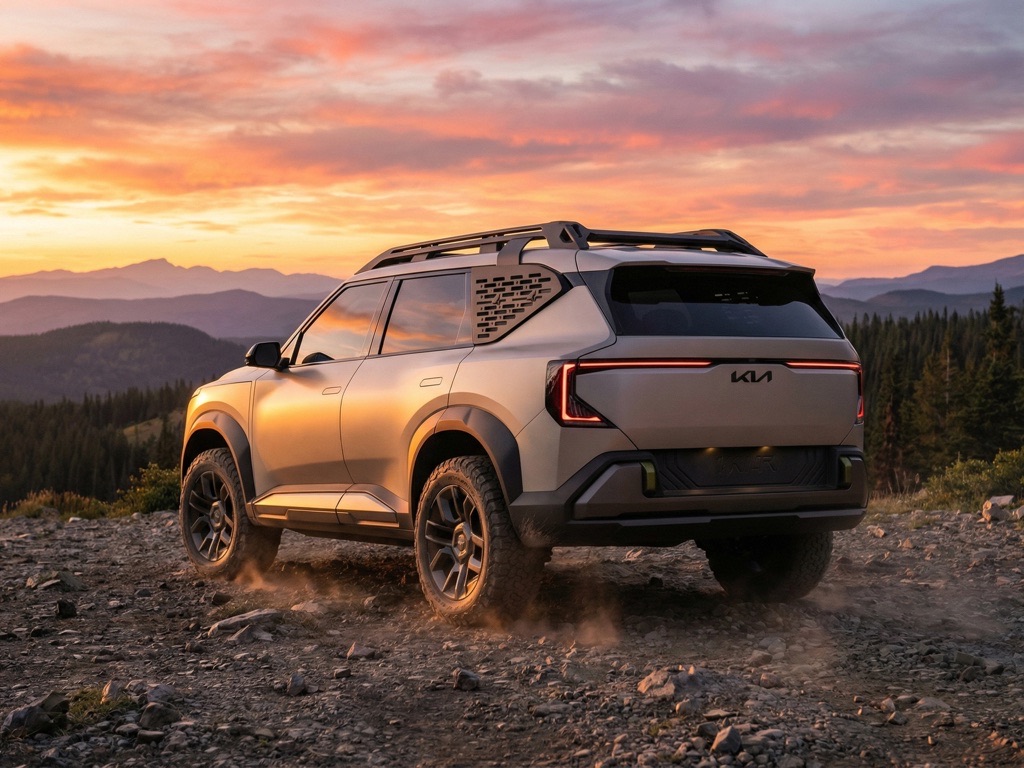
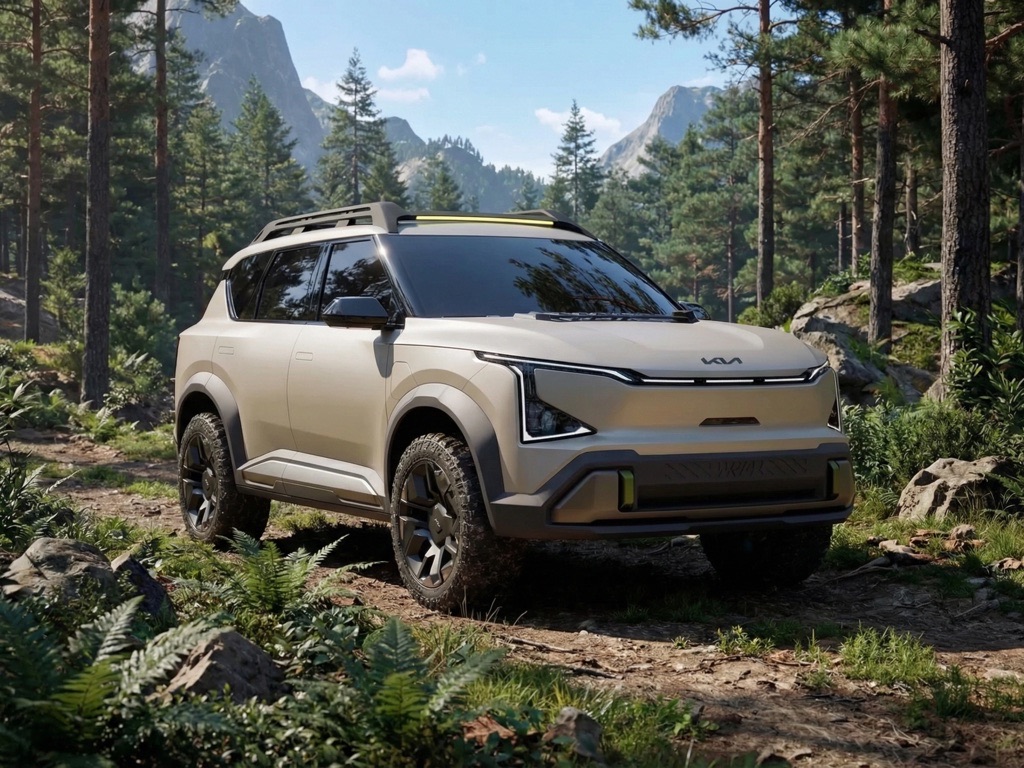
Spy shots reveal a tougher, more aggressive front with Kia’s three-prong headlights from the K4 and EV3, plus a wider bumper echoing the EV5 WKNDR (or Weekender) Concept shown at the 2025 Guangzhou Auto Show. The rear features a full bumper redesign and rugged new wheels for an off-road vibe. These changes build on the current model’s sharp styling while adding adventure appeal.
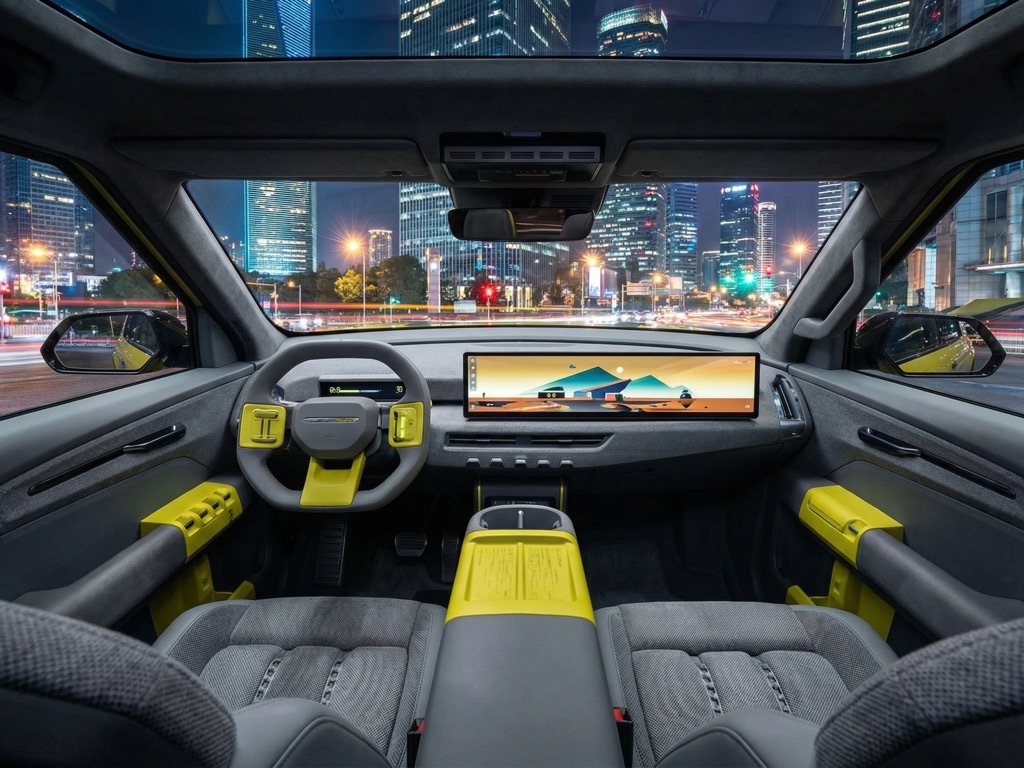
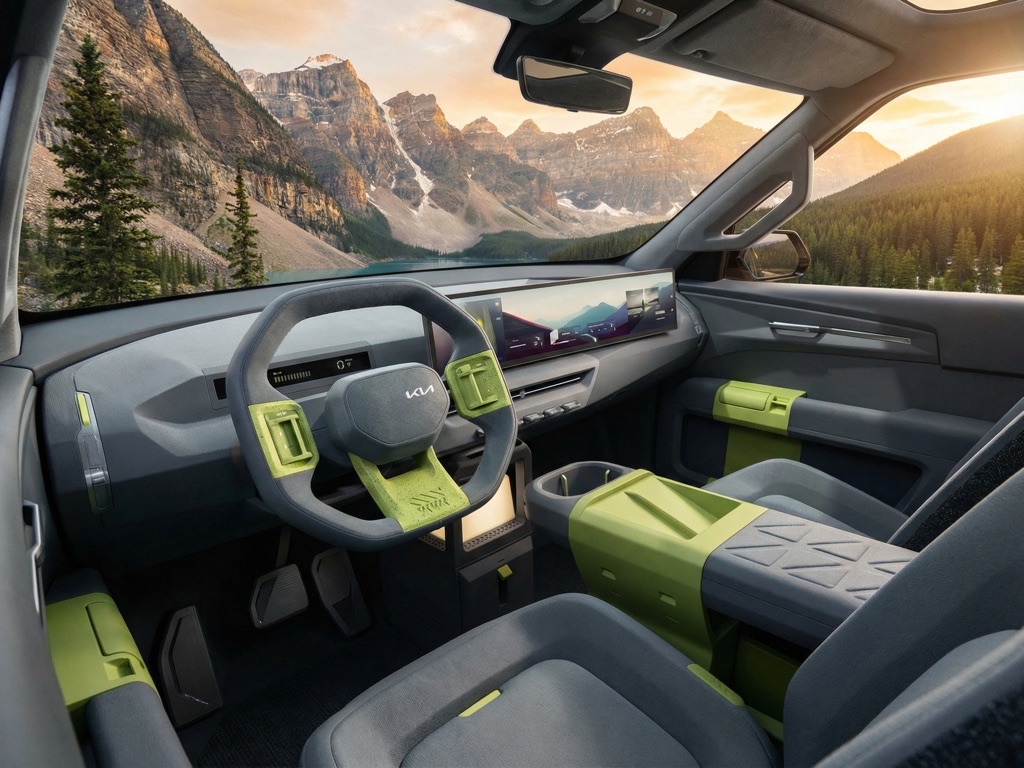
Inside, the highlight is Hyundai’s Pleos system: a seamless panoramic display spanning from behind the steering wheel to the passenger side, with a small driver cluster and potentially a dedicated passenger screen (possibly China-only). The instrument display sits lower atop the dashboard, and a redesigned ergonomic steering wheel and center console promise better storage and utility, directly inspired by the WKNDR’s lounge-like cabin. Kia Australia confirms 2026 updates include steering, rear suspension, and tuning tweaks for better ride and handling.
 News
News
BH Atom+ NX SUV Delivers 195 km Range with Bosch Performance Line CX Motor
BH Bikes has launched the Atom+ NX SUV, an upgraded urban e-bike boasting a Bosch Performance Line CX motor with...
 Cars
Cars
Amazon Deploys Over 30,000 Rivian EDVs: Fleet Grows by 10,000 Units in One Year
Amazon now operates more than 30,000 Rivian Electric Delivery Vans (EDVs), up roughly 10,000 from the previous year. This milestone...
 News
News
Askmy E500: 1000W Motor, 45km Range, $639 Budget Fat-Tire E-Bike Tackles 35° Hills
Budget E-Bike Combines Commute Practicality with Off-Road Capability The Askmy E500 is a budget-focused fat-tire electric bike designed to bridge...
Performance and Tech Upgrades
The 400V system’s slow charging has been a noted flaw; sources indicate a focus on upgrading to 800V for faster rates, aligning with Kia’s premium EVs and cutting 10-80% times below 38 minutes. Power outputs on current GT-Line reach 230 kW and 480 Nm. Additional tech like Head-Up Display, V2L, and advanced driver aids (AEB with junction crossing, blind-spot monitoring) carry over, enhanced by Pleos OS.
These moves reflect Kia’s strategy to evolve beyond low-cost efficiency into a tech-loaded contender. However, specifics on battery capacity, exact charging speeds, power figures, and global availability remain unconfirmed pending official reveals.
Comparison with Competitors
| Model | Starting Price (UK equiv.) | Range (WLTP) | Charging (Max DC) | Key Edge |
|---|---|---|---|---|
| Kia EV5 (Current) | £39,295 | Up to 530 km | 140 kW | Superior rear space (1,041 mm legroom) |
| Tesla Model Y | ~£45,000 | Up to 533 km | 250 kW | Superior charging, autopilot |
| BYD Sealion 7 | ~£40,000 | Up to 550 km | ~150 kW | Aggressive pricing, rapid global expansion |
| Hyundai Ioniq 5 | ~£42,000 | Up to 485 km | 350 kW (800V) | Faster charging benchmark |
The facelifted EV5 could close the charging gap with Tesla and Hyundai while undercutting on price and space, though BYD’s value remains a threat.
Verdict
This EV5 facelift addresses real-world pain points like charging and interior tech smartly, making it a more compelling family EV SUV for 2027. It’s ideal for buyers prioritizing space (best-in-class legroom) and value over outright performance, especially in Europe and Australia, where it’s already gaining traction. Unanswered questions linger on exact 800V specs, passenger screen availability outside China, and pricing impacts—watch for prototypes and official specs soon. Kia owners get a seven-year warranty, boosting long-term appeal, but rivals like Tesla’s ecosystem edge persist.