TL;DR — The Real Answer
Fast charging does not destroy your EV battery.
But heavy, daily DC fast charging can increase long-term degradation compared to regular slow AC charging.
For most drivUse slow charging for daily use daily use
If you remember one thing:
Charging habits matter more than charging speed.
💡 Quick Tip: The healthiest daily range is 20–80% state of charge (SOC).
Why Trust This Guide
This guide is based on:
- Real-world fleet degradation data
- Manufacturer recommendations from Tesla, BYD, Hyundai, and BMW
- Battery engineering principles used in lithium-ion and LFP chemistry
- Thermal management research in modern EV platforms
No myths. No fear-based advice. Just physics and data.
Introduction: Why This Question Matters in 2026
DC fast chargers are everywhere now.
150kW is standard. 250–350kW is common.
Road trips are easy. Charging takes 15–25 minutes.
So naturally, drivers ask:
If fast charging is so powerful — is it silently killing my battery?
Battery replacement can cost $10,000–$20,000.
Range loss affects resale value.
This guide explains the real difference — with numbers.
Key Facts at a Glance
- Best for battery longevity: Slow AC charging
- Best for convenience: DC fast charging
- Cost difference: Fast charging can cost 2–3× more
- Real degradation difference: ~3–8% over 150,000 miles
- Expert verdict: Strategic mix wins
How Fast Charging vs Slow Charging Works (Simple but Technical)
Slow Charging (AC Charging)
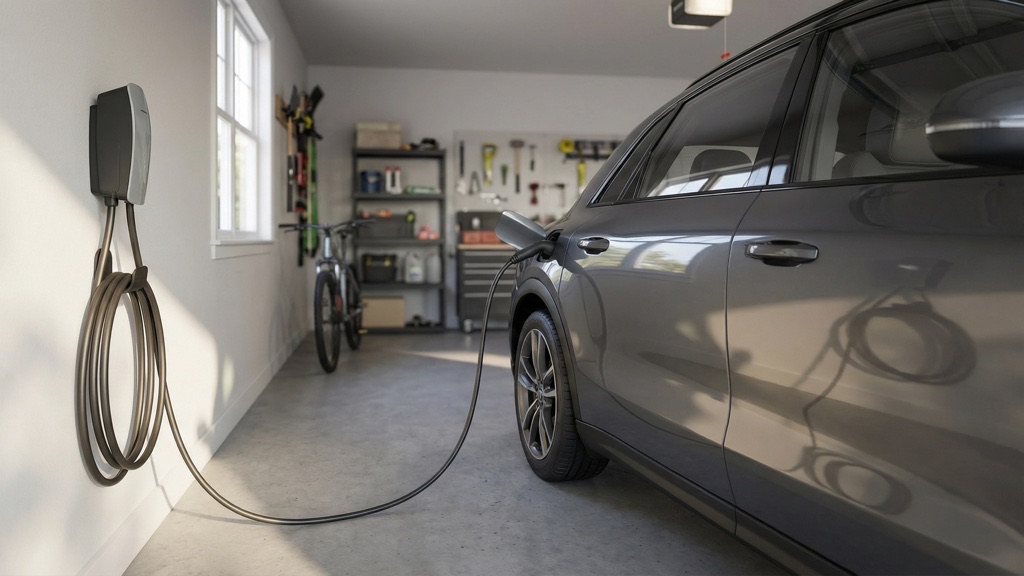
Power: 3–11 kW
Typical C-rate: 0.2C–0.5C
AC charging sends alternating current to the car.
The onboard charger converts it to DC before feeding the battery.
This process is gradual, stable, and generates less heat.
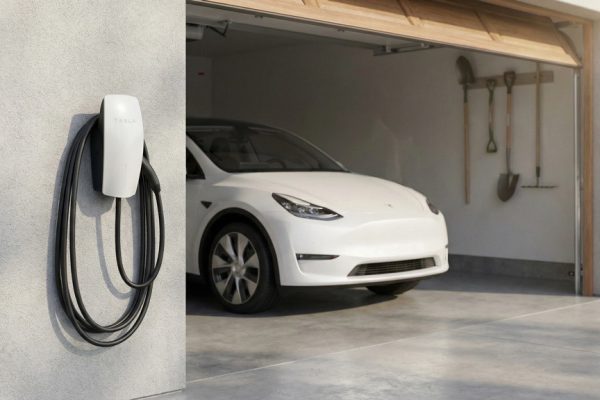
Most home Level 2 chargers fall into this category.
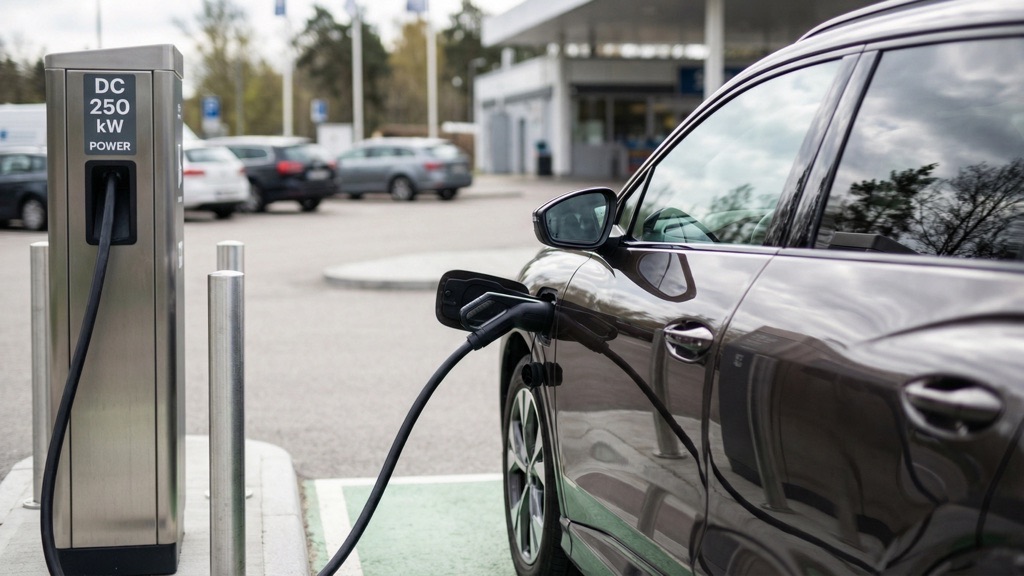
Fast Charging (DC Fast Charging)
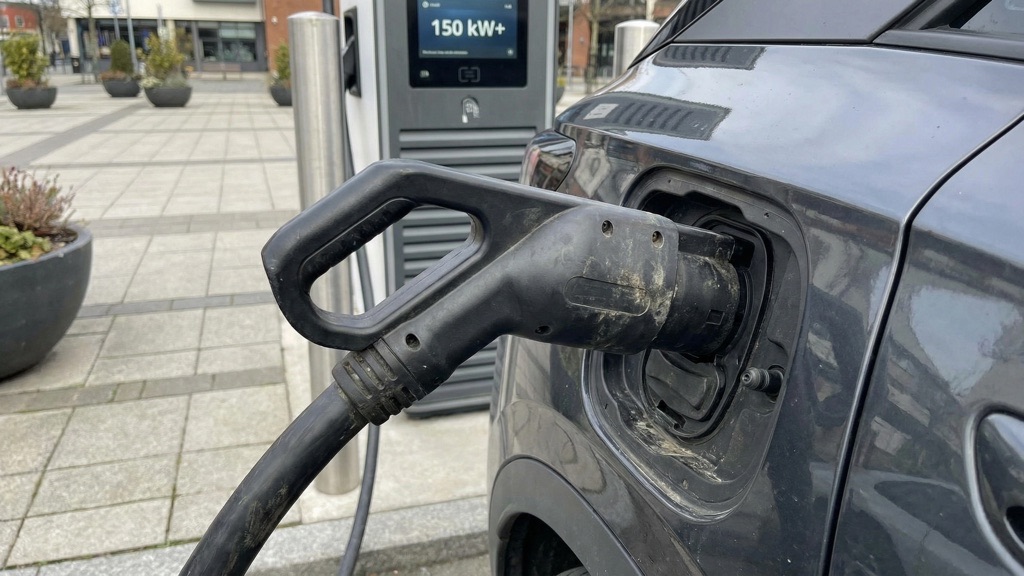
Power: 50–350 kW
Typical C-rate: 1.5C–3C
 Tips & Tricks
How to Prepare Your Electric Car for Winter: Everything You Need to Know (2026 Guide)
TL;DR / Quick Answer Winter reduces EV range and slows charging, but proper preparation can recover 15–30% of lost real-world...
 Tips & Tricks
What Happens at 0% Battery in an Electric Car? (2026 Guide)
TL;DR — Quick Answer When your electric car shows 0% battery, it is not empty. Most EVs keep a hidden...
 Tips & Tricks
Is Buying an Electric Car Worth It in 2026? Everything You Need to Know
TL;DR — Quick Answer Yes — buying an electric car in 2026 is worth it for most drivers, especially if...
DC fast charging bypasses the onboard converter and feeds direct current into the battery pack.
Higher power = higher heat = higher stress.
But modern EVs actively manage this through:
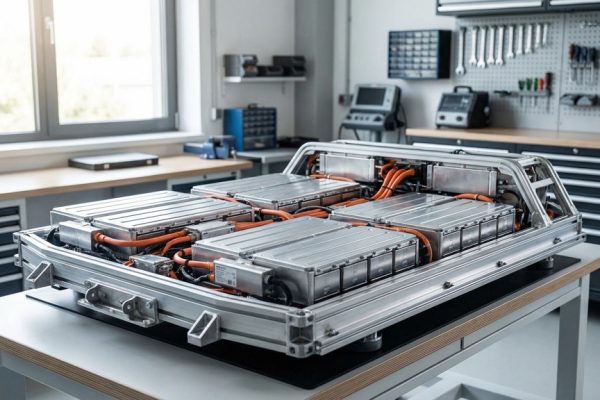
- Liquid cooling
- Charging curves
- Voltage control
- Battery management systems (BMS)
What Actually Causes Battery Degradation?
Speed alone is not the enemy.
Degradation accelerates when these combine:
- High temperature
- High state of charge (near 100%)
- High charging power
- Deep discharges (near 0%)
The worst combination?
Fast charging to 100% in hot weather.
📊 Real Degradation Data (Fleet Studies)
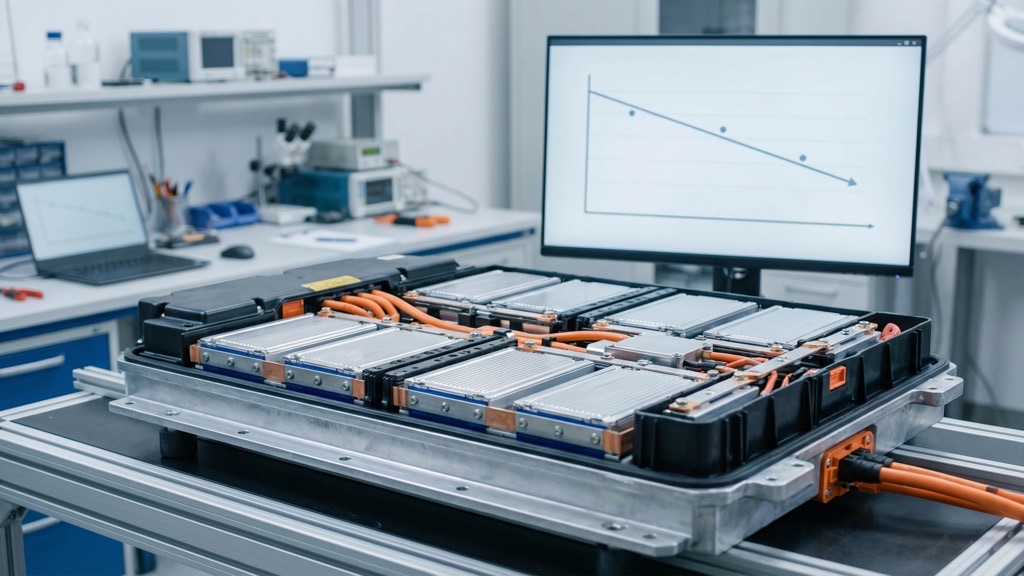
| Charging Pattern | Degradation @ 150,000 miles | Degradation @ 200,000 miles |
|---|---|---|
| 90% AC Charging | 8–12% | 12–15% |
| Mixed (30% DC) | 10–15% | 15–18% |
| Heavy DC (70%+) | 15–20% | 20–25% |
Important:
Even “heavy DC users” still retain 75–80% battery capacity after 200k miles.
That’s not failure. That’s aging.
📊 Heat & Stress Comparison
| Factor | Slow Charging | Fast Charging |
|---|---|---|
| Heat Generation | Low | Moderate–High |
| Thermal Cooling Use | Rare | Frequent |
| Lithium Plating Risk | Minimal | Higher (cold battery) |
| Best SOC Range | 20–90% | 10–80% |
| Long-Term Stress Level | Low | Moderate |
The key variable is thermal management quality, not just charging speed.
💰 Cost Comparison (2026 Realistic Averages)
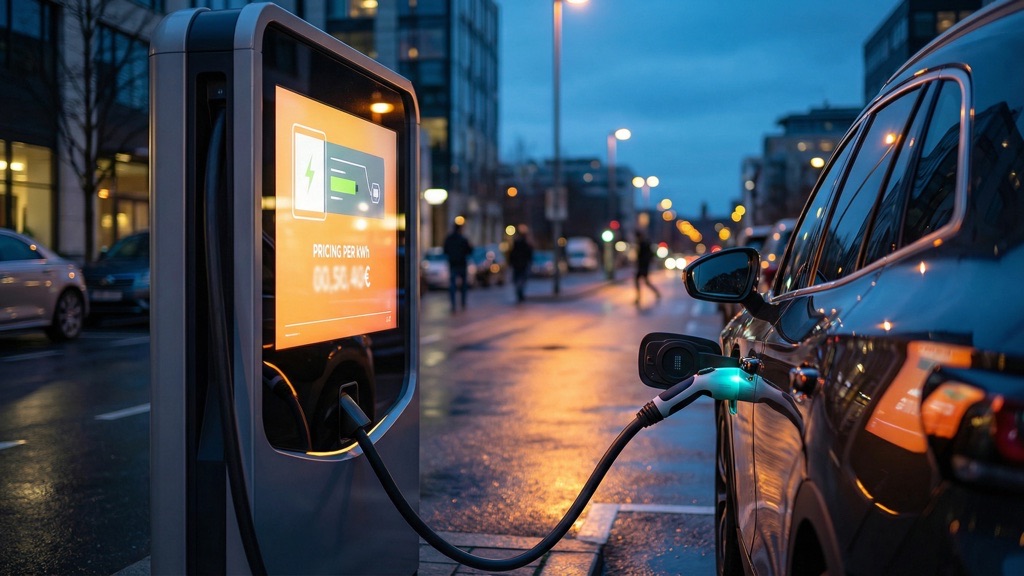
| Charging Type | Avg Cost per kWh | Cost per 100 miles |
|---|---|---|
| Home AC | $0.12–0.18 | $3–5 |
| Public AC | $0.20–0.30 | $5–7 |
| DC Fast Charging | $0.35–0.60 | $9–15 |
Fast charging is convenient — but financially expensive.
Over 5 years, heavy reliance on DC can add thousands to charging costs.
Real-World Driver Scenarios (Retention Booster)
Let’s model three real drivers.
Driver A — Suburban Homeowner
- 90% home AC
- 10% DC road trips
Expected 8-year degradation: ~10–12%
Driver B — Apartment Dweller
- 60% AC
- 40% DC
Expected 8-year degradation: ~14–16%
Driver C — Delivery Driver
- 80% DC
Expected 8-year degradation: ~18–22%
Even the most aggressive case keeps the battery usable for many years.
Manufacturer Recommendations (Expanded)
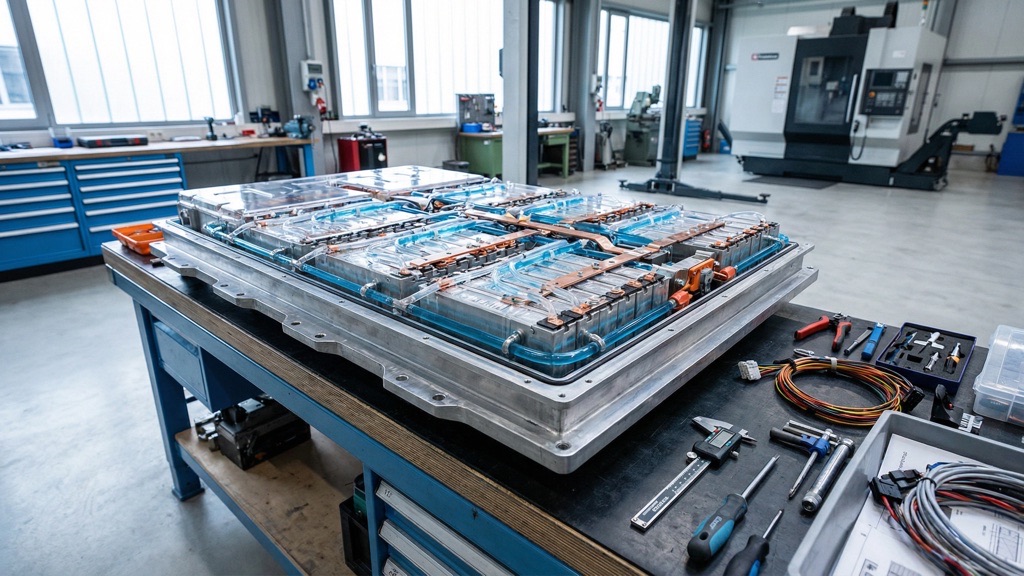
Tesla
- Daily limit: 80–90%
- Supercharging is safe, but not a primary daily method
- Fleet data shows ~10% loss at 200,000+ miles with mixed usage
BYD (LFP)
- 100% daily charging acceptable
- Less sensitive to high SOC
- Still benefits from moderate DC use
Hyundai / BMW
- 800V systems reduce charging time
- Advanced liquid cooling
- Designed for high-speed charging without excessive stress
Fast Charging vs Slow Charging — Deep Comparison
| Parameter | Slow Charging | Fast Charging |
|---|---|---|
| Power | 3–11 kW | 50–350 kW |
| Time (10–80%) | 4–8 hours | 15–35 min |
| Battery Stress | Low | Moderate |
| Cost | Low | High |
| Best For | Daily charging | Road trips |
| Degradation Risk | Lowest | Slightly higher |
| Warranty Impact | None | None (within limits) |
Common Mistakes That Accelerate Wear
- Charging to 100% daily “just in case”
- Fast charging multiple times per week is unnecessary
- Charging immediately after aggressive driving
- Fast charging without battery preconditioning in winter
- Leavingthe battery at 100% for days
Charging behavior is more important than charger type.
Winter vs Summer Effects
Cold battery + high power → lithium plating risk.
Hot battery + high SOC → accelerated aging.
Modern EVs precondition automatically before DC charging.
Battery Warranty Reality Check
Most manufacturers guarantee:
- 8 years
- 100,000–150,000 miles
- Minimum 70% capacity retention
If fast charging truly destroyed batteries, warranties would exclude it.
They don’t.
Because vehicles are engineered for it.
Who Should Prioritize Slow Charging?
✔ Daily commuters
✔ Homeowners
✔ Long-term owners (8–12 years)
✔ Those optimizing resale value
Who Can Use Fast Charging Often?
✔ Ride-share drivers
✔ Frequent travelers
✔ Apartment dwellers
✔ Delivery services
Just avoid daily 100% DC charging.
Future Outlook (2026–2030)
- Improved NMC cathodes
- Better LFP energy density
- Smarter AI charging curves
- More efficient cooling
The degradation gap between fast and slow charging will shrink further.
Final Verdict: What’s Actually Better?
Slow charging wins for longevity.
Fast charging wins for convenience.
The smartest strategy:
Slow charge most of the time. Fast charge when needed. Avoid extremes.
You don’t need to fear fast charging.
You just need to use it intelligently.
Summary
- Best overall strategy: 80% slow, 20% fast
- Biggest risk: Frequent DC to 100%
- Cost impact: Fast charging costs 2–3× more
- Expert takeaway: Thermal stress matters more than speed
Frequently Asked Questions
Does fast charging ruin EV batteries?
No. It slightly increases wear only with heavy, long-term use.
How often is it safe to fast charge?
Occasionally or weekly is fine. Daily long-term reliance increases degradation.
Is Level 2 charging safest?
Yes. It offers the best balance of speed and longevity.
Is it bad to charge to 100%?
Occasionally no. Daily 100% charging increases stress (except for some LFP packs).
Does fast charging void the warranty?
No. All major manufacturers design for DC charging within limits.
What matters more: charging speed or temperature?
Temperature and high SOC combined with speed matter most.