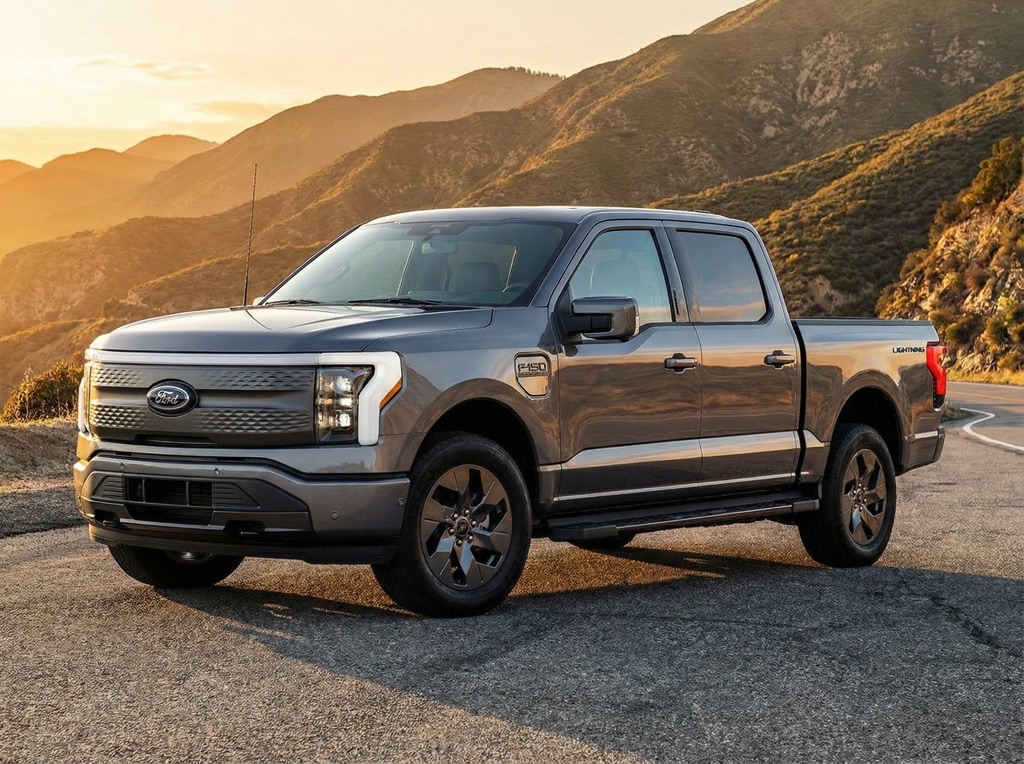

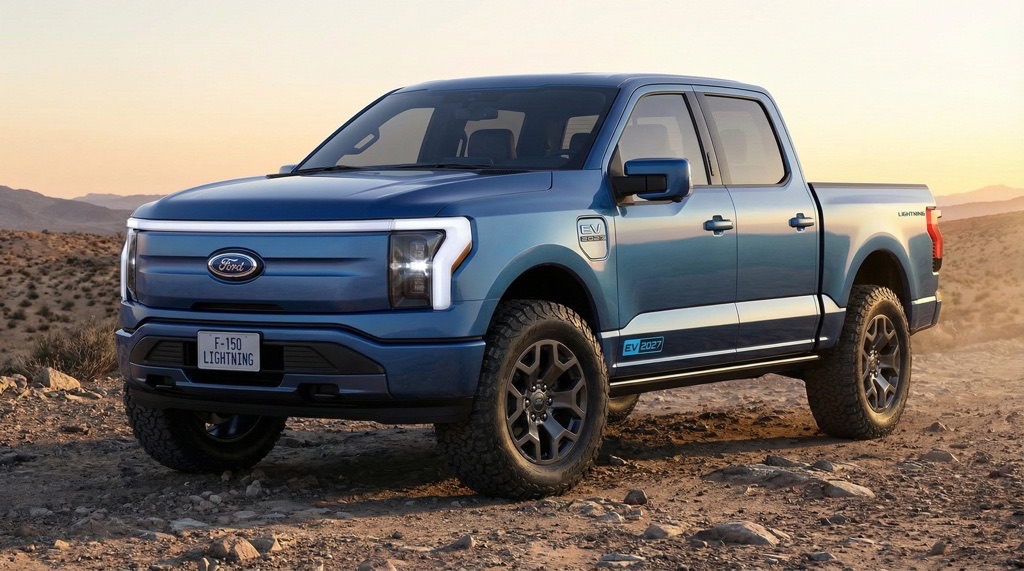
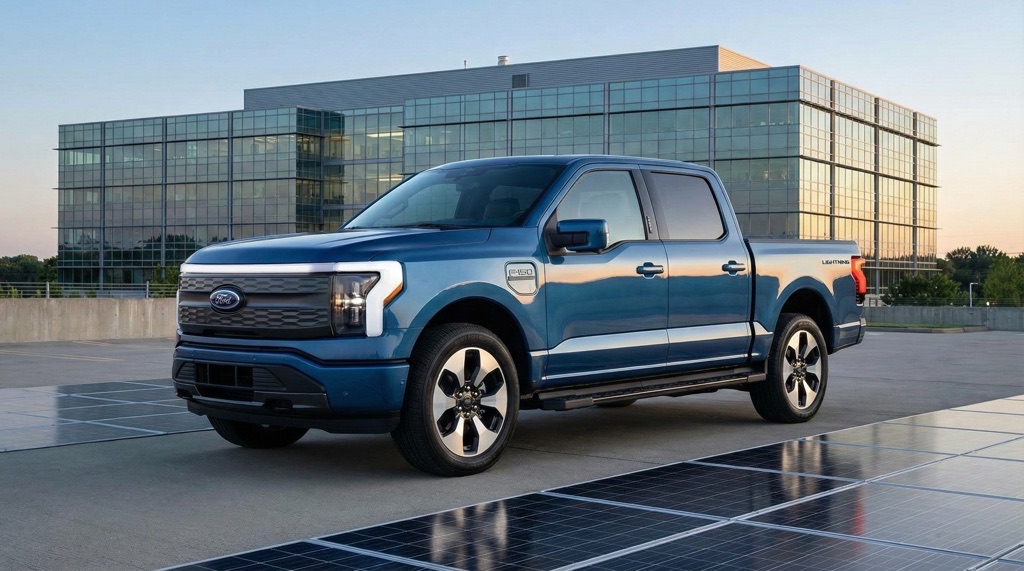
Ford has unveiled plans for a midsize electric pickup truck launching in 2027 with a starting price of $30,000, featuring a 51 kWh lithium-iron-phosphate (LFP) battery and acceleration to 100 km/h in under 4.5 seconds. This vehicle targets everyday truck users who prioritize affordability and urban utility over long-haul capabilities, using a smaller battery informed by owner data showing limited need for heavy towing or extended range. EV buyers stand to gain a practical, lower-cost alternative to full-size models like the F-150 Lightning, which starts over $50,000 with a 123 kWh pack.
Background
Ford, a pioneer in electric trucks with the F-150 Lightning, is expanding its EV lineup to recapture market share in the midsize segment amid slowing full-size EV sales. CEO Jim Farley announced the project on February 5, 2026, via X, highlighting a new Universal EV Platform designed for cost efficiency. The company is investing $5 billion total: $2 billion to expand its Louisville, Kentucky, assembly plant and $3 billion for the BlueOval Battery Park in Marshall, Michigan, to produce LFP batteries starting 2026. These moves will create 4,000 jobs and enable U.S.-made prismatic LFP cells, free of cobalt and nickel.
The platform draws from Ford’s assembly innovations, replacing the traditional line with an ‘assembly tree’—three parallel sub-assemblies (front, rear, battery/interior) that converge, cutting parts by 20%, fasteners by 25%, workstations by 40%, and boosting speed by 15% net. This midsizer fills a gap left by the gas-powered Maverick, aiming for Model T-like affordability adjusted for inflation.
Key Specifications
| Specification | Details |
|---|---|
| Starting Price | $30,000 |
| Battery | 51 kWh LFP (prismatic) |
| Architecture | 400-volt |
| 0-100 km/h (0-60 mph) | <4.5 seconds |
| Drivetrain | RWD or AWD at launch |
| Driver Assistance | BlueCruise |
| Cabin Space | Roomier than the Toyota RAV4 |
| Size | Midsize (similar to Maverick/Ranger) |
| Features | Four doors, frunk, bed |
| Production Start | 2027, Louisville, KY |
Performance and Efficiency
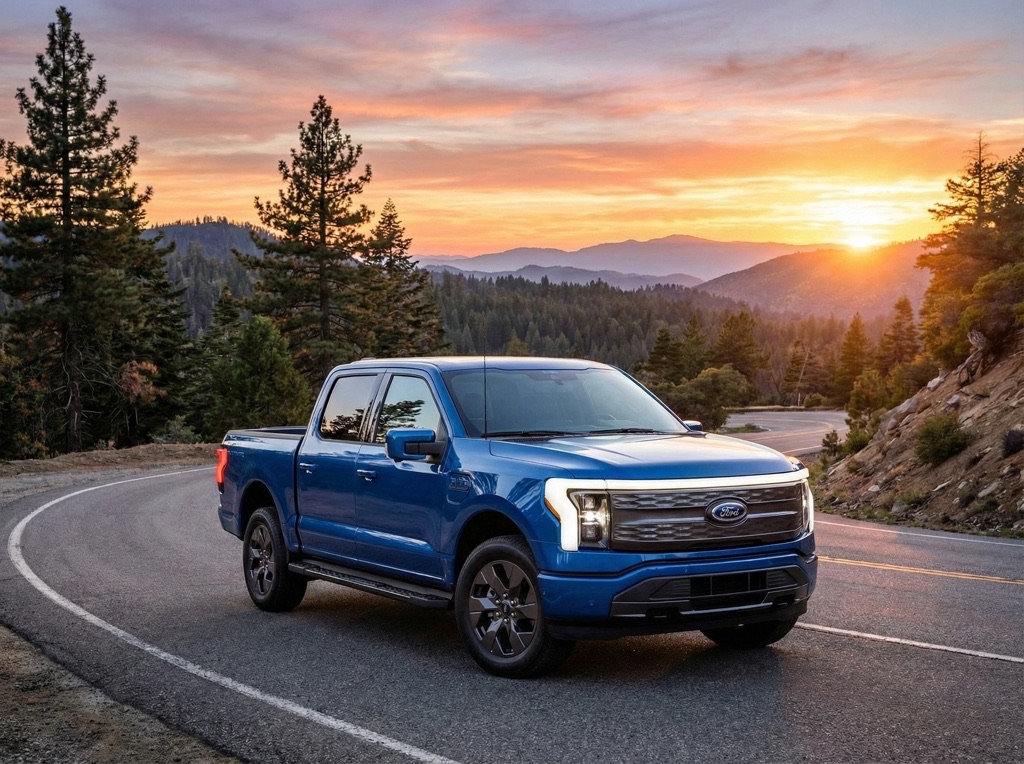
The truck promises quick acceleration, matching a Mustang EcoBoost at under 4.5 seconds to 60 mph, thanks to EV instant torque, despite the modest 51 kWh battery sized for typical compact pickup use. LFP chemistry lowers costs and weight, integrating as the floor for a low center of gravity, enhanced handling, anda quieter cabin. Range and charge times remain undisclosed, as Ford focuses on urban drivers per owner data analysis.
 Cars
Cars
Lucid Air Grand Touring Hits 520 km in NAF Winter Test at -31°C – Proves EV Range in Extreme Cold
The Lucid Air Grand Touring achieved 520 km of range in the 2026 NAF Winter Test, the coldest on record...
 Cars
Cars
Eli Zero: The Quirky, Compact, and Fun Electric City Ca
Introduction to the Eli Zero Are you tired of battling traffic jams, fighting for parking spots, and constantly searching for...
 News
News
Lamborghini Cancels Lanzador EV for Plug-In Hybrid: Preserves V12 Heritage Amid Zero Buyer Demand
Lamborghini has scrapped its first all-electric vehicle, the Lanzador, due to near-zero demand from its target market. The high-riding supercar...
Design and Manufacturing Innovation
A four-door cab offers more passenger room than a Toyota RAV4, plus a frunk and bed with smart cargo features. Aluminum unicastings consolidate dozens of parts, streamlining production. Ford claims five-year ownership costs beat a three-year-old used Tesla Model Y, though real-world verification awaits.
Market Comparison
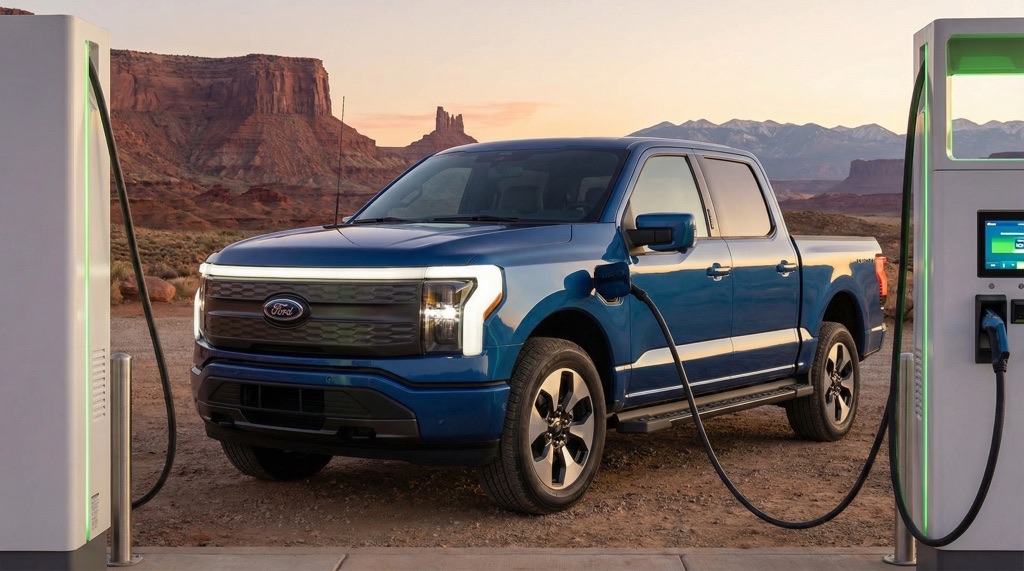
At $30,000, this undercuts the F-150 Lightning Pro ($54,780) and rivals the upcoming Rivian R2T (expected ~$45,000) or Tesla’s robbed midsize EV. Unlike Hyundai Santa Cruz EV concepts, Ford’s emphasizes U.S. production and LFP affordability; it edges the gas Maverick in efficiency but lacks confirmed range to challenge Chevy’s Equinox EV SUV utility.
Verdict
Ford’s 2027 midsize EV pickup positions the brand as a volume EV truck leader by prioritizing cost and everyday usability over range anxiety. Ideal for urban commuters, small businesses, or families needing a versatile hauler under $30k, it succeeds if range exceeds 200 miles and incentives apply. Unanswered: exact range, payload/towing specs, and infotainment details—critical for truck buyers. Details not yet confirmed on top speed or charging speeds.