
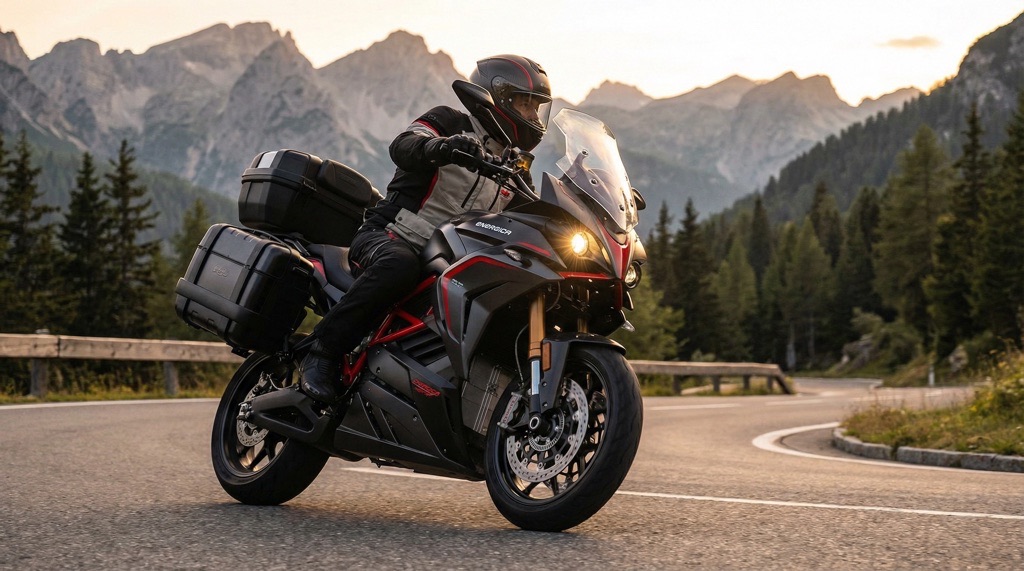
Electric motorcycles have crossed an important threshold. In 2026, they will no longer be limited to urban commuting or short weekend rides. Improved battery density, fast-charging infrastructure, and refined power electronics now allow electric motorcycles to compete directly with gasoline bikes in long-distance use.
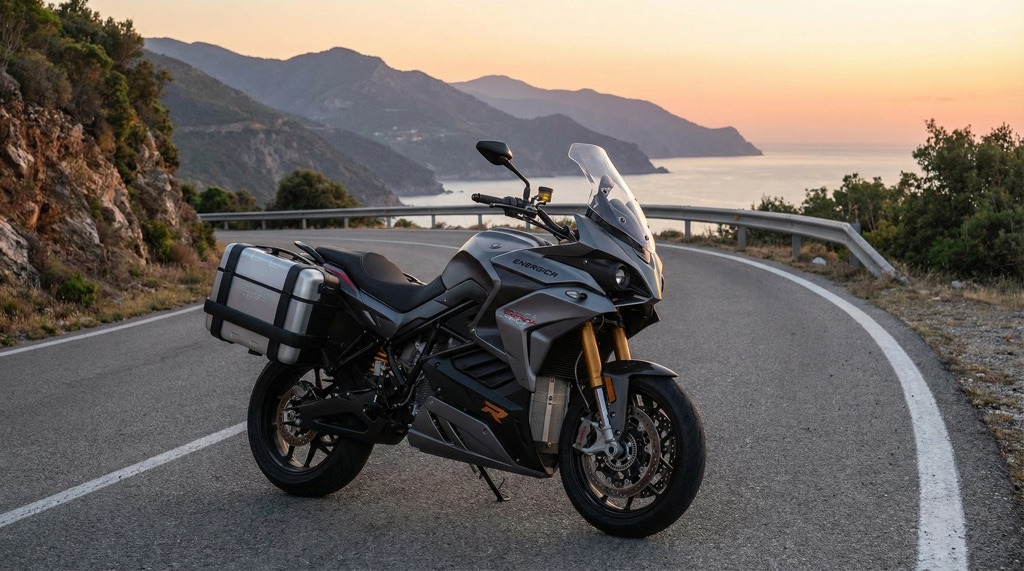
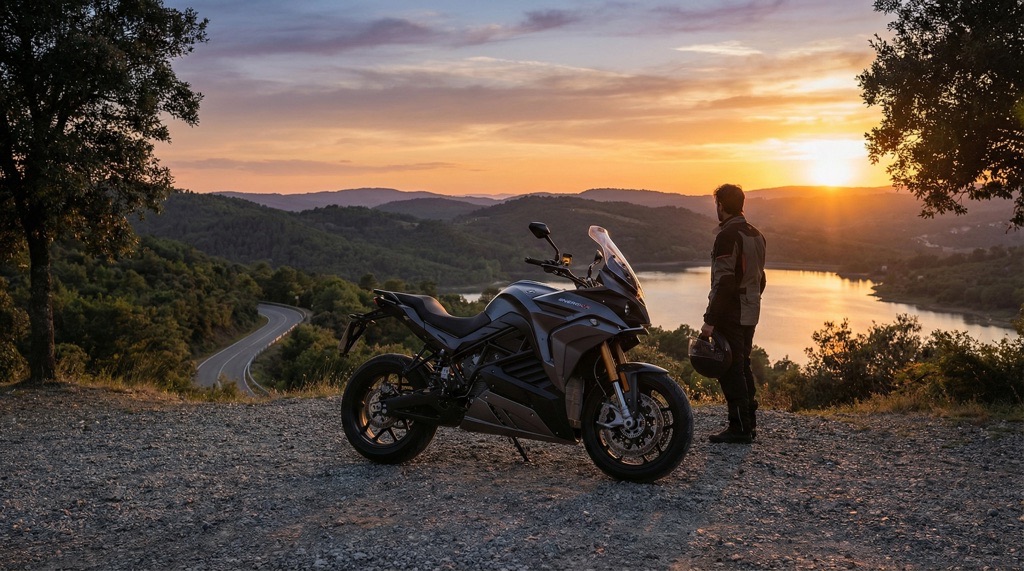
The Energica Experia represents one of the most serious attempts yet to answer a long-standing question: can an electric motorcycle truly replace a gasoline touring or adventure bike?
This review is written for buyers and riders considering an electric motorcycle for daily commuting, highway travel, and long-distance touring. It focuses on real-world range, charging practicality, riding comfort, and total cost of ownership, not marketing claims.
Key takeaway up front: In 2026, the Energica Experia is the most capable long-distance electric touring motorcycle currently available.
TL;DR
- Best for: Electric touring, highway commuting, premium EV riders
- Real-world range: 180–260 km (112–162 miles)
- Key strength: Large battery + DC fast charging + highway stability
- Main drawback: High weight and premium price
- Verdict: One of the best electric motorcycles in its class and a smart choice in 2026 for road-focused touring
Overview: Where the Energica Experia Fits in the Electric Motorcycle Market (2026)
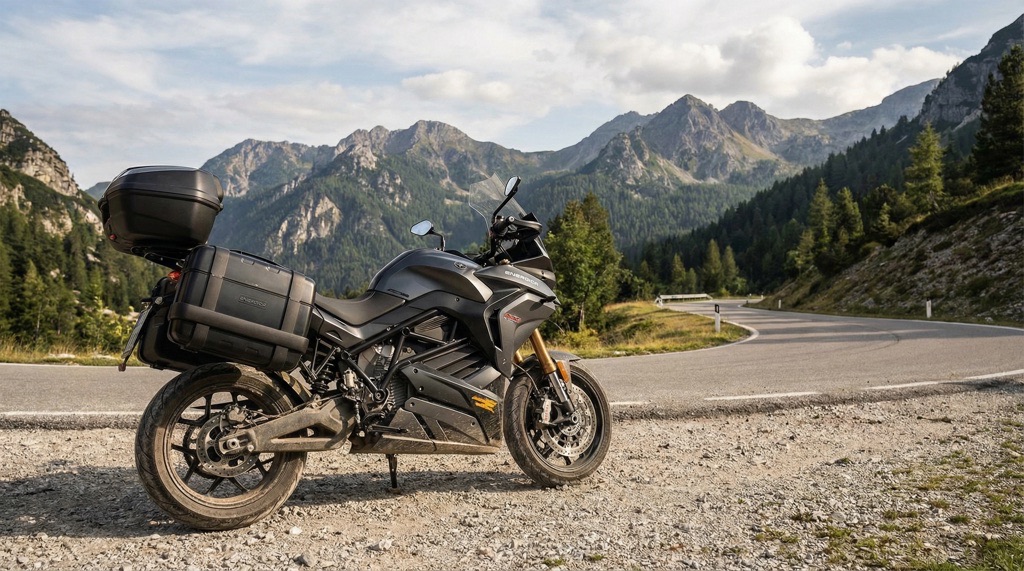
The Energica Experia is a full-size electric touring motorcycle with adventure-style ergonomics. Unlike lightweight electric bikes designed primarily for cities, the Experia is engineered for:
- Sustained highway speeds
- Long daily distances
- Fast charging on public DC networks
It competes in the premium electric touring motorcycle segment, positioned above urban EV motorcycles and closer to mid-to-large displacement gasoline ADV bikes in size, comfort, and capability.
Energica’s background in high-performance electric motorcycles and MotoE racing is clearly reflected in the Experia’s drivetrain efficiency, thermal management, and charging architecture.
Key Specifications
| Specification | Energica Experia |
|---|---|
| Motor power | 75 kW (102 hp) |
| Torque | 115 Nm |
| Battery capacity | 22.5 kWh (usable) |
| Real-world range | 180–260 km |
| DC fast charging | Up to 24 kW (CCS) |
| 0–100 km/h | ~3.5 seconds |
| Top speed | ~180 km/h |
| Weight (wet) | ~260 kg |
| Category | Electric Touring / ADV |
Real-World Performance & Riding Experience
Acceleration and Power Delivery
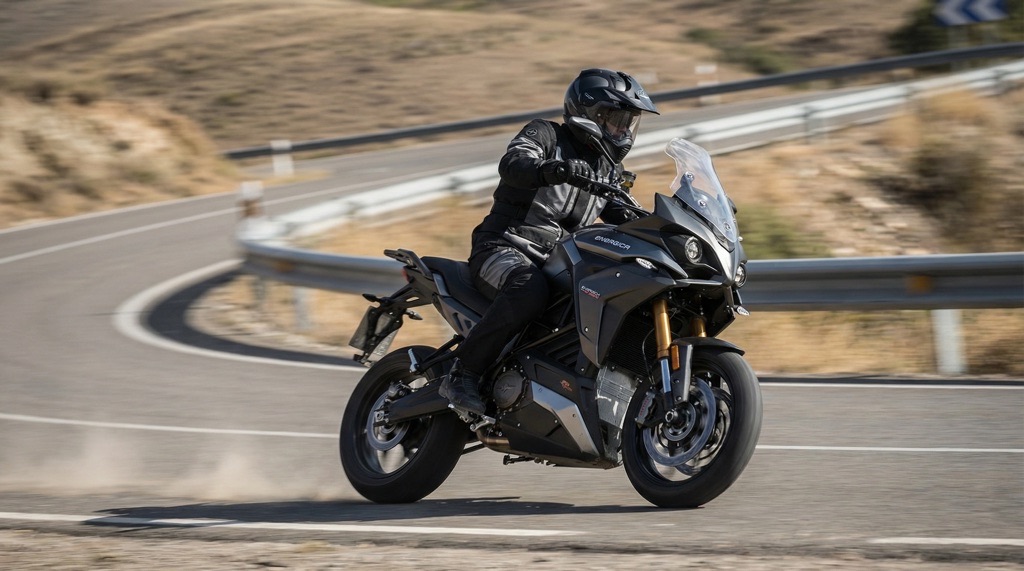
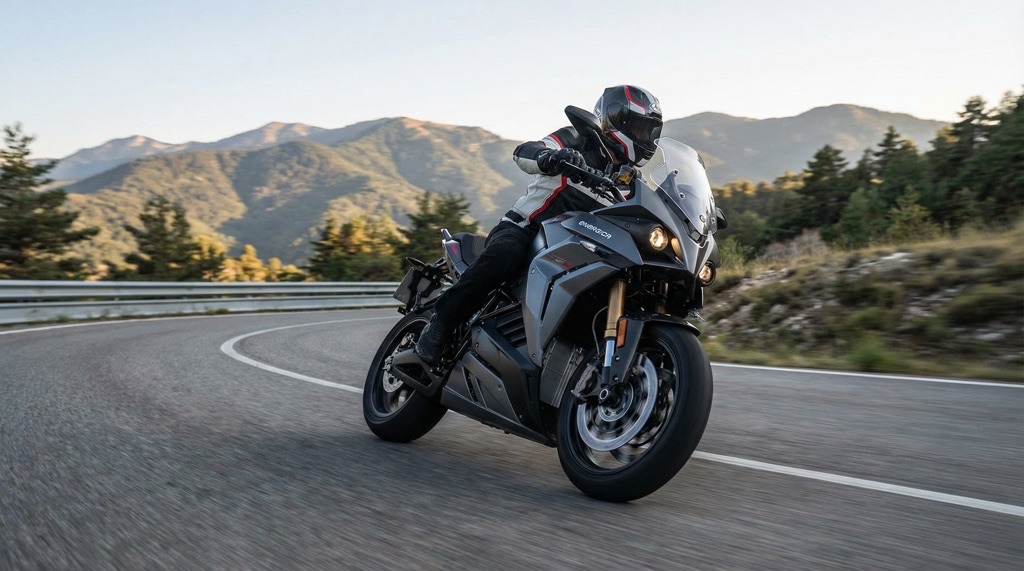
The Experia delivers strong, linear acceleration rather than aggressive sportbike punch. Instant torque makes overtaking effortless, especially between 80–130 km/h, where touring riders spend most of their time.
- No gear changes
- No vibration
- Consistent power delivery even with luggage and passengers
City vs Highway Riding
In urban environments, the Experia feels large but predictable. Low-speed balance is good, though tight maneuvering highlights its weight.
On highways, the bike excels:
- Excellent straight-line stability
- Relaxed upright seating position
- Minimal fatigue thanks to silence and smoothness
This is clearly a motorcycle designed for distance, not darting through traffic.
 Reviews
Electric Vehicles in 2026: The Year ICE Cars Finally Start to Disappear
Introduction: A Defining Moment for the Global Auto Industry The year 2026 will be remembered as the moment when electric...
 Reviews
Super73 C1X Electric Motorcycle
Super73 C1X electric motorcycle Introduction: Super73, renowned for its pedaled e-bikes, has now entered the electric motorcycle market with its...
 Reviews
Hyundai Kona Electric Review (2025): Real-World Range Test, Charging Curve & Should You Buy It?
INTRODUCTION The Hyundai Kona Electric is not trying to impress you. It’s not the fastest. Not the biggest. Not the...
Handling and Suspension
Suspension tuning prioritizes comfort and stability over sportiness. Cornering confidence is high for a touring motorcycle, but aggressive riding reveals the limits imposed by weight.
- Stable at speed
- Comfortable on broken pavement
- Suitable for gravel roads, not technical off-road riding
Battery, Charging & Real-World Range
Real-World Range Breakdown
Range depends heavily on speed and riding conditions:
- City riding (50–70 km/h): up to 260 km
- Mixed use: ~220 km
- Highway touring (120–130 km/h): 170–190 km
- Aggressive riding: ~160 km
This places the Experia among the longest-range electric motorcycles available in 2026.
Charging Performance
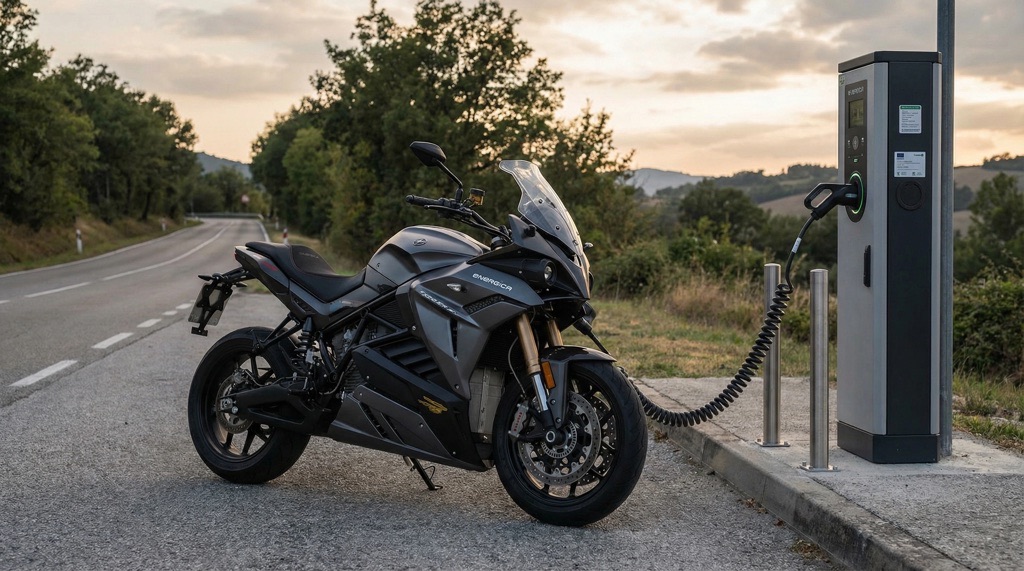
DC fast charging is a decisive advantage over many competitors.
- 0–80% in approximately 40 minutes (DC)
- Overnight full charge via AC at home
- CCS compatibility with modern EV charging networks
For touring, this transforms electric riding from a constraint into a manageable routine.
Price, Availability & Cost of Ownership
Pricing and Availability
- Estimated price (2026): €25,000–€27,000
- Availability across Europe and select global markets
Running Costs vs Gasoline Motorcycles
- Electricity cost per 100 km: €2–3
- Comparable gasoline ADV bike: €7–10 per 100 km
- No oil changes, clutch, gearbox, or exhaust maintenance
Over high annual mileage, the total cost of ownership becomes competitive despite the high initial purchase price.
Pros and Cons
Pros
- Excellent real-world touring range
- DC fast charging capability
- Strong highway performance
- High build quality
- Comfortable long-distance ergonomics
Cons
- Heavy compared to gasoline alternatives
- Premium purchase price
- Limited dealer network in some regions
- Not designed for serious off-road use
Comparison With Main Rivals
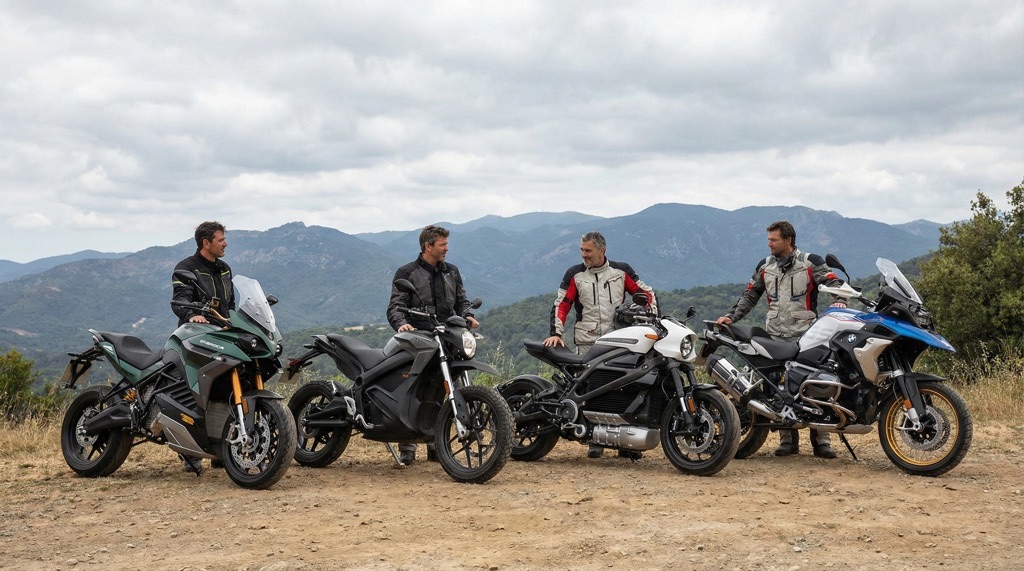
vs Zero DSR/X
- Experia advantage: Larger battery, faster DC charging, better highway comfort
- DSR/X advantage: Lighter weight, better off-road capability
vs Harley-Davidson LiveWire One
- Experia advantage: Significantly longer range, touring ergonomics
- LiveWire advantage: Sportier handling, lower weight
vs Mid-Size Gasoline ADV (e.g., BMW F850GS)
- Experia advantage: Lower running costs, silent ride, instant torque
- Gas ADV advantage: Faster refueling, lighter weight, broader off-road ability
Clear winner by use case:
- Long-distance electric touring → Energica Experia
- Mixed off-road adventure → Gasoline ADV
- Urban sport riding → LiveWire One
SEO Comparison Table
| Model | Real-World Range | DC Charging | Weight | Touring Comfort | Maintenance |
|---|---|---|---|---|---|
| Energica Experia | 180–260 km | Yes | 260 kg | High | Low |
| Zero DSR/X | 160–220 km | Limited | 247 kg | Medium | Low |
| LiveWire One | 140–190 km | Yes | 249 kg | Medium | Low |
| Gasoline ADV (avg) | 350+ km | No | 230–250 kg | High | High |
Electric Motorcycle vs Gasoline Motorcycle
Maintenance
Electric motorcycles require fewer service items and less frequent maintenance.
Cost per Kilometer
Electric motorcycles are significantly cheaper to run, especially for commuters and tourers.
Noise and Comfort
Silent operation reduces fatigue and improves long-distance comfort.
Emissions
Zero tailpipe emissions future-proof electric motorcycles against urban restrictions.
Who Should Buy the Energica Experia?
Ideal for:
- Long-distance commuters
- Touring riders ready to switch to electric
- Riders with access to DC fast charging
- Buyers prioritizing comfort and efficiency
Not ideal for:
- Hardcore off-road riders
- Budget-focused buyers
- Riders without charging access
Final Verdict
The Energica Experia is one of the best electric motorcycles in its class and the most complete electric touring solution available in 2026. It delivers a rare combination of real-world range, fast charging, and long-distance comfort that few electric motorcycles can match.
For riders ready to move beyond city-only electric bikes and embrace genuine electric touring, the Experia is a smart choice in 2026 and a benchmark for the segment.
FAQ
Is the Energica Experia worth the price in 2026?
Yes, if you value long-distance electric capability and low running costs.
Is it cheaper to own than a gasoline ADV bike?
Over high mileage, yes—energy and maintenance costs are much lower.
How long does fast charging take?
Around 40 minutes to reach 80%.
Can it replace a gasoline touring bike?
For road-focused touring, absolutely.
Does cold weather reduce range?
Yes, expect a 10–20% reduction.
Is it suitable for beginners?
Best suited to experienced riders due to size and weight.
How reliable is the battery?
Modern battery management minimizes degradation over time.
Is home charging sufficient?
Yes, for daily use; fast charging is needed for touring.