
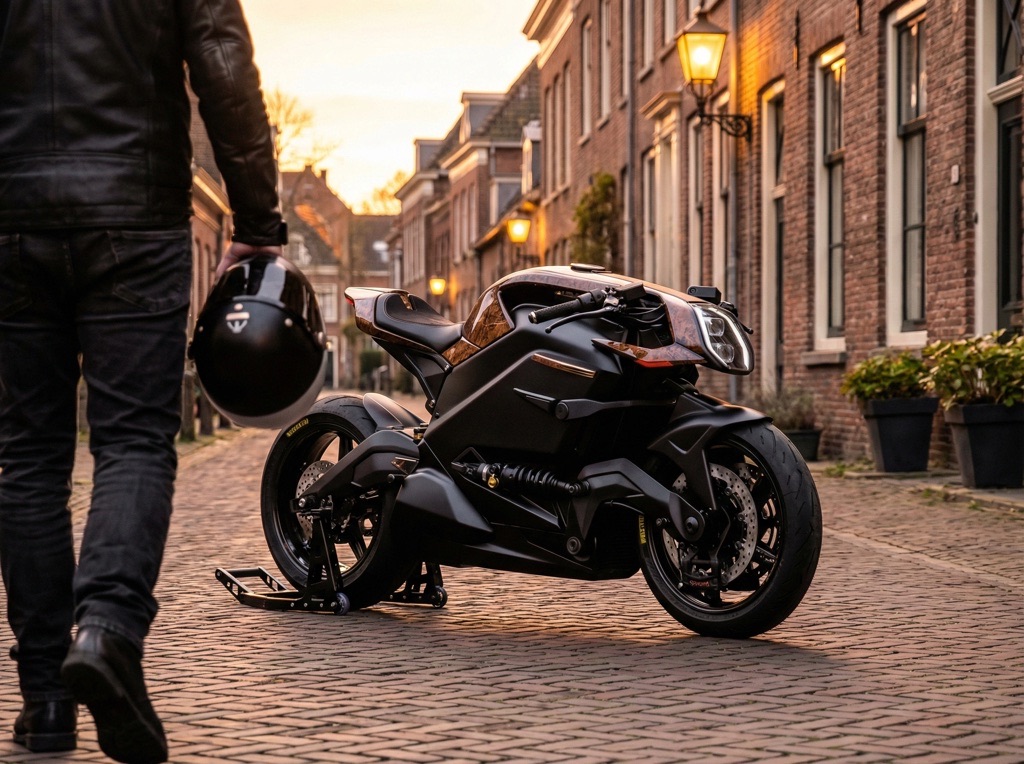
Electric motorcycles in 2026 have finally matured into a real alternative to gasoline bikes. Most brands now focus on affordability, commuting efficiency, or performance parity with ICE motorcycles. The Arc Vector, however, follows a completely different philosophy.
Developed by UK-based Arc Vehicle, the Vector is not designed to compete with Zero, Energica, or LiveWire on price or practicality. Instead, it exists as an ultra-premium electric motorcycle that rethinks what a motorcycle can be when cost constraints are removed.
This review is written for experienced riders, EV enthusiasts, and buyers who are evaluating the Arc Vector not as transportation, but as a technological and engineering statement.
TL;DR
- Best for: Tech-focused riders, collectors, ultra-premium EV buyers
- Real-world range: ~200–220 miles city / ~120 miles highway (conditions apply)
- Key strength: Unmatched technology integration and carbon monocoque design
- Main drawback: Extreme price and near-zero mass-market practicality
- Verdict: One of the most advanced electric motorcycles ever built — and a glimpse into the future of two-wheel mobility
Overview
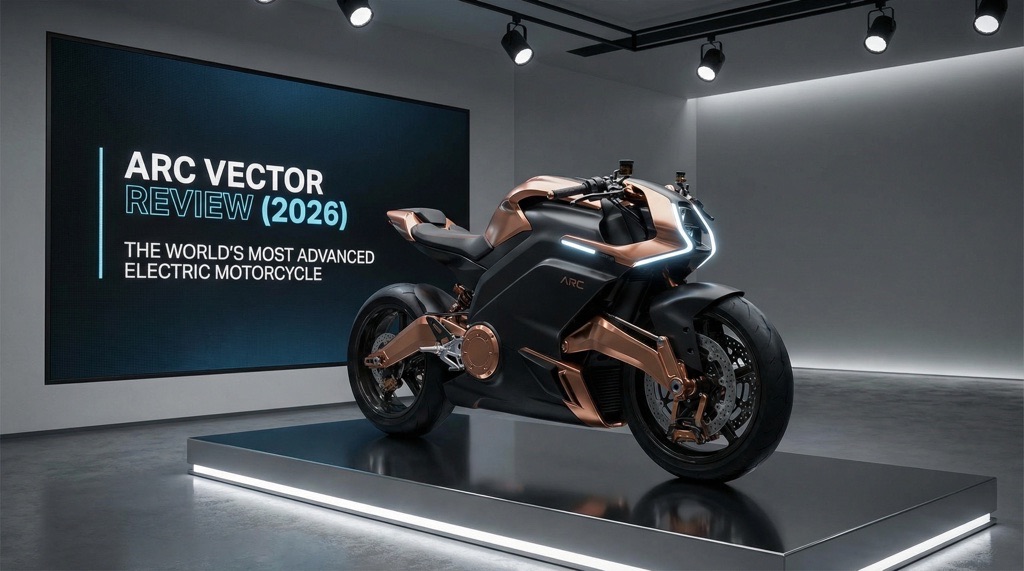
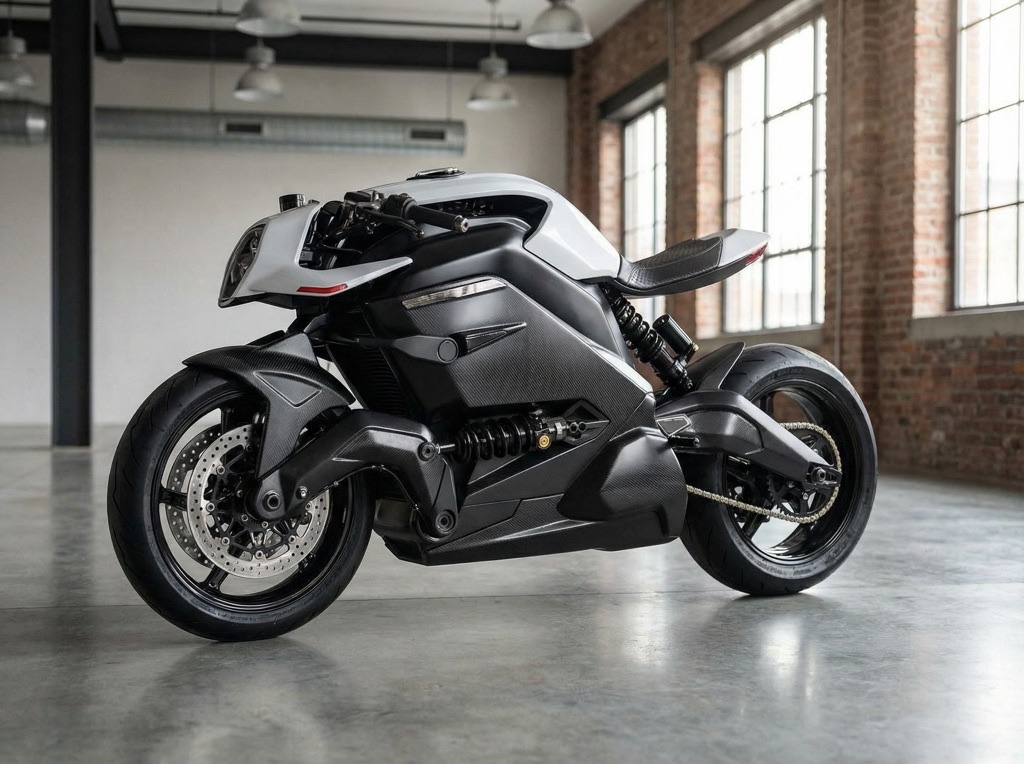
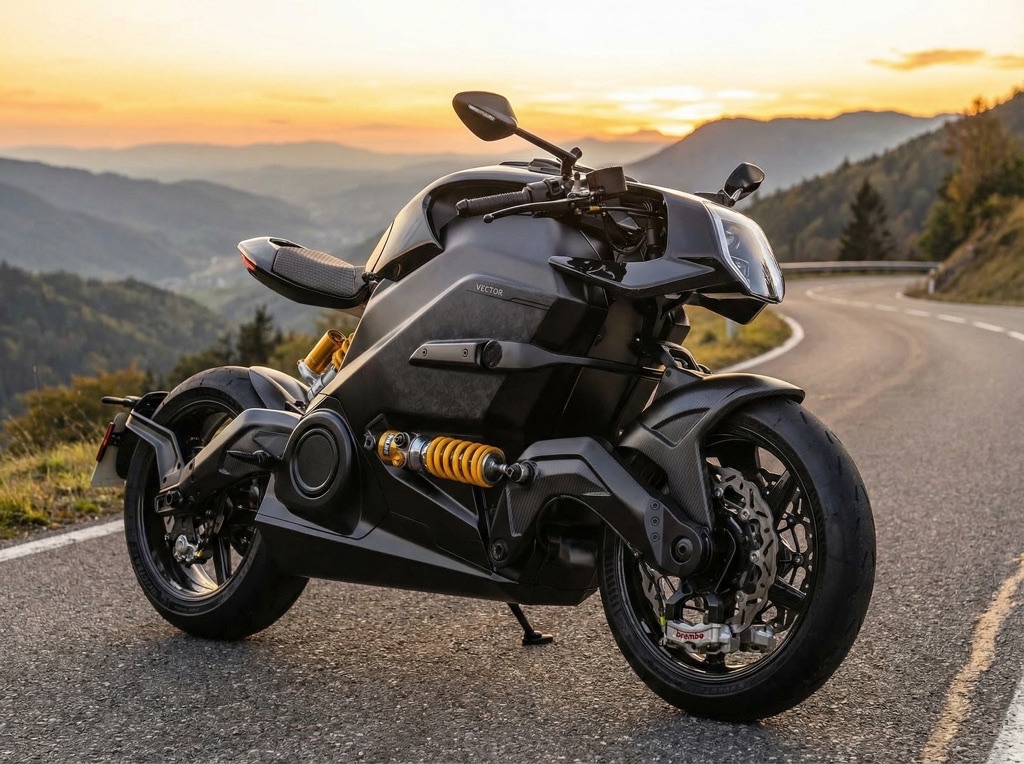
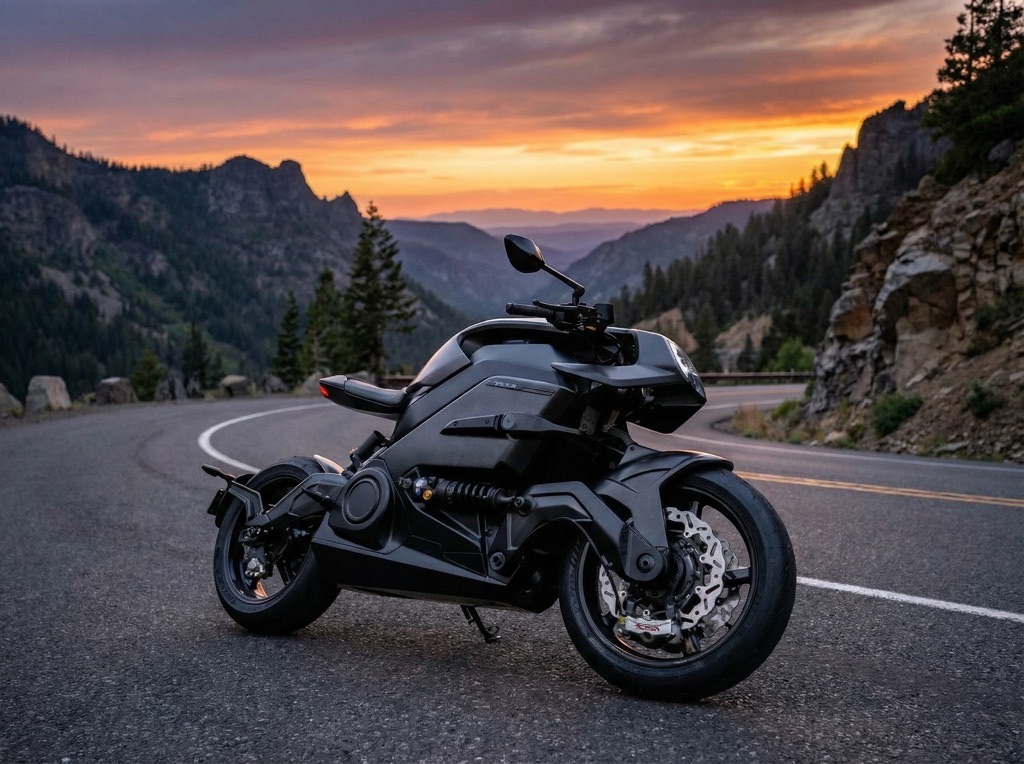
The Arc Vector is a hand-built, ultra-premium electric motorcycle engineered in the UK. Rather than adapting an electric drivetrain into a traditional motorcycle layout, Arc started from a clean sheet.
From an engineering perspective, the Vector is closer to an aerospace or advanced automotive prototype than a conventional motorcycle. Its defining elements include:
- Carbon fiber monocoque chassis
- Integrated electric drivetrain
- Haptic human–machine interface
- Connected ecosystem (motorcycle + helmet + riding jacket)
This places the Arc Vector in a category of its own — not a “premium electric bike,” but a technology demonstrator that happens to be road legal.
Key Specifications
| Specification | Arc Vector |
|---|---|
| Power | ~95 kW (127 hp) |
| Torque | ~399 Nm |
| Battery | ~16.8 kWh lithium-ion |
| Real-world range | 200–220 miles city / ~120 miles highway |
| Charging time | ~40 minutes (DC fast, 0–80%) |
| Weight | ~240 kg (wet) |
| Top speed | ~124 mph (200 km/h) |
| Category | Ultra-premium electric motorcycle |
Real-World Performance & Riding Experience
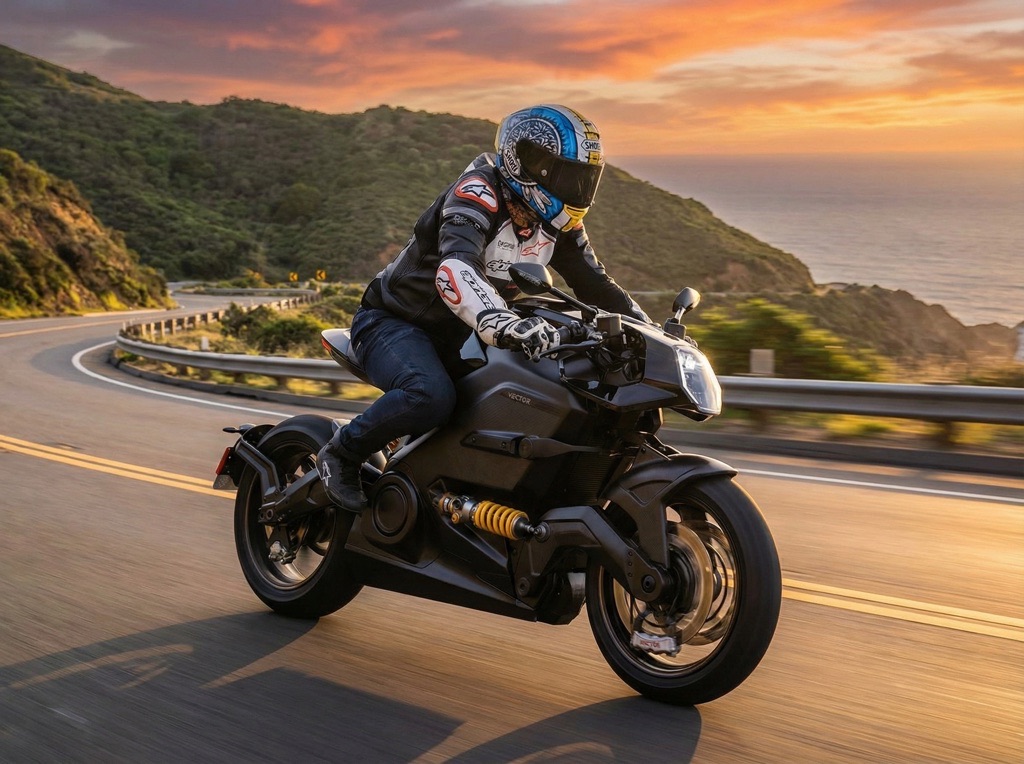
On paper, the Arc Vector’s performance figures are impressive. On the road, what stands out is how controlled and refined the power delivery feels.
- 0–60 mph: ~3.1 seconds
- Acceleration is instant but deliberately smooth
- No vibration, no drivetrain harshness
Unlike many high-performance electric motorcycles that feel aggressive or abrupt, the Vector delivers torque in a way that prioritizes precision over drama. This is not a drag-race machine; it is engineered for stability, predictability, and rider confidence.
Handling is neutral and composed rather than razor-sharp. The carbon monocoque chassis provides exceptional rigidity, while the low-mounted battery pack keeps the center of gravity low. The result is a motorcycle that feels heavy on paper but remarkably balanced in motion.
Battery, Charging & Real-World Range
Arc quotes ambitious range figures — and under the right conditions, they are achievable.
Real-world range estimates (expert context):
 Reviews
BYD Dolphin vs Volkswagen ID.3 (2026): Which One Is the Better Buy?
Choosing between the BYD Dolphin and the Volkswagen ID.3 is no longer about specs. It’s about money vs refinement. One...
 Reviews
Best Electric Cars for City Driving (2026): Real-World Range, Urban Efficiency & Expert Buying Verdict
If you drive 12 miles to work, sit in traffic, hunt for parking, and repeat that five days a week,...
 Reviews
Citroën e-C3 44 kWh Review: Affordable, Simple and Surprisingly Refined
For more than two decades, Citroën has been a specialist in compact, city-focused cars. The C3 nameplate alone has been...
- City riding: 200–220 miles
- Achievable at steady urban speeds below ~45 mph
- Mild temperatures, minimal aggressive acceleration
- Mixed riding: 160–180 miles
- Highway/aggressive riding: ~120 miles
This places the Arc Vector among the best-performing electric motorcycles for urban efficiency, despite its performance potential.
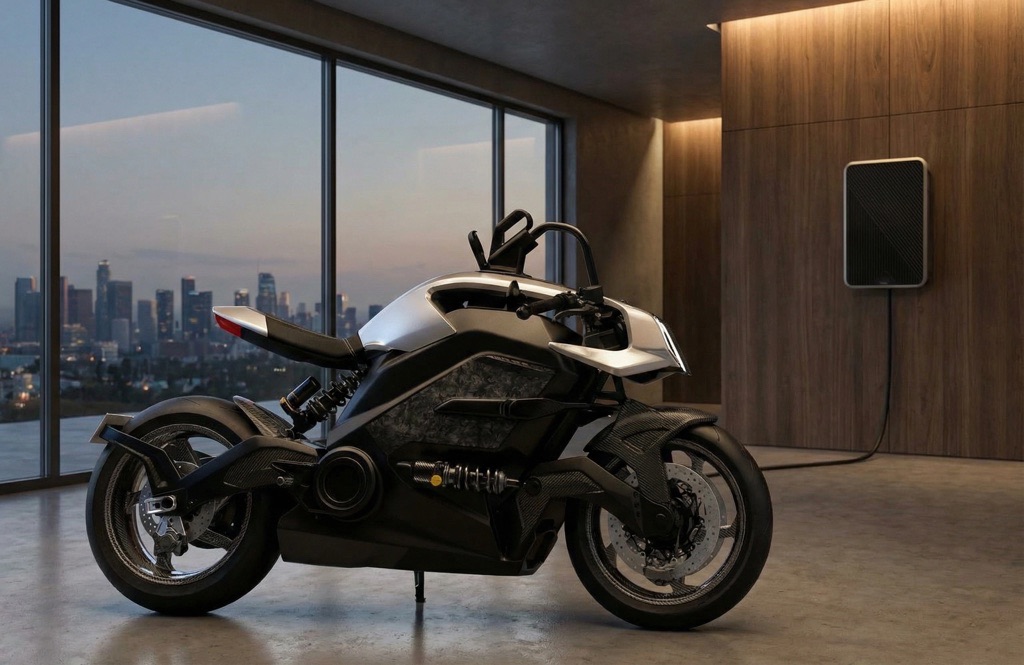
Charging is another area where the Vector stands out.
- DC fast charging is supported
- ~40 minutes from 0–80%
- AC charging for home use
- Advanced thermal management for consistent performance
Battery degradation should be relatively low, thanks to conservative charge buffers and robust cooling — though long-term data remains limited due to low production volume.
Price, Availability & Cost of Ownership
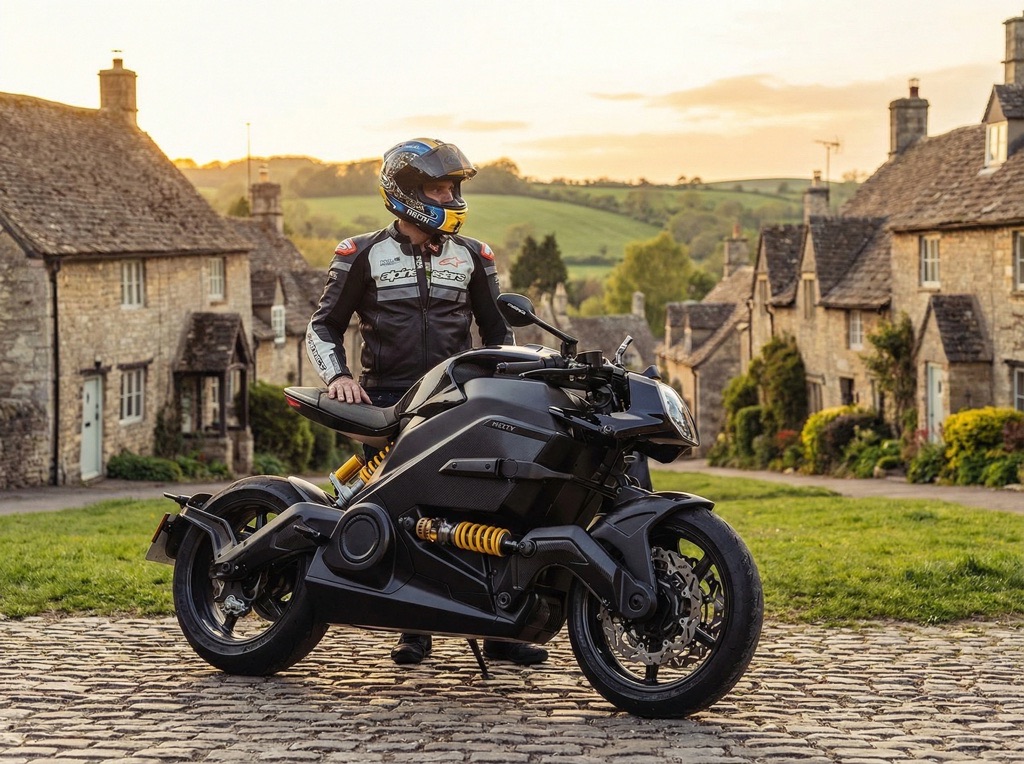
There is no way to soften this: the Arc Vector is extraordinarily expensive.
- Estimated price: ~$120,000
- Production: Extremely limited, boutique manufacturing
- Availability: Select markets, invite-based purchasing
Running costs are low compared to high-end gasoline superbikes:
- No oil changes
- Minimal mechanical wear
- Regenerative braking reduces brake maintenance
However, insurance, servicing, and replacement components reflect its luxury, low-volume nature. This is not a motorcycle you maintain at a local dealer.
Pros and Cons
Pros
- Unmatched technology integration
- Carbon fiber monocoque chassis
- Advanced haptic feedback riding system
- DC fast charging support
- Extreme exclusivity
Cons
- Extremely high purchase price
- Limited service and support network
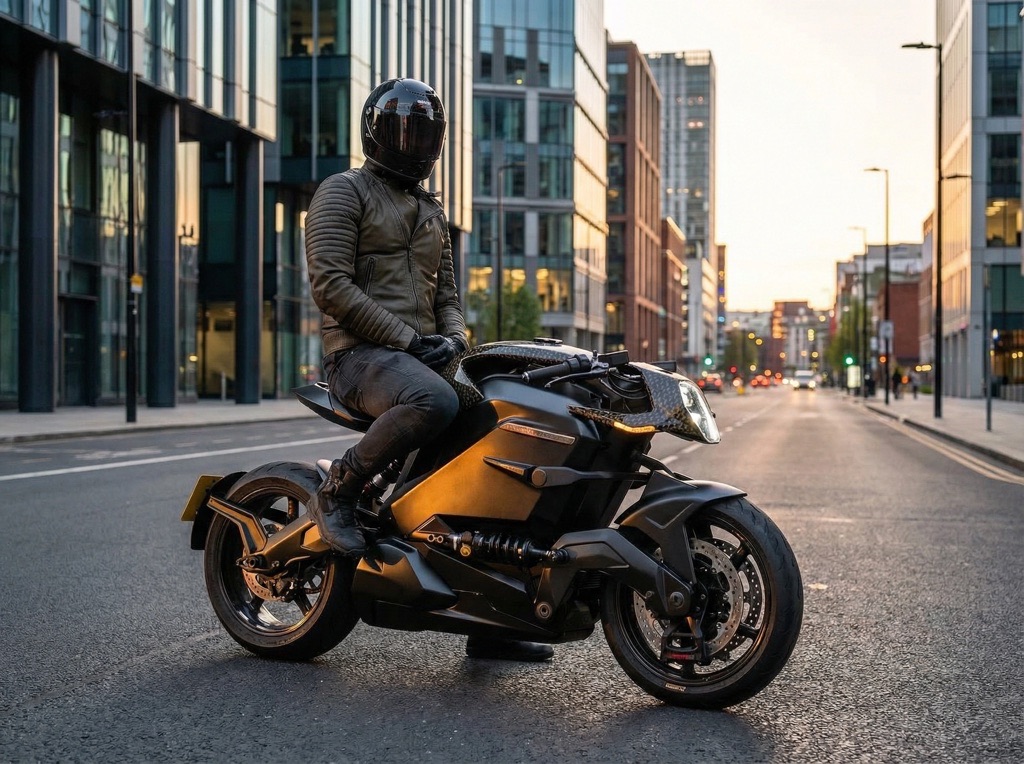
- Over-engineered for everyday riding
- Not designed for mass-market use
Comparison With Main Rivals
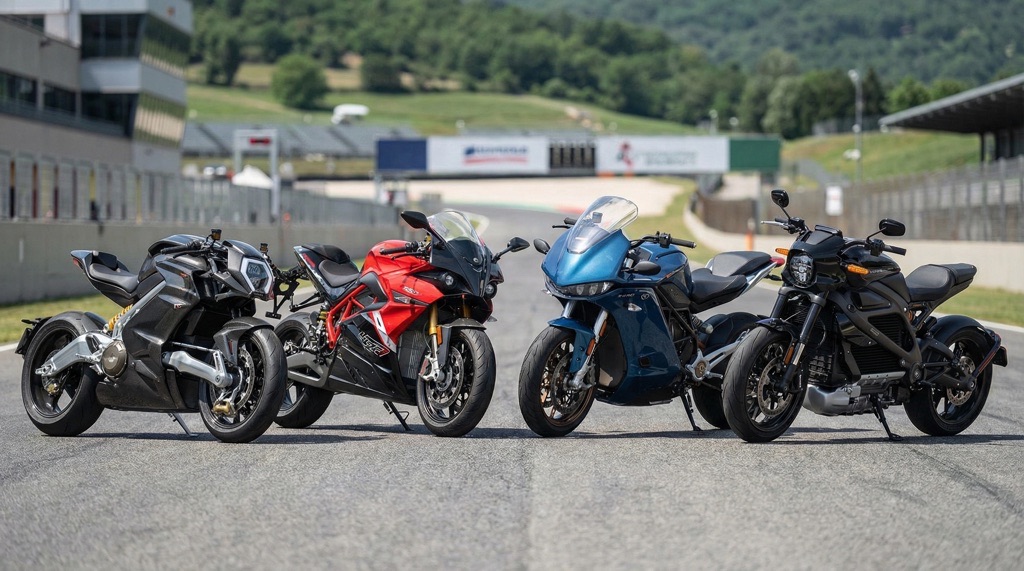
It is important to clarify: the Arc Vector does not truly compete with mainstream electric motorcycles. Still, buyers often cross-shop it conceptually.
Energica Ego+
- Focused on outright sport performance
- Far cheaper and more accessible
- Conventional motorcycle architecture
Zero Motorcycles SR/S
- Practical, real-world electric motorcycle
- Strong dealer network
- Technology depth is not comparable
Harley-Davidson LiveWire One
- Lifestyle-oriented electric bike
- Strong brand appeal
- Limited technological ambition
Clear takeaway:
The Arc Vector is not a better Zero or Energica — it is a different category entirely.
Comparison Table
| Model | Power | Real-World Range | Charging | Price |
|---|---|---|---|---|
| Arc Vector | ~95 kW | up to 220 mi city | DC fast | ~$120,000 |
| Energica Ego+ | 126 kW | ~130 mi mixed | DC fast | ~$25,000 |
| Zero SR/S | 82 kW | ~180 mi city | Optional fast | ~$21,000 |
| LiveWire One | 78 kW | ~146 mi city | DC fast | ~$22,800 |
Electric Motorcycle vs Gas Motorcycle
Maintenance
Electric motorcycles require dramatically less routine maintenance.
Cost per km
Electric: significantly lower energy and service costs.
Noise
Electric motorcycles are nearly silent, especially at urban speeds.
Performance
Electric: instant torque and seamless acceleration.
Gasoline: higher top-end drama, slower response.
Emissions
Electric motorcycles produce zero tailpipe emissions.
Who Should Buy the Arc Vector?
You should consider the Arc Vector if:
- You want the most advanced electric motorcycle available
- Technology matters more than brand heritage
- You collect rare or future-facing vehicles
- You view motorcycles as evolving mobility platforms
You should not buy the Arc Vector if:
- You want value for money
- You need a daily commuter
- You depend on a broad dealer network
- You prefer mechanical simplicity
Final Verdict
The Arc Vector is one of the most advanced electric motorcycles ever built — not because it is the fastest or the most practical, but because it redefines what an electric motorcycle can be when engineering ambition is unlimited.
For most riders, it makes no financial or practical sense. For a very small group of buyers, it represents the future of two-wheel mobility — available today.
It is not just a motorcycle. It is a statement.
FAQ
Is the Arc Vector practical for daily commuting?
Yes, but it is vastly over-engineered for that purpose.
Is the quoted range realistic?
City range figures are achievable under steady, moderate riding conditions.
Does it support DC fast charging?
Yes, which remains rare in the electric motorcycle segment.
Is it faster than gasoline superbikes?
In acceleration, yes. In top speed, no.
Is the Arc Vector a good investment or collectible?
Potentially, due to its rarity and technological significance.
Why shouldn’t most riders buy the Arc Vector?
Because its price and complexity far exceed real-world needs.
How limited is production?
Extremely limited — effectively boutique manufacturing.
Is battery degradation a concern?
Advanced battery management should minimize degradation over time.