


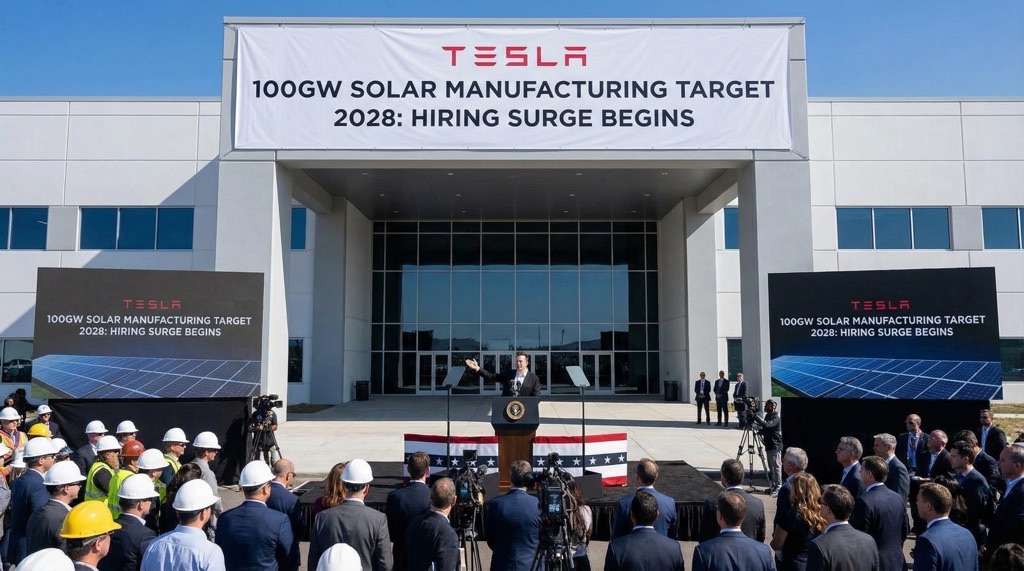
Tesla Accelerates Solar Ambitions With Aggressive 2028 Deadline
Tesla is ramping up hiring across engineering disciplines to support founder Elon Musk’s plan to establish 100 gigawatts of domestic solar manufacturing capacity by the end of 2028, marking the first publicly stated timeline for the ambitious initiative. The company’s senior executives have posted recruitment calls on LinkedIn, signaling serious momentum behind what would make Tesla the largest U.S. solar energy component manufacturer if achieved.
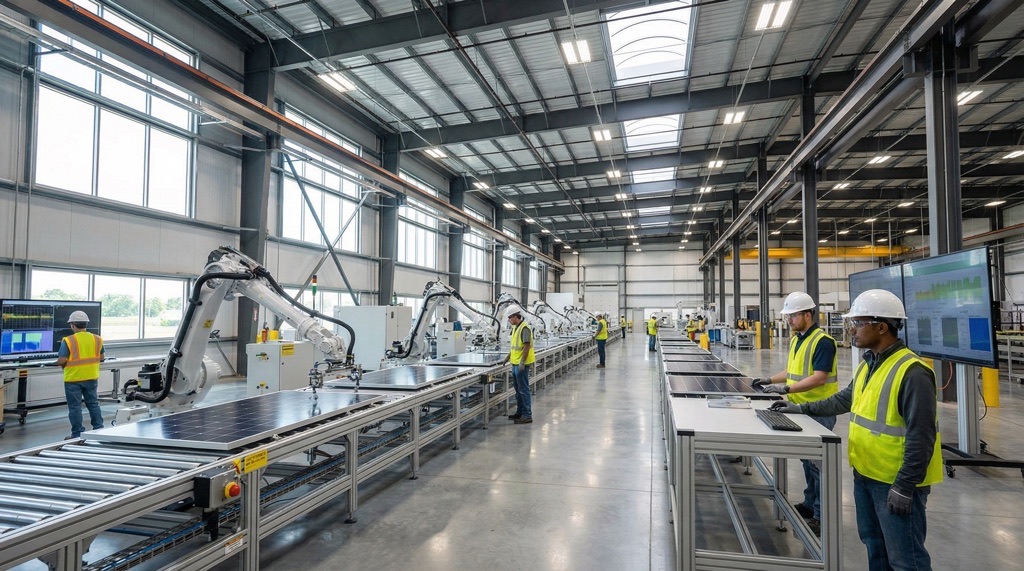
Background: Tesla’s Solar Pivot Amid EV Sales Slowdown
Tesla’s renewed focus on solar manufacturing comes as the company’s electric vehicle sales show signs of slowing. The company acquired Buffalo, New York-based solar installer SolarCity in 2016 and initially aimed to ramp production to 1 gigawatt, but that effort stalled when manufacturing partner Panasonic exited the project in 2020. Since then, Tesla has used the Buffalo facility primarily for supercharger production alongside premium solar roof tiles, which represent only a small portion of its business.
Musk has positioned solar and battery technology as essential infrastructure for meeting surging electricity demand from artificial intelligence data centers. This strategic pivot contrasts sharply with the Trump administration’s stance on renewable energy—despite Musk’s previous role as head of the Department of Government Efficiency, Trump has criticized renewable energy as expensive and inefficient, and has signed legislation slashing clean energy subsidies.
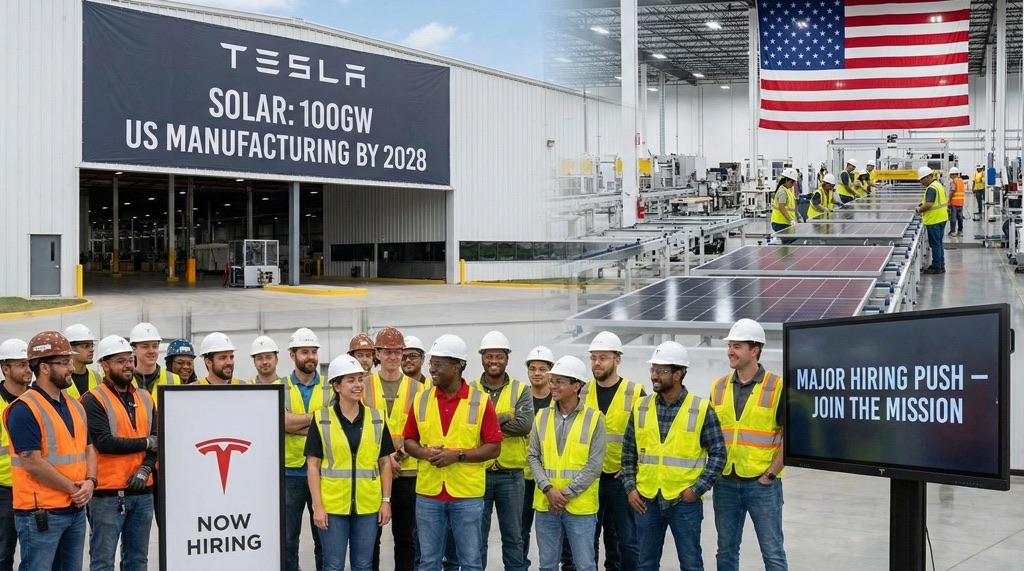
The Scale of the Challenge
| Metric | Current US Capacity | Tesla’s Target | Timeline |
|---|---|---|---|
| Solar Module Manufacturing | 65 GW | 100 GW | By the end of 2028 |
| Solar Cell Manufacturing | 3.2 GW | Not specified | By the end of 2028 |
The scope of Tesla’s ambition becomes clear when examining current U.S. solar production capacity. The nation currently operates 65 gigawatts of solar module capacity and just 3.2 gigawatts of solar cell capacity, according to the Solar Energy Industries Association. Solar cells—the crucial components that convert sunlight into electricity—are substantially more complex and expensive to manufacture, and China currently dominates their global production.
Achieving 100 gigawatts of manufacturing would require Tesla to nearly double its current U.S. module capacity while building out domestic cell production from near-zero levels. The company has not yet disclosed where these facilities would be located, though New York state’s economic development agency confirmed it has not engaged with Tesla on the project.
 Cars
Cars
Changan Confirms It’s Coming to Europe — And It’s Bringing an Entire EV Army
Europe’s automotive landscape is about to get even more crowded. Chinese automaker Changan Auto has officially confirmed that it is...
 Cars
Cars
Dreame Announces and Teases Its First Electric Car Ahead of CES 2026
Dreame, widely known for its robot vacuum cleaners and smart home appliances, is preparing to enter an entirely new category:...
 Cars
Cars
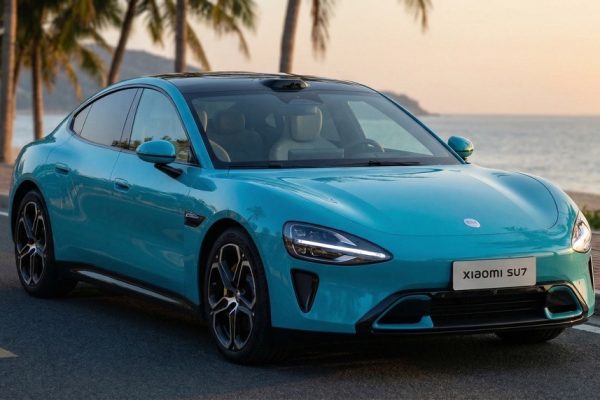
Xiaomi SU7 Retains 94.5% Battery Health After 265,000 km in 18 Months – Proof of EV Battery Longevity
A Xiaomi SU7 has maintained 94.5% battery health after driving 265,000 km in just 18 months, demonstrating exceptional battery durability...
Execution Questions and Musk’s Track Record
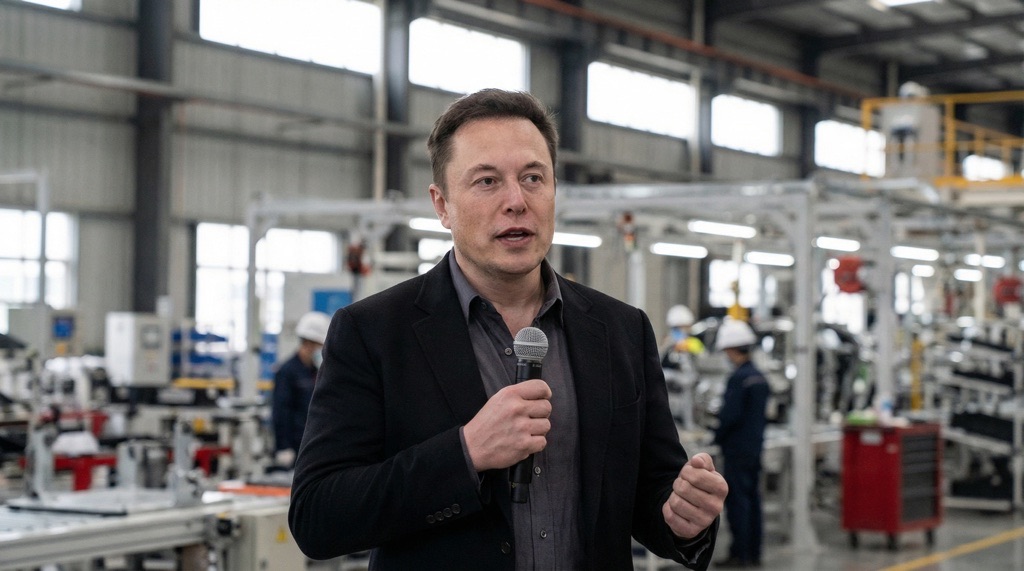
While Musk’s long-term strategic vision often proves directionally accurate, his near-term timelines have frequently missed targets, particularly for projects involving new manufacturing ecosystems. TD Cowen analyst Jeff Osborne characterized the 100-gigawatt goal as “aspirational rather than likely for the U.S. solar supply chain in the midterm.”
Musk’s history with solar manufacturing specifically raises additional concerns. His promises regarding autonomous vehicles illustrate the pattern: he has predicted since 2016 that driverless Teslas would arrive within a year, and as recently as July 2025 claimed Tesla robotaxis would serve “half the population of the U.S.” by year-end. Tesla currently operates a limited robotaxi service in Austin, with human safety monitors only recently removed from some vehicles.
The hiring surge signals a genuine commitment, with Tesla Director of Engineering Ralf Gomm and Vice President Bonne Eggleston (overseeing battery cell manufacturing) posting recruitment calls this week. Seth Winger, Tesla’s senior manager for solar products engineering, described the initiative as “an audacious, ambitious project” requiring “audacious, ambitious engineers and scientists to help us grow to massive scale.” Job postings specify the goal to “deploy 100GW of solar manufacturing from raw materials on American soil before the end of 2028.”
Recent Product Developments and International Scouting
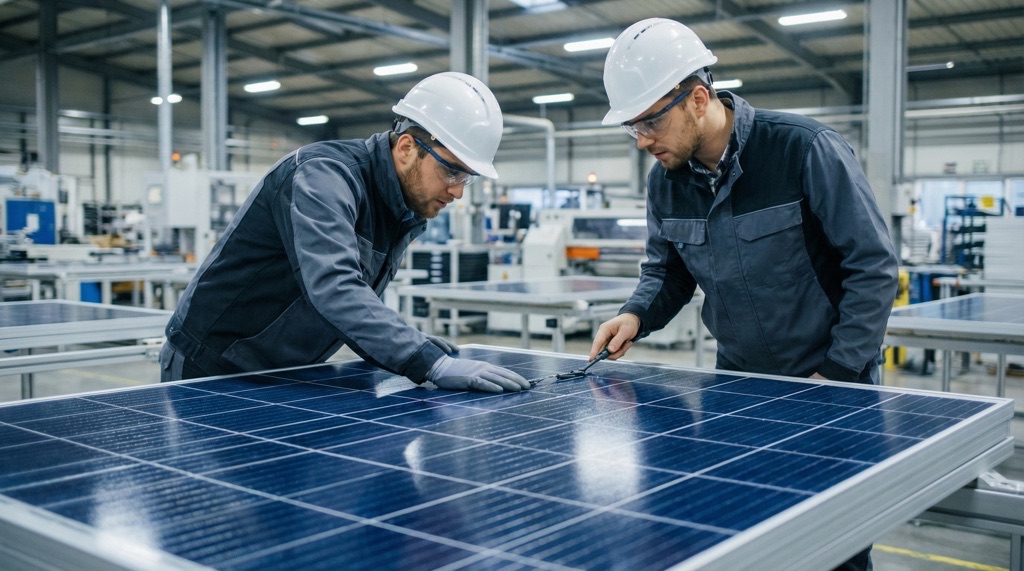
Tesla unveiled a new solar panel design at its Buffalo facility last week, engineered to reduce installation time by 33%—a move aimed at accelerating deployment as production scales. Chinese media reported this week that delegations sent by Musk visited several Chinese solar companies, suggesting Tesla may be exploring partnerships or acquisition targets to accelerate its manufacturing capabilities.
Musk has also raised the possibility of deploying solar panels in space through SpaceX, suggesting potential synergies between his two companies. SpaceX has simultaneously launched its own hiring push for solar, automation, manufacturing, and engineering roles across facilities in Austin and Seattle.
Market Context and Competitive Landscape
U.S. solar production capacity has grown significantly thanks to Biden-era tax incentives for clean energy manufacturing, but many announced factories have never materialized and existing producers have struggled to compete with cheap Asian imports. Tesla’s entry into large-scale solar cell manufacturing would represent a major bet against this trend, requiring substantial capital investment and manufacturing expertise the company has yet to demonstrate at scale in this sector.
Verdict
Tesla’s 100-gigawatt solar manufacturing target represents a significant strategic pivot with genuine near-term hiring commitments backing the ambition. However, the 2028 deadline should be viewed as aspirational given Musk’s history of missed manufacturing timelines and Tesla’s previous struggles scaling solar production. The initiative makes strategic sense amid AI-driven electricity demand and slowing EV sales, but execution risk remains substantial. For investors and industry observers, the key metrics to watch are facility announcements, actual hiring numbers, and whether Tesla achieves meaningful progress on solar cell (not just module) manufacturing—the genuinely complex piece of this puzzle.

The content is very relevant for businesses shipping abroad