
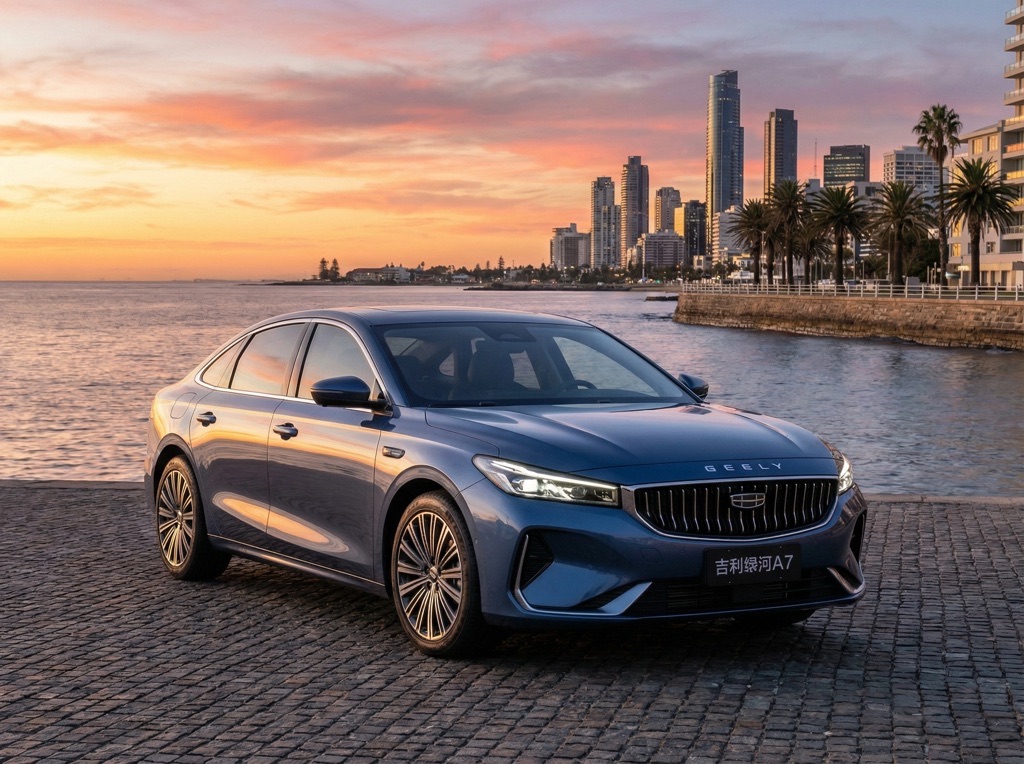
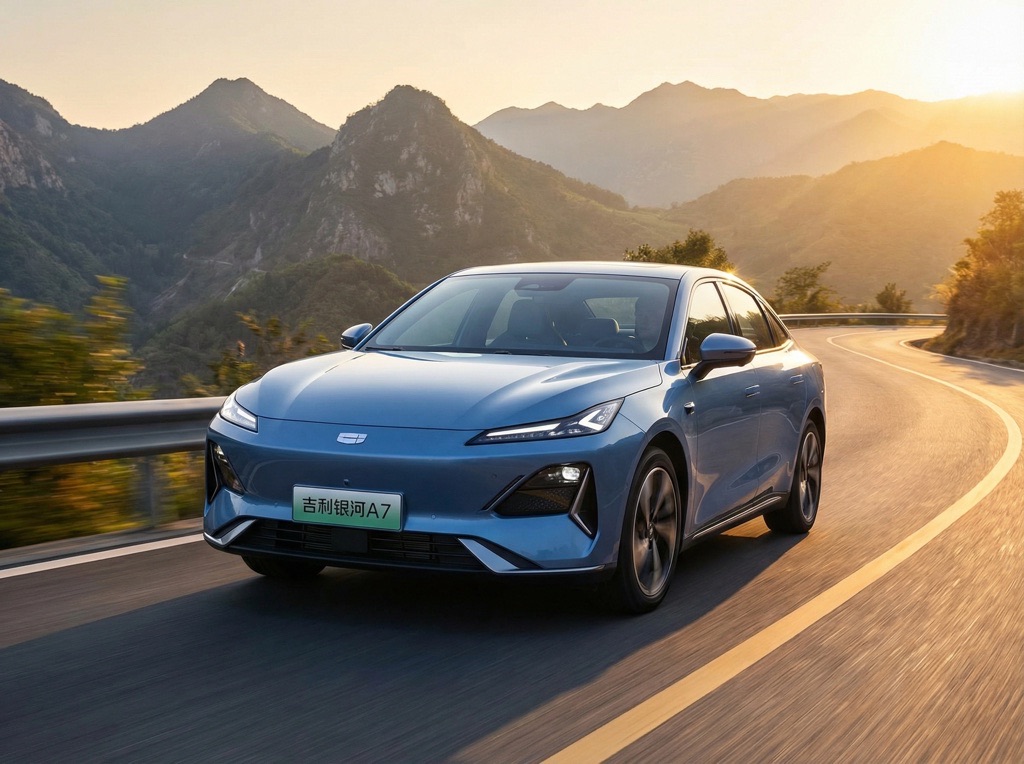
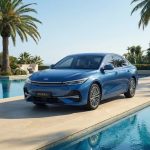
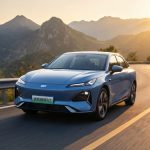
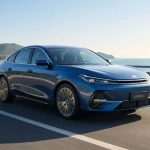
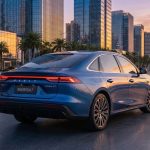
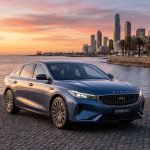
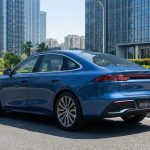
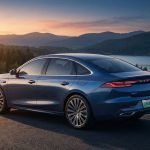
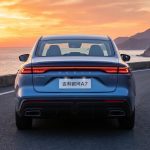
Geely has filed for a pure-electric version of the Galaxy A7 sedan featuring a 160 kW motor. This all-electric variant builds on the existing hybrid model’s platform with updated dimensions and full-width tail lights, targeting the competitive EV sedan market. Readers interested in affordable, spacious electric sedans should note this as Geely expands its Galaxy lineup to include a battery-only option amid rising demand for zero-emission vehicles.
Background: Geely’s Galaxy Line and Market Push
Geely Auto, through its Galaxy sub-brand, launched the hybrid Galaxy A7 in August 2025 as its first plug-in hybrid sedan on the GEA (Global Intelligent New Energy Architecture). The hybrid model quickly positioned itself as a fuel-efficiency leader with a CLTC fuel consumption of 2.67 L/100 km when depleted and a total range exceeding 2,100 km. Geely Galaxy focuses on intelligent new energy vehicles, competing in China’s crowded mid-size sedan segment against BYD’s Qin L DM-i.
The pure-electric filing, confirmed on February 7, 2026, signals Geely’s strategy to offer both hybrid and EV powertrains for the A7, broadening appeal in a market where EV adoption is accelerating. While hybrid details dominate current sources, the EV version adapts the same chassis with a single electric motor rated at 160 kW (about 215 hp). Geely’s filings with China’s MIIT (Ministry of Industry and Information Technology) often preview production models, suggesting a launch soon.
Key Specifications
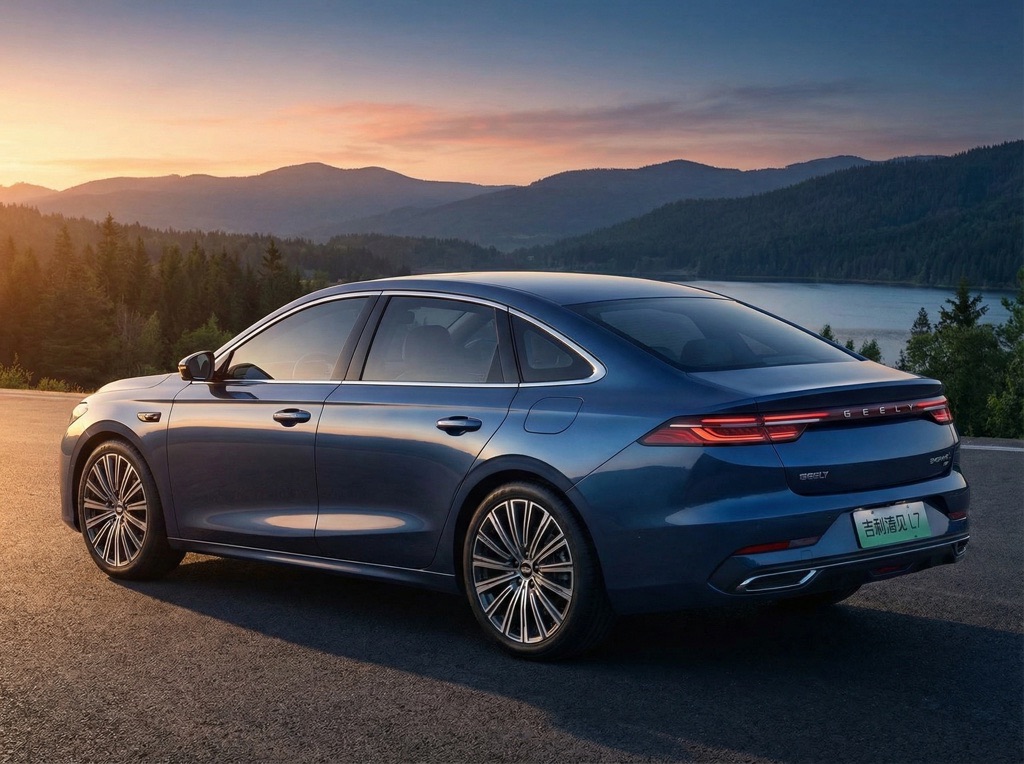
The pure-electric Galaxy A7 features updated dimensions and a rear-mounted 160 kW motor. Battery capacity and range remain unconfirmed in filings, but the hybrid’s GEA platform supports lithium iron phosphate packs from CALB and CALT. Here’s a comparison of known hybrid specs and EV filing details:
| Specification | Hybrid (EM-i 150km Premium) | Pure-EV Filing |
|---|---|---|
| Powertrain | 1.5L engine (112 hp) + 238 hp motor | 160 kW (215 hp) electric motor |
| Dimensions (L/W/H mm) | 4918/1905/1495 | Updated (exact figures not specified) |
| Wheelbase (mm) | 2845 | 2845 (expected) |
| CLTC Range | 150 km electric + 2100 km total | Not confirmed |
| Battery | 18.4 kWh LFP | Not confirmed |
| Top Speed (km/h) | 190 | Not confirmed |
| Drive | FWD | Rear-motor (inferred) |
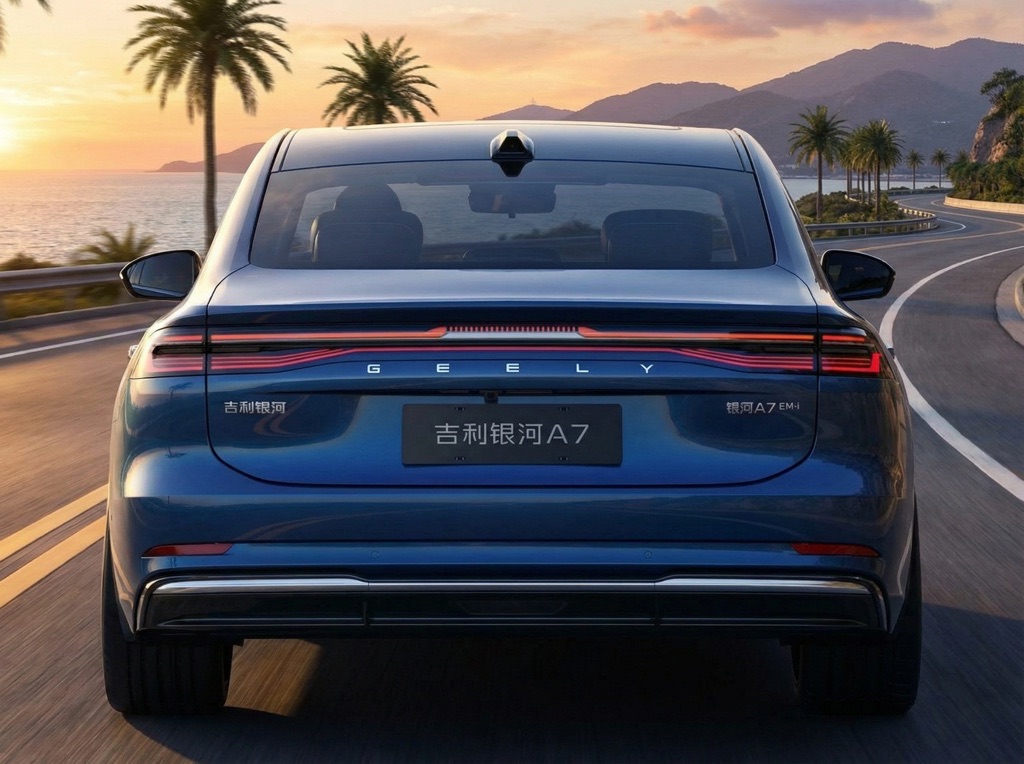
| Key Feature | Thor AI Hybrid 2.0 (47.26% efficiency) | Full-width tail lights |
Design and Interior Carryover
The Galaxy A7’s design emphasizes space and tech, with a 2845 mm wheelbase enabling class-leading rear legroom. Interiors include a 15.4-inch 2.5K floating display with Flyme Auto, 16.6-inch HUD, ventilated/massaging seats, and premium materials. The pure-EV version retains this setup, adding full-width tail lights for a modern aesthetic. Suspension uses MacPherson front and multi-link rear, with Level 2 ADAS including full-speed adaptive cruise.
 Cars
Cars
The Rise and Fall of Jiyue: A Cautionary Tale in EV Startups
A joint venture between Chinese tech giants Geely and Baidu has dramatically collapsed, leaving customers stranded and nearly $1 billion...
 News
News
Tesla Model YL Debuts in Southeast Asia with 681 km WLTP Range and 6-Seat Layout at BIMS 2026
Tesla unveiled the Model YL, a three-row, six-seat version of its popular Model Y SUV, at the Bangkok International Motor...
 Cars
Cars
Tesla Model 3 & Model Y Batteries From China Show “Catastrophic” Failure Rates — Report by EV Clinic
European EV repair experts warn about severe degradation in LG NCM811 packs used in Tesla Long Range & Performance models...
Performance and Efficiency Analysis
Hybrid A7 combines a 1.5L engine (47.26% thermal efficiency) with up to 238 hp electric motor for 350 hp total, 0-100 km/h in 7.1 seconds, and 2.0 L/100 km consumption. The EV’s 160 kW motor promises strong acceleration, though exact figures await confirmation. Geely emphasizes safety with Shield battery tech (puncture-proof, fire-resistant) and power backup systems in hybrids, likely carried over.
Unanswered: Battery size, charging speed, and pricing for the EV. Hybrids start below RMB 100,000 to rival BYD; EV pricing could follow suit.
Tech and Comfort Features
Standard across trims: panoramic sunroof, wireless charger, OTA updates, and AI voice. Higher hybrids add massage seats and 19-inch wheels. EV filing suggests similar luxury positioning.
Comparison with Competitors
| Model | Power | Range (CLTC) | Wheelbase (mm) | Starting Price (RMB) |
|---|---|---|---|---|
| Geely Galaxy A7 EV | 160 kW | Not confirmed | 2845 | Not confirmed |
| BYD Qin L DM-i | Hybrid ~200 hp | 150 km electric | 2790 | 99,800 |
| Geely Galaxy A7 Hybrid | 350 hp combined | 2100 km total | 2845 | Not specified |
| Zeekr 001 (EV example) | Up to 1260 hp | ~700 km | 2999 | ~200,000 |
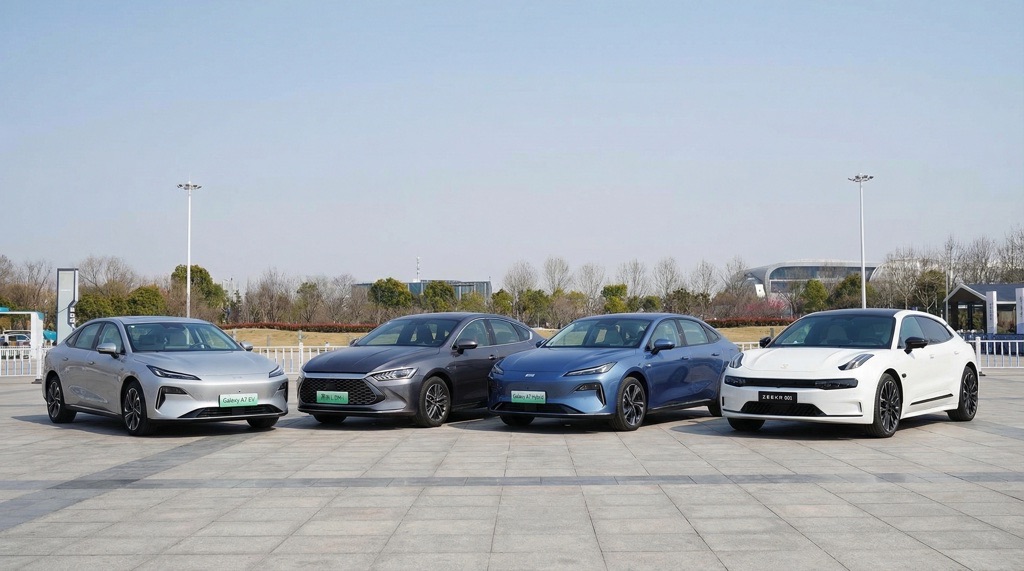
The A7 EV slots between affordable hybrids like Qin L and premium EVs, offering superior space at potentially lower cost.
Verdict
Geely’s pure-electric Galaxy A7 with 160 kW power fills a gap in its lineup, appealing to urban buyers seeking EV benefits without hybrid complexity. Ideal for families prioritizing space (2845 mm wheelbase) and tech in a mid-size package. Critical gaps like range and price must be clarified, but the filing confirms Geely’s dual-powertrain commitment—watch for launch details soon.