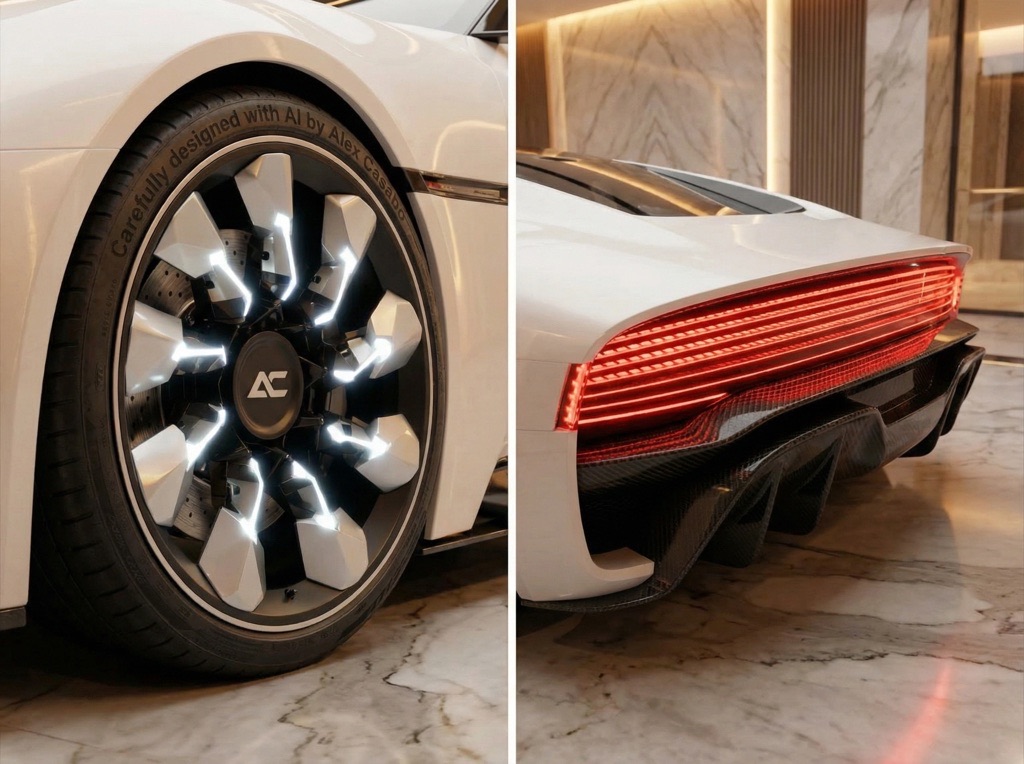

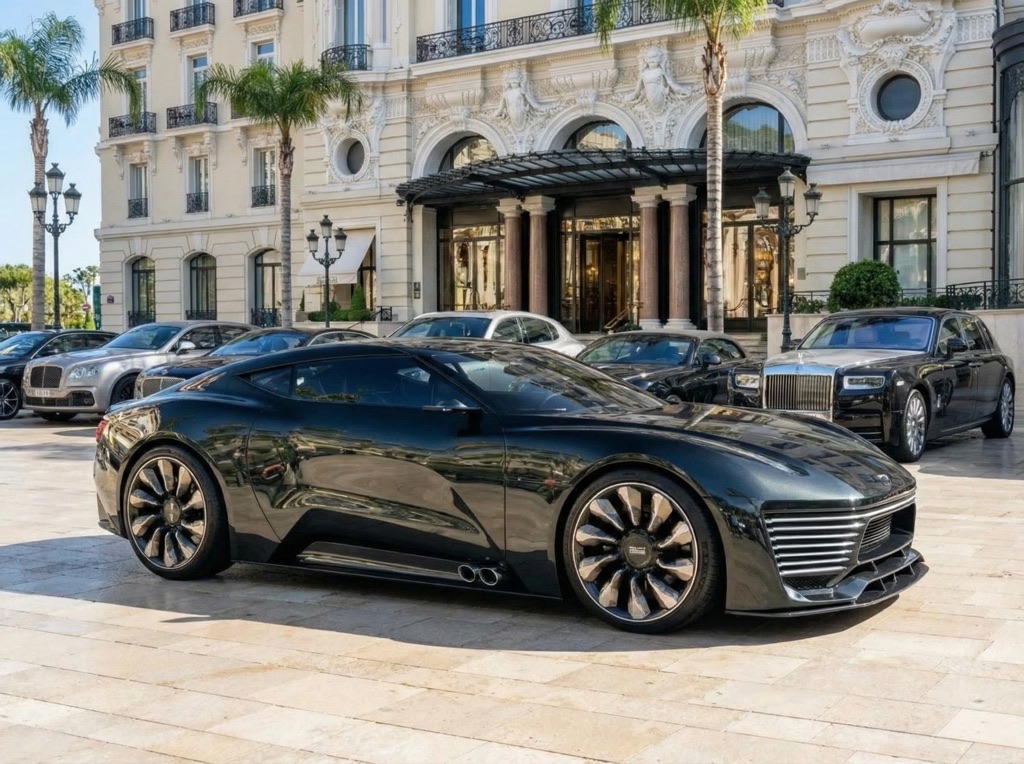
Alex Casabo’s AC Luxury GT concept introduces a cohesive horizontal LED lighting system across its front fascia, wheels, and rear that defines modern electric luxury grand tourer aesthetics, targeting a 2027 model year debut. This AI-generated design study draws from Lincoln and Hyundai influences while emphasizing thematic consistency in a fastback silhouette suited to skateboard EV platforms. EV enthusiasts should note it as a visionary render highlighting trends in layered lighting and minimalist luxury, though no production from AC Cars is confirmed.
Background: Designer Alex Casabo and AC Cars Context
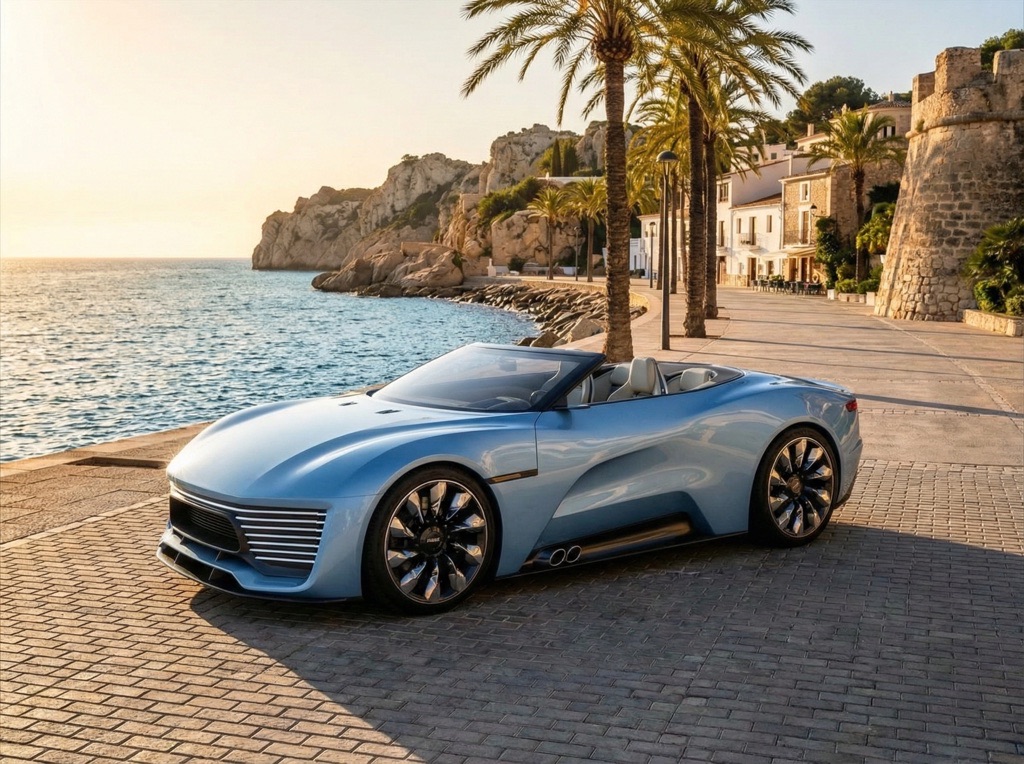
Automotive designer Alex Casabo created the AC Luxury GT as a conceptual electric grand tourer, published on Yanko Design on February 4, 2026. The project uses AI tools, including Midjourney for image generation, Vizcom for industrial design, and Photoshop for refinement, enabling rapid visualization in varied lighting and environments. It positions itself in the luxury GT segment, evoking classic grand touring with electric architecture.
AC Cars, a British brand with heritage in models like the Cobra, has no direct involvement; this is an independent fan concept by Casabo. Recent real AC developments include the GT SuperSport, a 1,025 hp ICE supersport car set for 2027 US deliveries at around $550,000, and the AC GT Roadster concept shown at Pebble Beach. No electric AC models have been announced, leaving the Luxury GT asa speculative design exploration amid EV luxury trends.
Key Specifications
| Specification | Details |
|---|---|
| Concept Designer | Alex Casabo |
| Target Model Year | 2027 |
| Body Style | Fastback grand tourer |
| Platform Type | Skateboard (inferred from proportions) |
| Wheel Size | Minimum 22 inches |
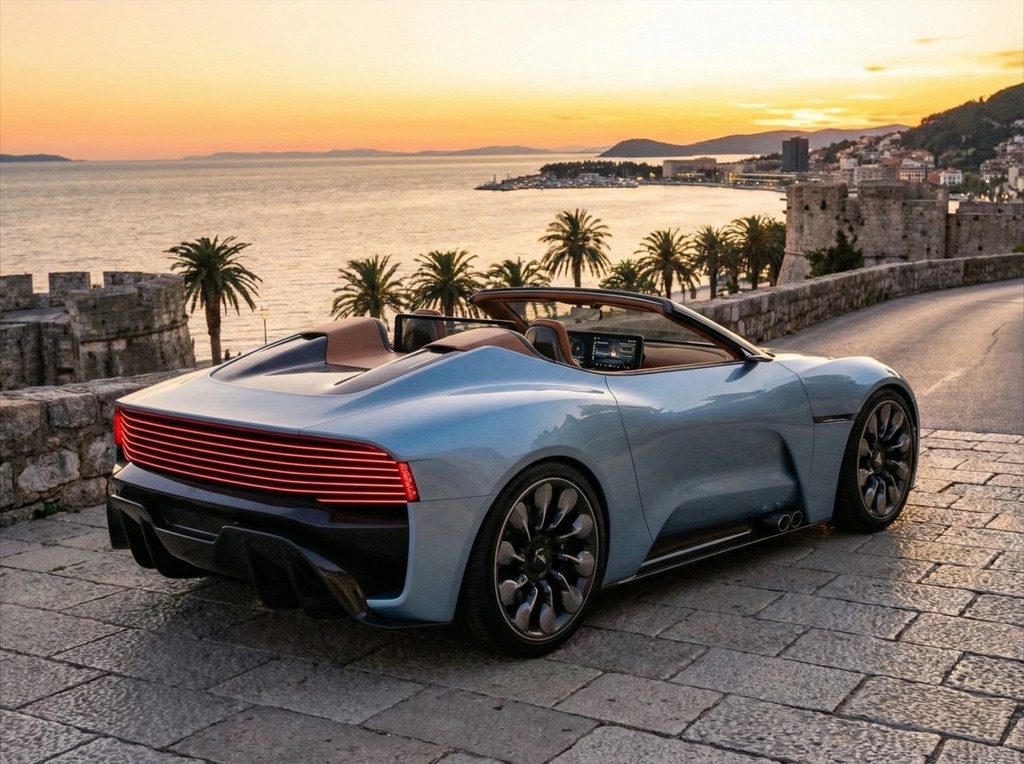
| Exterior Features | Horizontal LED light bars (front, wheels, rear); multi-layer front grille; carbon fiber diffuser; four faux exhausts |
| Interior | Horizontal dashboard architecture; integrated screen; physical steering wheel with AC logo |
| Design Tools | Midjourney, Vizcom, Photoshop |
| Powertrain | Details not yet confirmed |
| Range/Battery | Details not yet confirmed |
| Price | Details not yet confirmed |
Exterior Design: Thematic LED Consistency
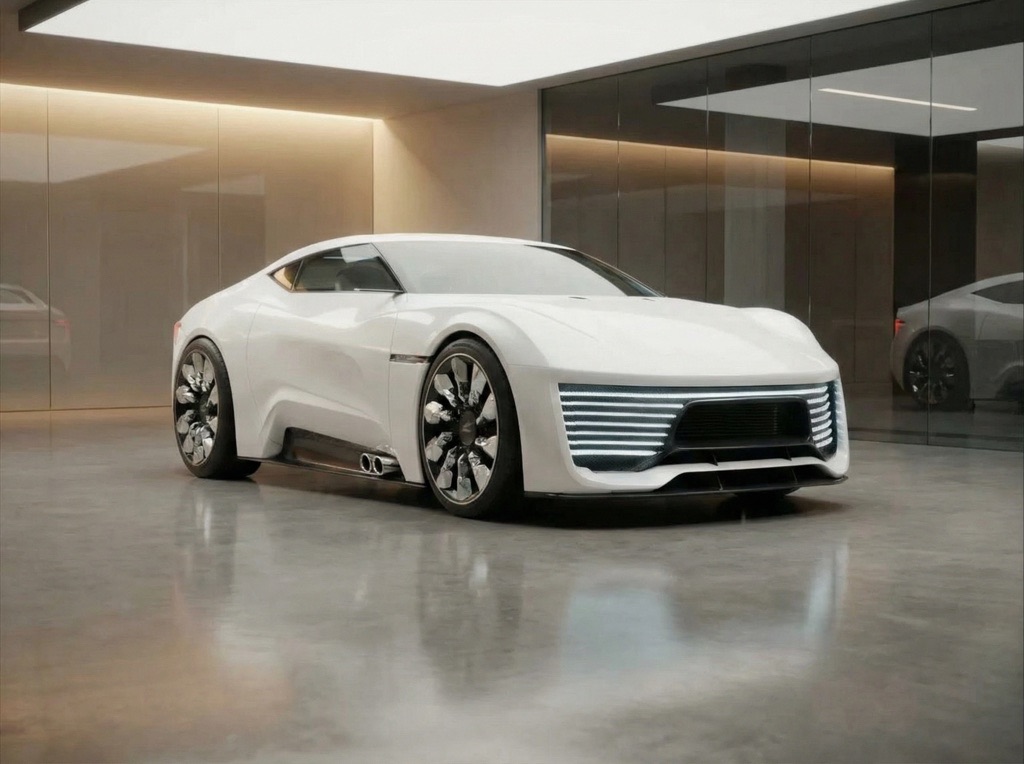
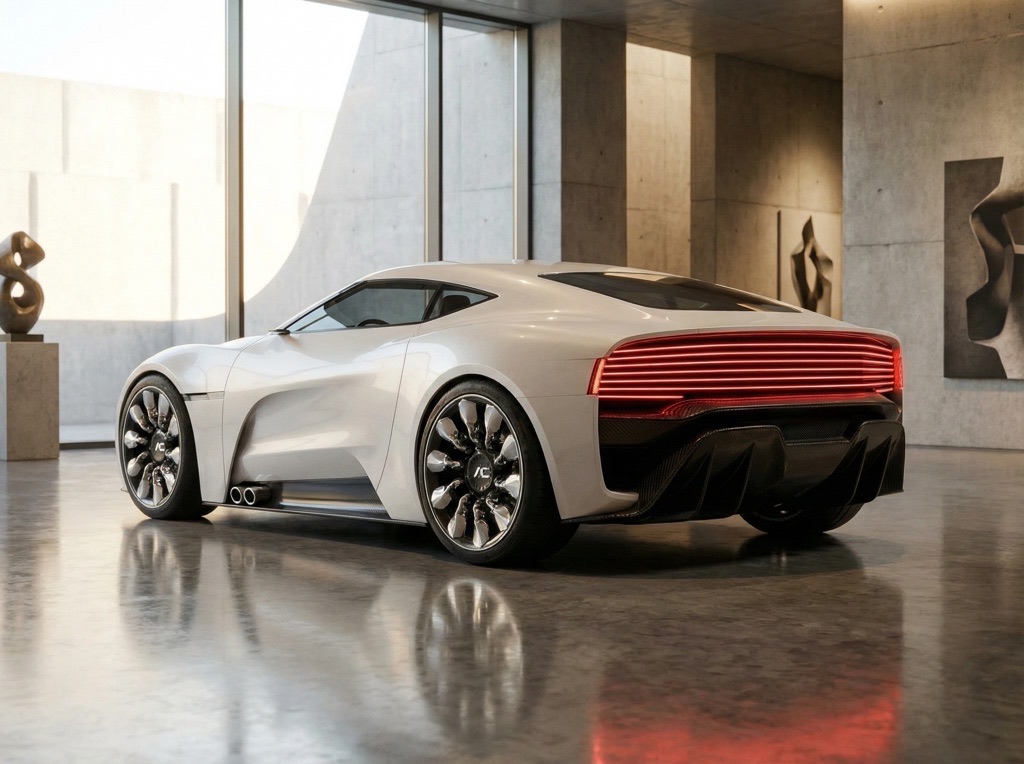
The AC Luxury GT’s exterior unifies through horizontal LED elements linking the front, 22-inch-plus wheels with illuminated spokes and cutouts, and full-width rear lights. The front grille employs layered LED strips for depth illusion without complex surfacing, inspired by Lincoln’s Star concept grille and Hyundai Ioniq 5’s parametric pixels—translated into Western luxury proportions. The fastback roofline and cab-forward stance suggest EV skateboard packaging, with smooth organic surfacing and subtle rear haunches implying performance.
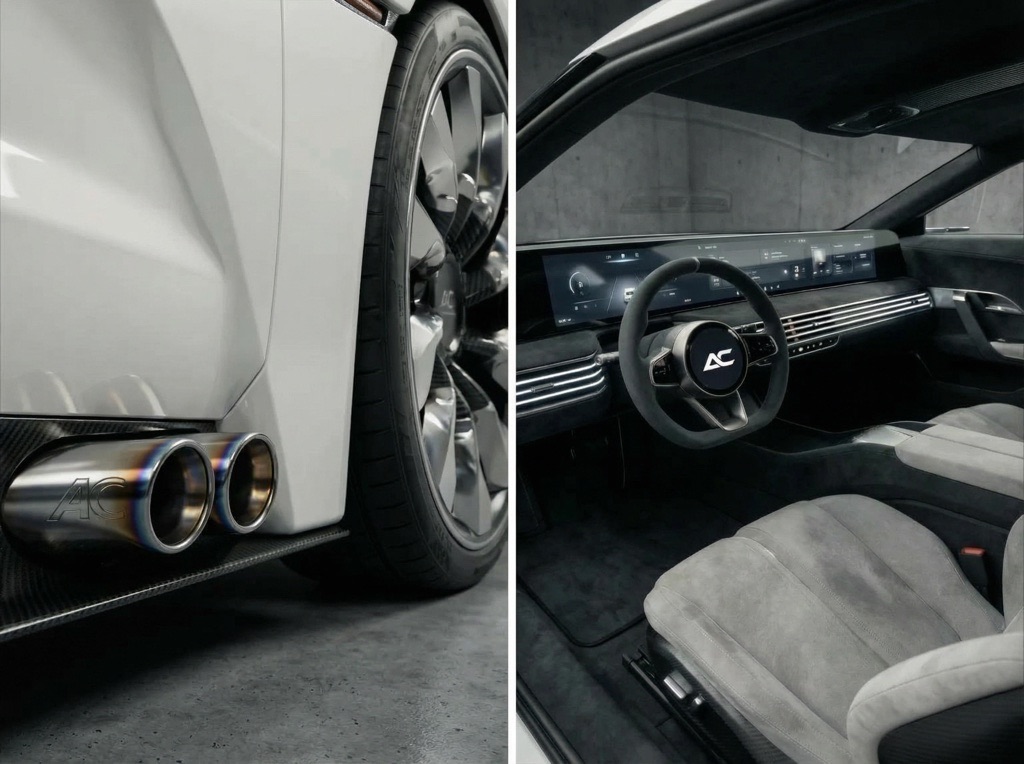
Rear details include a carbon fiber diffuser and four decorative exhaust tips, nodding to GT heritage despite electric intent. Wheels feature bold geometric openings and AC logos, prioritizing visual drama over aerodynamics. Renderings show composure in studio and dynamic European settings, emphasizing refinement over exaggeration.
 Cars
Cars
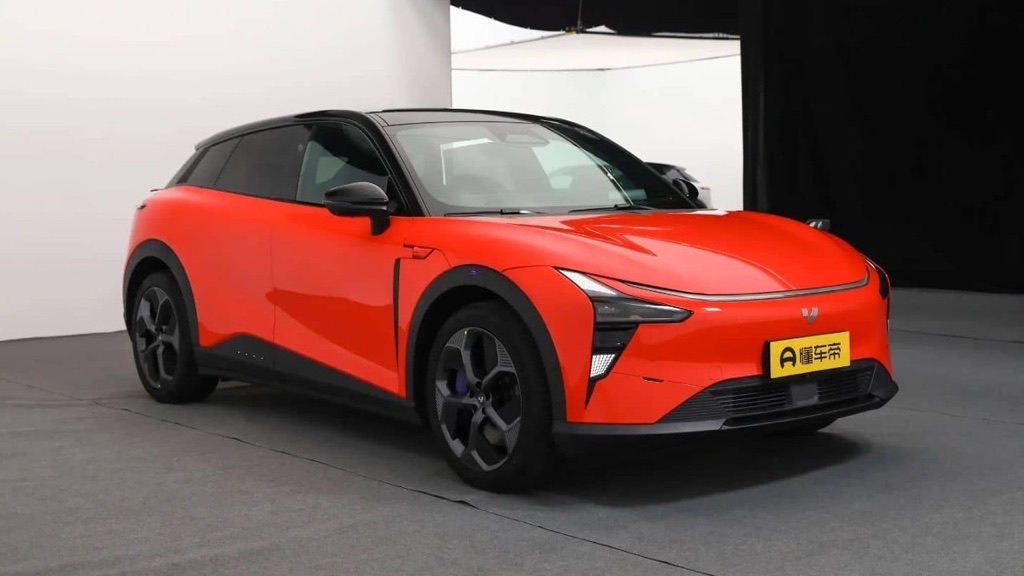
The Rise and Fall of Jiyue: A Cautionary Tale in EV Startups
A joint venture between Chinese tech giants Geely and Baidu has dramatically collapsed, leaving customers stranded and nearly $1 billion...
 News
News
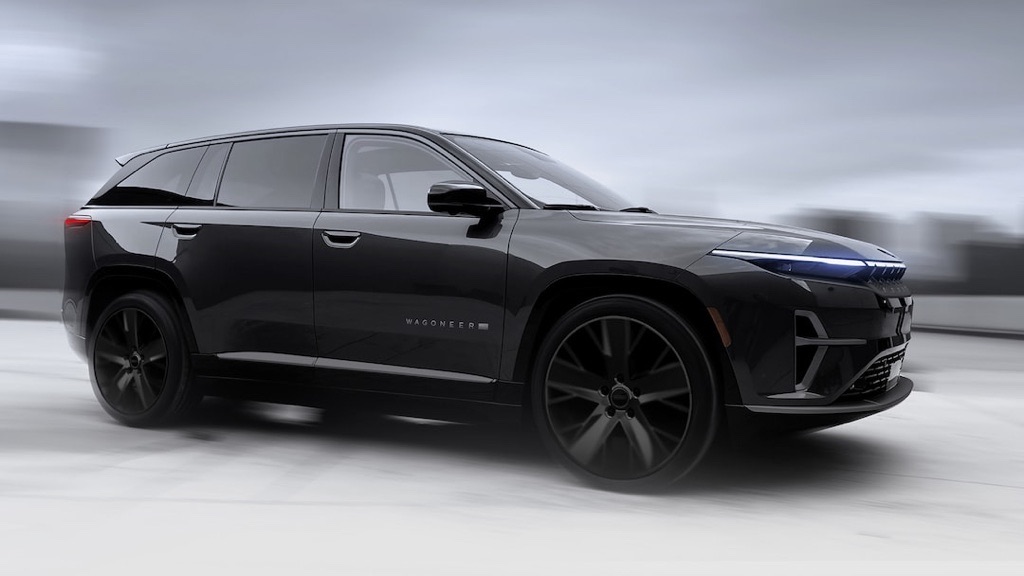
Jeep’s Electric SUVs: The Future of Urban Adventure
Jeep, an automotive icon, is making headlines with its latest announcements regarding electric SUVs. Here’s a breakdown: Jeep’s Electric SUV...
 Cars
Cars
Kia EV5 WKNDR Concept Revealed: Rugged Adventure EV with Off-Road Upgrades
Kia Unveils an Off-Road-Ready EV5 Variant at the Guangzhou Auto Show Adventure-focused EVs are becoming one of the fastest-growing segments...
Interior and Creation Process
Inside, a horizontal dashboard integrates a wide screen, paired with a physical steering wheel bearing the AC logo—mirroring wheel centers for brand cohesion. This avoids sensor-heavy designs, aligning with minimalist EV luxury norms dominated by screens and ambient lighting.
Casabo leveraged AI for efficiency: Midjourney generated base images, Vizcom handled design iterations, and Photoshop finalized compositions. This workflow accelerated concept realization, a growing trend in digital automotive ideation where tools enable rapid prototyping without physical models.
Design Analysis: Strengths and Limitations
The concept excels in disciplined visual language, extending LED motifs body-wide for identity without pastiche. It balances influences—Lincoln’s depth, Ioniq 5’s geometry—into plausible 2027 production aesthetics, with restraint signaling confidence in 2020s surfacing trends. Fastback GT proportions fit EV packaging, potentially enabling low seating and long range, though unconfirmed.
Critically, wheels appear production-impractical due to noise and drag from open designs. Lacking specs like powertrain or range leaves performance vague; it’s a styling exercise, not an engineering study. Questions remain: Could AC Cars pursue electrification? Real AC focuses on high-power ICE like the 1,025 hp GT SuperSport (0-62 mph in 3.4s, 172 mph top speed), not EVs yet.
Comparison with Competitors
| Model | Key Similarities | Key Differences |
|---|---|---|
| Piëch GT (2024 target) | Electric GT, 603 hp, 311-mile range, fastback | Confirmed production (1,200 units/yr), 75 kWh battery, 0-62 mph <3s; vs. AC concept’s no specs |
| Hyundai Ioniq 5 (influencer) | Parametric LED pixels, EV platform | Production SUV (not GT), 544 hp AWD option, 270-mile range; more angular vs. AC’s smooth luxury |
| Lincoln Star Concept (influencer) | Layered grille lighting for depth | Theatrical execution vs. AC’s restrained; not production GT |
The AC Luxury GT echoes Piëch GT’s electric sports focus but lacks concrete specs, differentiating as a purer styling vision. Versus influences, it refines Ioniq 5 boldness and Lincoln drama into cohesive luxury.
Verdict
Alex Casabo’s AC Luxury GT concept masterfully synthesizes EV luxury tropes—layered LEDs, fastback EV packaging, screen-centric cabins—into a refined 2027 vision, ideal for designers tracking trends or AC fans dreaming of electric Cobras. It’s not a production preview, given AC’s ICE supersport path, but highlights AI’s role in ideation. Best for enthusiasts valuing aesthetic foresight over specs; watch for real AC EVs, details unconfirmed.