
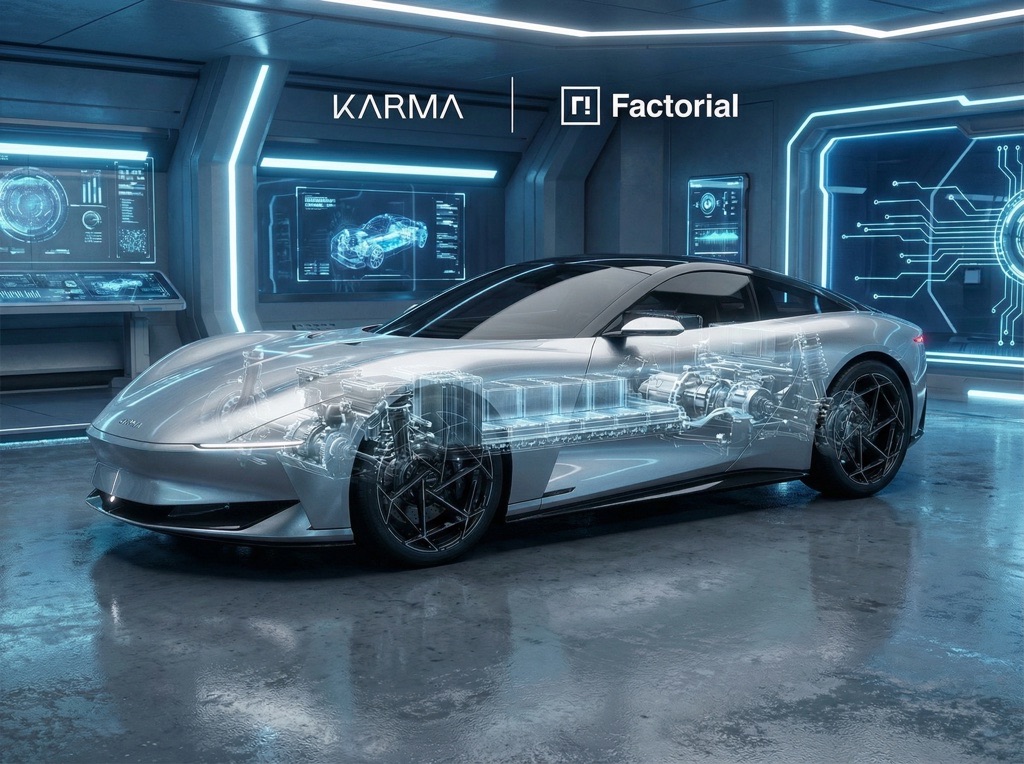
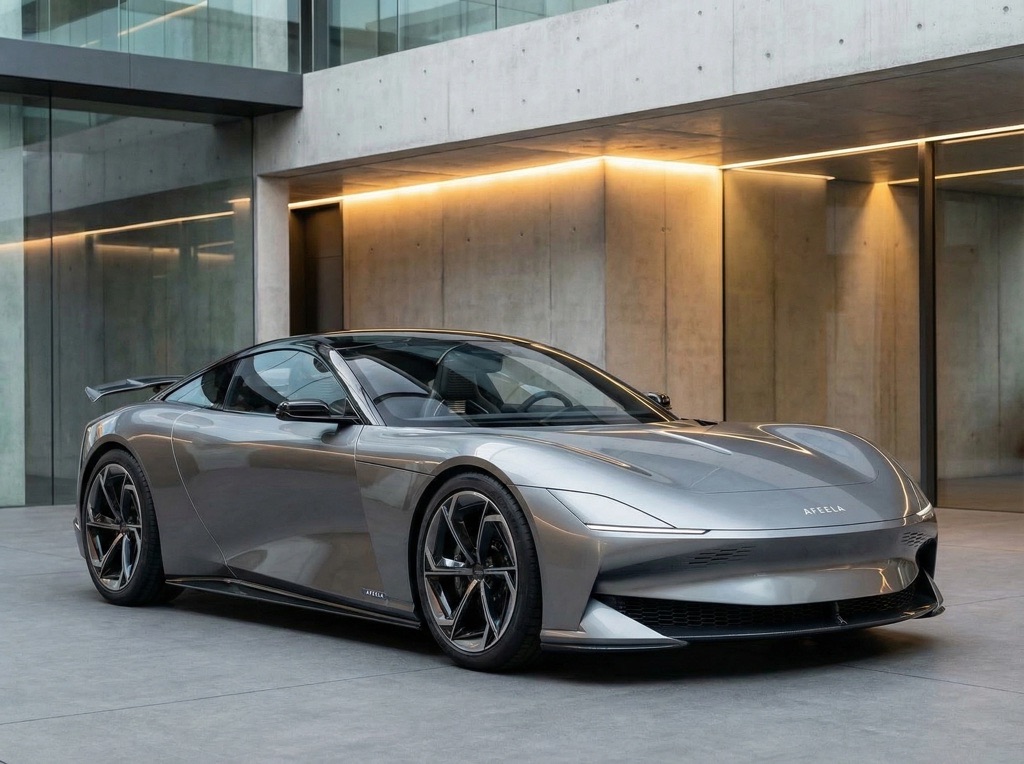
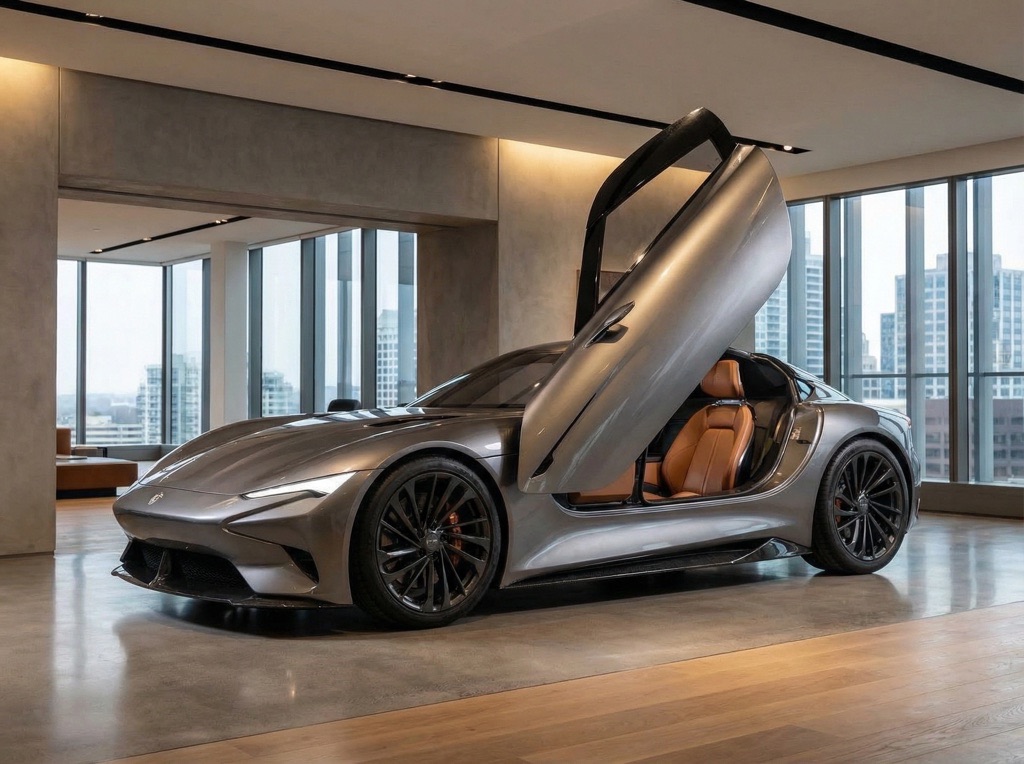
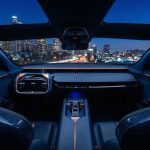
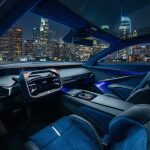
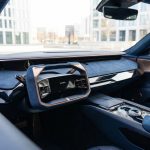
Karma Automotive and Factorial Energy have launched the first U.S. solid-state battery production program for passenger vehicles, integrating Factorial’s FEST technology into the all-electric Karma Kaveya super-coupe. This partnership targets a late 2027 U.S. market entry for the Kaveya, delivering over 1,000 horsepower and top speeds exceeding 200 mph, while validating solid-state tech in a production ultra-luxury EV. EV enthusiasts and investors should note this as a key step toward domestic solid-state commercialization, leveraging U.S.-based manufacturing for faster scaling.
Background: Karma and Factorial’s Positions in EV Innovation
Karma Automotive, based in Irvine, California, positions itself as America’s only full-line ultra-luxury automotive manufacturer. The company re-entered the market with the Kaveya concept in late 2023 but delayed its original 2025 launch to refine its next-generation platform, now incorporating advanced battery tech. Karma’s operations emphasize 100% U.S.-based engineering, design, and production, with a dealer network spanning North America, Europe, South America, and the Middle East. Its vehicles feature Software-Defined Vehicle Architecture (SDVA) developed with tech partners.
Factorial Energy, headquartered in the greater Boston area, leads in solid-state battery development with its proprietary FEST (Factorial Electrolyte System Technology) platform. FEST uses a high-energy electrolyte system for superior range and efficiency over lithium-ion batteries. The technology’s key advantage: compatibility with up to 80% of existing lithium-ion manufacturing equipment, enabling quicker commercialization without full factory overhauls. Factorial already partners with Mercedes-Benz, Stellantis, Hyundai, and Kia, marking this Karma deal as its first U.S. passenger-vehicle production program.
Key Specifications
| Specification | Details |
|---|---|
| Vehicle Model | Karma Kaveya (all-electric super-coupe) |
| Power Output | Over 1,000 horsepower |
| Torque | 1,270 lb-ft |
| Top Speed | Over 200 mph |
| 0-60 mph | Under 3.0 seconds |
| Range | More than 250 miles (details not yet confirmed) |
| Launch Timeline | Late 2027 (U.S. market) |
| Battery Technology | Factorial FEST solid-state (quasi-solid-state) |
| Manufacturing Compatibility | Up to 80% of existing Li-ion equipment |
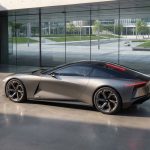
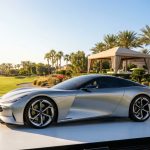
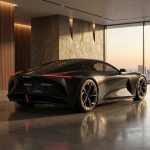
Technical Analysis: FEST Solid-State Advantages
Factorial’s FEST batteries employ a high-energy electrolyte system, promising extended driving range and improved efficiency tailored to the Kaveya’s high-performance demands. Unlike pure solid-state designs struggling with scalability, FEST is quasi-solid-state, integrating seamlessly into current production lines. This reduces costs and timelines, critical for Karma’s ultra-luxury positioning, where packaging and performance are non-negotiable.
The program validates solid-state tech in a real production environment, not just prototypes. Karma’s CEO noted it opens pathways to stronger electrified systems, while Factorial’s CEO highlighted U.S. leadership in scaling high-performance batteries. However, exact energy density figures, cycle life, or cost per kWh remain undisclosed, leaving questions on whether FEST truly outperforms rivals in longevity or charging speed.
 Cars
Cars
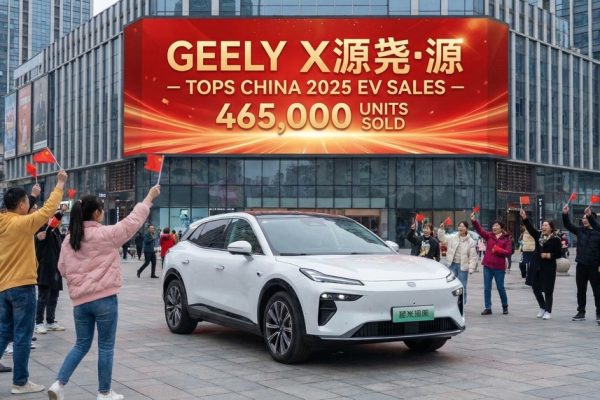
Geely Xingyuan Sells 465,775 Units in 2025 to Top China’s EV Sales, Dethroning Tesla Model Y
The Geely Galaxy Xingyuan has claimed the top spot in China’s 2025 battery electric vehicle (BEV) sales with 465,775 units...
 Cars
Cars
Xiaomi YU7 Hits Record Deliveries in November as SU7 Sales Continue to Decline
Xiaomi recorded another strong month in November, delivering 46,249 electric vehicles, according to new data from the China Passenger Car...
 Cars
Cars
Xiaomi YU7: The Electric SUV That Could Revolutionize the Market
Move over, traditional SUVs—there’s a new player in town. A Surprising Contender Xiaomi, a company once known primarily for smartphones,...
U.S. Manufacturing and Market Impact
This all-American collaboration—Karma’s Irvine facilities paired with Factorial’s Boston tech—bolsters domestic EV supply chains amid global competition. It accelerates hybrid and EV advancements without relying on overseas production. For luxury buyers, the Kaveya serves as a halo vehicle, potentially paving the way for broader adoption if real-world testing succeeds.
Critically, solid-state batteries face historical hurdles like dendrite formation and thermal management. Factorial claims FEST mitigates these via its electrolyte, but independent validation awaits. The 2027 timeline aligns with industry shifts, yet delays are common—Karma’s own postponement underscores execution risks.
Competitor Comparison
| Model/Program | Battery Tech | Power/Performance | Timeline/Status | U.S. Focus |
|---|---|---|---|---|
| Karma Kaveya + Factorial FEST | Solid-state (quasi) | >1,000 hp, >200 mph | Late 2027 production | Fully U.S.-made |
| Mercedes-Benz (Factorial partner) | FEST solid-state | Varies (luxury sedans) | Testing phase | Global, some U.S. |
| Hyundai/Kia Solid-State | In-house solid-state | High-performance EVs | 2025+ prototypes | Global production |
| Solid Power + BMW/Ford | Sulfide solid-state | Mid-luxury focus | 2026+ cells | U.S. cells, global vehicles |
The Kaveya stands out for its U.S.-centric production and extreme performance, contrasting Mercedes’ broader testing or Hyundai’s mass-market aims. Solid Power lags in vehicle integration timelines.
Verdict
This Karma-Factorial partnership positions the Kaveya as a credible flagship for U.S. solid-state EVs, ideal for affluent performance buyers seeking domestic innovation over imported luxury. Success hinges on 2027 delivery and proven FEST superiority in range/efficiency; failures could reinforce skepticism. Watch for prototype tests—it’s a high-stakes bet on American battery leadership.