The 2027 Slate Truck starts at around $27,500 before incentives, potentially dropping to $20,000 with the federal EV tax credit. This rear-wheel-drive electric pickup from startup Slate emphasizes modular composite body panels for easy repairs and conversions to an SUV configuration. With over 150,000 reservations, it aims to deliver basic electric trucking to budget-conscious buyers amid high EV prices.
Background: Slate’s Push into Modular EVs
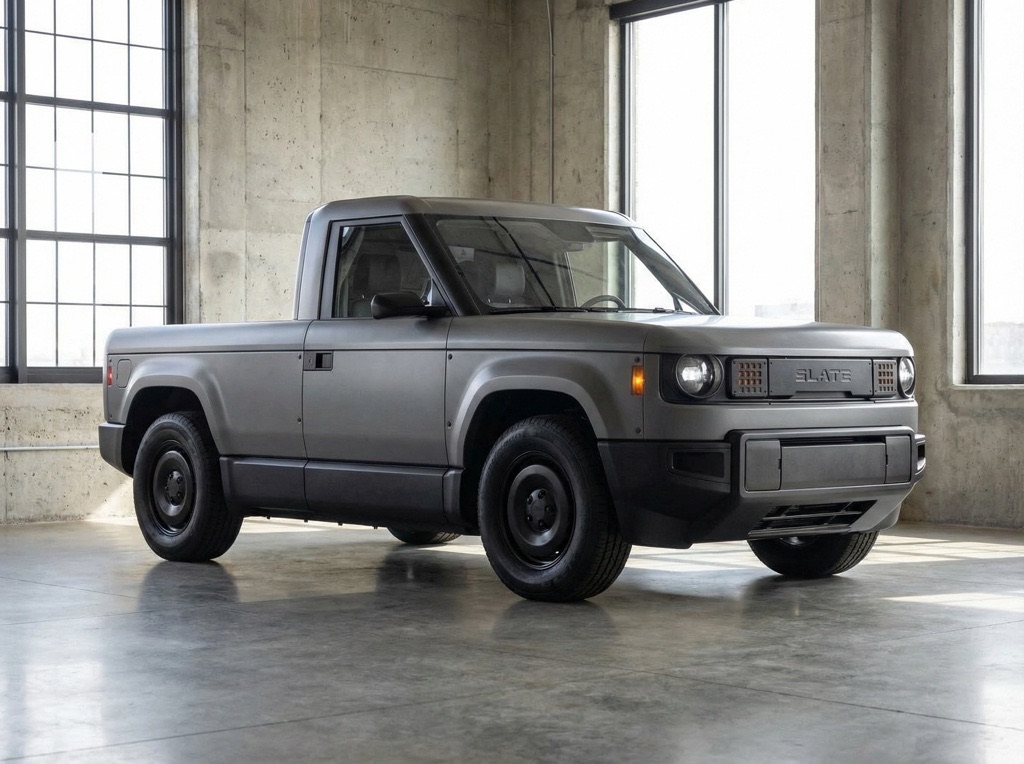
Slate Auto, a nascent automaker, is developing the Slate Truck at a repurposed factory in Warsaw, Indiana, with production slated for late 2026. The company promotes a ‘right to repair’ approach, using exposed fasteners on thermoplastic body panels that owners can replace with basic tools, similar to IKEA furniture assembly[Source]. This contrasts with traditional automakers’ sealed designs requiring dealer service.
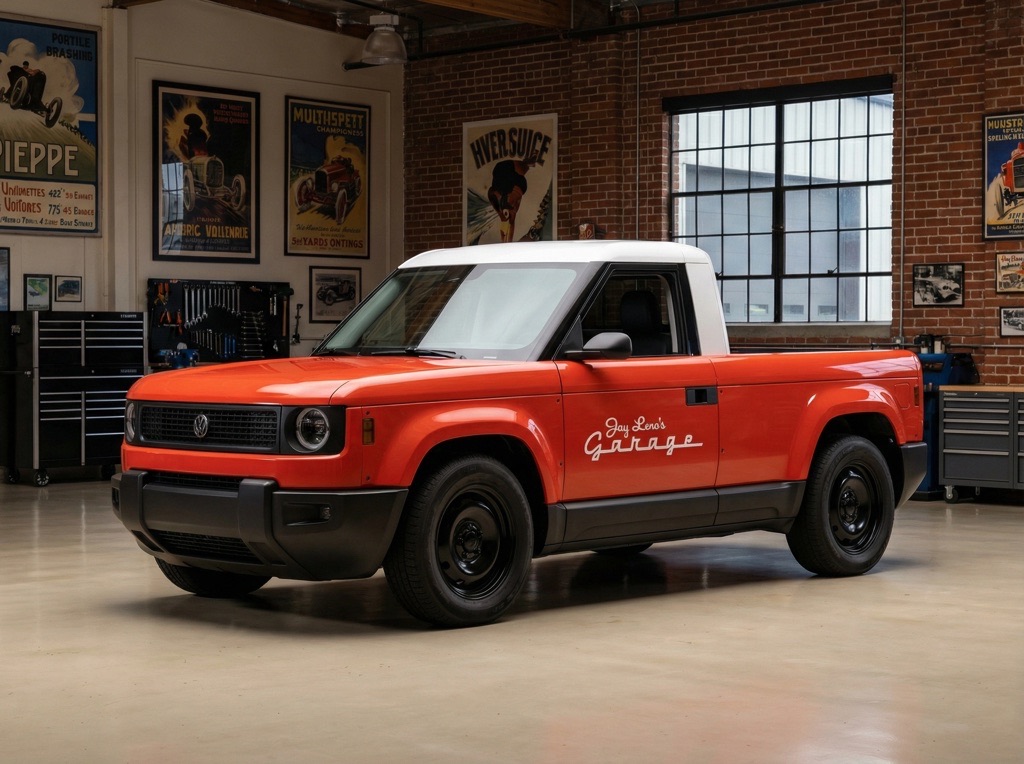
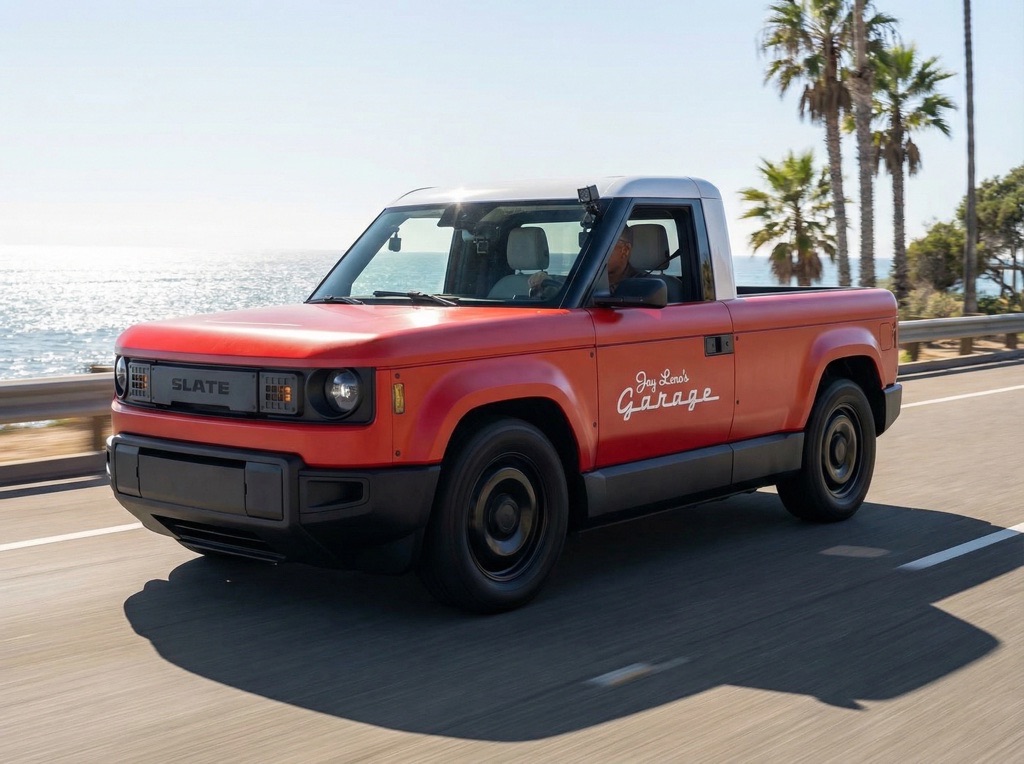
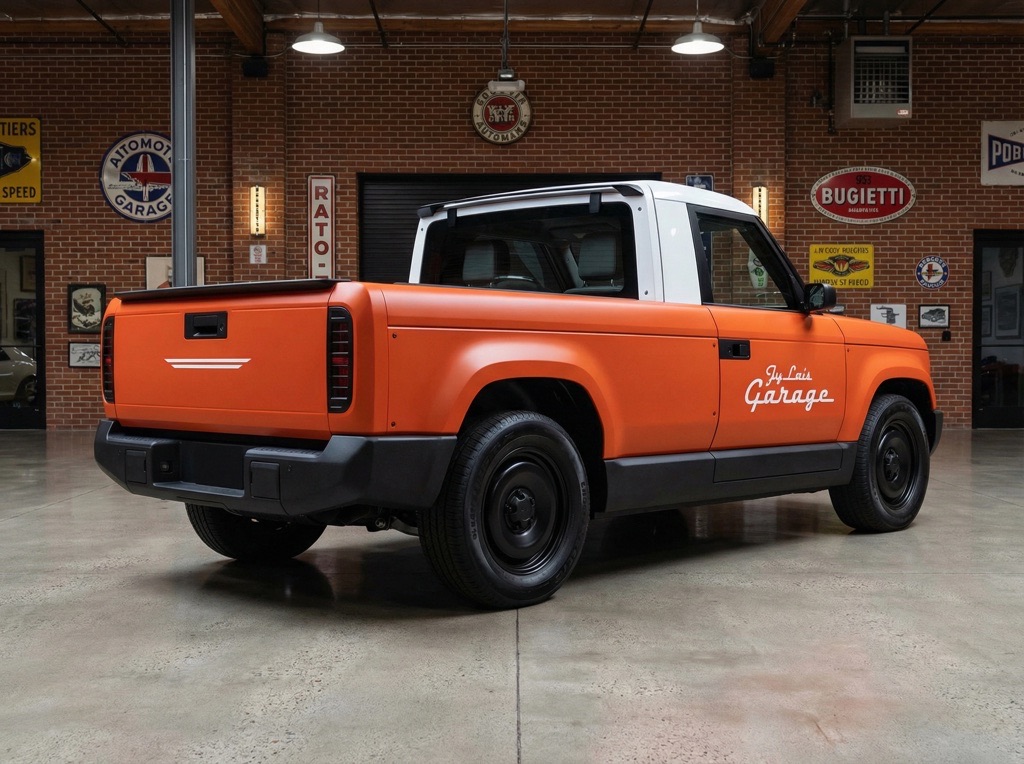
Originally pitched under $20,000 with tax credits, the base price settled at $27,000-$27,500 after changes to federal incentives[Source]. Reservations exceed 150,000, signaling demand for a no-frills EV truck smaller than competitors like the Ford Maverick. CEO representatives showcased a prototype on Jay Leno’s Garage, highlighting DIY modularity like truck-to-SUV kits[Source]. Skeptics, including Ram’s Tim Kuniskis, question the simplistic build’s durability.
Key Specifications
| Specification | Details |
|---|---|
| Base Price | $27,000-$27,500 (est., before incentives); as low as $19,500-$20,000 after $7,500 federal tax credit |
| Powertrain | Single rear permanent-magnet motor, 201 hp, 195 lb-ft torque, RWD, single-speed auto |
| Battery & Range | Standard: 52.7 kWh, 150 miles est.Optionnel : 84,3 kWh, 240 miles est. |
| Performance | 0-60 mph in 8.0 sec (est.), top speed 90 mph |
| Charging | NACS port; AC up to 11 kW, DC fast up to 120 kW (20-80% in 30 min) |
| Dimensions | 174.6 x 70.6 x 69.3 in, wheelbase 108.9 in, curb weight ~3,600 lb |
| Payload/Towing | 1,433 lb payload, 1,000 lb towing |
| Features | 2-seat cab, manual windows, power locks, cruise control, AEB, digital cluster w/ rearview camera, 7 cu ft frunk, 5 ft bed |
| On Sale | Winter/Late 2026 |
Design and Modularity Analysis
The Slate Truck’s thermoplastic panels with exposed fasteners enable user repairs and customizations without specialized tools[Source]. An optional kit converts the pickup to an SUV by adding panels, increasing versatility for under $28,000 total. This ‘Lego-like’ approach supports right-to-repair, allowing mechanic or DIY fixes without voiding warranty[Source]. Battery uses SK-On NMC cells from a US plant.
 Cars
Cars
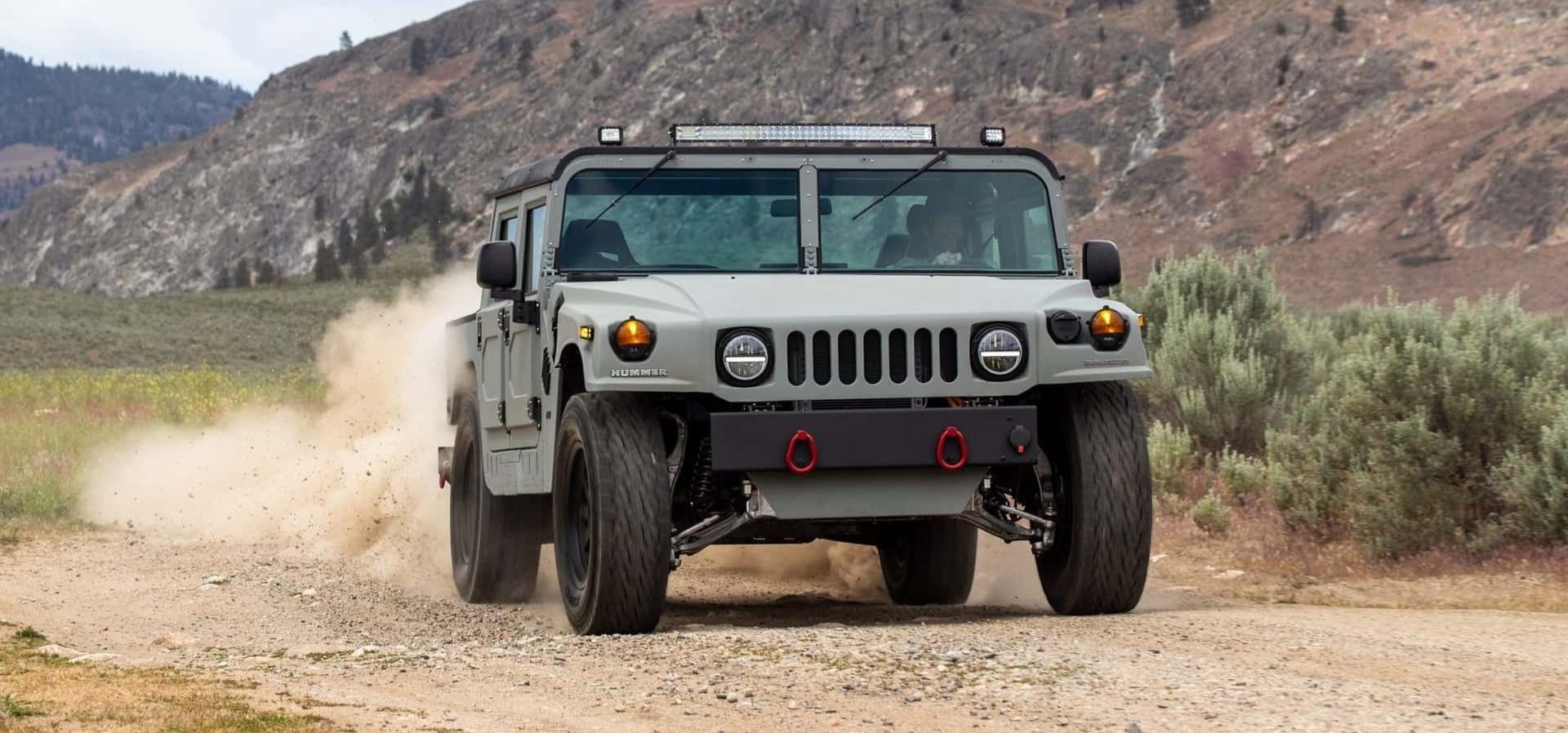
The Cyber Hummer: North American Electric Vehicles Transforms the Iconic H1 into a Tesla-Powered Beast
Electric Evolution of an Off-Road Legend The iconic Hummer H1, known for its military heritage and commanding presence, has received...
 Cars
Cars
Lotus Eletre Drops 50% in Canada: How Tariff Deal Reshapes Premium EV Pricing
Canada’s dramatic tariff reduction on Chinese electric vehicles has handed Lotus Technology a competitive lifeline, slashing the Eletre’s price by...
 Cars
Cars
Lucid Stock Surges 15% on Cantor Fitzgerald’s 116% Upside Call, Saudi PIF Commitment Eases Funding Fears
Lucid Motors Rebounds on Saudi Backing and Autonomous Vehicle Momentum Lucid Motors shares jumped more than 15% on Wednesday following...
Performance and Practicality
With 201 hp and RWD, it achieves 0-60 mph in 8 seconds, suitable for urban/light-duty tasks but not high-performance. The 150-mile standard range suits short commutes; the 240-mile option adds weight and cost. Payload nears Maverick levels at 1,433 lb, though towing maxes at 1,000 lb. Safety targets 5-star ratings via crash-tested prototypes, with standard AEB. Minimalist interior includes hand-crank windows and a phone holder, prioritizing cost over comfort.


Production and Market Risks
Deliveries from Indiana start in 2026, but startup timelines often slip due to funding or supply issues[Source]. Reliance on the $7,500 tax credit for sub-$20k pricing adds uncertainty if policy changes. Basic features may deter luxury seekers, and real-world range/durability remains unproven.
Comparison with Competitors
| Model | Base Price | Range | Payload/Towing | Seats |
|---|---|---|---|---|
| Slate Truck | $27,500 ($20k w/ credit) | 150-240 mi | 1,433 lb / 1,000 lb | 2 |
| Ford Maverick (gas) | $28,590 | N/A | 1,500 lb / 2,000 lb | 5 |
| Nissan Leaf S | $29,280 | 149 mi | N/A | 5 |
| Cybertruck (base) | $61,000+ | 250+ mi | 2,500 lb / 11,000 lb | 5+ |
Slate undercuts the Leaf post-credit and matches Maverick size/pricing but lacks seats and hybrid efficiency. Cybertruck offers more capability at triple the cost[Source].
Verdict
The Slate Truck delivers credible value for solo workers needing a cheap, repairable EV pickup with 150-mile range and modularity, undercutting most rivals pre-incentives. It’s ideal for heartland users prioritizing affordability over features, but production delays, tax credit dependency, and bare-bones spec raise risks—details like final pricing and AWD plans unconfirmed. If Slate delivers late 2026, it could disrupt the sub-$30k segment.