TL;DR
Electric cars are cheaper long-term for most drivers, mainly due to lower energy costs, fewer maintenance items, and longer component lifespans. Gas cars remain cheaper upfront, but higher fuel and repair costs usually erase that advantage after several years.
If you remember one thing:
👉 If you drive more than ~12,000 miles (20,000 km) per year, an EV almost always wins on total cost.
💡 Quick Tip: Home charging + time-of-use electricity rates dramatically increase EV savings.
Why Trust This Guide
This analysis is based on real-world ownership data, long-term cost studies, and manufacturer guidance from brands like Tesla, Toyota, BMW, and Hyundai, combined with current 2026 fuel, electricity, and maintenance cost trends.
Introduction: Why Long-Term Cost Matters in 2026
Most buyers focus on the sticker price. That’s a mistake.
The true cost of a car is revealed over years of ownership — fuel or electricity, servicing, repairs, and resale value.
In 2026, electric vehicles will no longer be experimental. Battery warranties now reach 8–10 years, charging infrastructure is widespread, and energy prices increasingly favor electricity over gasoline. This guide breaks down where the money really goes — and which option makes financial sense long term.
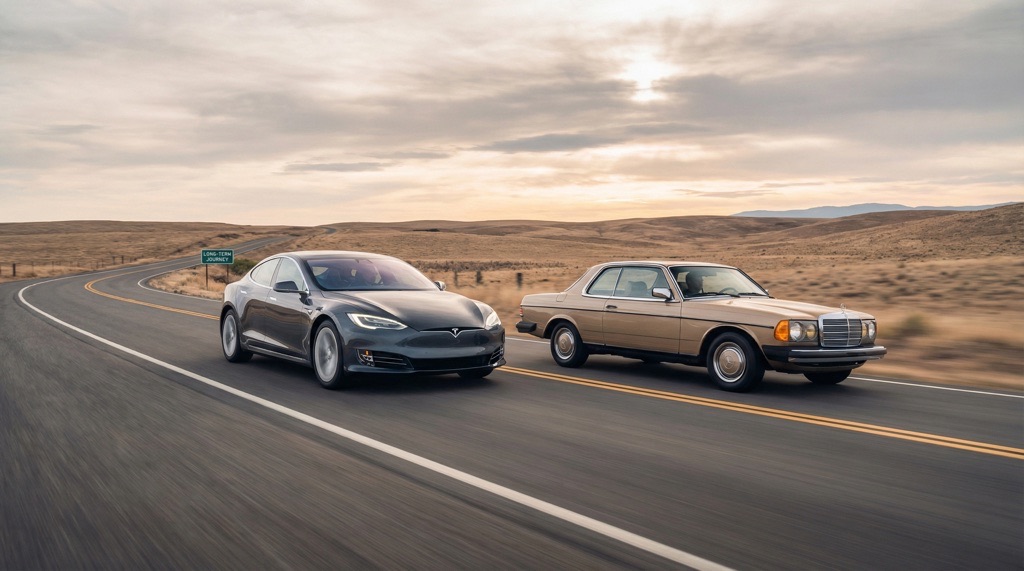
Key Facts at a Glance
- Best long-term value: Electric cars
- Lowest running costs: Electric cars
- Lowest upfront price: Gas cars
- Maintenance savings: EVs save 30–50%
- Expert verdict: EVs are cheaper for most drivers over 5–10 years
How Electric vs Gas Car Costs Work in Real Life
What “Long-Term Cost” Actually Means
Long-term ownership cost includes:
- Purchase price
- Energy (fuel or electricity)
- Maintenance & repairs
- Taxes, incentives, and depreciation
A cheaper car upfront can still be more expensive overall.
Cost Breakdown: Electric vs Gas Cars
1. Purchase Price
| Type | Average Price (2026) |
|---|---|
| Electric car | Higher upfront |
| Gas car | Lower upfront |
Gas cars usually cost less to buy. EV prices are falling, but batteries still add cost.
✅ Short-term winner: Gas
✅ Long-term relevance: Low
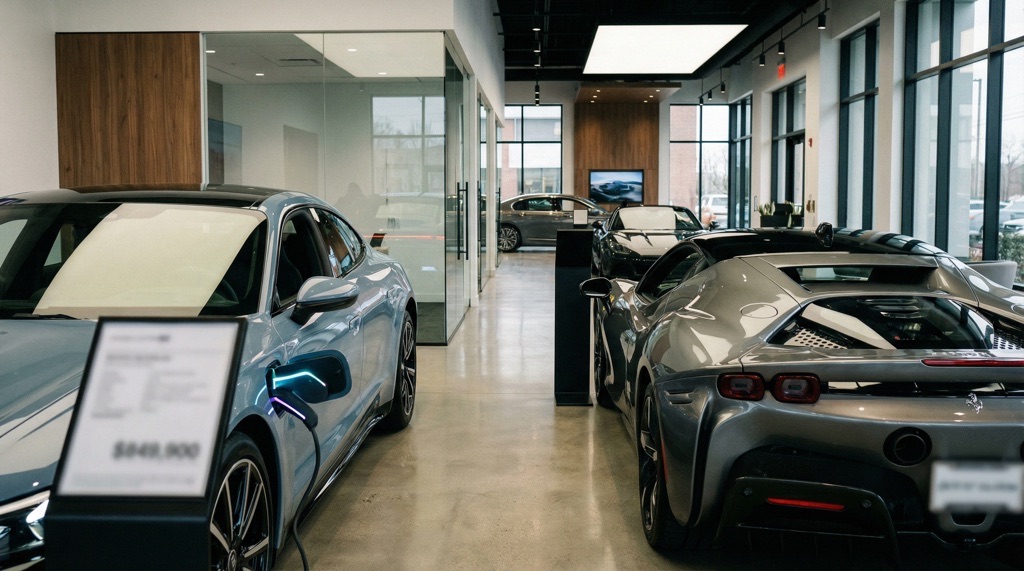
2. Energy Costs (Fuel vs Charging)
| Cost per mile | Electric | Gas |
|---|---|---|
| Average | $0.03–$0.05 | $0.10–$0.15 |
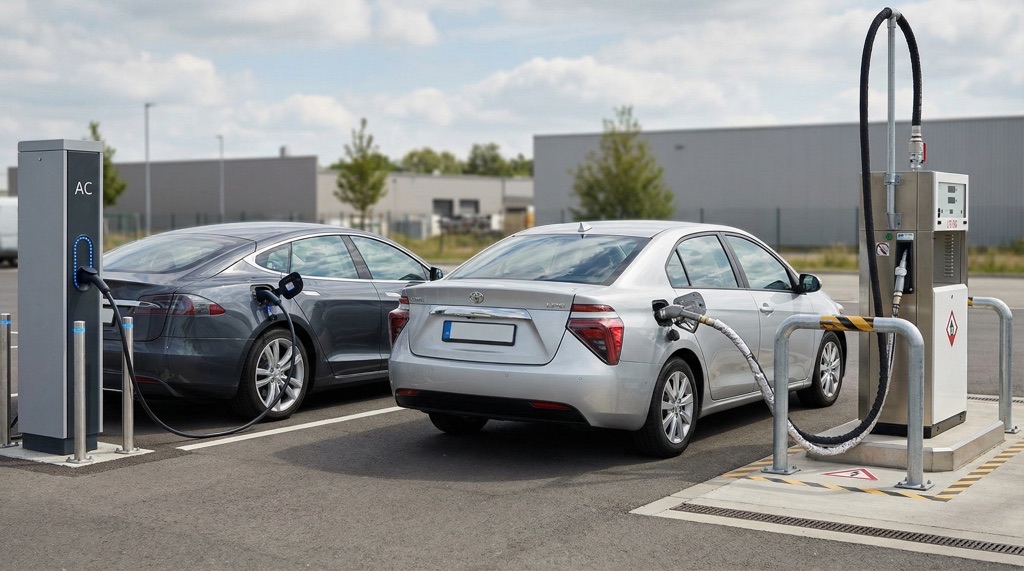
Electricity is dramatically cheaper than gasoline — especially with home charging.
 Tips & Tricks
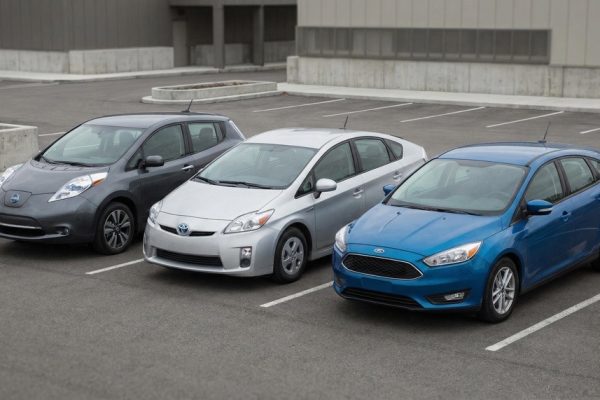
Used EV vs Gas vs Hybrid: Everything You Need to Know (2026 Guide
TL;DR — Direct Answer In 2026, used EVs are the cheapest cars to own long-term, used hybrids are the safest...
 Tips & Tricks
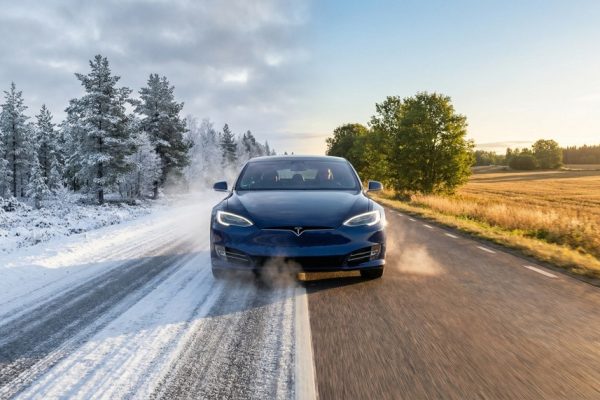
How to Increase Real-World EV Range in Winter and Summer: Everything You Need to Know (2026 Guide)
TL;DR — Quick Answer Cold and hot weather can reduce real-world EV range by 10–40%, mainly due to battery chemistry...
 Tips & Tricks
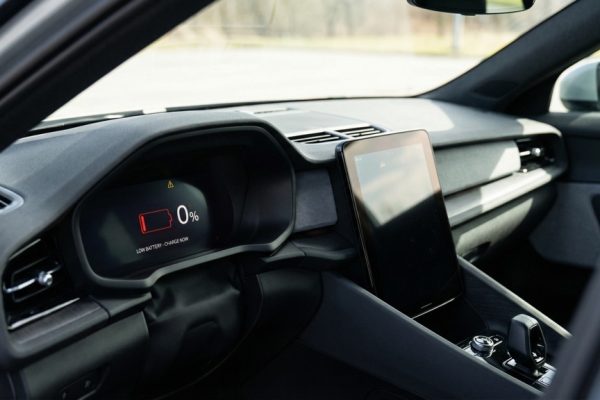
What Happens at 0% Battery in an Electric Car? (2026 Guide)
TL;DR — Quick Answer When your electric car shows 0% battery, it is not empty. Most EVs keep a hidden...
✅ Clear winner: Electric cars
3. Maintenance & Repairs
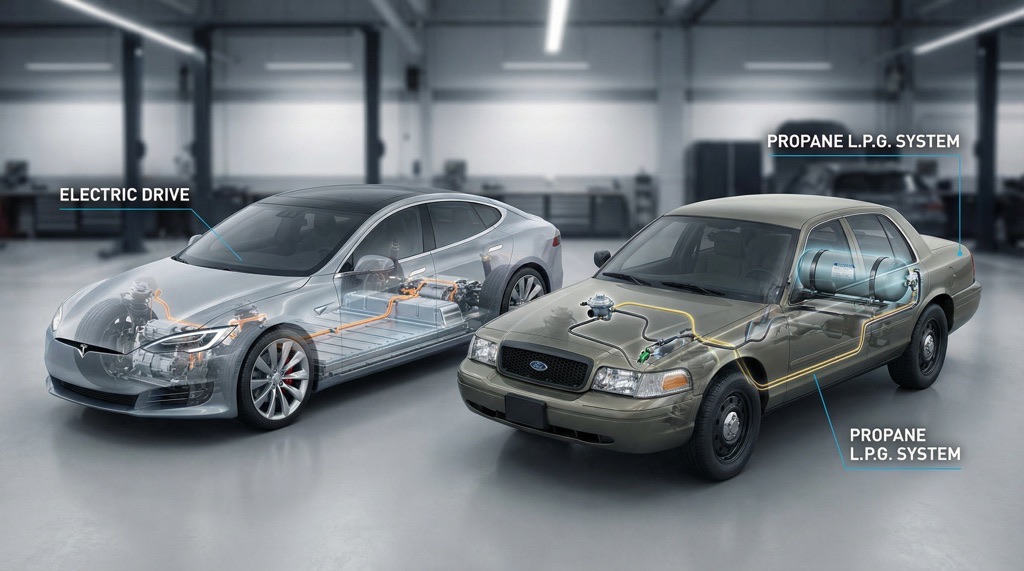
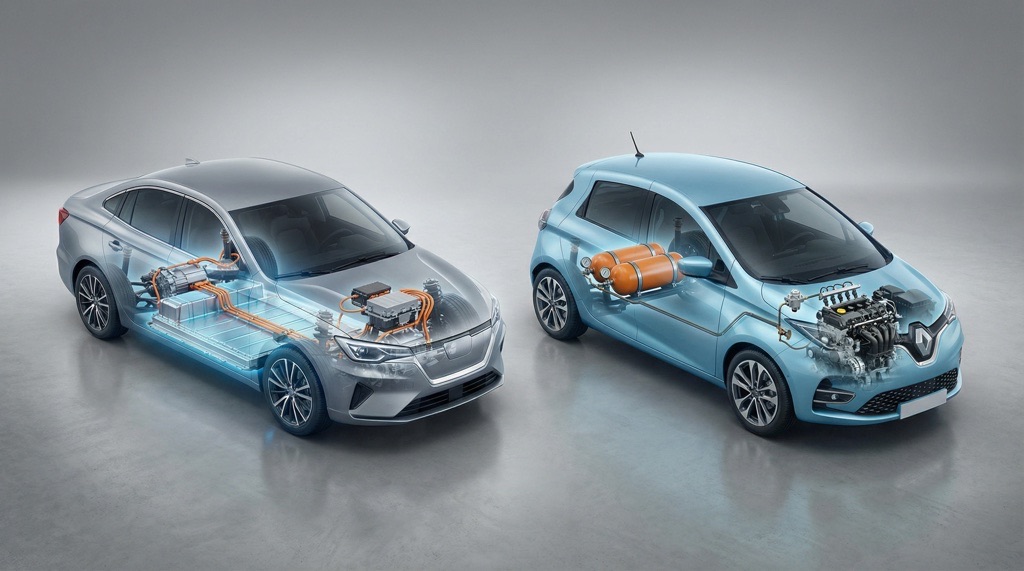
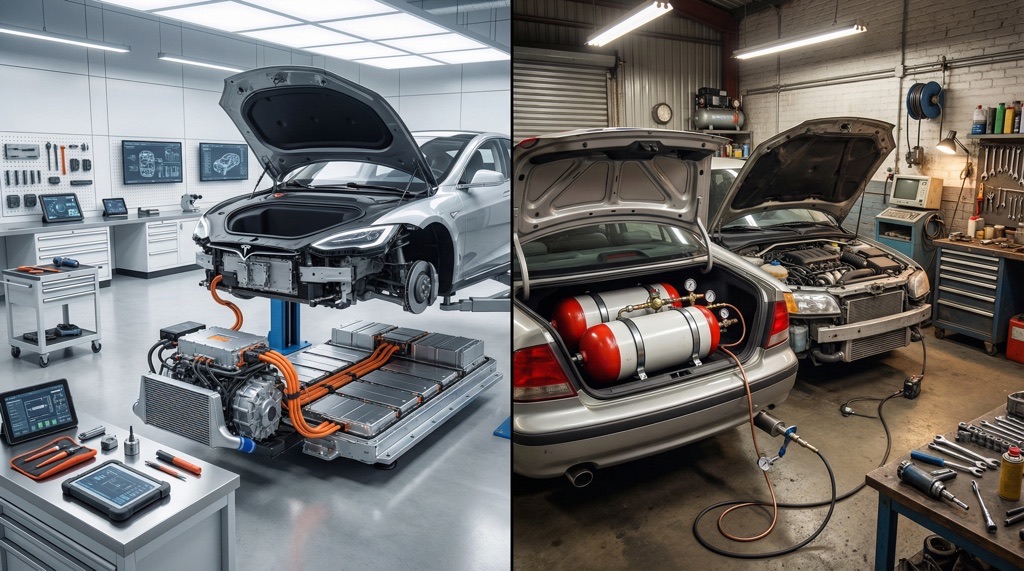
Electric cars have:
- No oil changes
- No spark plugs
- No exhaust systems
- Fewer moving parts
Gas cars require regular servicing and wear-related repairs.
| Maintenance over 5 years | Electric | Gas |
|---|---|---|
| Estimated cost | Low | High |
✅ Winner: Electric cars
4. Battery vs Engine Longevity
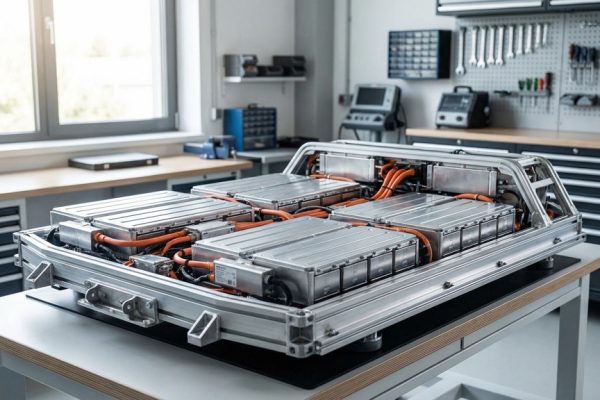
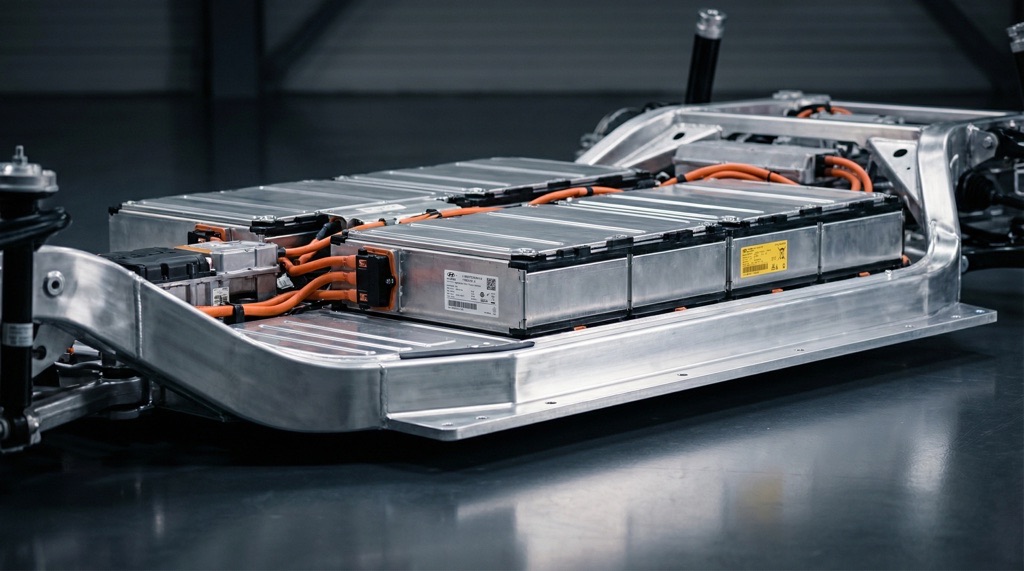
EV batteries (modern LFP & NMC):
- Designed for 300,000–500,000 km
- 8–10 year warranties are common
Gas engines:
- More frequent failures
- Transmission issues are common after 150,000+ km
Battery replacement is rare within normal ownership periods.
Advantages of Electric Cars
✅ Much lower energy cost
✅ Minimal maintenance
✅ Fewer mechanical failures
✅ Higher efficiency (70–90% vs 25–30%)
✅ Better resale value stability in EV-friendly markets
Disadvantages & Limitations
❌ Higher upfront price
❌ Charging access needed (home charging matters)
❌ Savings depend on the electricity price
Gas cars still make sense for very low-mileage drivers.
Common Mistakes to Avoid
- Comparing only the purchase price
- Ignoring fuel cost over the years
- Overestimating battery replacement risk
- Underestimating maintenance on gas cars
Myth vs Reality
- Myth: EV batteries fail quickly
Reality: Most outlast the car’s first owner - Myth: Gas cars are always cheaper
Reality: Only for low-mileage use
Real-World Use Cases
City Driving
EVs dominate due to regenerative braking and low speeds.
Highway Driving
Still cheaper with EVs if charging at home.
Cold Climates
Slightly higher EV energy use, still cheaper overall.
Beginners
Gas cars feel familiar, but EVs are simpler to own.
Electric vs Gas Cars: Cost Comparison Table
| Factor | Electric Car | Gas Car |
|---|---|---|
| Energy cost | Low | High |
| Maintenance | Very low | Moderate–high |
| Repairs | Fewer | More frequent |
| Long-term cost | Lower | Higher |
| Best for | Daily drivers | Low-mileage users |
Who Should Choose Which?
Choose an Electric Car If:
✔ You drive regularly
✔ You can charge at home or work
✔ You plan to own the car 5+ years
Stick With Gas If:
❌ You drive very little
❌ No charging access
❌ Short ownership period
Manufacturer & Expert Tips
Manufacturer Recommendations
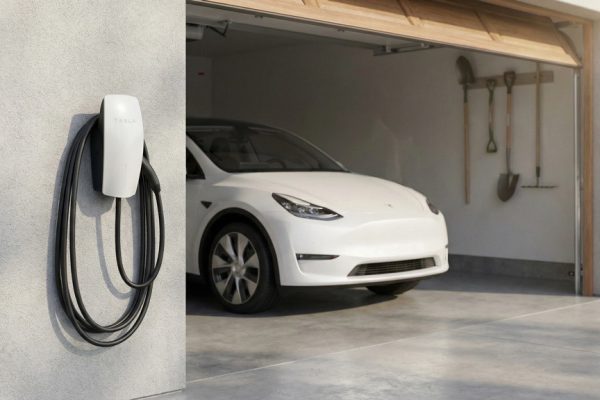
- Tesla: Home charging maximizes savings
- Hyundai / BMW: Battery health is preserved with moderate charging
- Toyota: Hybrids bridge cost gaps for hesitant buyers
Practical Expert Tips
- Install home charging if possible
- Use off-peak electricity rates
- Don’t fear battery warranties
Future Outlook (2026+)
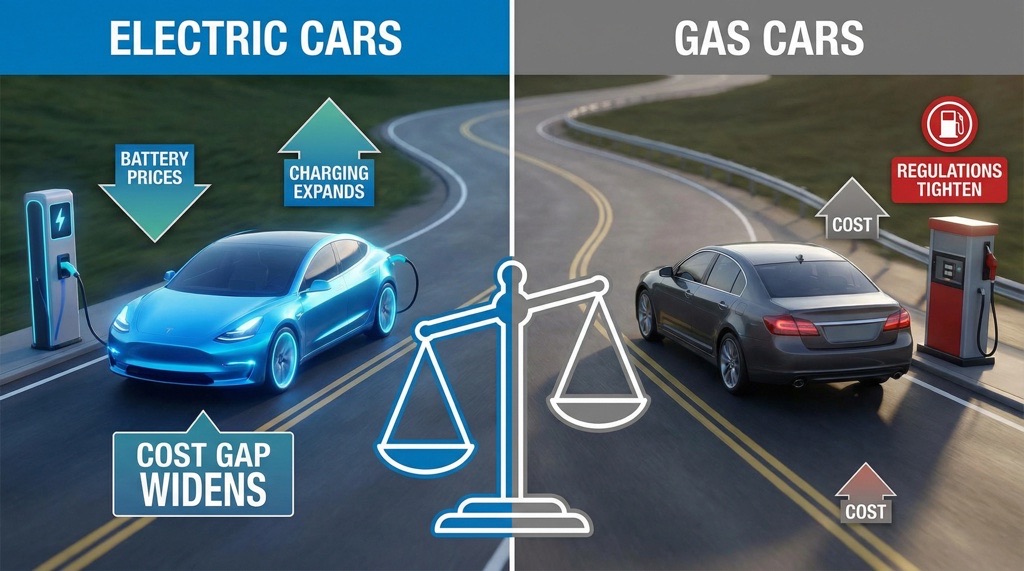
Battery prices continue to fall, charging expands, and gas regulations tighten. The cost gap will widen further in favor of electric cars, not shrink.
Final Verdict: Which Is Cheaper Long Term?
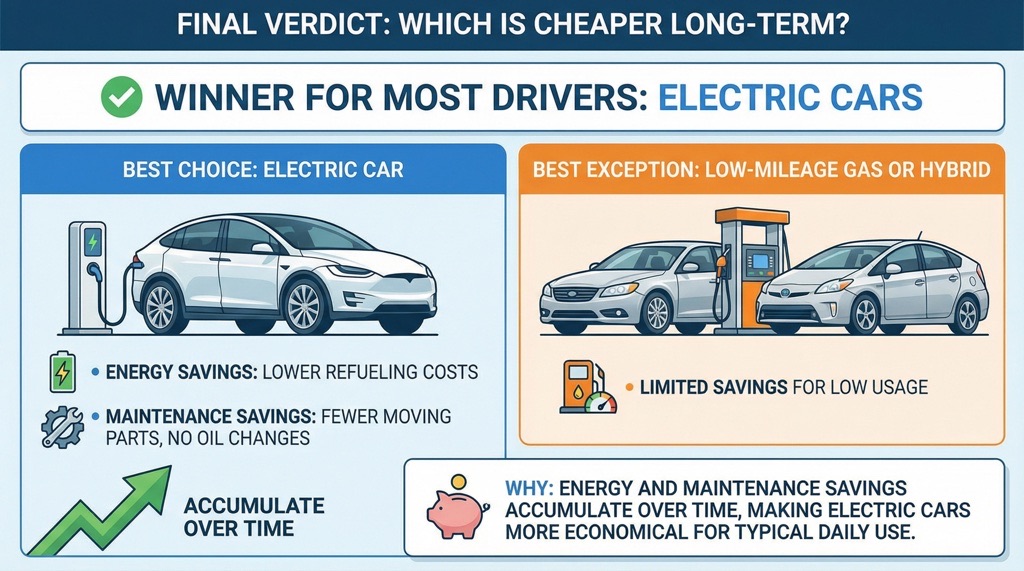
Electric cars win for most drivers.
Best choice: Electric car
Best exception: Low-mileage gas or hybrid
Why: Energy + maintenance savings compound over time
Summary
- Best option: Electric car
- Biggest risk: No charging access
- Best use case: Daily driving
- Expert takeaway: Long-term savings favor EVs
Internal Linking
- EV Battery Lifespan Guide
- True Cost of Electric Car Ownership
- Fast vs Slow Charging Explained
- Best Electric Cars 2026
Frequently Asked Questions
Q: Are electric cars cheaper than gas cars long term?
A: Yes, for most drivers after 4–6 years.
Q: What about battery replacement cost?
A: Rare within normal ownership; covered by warranty.
Q: Is maintenance really that much cheaper?
A: Yes — typically 30–50% less.
Q: Do EVs depreciate faster?
A: Not anymore; modern EVs hold value well.
Q: Are hybrids cheaper than EVs?
A: Sometimes short-term, rarely long-term.
Q: Does charging cost more than gas?
A: Rarely, especially at home.