
Buying a used electric car sounds like the smartest way to go electric — until the questions start.
Is the battery still good? Is the range enough? Am I buying yesterday’s tech?
Here’s the good news: in 2026, used EVs are safer, cheaper, and more predictable than ever — if you know which models to choose and what to check.
Short Answer
Yes — the best used electric cars in 2026 offer excellent value, with slower-than-expected battery degradation, low running costs, and proven real-world reliability.
TL;DR
✅ EV batteries age more slowly than people think
✅ Used prices are finally realistic
❌ Some early models have a weak range or slow charging
👉 Buy proven mass-market EVs, not first-generation experiments
Who This Guide Is For
This guide is for you if:
- You want to switch to EVs without paying new-car prices
- You plan to keep the car 3–5 years
- You drive mostly city or daily commuting routes
This guide is NOT for you if:
- You drive 600+ km trips weekly
- You can’t charge at home or nearby
- You want cutting-edge tech at any cost
Why People Search “Best Used Electric Cars”
People are trying to:
 Reviews
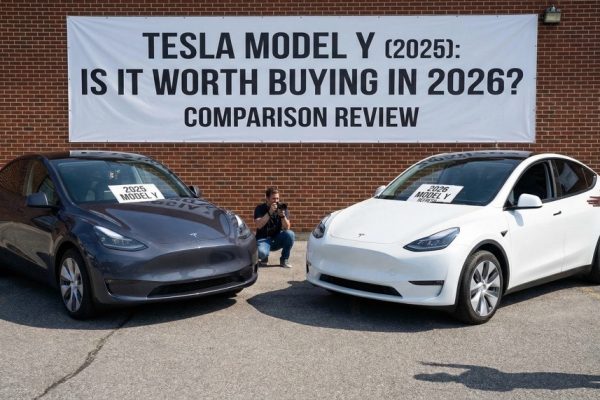
Tesla Model Y (2025): Is It Worth Buying in 2026?
TL;DR ✅ Buy the Tesla Model Y in 2026 if you want: Predictable real-world range with no surprises Reliable fast...
 Reviews
Electric Car Buying Guide 2026: The Smart Buyer’s Decision Framework
In 2026, buying an electric car isn’t risky. Buying the wrong electric car is EVs are no longer early-adopter experiments....
 Cars
Cars
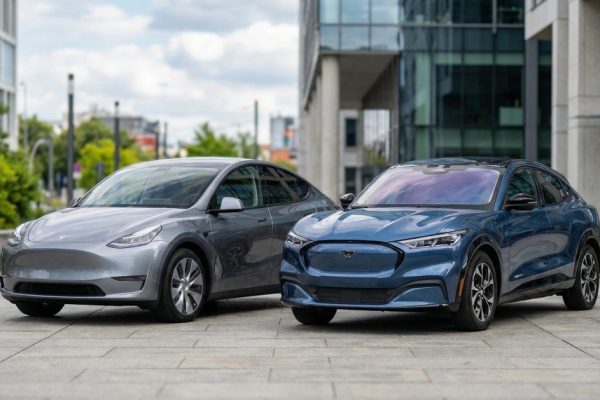
Tesla Model Y vs Ford Mustang Mach-E (2026): Range, Charging, Price & Verdict
TL;DR • Choose Tesla Model Y if you want superior charging speed, better straight-line performance. • Choose Ford Mustang Mach-E...
- Save money vs buying new
- Avoid battery horror stories
- Find which EVs age well
In short, people want EV savings without making an expensive mistake.
The Real Concern: Batteries
Let’s be honest — batteries scare buyers.
Reality in 2026:
- Most modern EVs lose 10–15% capacity after ~200,000 km
- Thermal management matters more than brand hype
- Daily usability usually stays almost unchanged
👉 The battery is rarely the deal-breaker — poor model choice is.
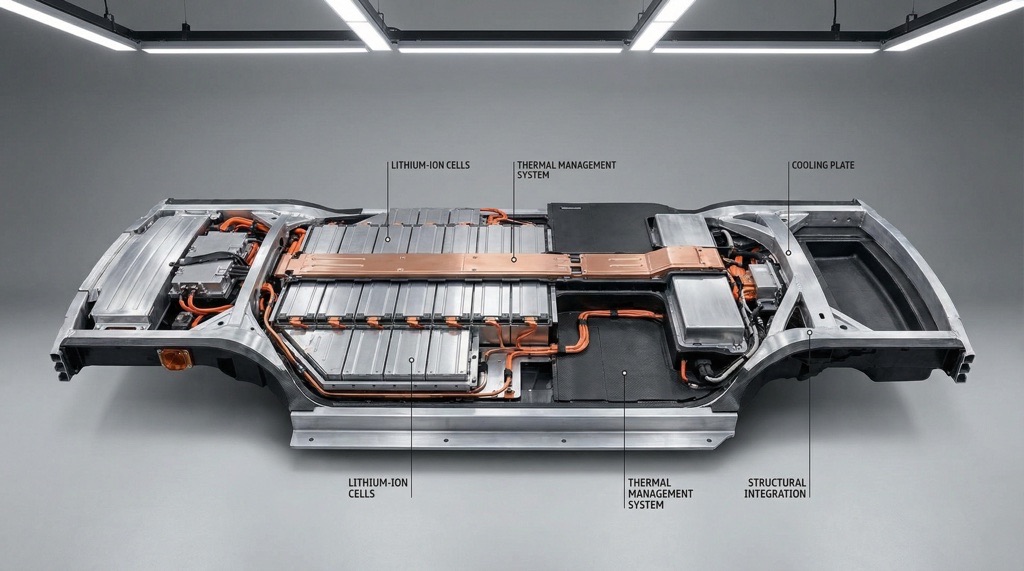
Real-World Battery Degradation (Average)
| EV Age | Mileage | Typical Battery Health |
|---|---|---|
| 3 years | 60,000 km | 94–97% |
| 5 years | 120,000 km | 90–93% |
| 8 years | 200,000 km | 85–90% |
📊 Data based on fleet reports and owner diagnostics, not marketing claims.
Best Used Electric Cars to Buy in 2026
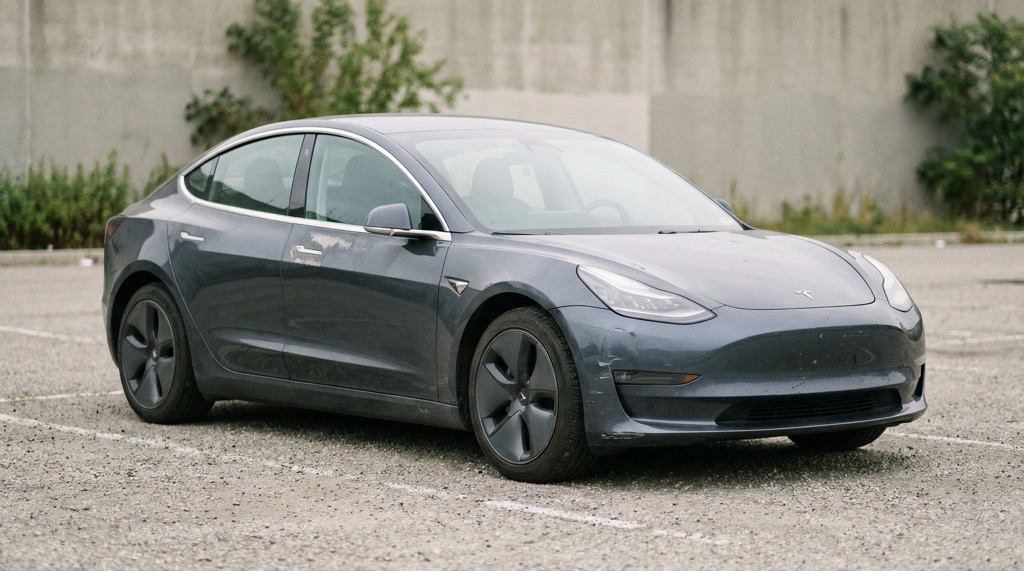
1. Tesla Model 3
Why: Excellent efficiency, strong charging network, proven batteries
Best years: 2019–2022
Watch out for: early interior wear, suspension noise
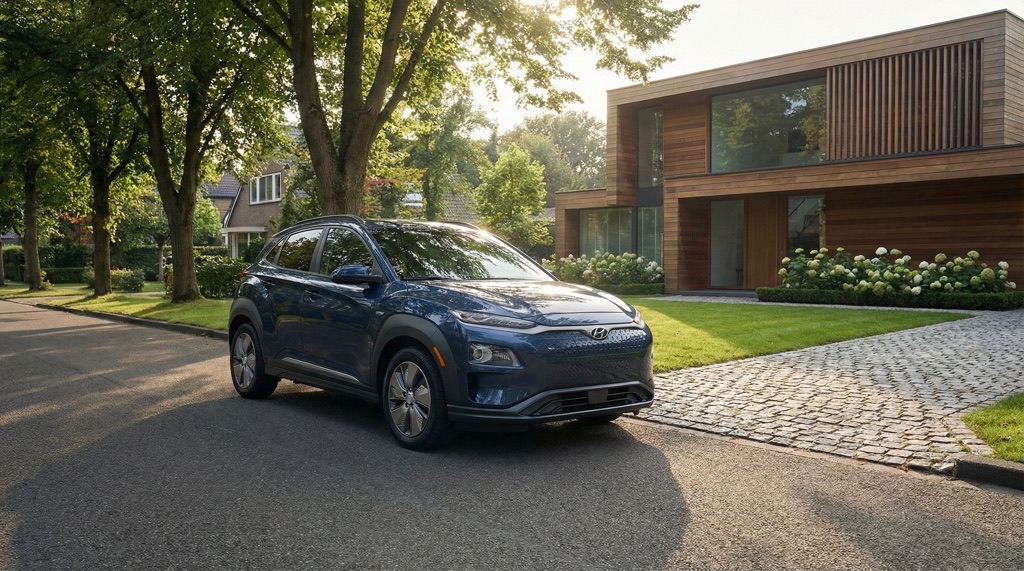
2. Hyundai Kona Electric
Why: Outstanding real-world range, very efficient
Best years: 2019–2023
Watch out for: DC charging speed (not the fastest)
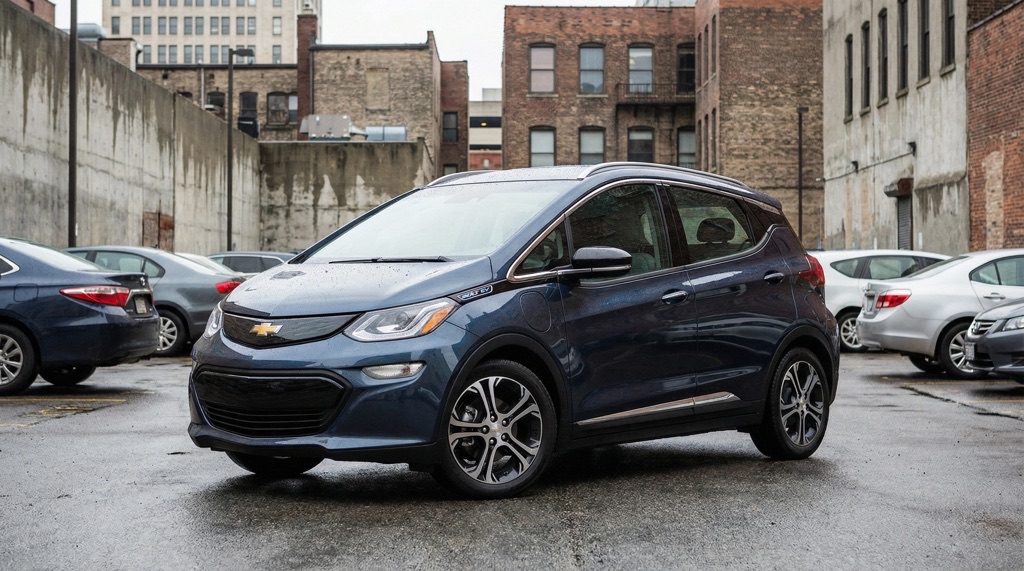
3. Chevrolet Bolt EV
Why: Simple, reliable, cheap to maintain
Best years: 2020–2022 (post-battery recall)
Watch out for: slow fast-charging
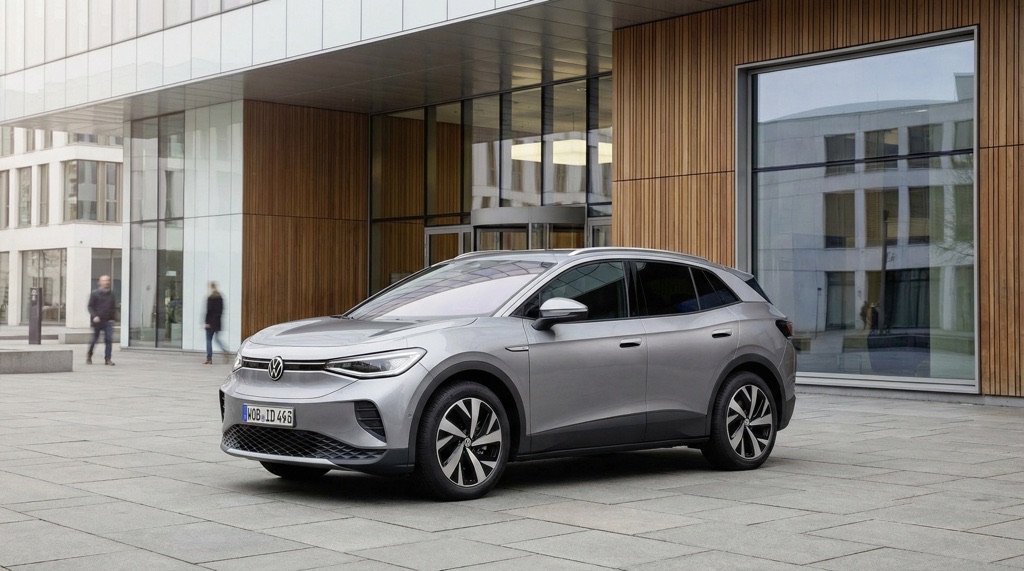
4. Volkswagen ID.4
Why: Comfortable, practical, modern platform
Best years: 2021–2023
Watch out for: early software glitches (mostly fixed)
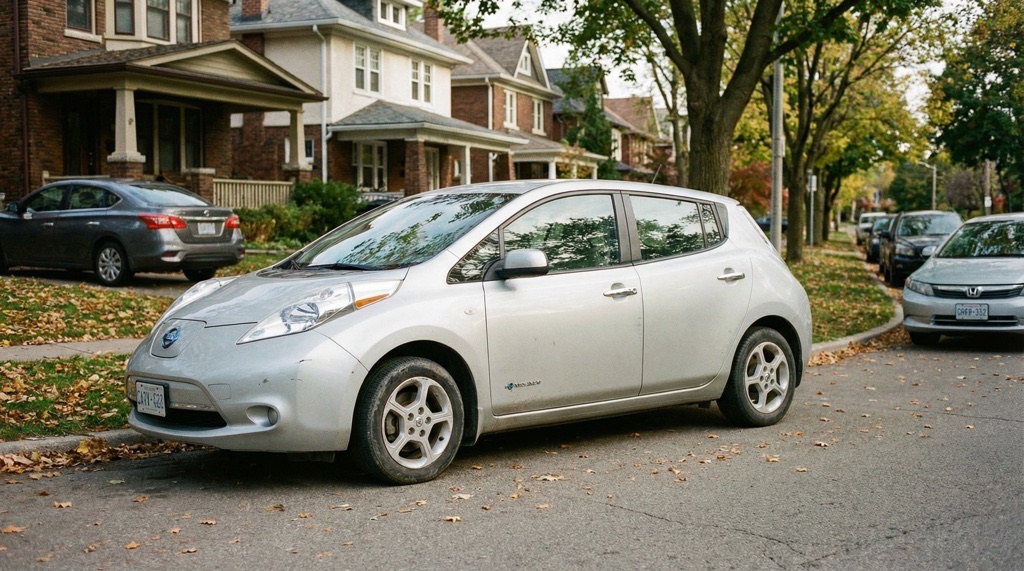
5. Nissan Leaf
Why: Very affordable entry into EVs
Best years: 2019+ (40 kWh or 62 kWh)
Watch out for: no liquid battery cooling
Real-World Example
2019 Tesla Model 3 Standard Range
Mileage: 120,000 km
Battery health: ~92%
Daily range loss: barely noticeable
Owner cost vs gasoline car: –60% running costs
📌 This is typical, not exceptional.
When Buying a Used EV Is a Smart Move
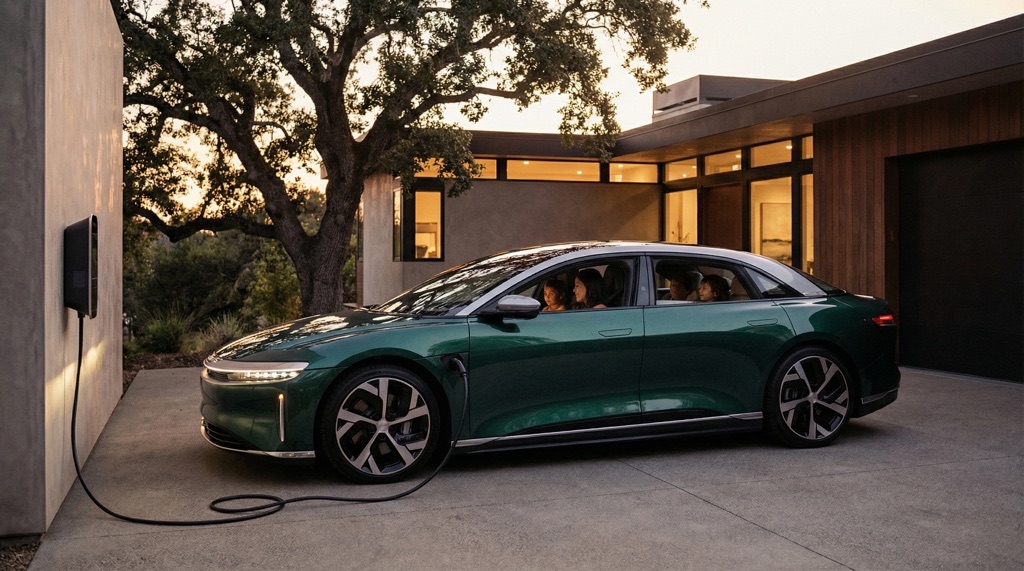
- You charge at home
- Your daily driving is under 250 km
- You want low maintenance and fuel savings
When It’s a Bad Idea
- No access to charging
- You tow two heavy loads
- You rely on ultra-fast charging daily
How to Buy a Used EV the Right Way
- Check battery health (OBD scan or official report)
- Verify charging speed & connector type
- Avoid first-year models of new platforms
- Prioritize thermal battery management
- Test real-world range — not WLTP numbers
-
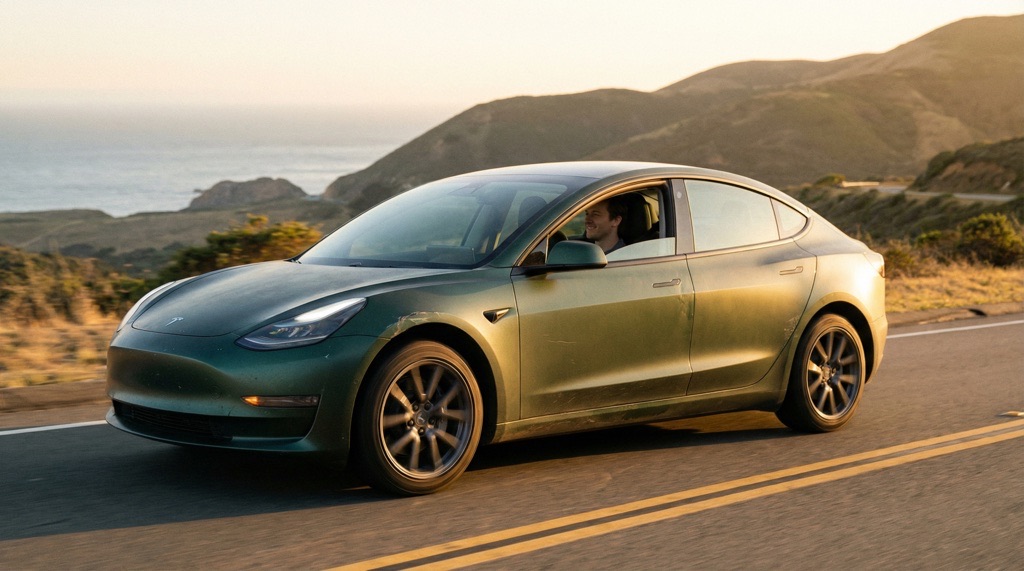
Used electric car driving on open road at sunset
Final Verdict
In 2026, used electric cars are one of the smartest ways to save money on transportation — if you choose proven models and avoid early tech experiments.
No hype. No fear. Just smart buying.
FAQ
Q: How long do EV batteries really last?
A: Most are designed for 300,000+ km before serious degradation.
Q: Are used EVs cheaper to maintain?
A: Yes — no oil, fewer moving parts, minimal servicing.
Q: Is range loss noticeable?
A: Usually, no daily usability remains almost the same.