


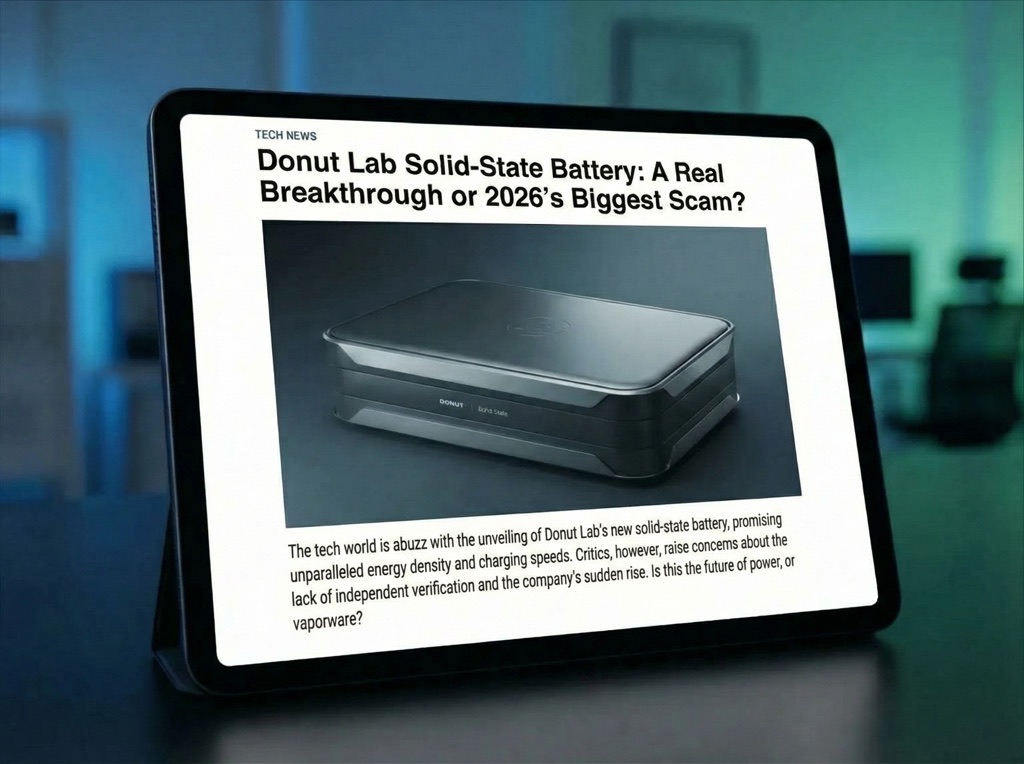
The Finnish Battery That Has Everyone Arguing
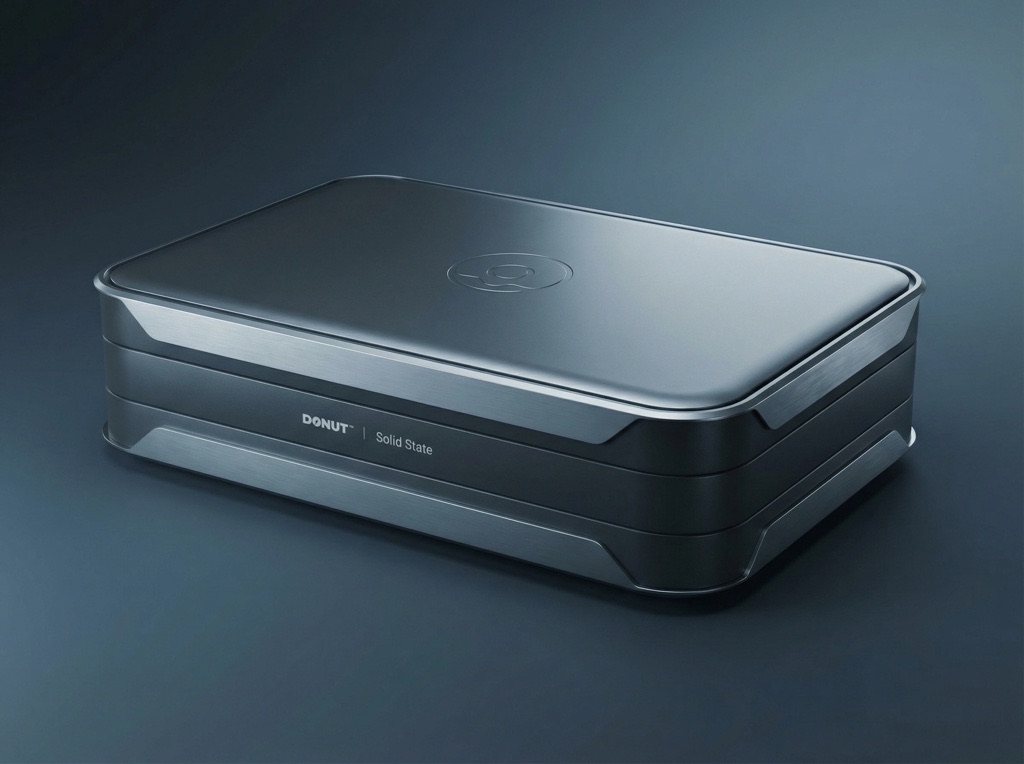
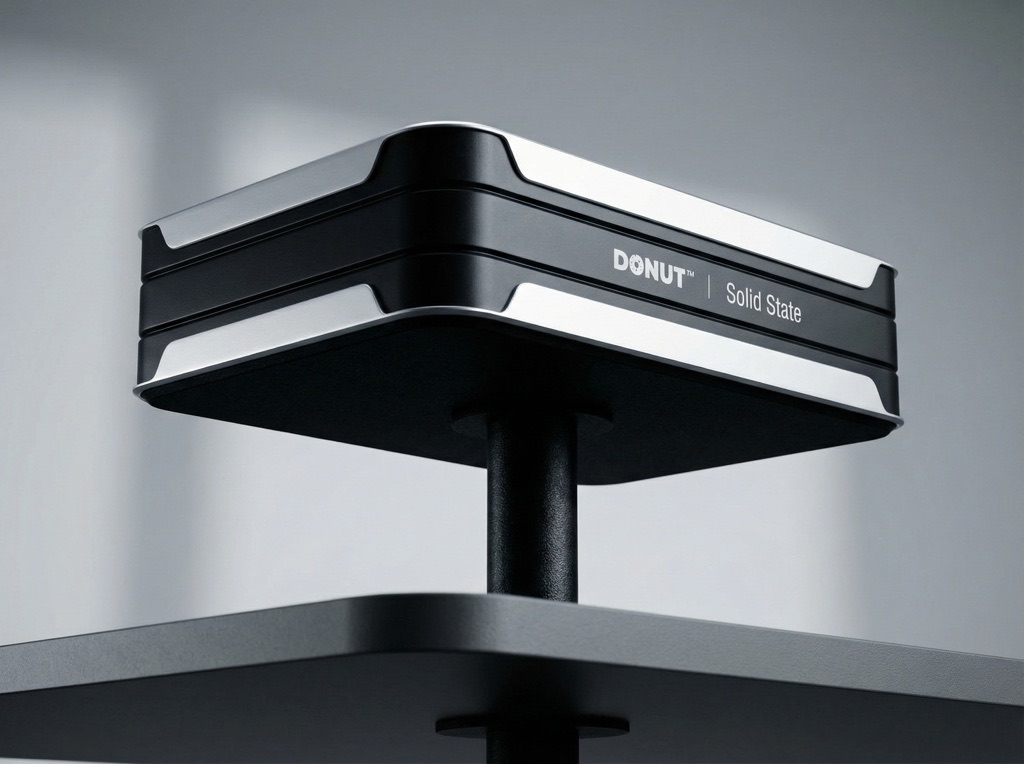
Donut Lab, a Helsinki-based startup, has ignited a firestorm across the automotive industry by claiming to have developed the world’s first production-ready solid-state battery with specifications that seem almost too good to be true. The battery delivers 400 Wh/kg energy density, charges in under 10 minutes, and is rated for 100,000 cycles—claims that have drawn both excitement and fierce skepticism from major battery manufacturers and industry experts.
The stakes are enormous. If verified, this technology could reshape the EV landscape. If not, it could become one of 2026’s most spectacular failures. With Verge Motorcycles set to deliver the first production vehicles powered by Donut Lab’s battery in Q1 2026, the truth will emerge within weeks.
The Claims That Started the War
At CES 2026, Donut Lab unveiled specifications that challenge everything the battery industry thought was possible. The all-solid-state battery promises:
- 400 Wh/kg energy density—nearly double Tesla’s current lithium-ion cells
- Full charge in 5-10 minutes, delivering up to 60 kilometers of range per minute of charging
- 100,000 designed cycles compared to 1,500-3,000 cycles in conventional EV batteries
- Wide temperature range from -22°F to 212°F with maintained performance
- Cost parity with lithium-ion batteries despite superior performance
CEO Marko Lehtimäki has been unequivocal: “Our answer on solid state batteries being ready for use in OEM production vehicles is now, today, not later.” The company waited to announce the breakthrough until the technology was “fully tested, validated, and already operating in vehicles,” according to Lehtimäki.
The Verge TS Pro: Real Motorcycle or Proof of Concept?
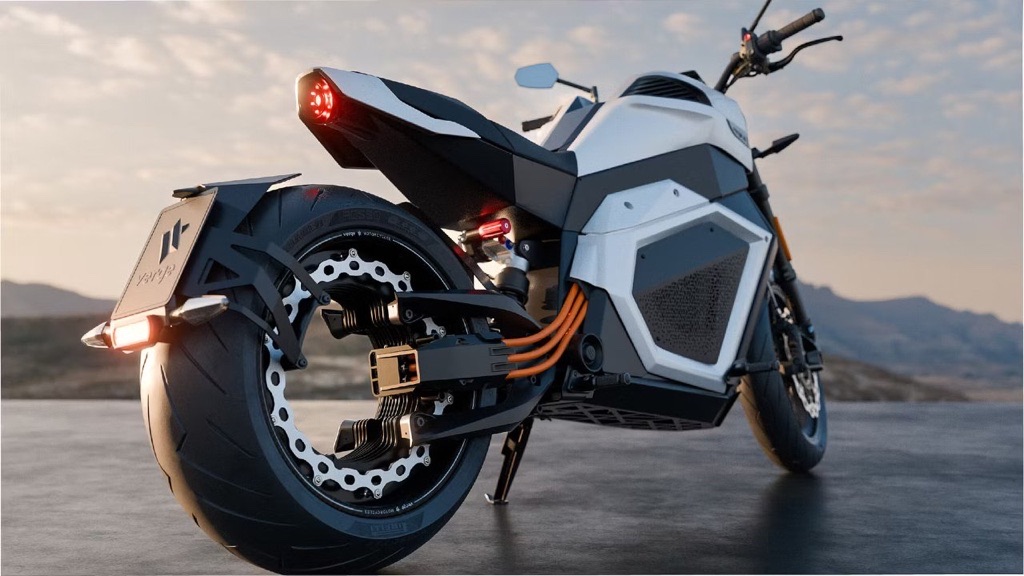
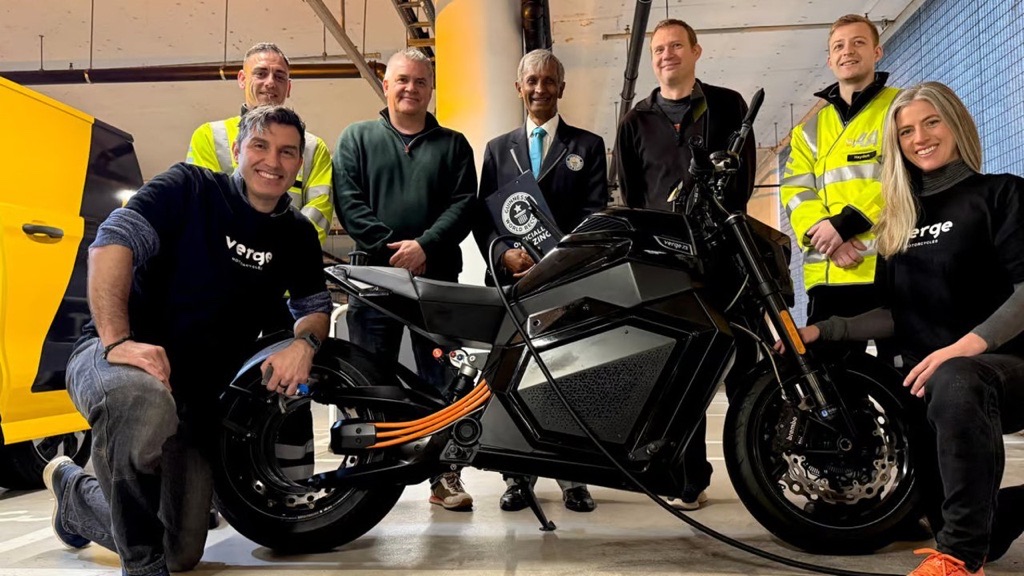
Verge Motorcycles has become the world’s first production vehicle manufacturer to integrate solid-state battery technology. The new Verge TS Pro features the Donut Lab battery alongside Verge’s next-generation Donut 2.0 in-wheel motor, which is 50% lighter than its predecessor while maintaining 1,000 Nm of torque.
The motorcycle’s claimed specifications are striking:
- 0-62 mph acceleration in 3.5 seconds
- Up to 370-600 kilometers (230-370 miles) of range, depending on configuration
- 10-minute charging to operational capacity
- Available for order now with Q1 2026 deliveries
The fact that Verge is accepting orders and promising near-term delivery adds credibility—or raises the stakes dramatically if the claims don’t hold up. A failed launch would destroy both companies’ reputations irreparably.
The Nordic Nano Connection: Capacitor or Battery?
The plot thickens when examining Donut Lab’s technology foundation. In October 2025, Donut Lab made a “significant strategic investment” in Nordic Nano, a Finnish nanotechnology company specializing in battery and solar applications. Shortly after, Nordic Nano released specifications for a “bipolar electrostatic capacitor” with identical performance claims: 400 Wh/kg density, 100,000-cycle lifespan, and fireproof safety.
 Motocycles
LiveWire’s Electric Maxi-Scooters: Harley-Davidson Revolutionizes Urban Mobility
In an unexpected twist that’s turning heads in the motorcycle industry, LiveWire, Harley-Davidson’s electric vehicle division, has partnered with Taiwanese...
 Motocycles
Fonz Z Series Debuts as Australia’s Most Capable Electric 300cc Scooter Alternative
As Australia’s EV adoption accelerates, electric scooters and motorcycles have struggled to gain the same momentum. High registration and insurance...
 Motocycles
Land Moto District ADV: 254 lb-ft Torque Adventure Bike Weighs Just 240 Pounds
Cleveland-based Land Moto has launched the District ADV, an electric adventure motorcycle that challenges conventional wisdom about off-road EV performance....
This raises a critical distinction: capacitors and batteries store energy fundamentally differently. Capacitors dump electricity instantly into an electrical field between plates—ideal for short bursts but historically requiring enormous space for meaningful energy storage. Batteries store energy chemically, providing sustained power over time.
Nordic Nano CEO Esa Parjanen has been cryptic about manufacturing details, citing trade secrets and mentioning a facility in Imatra, Finland, near the Russian border. The company claims to use “nanomass,” a carbon-based composite material, but refuses to disclose production methods.
EV expert Laycee Schmidtke from MissGoElectric has theorized the technology might be an anode-free sodium-metal battery based on research by Nordic Nano’s Chief Scientist Bela Bhuskute, whose work focuses on titanium dioxide nanostructures and carbon nanotubes. Sodium is far more abundant than lithium, but the supply chain remains underdeveloped compared to lithium-ion infrastructure.
The Chinese Backlash and Industry Skepticism
Major Chinese battery manufacturers have responded with open hostility. Svolt Energy’s CEO, Yang Hongxin, declared bluntly: “That battery doesn’t exist in the world!” His logic reflects China’s dominance—the country controls approximately 80% of the global battery market, and the notion that a small Finnish startup beat established giants like Toyota, Samsung, and Chinese manufacturers to solid-state production has provoked fury rather than congratulations.
Industry experts have legitimate concerns. While the technology sounds revolutionary, independent third-party validation remains absent. Battery breakthroughs have been promised before and failed to materialize at scale. The gap between laboratory performance and real-world production reliability is where many promising technologies have stumbled.
However, skeptics also acknowledge that “usually” doesn’t mean “always.” Genuine breakthroughs do happen, and Finland has a track record of producing unexpected technological innovations.
The Broader EV Platform Strategy
Donut Lab isn’t positioning itself as merely a battery supplier. The company is building an integrated EV platform combining its solid-state battery with its in-wheel Donut Motor technology. WATT Electric Vehicles is developing an ultra-lightweight EV skateboard platform using both Donut technologies, featuring an aluminum architecture with fully integrated motors, inverters, software, and battery management. A functional prototype is scheduled for CES 2026.
This modular approach suggests Donut Lab intends to license technology across multiple vehicle categories—motorcycles, passenger cars, trucks, robotics, and stationary energy storage. If the core technology is genuine, the addressable market is enormous.
What Happens Next?
The timeline is remarkably compressed. Verge Motorcycles claims Q1 2026 deliveries are imminent, meaning real-world performance data will emerge within weeks. Once units reach customers, independent teardowns and testing will either validate or demolish Donut Lab’s claims.
The company has staked everything on this moment. Lehtimäki’s repeated assertion that the technology is “real, in production vehicles, and represents the future of electric mobility” will be tested against actual customer experience. Battery performance is measurable and verifiable—range, charging speed, cycle life, and temperature performance cannot be faked at scale.
If Donut Lab has genuinely achieved a solid-state battery breakthrough, it could reshape European EV competitiveness against Chinese manufacturers and establish Finland as an unexpected battery technology hub. If the claims collapse, it will join a long list of overpromised EV startups and serve as a cautionary tale about separating marketing from engineering reality.
Verdict
Donut Lab’s solid-state battery represents either a genuine engineering breakthrough or an elaborate marketing campaign destined for spectacular failure—there appears to be no middle ground. The specifications are extraordinary enough to warrant skepticism, yet the decision to integrate the technology into production motorcycles shipping this quarter suggests either remarkable confidence or remarkable recklessness. For EV enthusiasts and industry observers, the next 90 days will provide definitive answers. The Finnish “donut” will either revolutionize battery technology or become the year’s most infamous overhype. Until independent testing validates the claims, treat the specifications as aspirational rather than confirmed.
I just could not leave your site prior to suggesting that I really
loved the usual information an individual provide for your visitors?
Is going to be again regularly to check up on new posts
If some one needs to be updated with most recent technologies after that he must be visit this site and be up to date everyday.