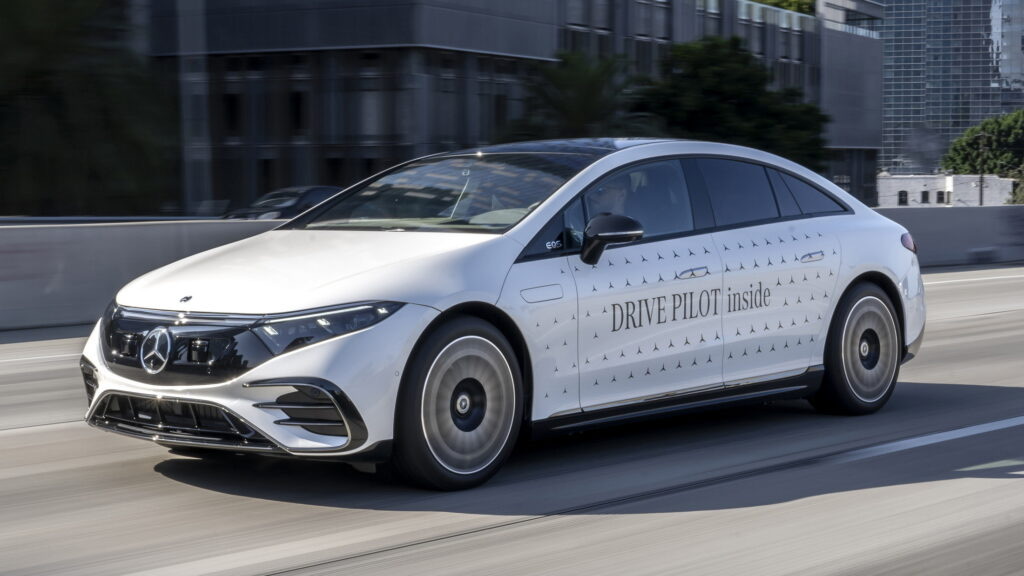
Mercedes-Benz is discontinuing its pioneering Level 3 Drive Pilot system in the US for new models starting with the 2026 S-Class, shifting focus to the more versatile MB. Drive Assist Pro for everyday urban use. This move addresses high costs, limited usability, and supplier issues while promising broader real-world benefits for drivers. EV buyers should note this impacts models like the EQS facelift, prioritizing affordability and practicality over limited ‘eyes-off’ autonomy.
Background: Mercedes-Benz’s Leadership in Automated Driving
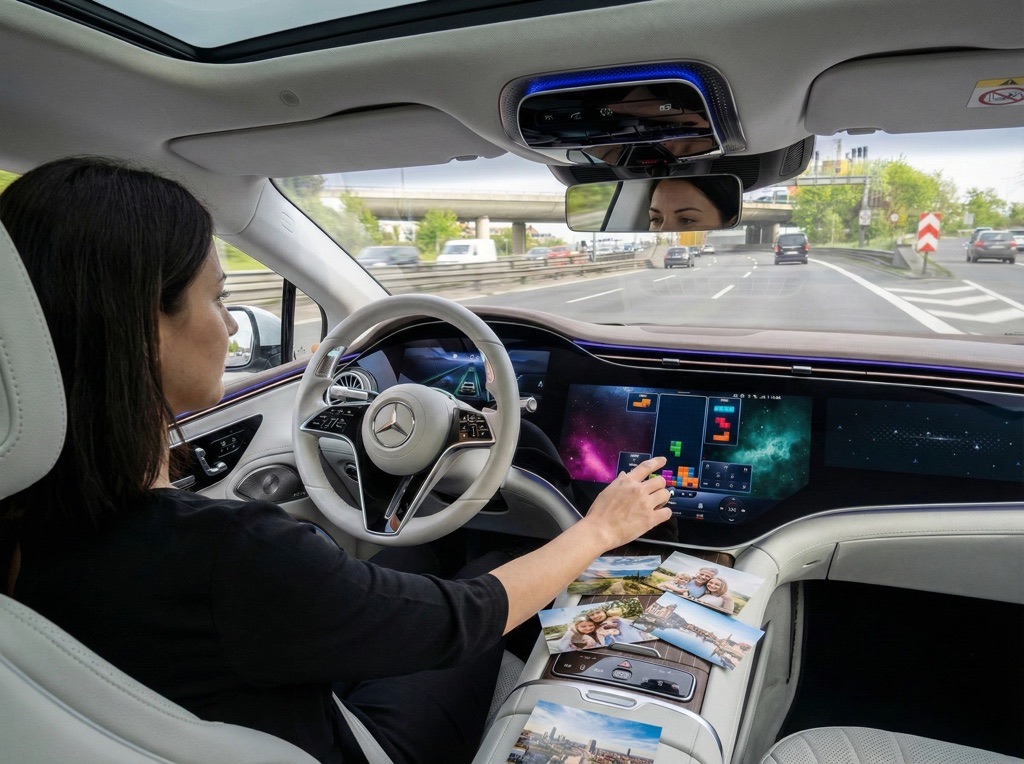
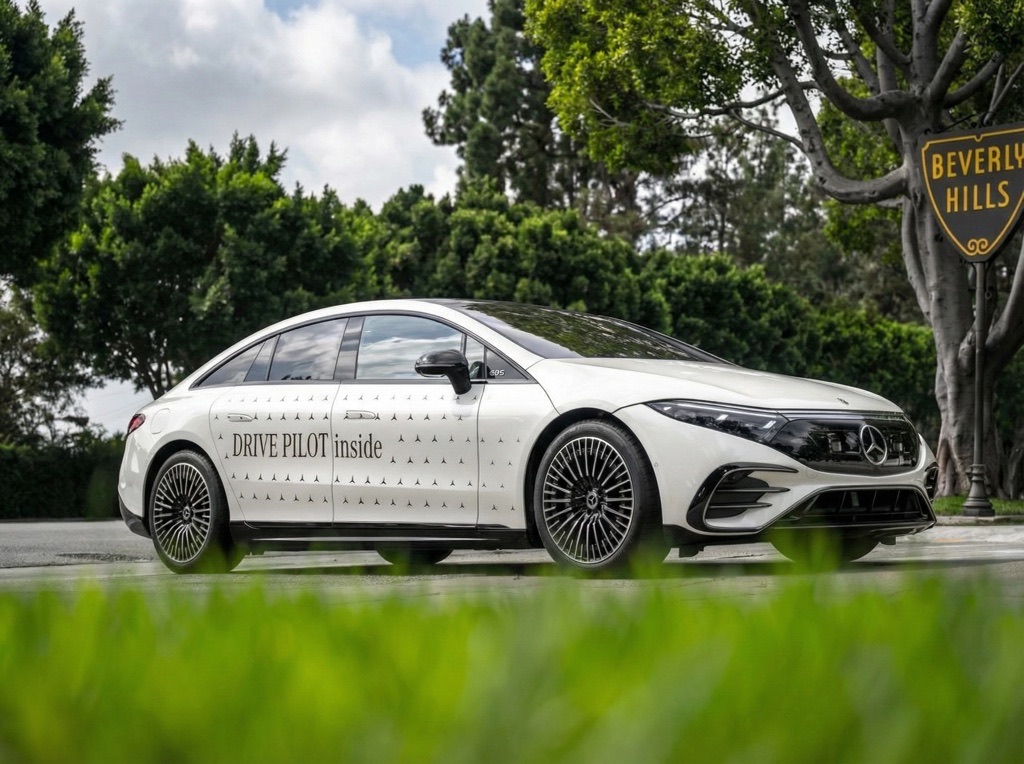
Mercedes-Benz pioneered Level 3 automated driving with Drive Pilot, launched in late 2023 on the gas-powered S-Class and electric EQS in the US. This system allowed drivers to take their eyes off the road legally—watching videos or texting—under strict conditions: speeds below 40 mph (64 km/h) on mapped highways in California and Nevada, daytime, clear weather, and heavy traffic with a lead vehicle. In Europe, it operated up to 95 km/h on motorways since 2021, with a premium of €6,000-€9,000.
The automaker holds a strong market position in luxury EVs and sedans, with the EQS and upcoming CLA exemplifying its electrification push. Drive Pilot required costly LiDAR sensors, leading to a terminated partnership with Luminar in 2024 due to unmet contract requirements. US owners faced a $2,500 annual subscription (or €2,100 in Europe), deterring adoption given the niche scenarios. Low demand and production costs prompted the pause, as confirmed by Handelsblatt and Mercedes spokespeople.
Key Specifications
Drive Pilot represented a technological milestone, but its replacement emphasizes broader applicability. Below is a comparison of the systems:
| Feature | Drive Pilot (Level 3, Paused) | MB.Drive Assist Pro (Level 2++, New Focus) |
|---|---|---|
| Automation Level | Level 3 (eyes-off, hands-off) | Level 2++ (hands-on, eyes-on) |
| Speed Limit | Up to 40 mph (64 km/h) US; 59 mph (95 km/h) Europe | Adaptable for city/highway |
| Operational Areas | Specific CA/NV highways, heavy traffic, daytime/clear weather | City streets, intersections, parking lots to the destination |
| Sensors | LiDAR + cameras/radar (expensive) | 10 cameras, 5 radars, 12 ultrasonics (CLA example) |
| Subscription (US/EUR) | $2,500 / €2,100 yearly | €3,370 for 3 years (CLA) |
| Availability | 2023 S-Class/EQS; paused for 2026 S-Class/EQS facelift | 2026 CLA first; US rollout 2026 |
Sources:
 Cars
Cars
2026 Kia Niro Facelift Debuts with Dual 12.3-Inch Screens and 18-Inch Wheels to Bridge Hybrid and EV Lineups
The 2026 Kia Niro facelift introduces refined “Opposites United” styling and a panoramic dual 12.3-inch digital cockpit, spotted testing in...
 Cars
Cars
Cadillac Elevated Velocity: The Wild Electric SUV With Gullwing Doors and a Spa Inside
At Monterey Car Week 2025, Cadillac unveiled its most outrageous concept yet — the Elevated Velocity, an all-electric luxury SUV...
 Cars
Cars
Leapmotor Accelerates in Brussels With Three New Models and Big Plans for Europe in 2026
From Warm-Up to Full Throttle at the Brussels Auto Show At the Brussels Auto Show 2026, Leapmotor made it clear...
Analysis: Why the Pivot from Level 3?
Mercedes cites middling demand and high costs as primary reasons for pausing Drive Pilot. The system’s limitations—geo-fencing to specific highways, speed caps, and weather restrictions—meant rare real-world use, failing to justify LiDAR expenses or subscriptions. Supplier woes with Luminar exacerbated hardware challenges.
Shifting to MB. Drive Assist Pro, a Level 2++ system, enables cost savings by ditching LiDAR for camera/radar/ultrasonic setups powered by Nvidia computing. This allows navigation in urban environments—handling turns, city streets, and parking—far more relevant for daily commutes than traffic-jam crawling. The 2026 CLA EV debuts with a more palatable €3,370 three-year fee.
Future Roadmap and Long-Term Autonomy
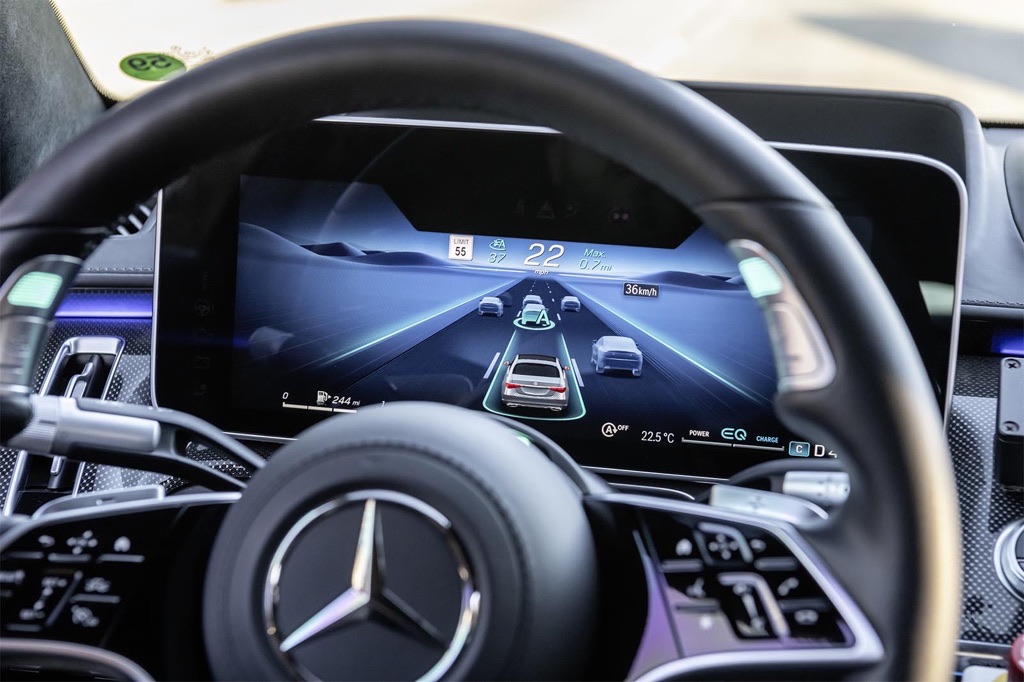
Mercedes emphasizes this is temporary; Level 3 or higher isn’t abandoned. The company plans advanced tech for higher speeds and adverse weather in the coming years. A Mercedes-Nvidia partnership targets a ‘Level 4 chauffeur experience’ in the next S-Class (2028-2030). MB. Drive Assist Pro rolls out in the US later in 2026. Unanswered questions remain: exact US pricing for the new system, EQS facelift timeline (October 2026), and regulatory hurdles for broader Level 3 revival.
Critically, this pragmatic step highlights industry realities: true autonomy demands scalability, not showy demos. Mercedes prioritizes usable aids over regulatory firsts, potentially boosting EV adoption via lower costs.
Comparison with Competitors
| System | Mercedes MB.Drive Assist Pro | Tesla FSD (Level 2) | GM Super Cruise (Level 2) |
|---|---|---|---|
| Level | 2++ (urban capable) | 2 (hands/eyes-on, beta urban) | 2 (hands-free highways) |
| Use Cases | City/highway, intersections | Highway/city (supervised) | 800,000+ miles of highways |
| Sensors | Camera/radar/ultrasonic | Vision-only cameras | LiDAR-free cameras/radar |
| Cost | €3,370/3yrs | $99/mo or $8-12k upfront | $25/mo after trial |
| EV Integration | CLA/EQS/S-Class | Model 3/Y/S/X/Cybertruck | Ultium EVs like EQE |
Mercedes edges in urban practicality versus Tesla’s vision-only risks and GM’s highway focus. All remain Level 2, underscoring no US Level 3 rival post-pause.
Verdict
Mercedes-Benz’s Drive Pilot pause is a smart, customer-focused recalibration: trading limited Level 3 novelty for versatile Level 2++ that’s cheaper and ubiquitous. Ideal for luxury EV buyers valuing daily utility over gimmicks—think urban professionals in the CLA or S-Class. Watch for US rollout details and Level 4 progress; this sets a realistic benchmark competitors must match.