

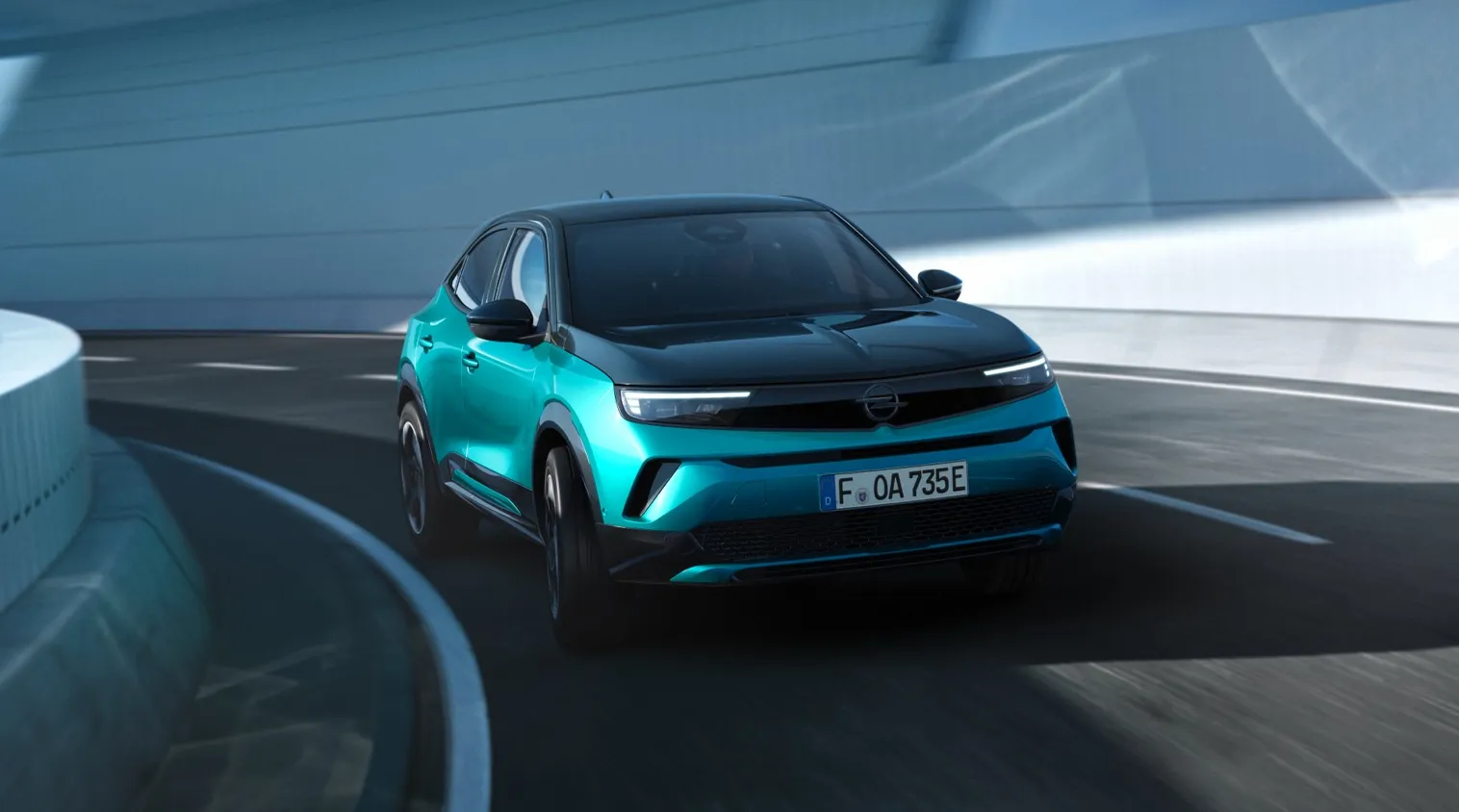
Opel Mokka Electric
Key Specifications
Real Range Estimation
| City - Cold Weather * | 290 km |
| Highway - Cold Weather * | 200 km |
| Combined - Cold Weather * | 240 km |
between 200 - 430 km
| City - Mild Weather * | 430 km |
| Highway - Mild Weather * | 255 km |
| Combined - Mild Weather * | 330 km |
Battery
| Nominal Capacity | 54.0 kWh |
| Battery Type | Lithium-ion |
| Number of Cells | 102 |
| Architecture | 400 V |
| Warranty Period | 8 years |
| Warranty Mileage | 160,000 km |
| Useable Capacity | 50.8 kWh |
| Cathode Material | NCM811 |
| Pack Configuration | 102s1p |
| Nominal Voltage | 377 V |
| Form Factor | No Data |
| Name / Reference | No Data |
Performance
| Acceleration 0 - 100 km/h | 9.0 sec |
| Top Speed | 150 km/h |
| Electric Range * | 285 km |
| Total Power | 115 kW (156 PS) |
| Total Torque | 260 Nm |
| Drive | Front |
Home and Destination Charging (0 -> 100%)
Charging is possible by using a regular wall plug or a charging station. Public charging is always done through a charging station. How fast the EV can charge depends on the charging station (EVSE) used and the maximum charging capacity of the EV. The table below shows all possible options for charging the Opel Mokka Electric. Each option shows how fast the battery can be charged from empty to full.
Europe
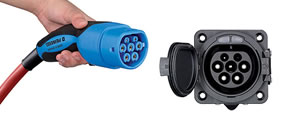
Charging an EV in Europe differs by country. Some European countries primarily use 1-phase connections to the grid, while other countries are almost exclusively using a 3-phase connection. The table below shows all possible ways the Opel Mokka Electric can be charged, but some modes of charging might not be widely available in certain countries.
| Type 2 (Mennekes - IEC 62196) |
|---|
 |
| Charging Point | Max. Power | Power | Time | Rate |
|---|---|---|---|---|
| Standard 7.4 kW On-Board Charger | ||||
| Wall Plug (2.3 kW) | 230V / 1x10A | 2.3 kW | 26 hours | 11 km/h |
| 1-phase 16A (3.7 kW) | 230V / 1x16A | 3.7 kW | 16h15m | 18 km/h |
| 1-phase 32A (7.4 kW) | 230V / 1x32A | 7.4 kW | 8h15m | 35 km/h |
| 3-phase 16A (11 kW) | 230V / 1x16A | 3.7 kW † | 16h15m | 18 km/h |
| 3-phase 32A (22 kW) | 230V / 1x32A | 7.4 kW † | 8h15m | 35 km/h |
| Optional 11.0kW On-Board Charger * | ||||
| Wall Plug (2.3 kW) | 230V / 1x10A | 2.3 kW | 26 hours | 11 km/h |
| 1-phase 16A (3.7 kW) | 230V / 1x16A | 3.7 kW | 16h15m | 18 km/h |
| 1-phase 32A (7.4 kW) | 230V / 1x32A | 7.4 kW | 8h15m | 35 km/h |
| 3-phase 16A (11 kW) | 400V / 3x16A | 11 kW | 5h30m | 52 km/h |
| 3-phase 32A (22 kW) | 400V / 3x16A | 11 kW † | 5h30m | 52 km/h |
† = Limited by on-board charger, vehicle cannot charge faster.
* = Optional in some countries, standard in others. Check local specifications for details.
Fast Charging (10 -> 80%)
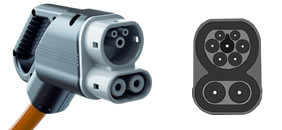
Rapid charging enables longer journeys by adding as much range as possible in the shortest amount of time. Charging power will decrease significantly after 80% state-of-charge has been reached. A typical rapid charge therefore rarely exceeds 80% SoC. The rapid charge rate of an EV depends on the charger used and the maximum charging power the EV can handle. The table below shows all details for rapid charging the Opel Mokka Electric.
- Max. Power: maximum power provided by charge point
- Avg. Power: average power provided by charge point over a session from 10% to 80%
- Time: time needed to charge from 10% to 80%
- Rate: average charging speed over a session from 10% to 80%
| Combined Charging System (CCS Combo 2) |
|---|
 |
| Charging Point | Max. Power | Avg. Power | Time | Rate |
|---|---|---|---|---|
| CCS (50 kW DC) | 50 kW | 45 kW † | 50 min | 230 km/h |
| CCS (100 kW DC) | 100 kW | 85 kW † | 26 min | 460 km/h |
| CCS (150 kW DC) | 100 kW † | 85 kW † | 26 min | 460 km/h |
| This vehicle supports Autocharge |
|---|
| This vehicle does not support Plug & Charge |
† = Limited by charging capabilities of vehicle
Autocharge: allows for automatic initiation of a charging session at supported CCS charging stations.
Plug & Charge: allows for automatic initiation of a charging session at supported CCS charging stations in accordance with ISO 15118.
Actual charging rates may differ from data shown due to factors like outside temperature, state of the battery and driving style.
Opel Claimed Specifications
The table below shows the claimed specifications from the manufacturer for charging the Opel Mokka Electric. The specifications can differ from the table above for a variety of reasons. If real-world charge tests are available, these differences can be signifcant. If no real-world tests are available, the table above will be based on the manufacturer specifications as per the table below.
- Max. Power: maximum charge power during charging session
- Charge From: battery percentage (% SoC) where charging session is started
- Charge To: battery percentage (% SoC) where charging session is ended
- Time: time needed for charging session
| Opel Claimed Specifications |
|---|
| Max. Power | Charge From | Charge To | Time |
|---|---|---|---|
| 100 kW | 10 % | 80 % | 30 min |
Dimensions and Weight
| Length | 4151 mm |
| Width | 1790 mm |
| Width with mirrors | 1987 mm |
| Height | 1534 mm |
| Wheelbase | 2557 mm |
| Weight Unladen (EU) | 1615 kg |
| Gross Vehicle Weight (GVWR) | 2015 kg |
| Max. Payload | 475 kg |
| Cargo Volume | 310 L |
| Cargo Volume Max | 1060 L |
| Cargo Volume Frunk | 0 L |
| Roof Load | 0 kg |
| Tow Hitch Possible | No |
| Towing Weight Unbraked | 0 kg |
| Towing Weight Braked | 0 kg |
| Vertical Load Max | 0 kg |
About this Vehicle
Opel Mokka Electric Overview
The Opel Mokka Electric positions itself as a mainstream compact electric SUV, blending stylish urban appeal with practical EV performance for city dwellers and small families. Priced competitively, it targets budget-conscious buyers seeking an accessible entry into electric mobility without sacrificing modern design or tech. Built on Opel’s efficient CMP platform shared with Peugeot e-2008, the Opel Mokka Electric stands out with its bold Vizor front grille, slim LED matrix headlights, and compact footprint ideal for tight parking spaces.
Key distinguishing features include a 50.8 kWh usable battery with NMC811 chemistry for balanced range and longevity, front-wheel drive via a permanent magnet synchronous motor, and advanced driver aids like automatic emergency braking. In the crowded EV landscape, the Opel Mokka Electric matters as a versatile electric vehicle offering up to 252 miles WLTP range, making it a strong contender against pricier rivals. Its EV specs emphasize efficiency and everyday usability, appealing to those transitioning from gas-powered crossovers in Europe’s urban markets.
Opel Mokka Electric Performance and Driving Experience
The Opel Mokka Electric delivers peppy acceleration with its 115 kW (156 hp) motor producing 260 Nm (192 lb-ft) of instant torque, achieving 0-60 mph in approximately 8.6-9.1 seconds for responsive city sprints and highway merges. Handling benefits from a low center of gravity thanks to the underfloor battery, paired with MacPherson strut front suspension and torsion beam rear, offering agile dynamics in urban settings despite its 1523 kg curb weight. As a front-wheel-drive (FWD) model with monotube dampers, it provides a composed ride quality over cobblestones and motorways, though not sport-tuned.
Real-world impressions highlight smooth power delivery and a top speed of 93 mph, suitable for European roads. The fixed-ratio automatic transmission ensures seamless operation, with traction control and electronic stability enhancing safety.
| Specification | Value |
|---|---|
| 0-60 mph (0-100 km/h) | 8.6-9.1 sec |
| Top Speed | 93 mph / 150 km/h |
| Power Output | 156 hp / 115 kW |
| Torque | 192 lb-ft / 260 Nm |
Opel Mokka Electric Range and Battery Specifications
The Opel Mokka Electric boasts an official WLTP range of 252 miles (406 km), though real-world range typically falls to around 214 miles depending on conditions. Its 50.8 kWh usable battery (54 kWh gross) uses advanced NMC811 cathode materials in a 400V architecture, delivering efficiency of about 23.7 kWh/100 miles. Factors like cold weather, aggressive driving, or highway speeds can reduce range by 20-30%, but efficiency assist features help optimize consumption.
This setup makes the Opel Mokka Electric reliable for daily commutes and weekend trips, with a 12.5 kWh/100 km WLTP consumption rate shining in mixed urban use.
| Range Metric | Value |
|---|---|
| WLTP Range | 252 miles / 406 km |
| EPA Range | Not available |
| Real-World Range | 214 miles / 345 km |
| Battery Capacity | 50.8 kWh (usable) |
Opel Mokka Electric Charging Times and Options
Home charging for the Opel Mokka Electric is straightforward with Level 1 at 120V taking around 30+ hours for a full charge, while Level 2 at 7.4 kW completes it in about 7-8 hours—ideal for overnight top-ups. DC fast charging peaks at 100 kW via CCS Type 2, achieving 10-80% in under 30 minutes, compatible with major European networks like Ionity. Practical scenarios include quick urban sessions adding 100+ miles in 20 minutes.
| Charging Method | Time | Speed |
|---|---|---|
| Level 1 (120V) | 30+ hours | ~1.4 kW |
| Level 2 (240V/7kW) | 7-8 hours | ~7.4 kW |
| Level 2 (240V/11kW) | 5-6 hours | ~11 kW |
| DC Fast Charge (10-80%) | 26 min | up to 100 kW |
Opel Mokka Electric vs Competitors
The Opel Mokka Electric holds its own against the Hyundai Ioniq 5 and Kia EV6 with superior compact sizing and lower pricing, offering a similar 252-mile WLTP range but at a fraction of the ultra-fast charging speeds (100 kW vs 350 kW). Compared to the Tesla Model Y, it trades some range and acceleration for easier city maneuvering and a more affordable entry point, while edging the Peugeot e-2008 in styling. In Opel Mokka Electric vs competitors matchups, it excels in value-driven EV comparisons for European buyers.
Frequently Asked Questions
Related Vehicles
View All Opel
Opel
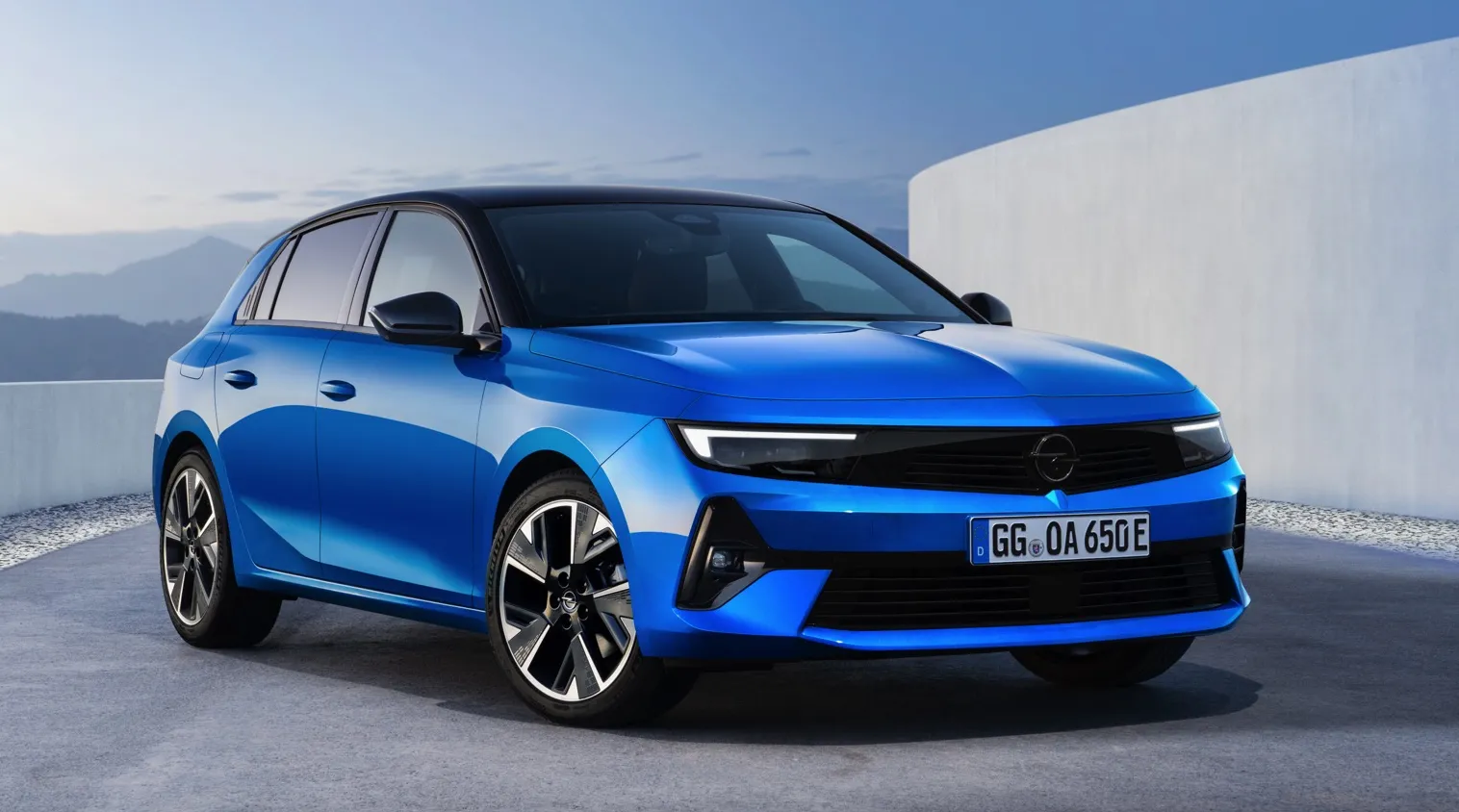
Opel Grandland 73 kWh
 Opel
Opel
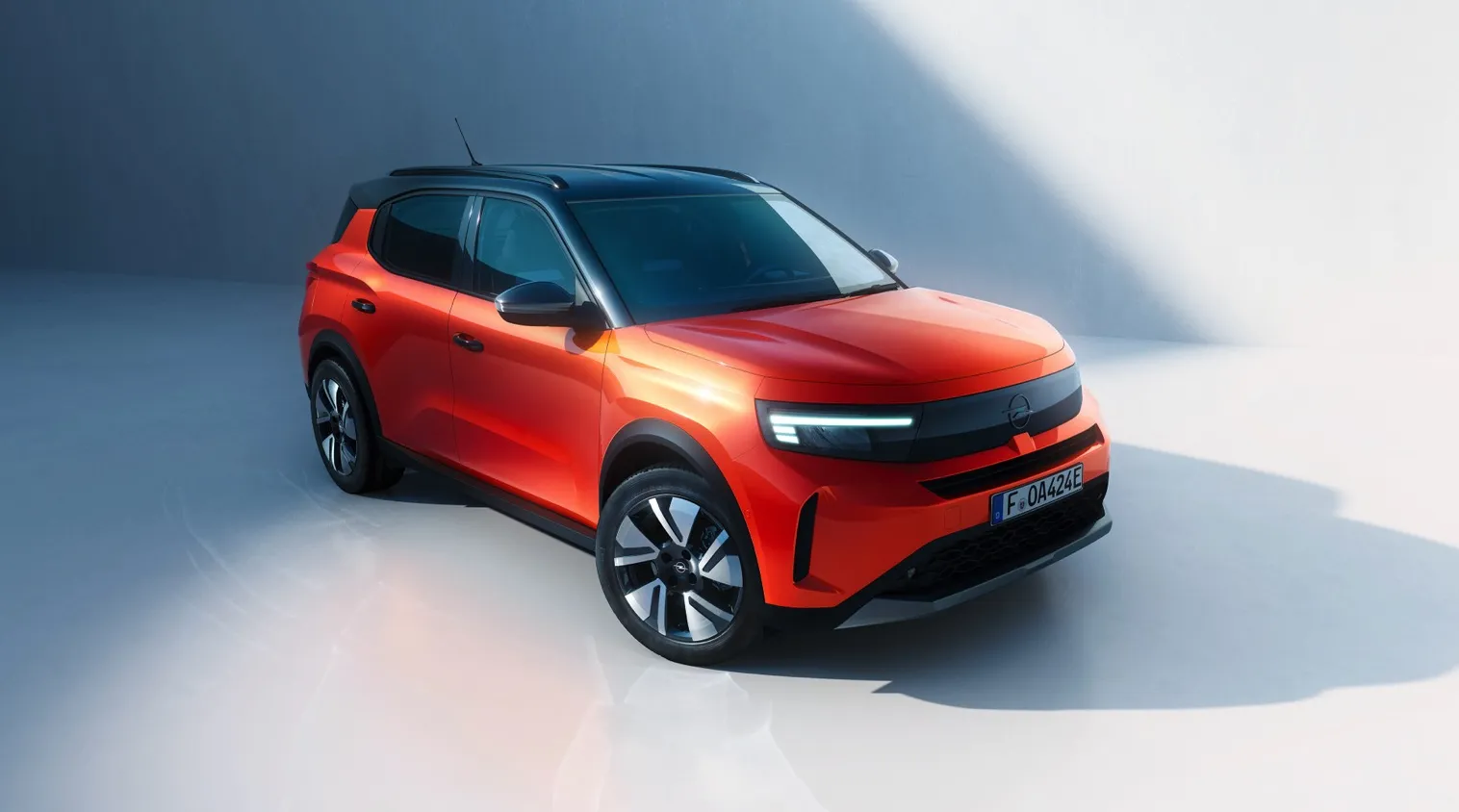
Opel Astra Electric
 Opel
Opel
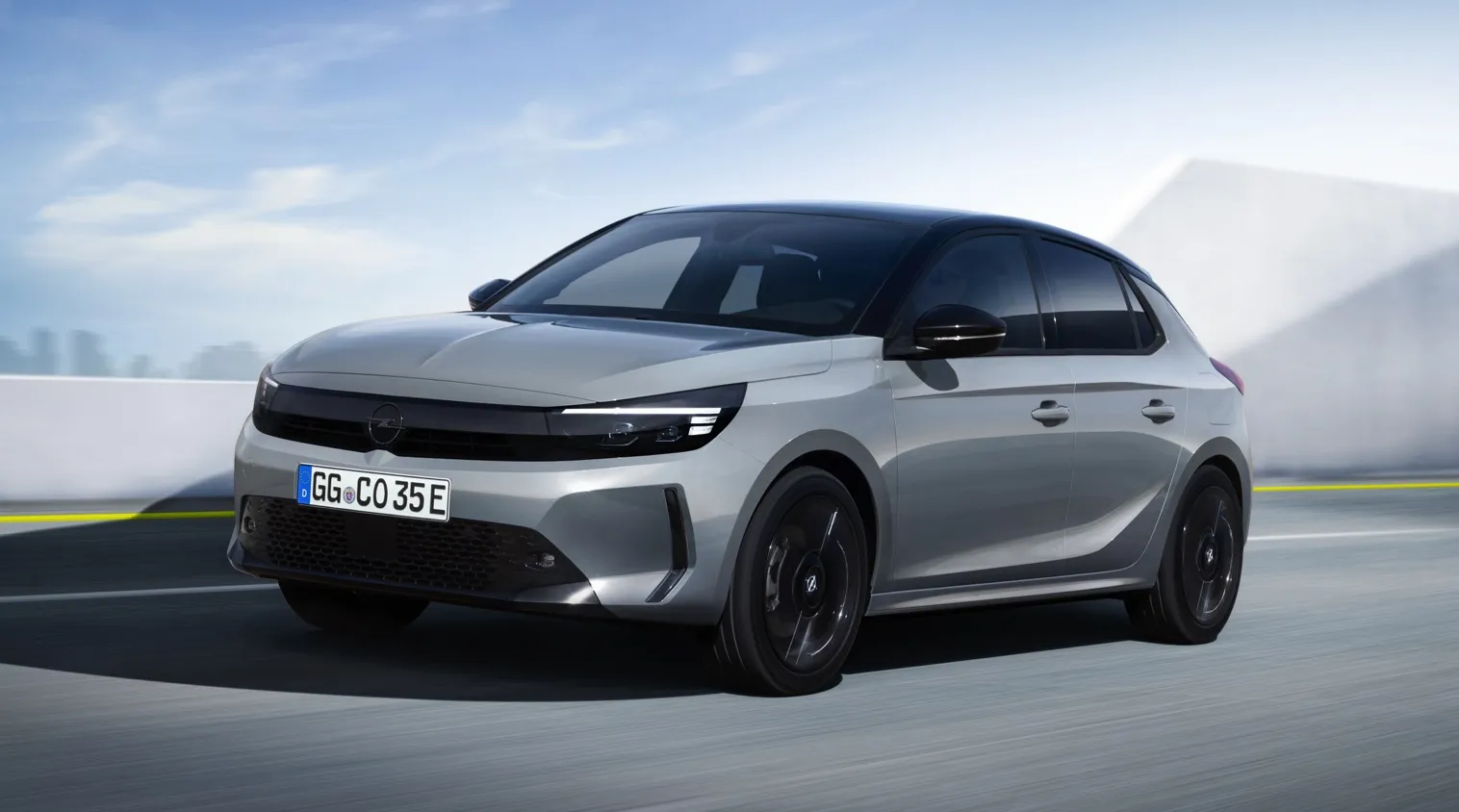
Opel Frontera 44 kWh
 Opel
Opel