Buying a used electric car sounds smart — until one question ruins the mood:
“What if the battery is already worn out?”
Battery fear is the #1 reason people hesitate.
The reality in 2026? EV batteries age much more slowly than most buyers expect — and usually outlast the car itself.
Let’s break it down clearly, honestly, and with real-world numbers.
Short Answer
Most used electric cars retain 85–90% battery capacity after 150,000–200,000 km, making them perfectly usable for daily driving in 2026.
TL;DR
✅ EV batteries degrade more slowly than expected
✅ Most used EVs lose only 1–2% capacity per year
❌ Range drops slightly over time
❌ Replacement is expensive (but rarely needed)
👉 Battery life is not the deal-breaker — lack of information is.
Who This Article Is For
This article is for you if:
 Tips & Tricks
Electric Motorcycle Real-World Range (2026)
In 2026, electric motorcycle range is no longer a spec-sheet fantasy. Riders care about usable kilometers, not WLTP claims or...
 Tips & Tricks
Is It Safe to Leave an EV Plugged In? Everything You Need to Know (2026 Guide)
TL;DR — Direct Answer Yes — it is safe to leave an EV plugged in all the time because modern...
 Tips & Tricks
How to Properly Charge an Electric Car: Everything You Need to Know (2026 Guide)
TL;DR — Quick Answer Properly charging an electric car means avoiding frequent 100% charges, limiting fast charging, and keeping the...
- You’re considering a used electric car
- You’re worried about battery lifespan
- You want real-world data, not marketing claims
- You plan to keep the car 3–5 years
This article is NOT for you if:
- You can’t charge at home or nearby
- You regularly drive very long distances with no charging access
Why People Search This Topic
People worry about used EV batteries because of:
- Fear of sudden battery failure
- High replacement cost myths
- Confusion between phone batteries and EV batteries
In short, buyers want to save money without making a costly mistake.
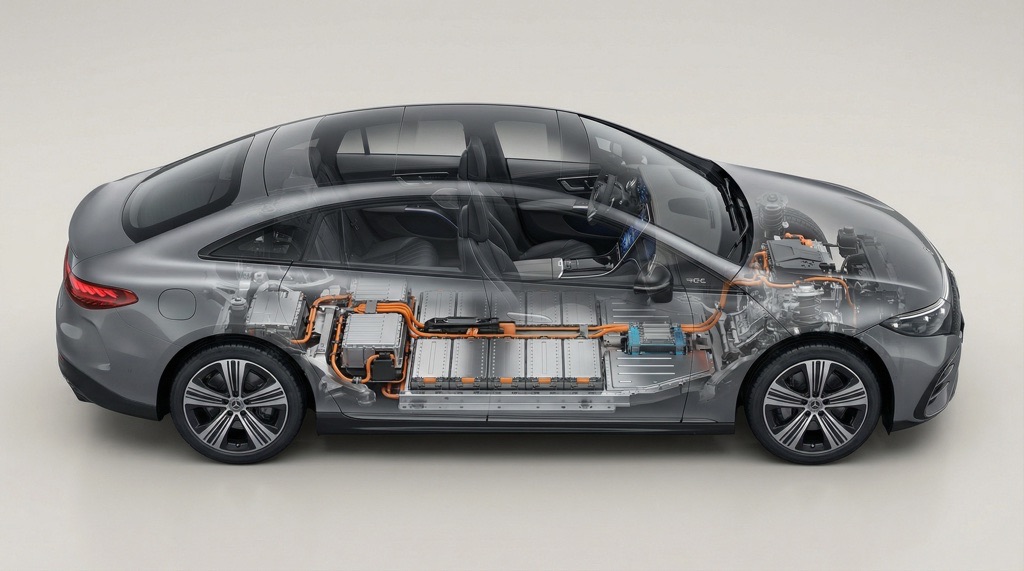
The Real Concern: Battery Degradation
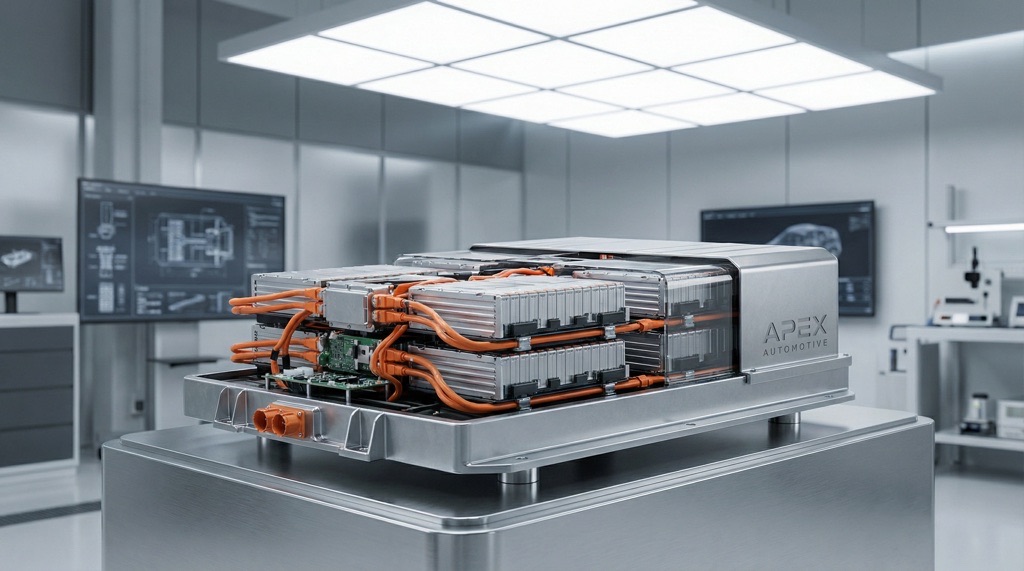
EV batteries do not suddenly die.
They slowly lose capacity over time due to:
- Charge cycles
- Heat exposure
- Frequent fast charging (DC)
Modern lithium-ion batteries are engineered to degrade gradually and predictably.
What Happens in Real Life (Data, Not Opinions)
Real-World Battery Degradation
| Mileage / Age | Average Battery Health |
|---|---|
| 50,000 km | 95–97% |
| 100,000 km | 92–94% |
| 150,000 km | 88–92% |
| 200,000 km | 85–88% |
📌 Source: fleet data from Tesla, Nissan, Hyundai
Key takeaway:
A 400 km EV becomes a 340–360 km EV — still very usable.
Battery Warranty (Most Buyers Forget This)
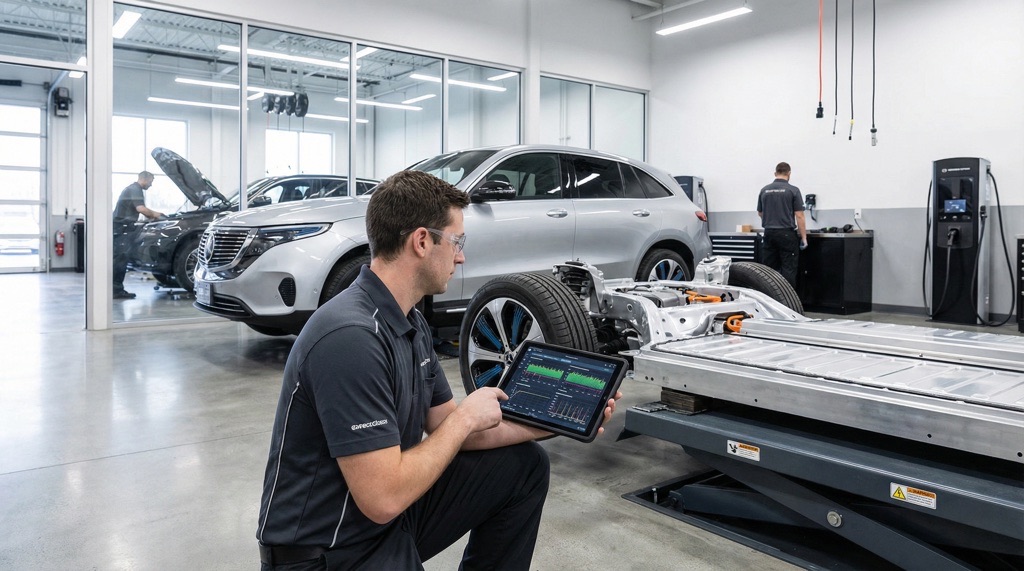
Almost all EVs include:
- 8 years / 160,000 km battery warranty
- Coverage for excessive degradation (usually below 70%)
Even many used EVs are still under battery warranty in 2026.
Best Used EVs for Battery Longevity
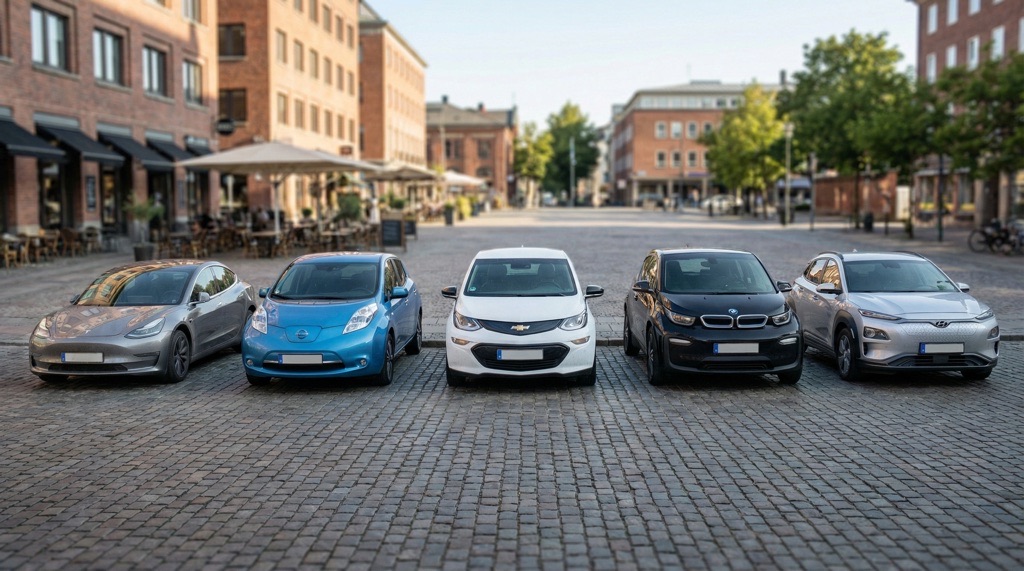
- Tesla Model 3 — excellent thermal management
- Hyundai Kona Electric — very low degradation
- Chevrolet Bolt EV — long-lasting packs
- BYD — Blade Battery = high durability & safety
Real-World Example
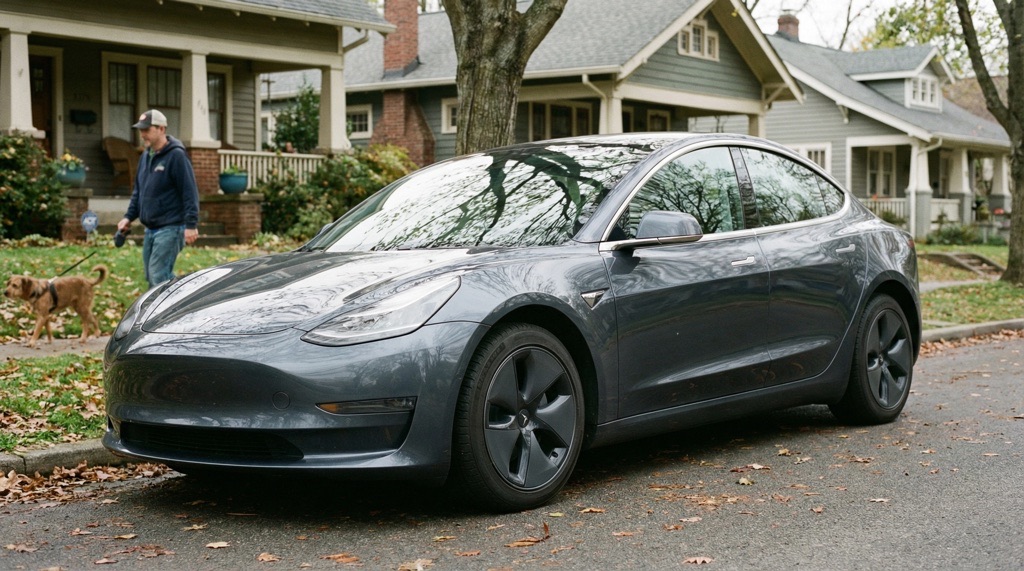
2019 Tesla Model 3
- Mileage: 120,000 km
- Battery health: ~92%
- Daily range loss: barely noticeable
- No repairs needed
📌 This is a typical outcome — not an exception.
When Buying a Used EV Is a Smart Choice
- You drive under 300 km per day
- You can charge at home or work
- You want low running costs
- You plan to keep the car for several years
When It’s a Bad Idea
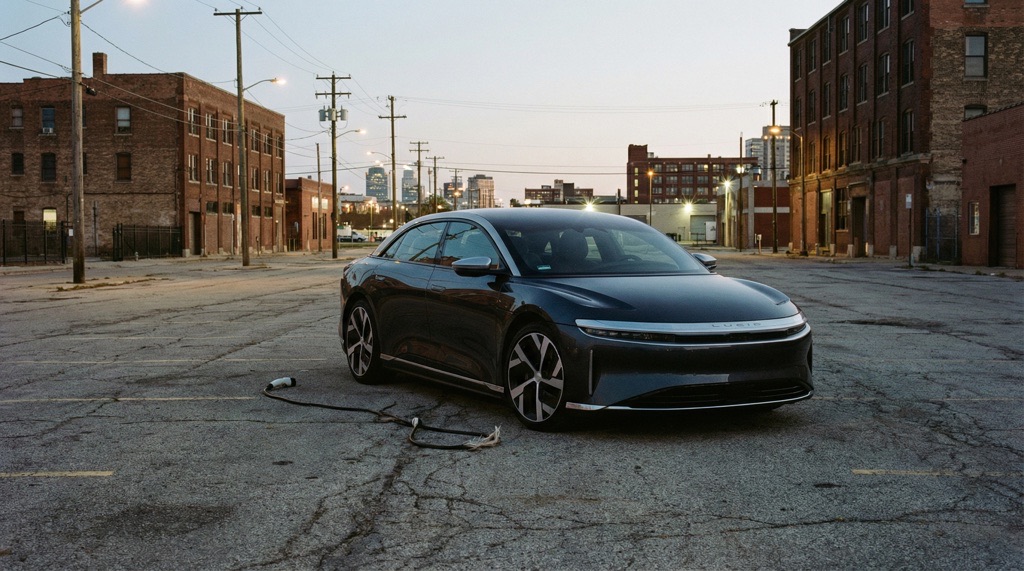
- No access to charging
- You need a maximum range daily
- You buy very early EVs (2011–2013) with no thermal management
How to Check Battery Health Properly
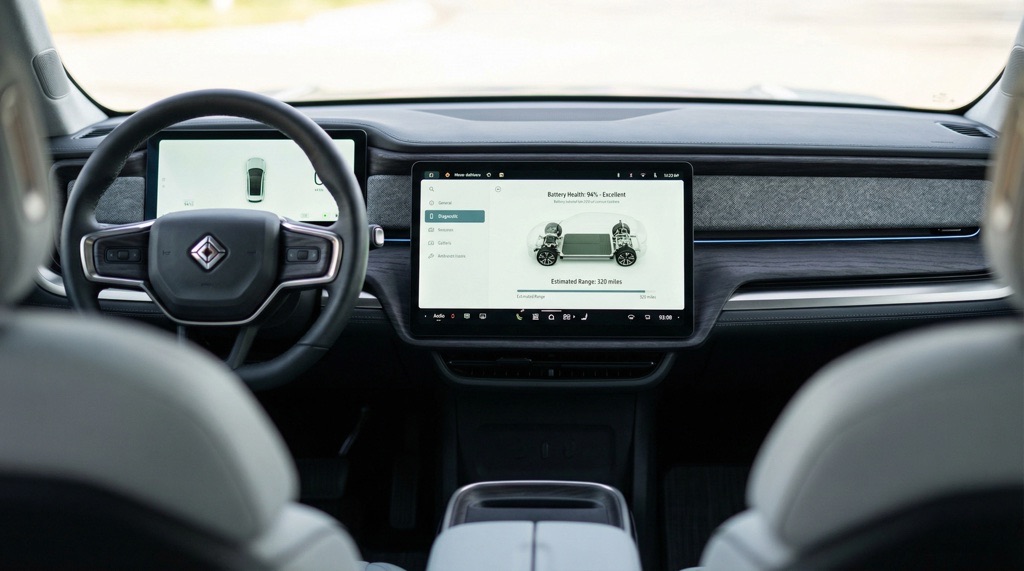
- Ask for a battery health report
- Scan with the OBD app (if supported)
- Check remaining warranty
- Avoid cars with excessive fast-charging history
- Focus on range consistency, not 100% numbers
Final Verdict
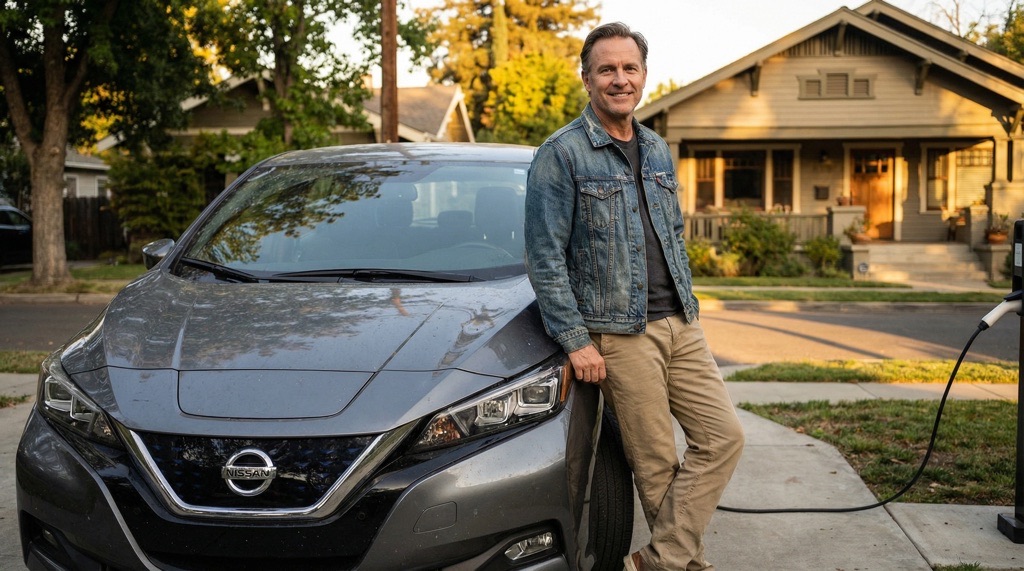
The used electric car battery life is far less scary than most people think.
In 2026, a used EV with 85–90% battery health still delivers excellent daily usability — at a huge discount compared to new.
If you check battery health properly, the battery will outlast your ownership period.
FAQ
Q: Do EV batteries suddenly fail?
A: No. Degradation is gradual and predictable.
Q: Is battery replacement common?
A: Extremely rare outside accidents or early EV models.
Q: Is fast charging bad for battery life?
A: Occasional use is fine. Constant DC charging accelerates wear.
Q: Can batteries be repaired instead of replaced?
A: Yes. Module-level repairs are increasingly common in 2026.