
TL;DR
A Tesla from the US offers early-access software, strong performance configurations, and often lower purchase prices. However, charging incompatibility, region-locked warranties, and service limitations make ownership outside North America complex. Best suited for experienced EV owners, not first-time buyers.
Introduction
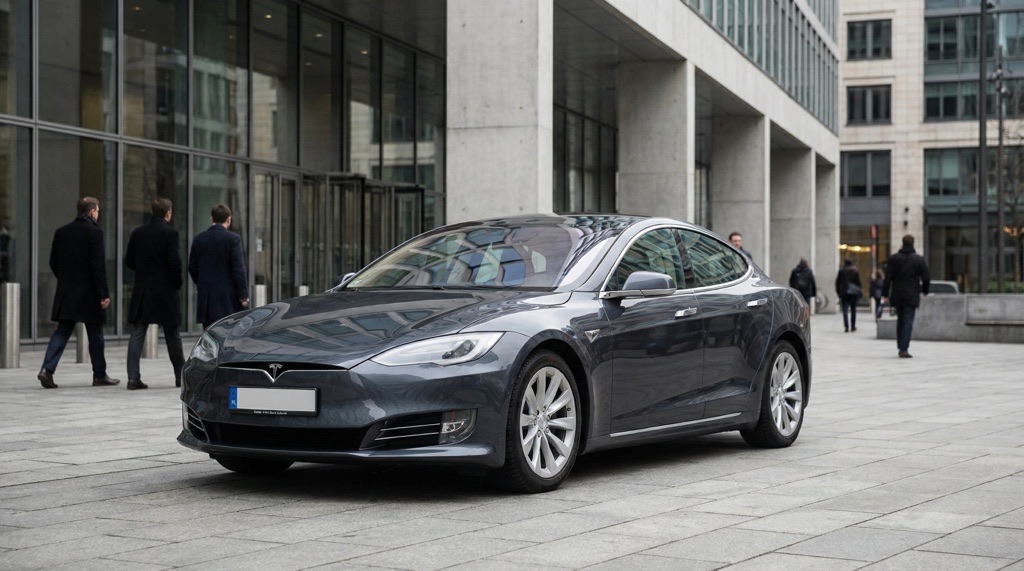
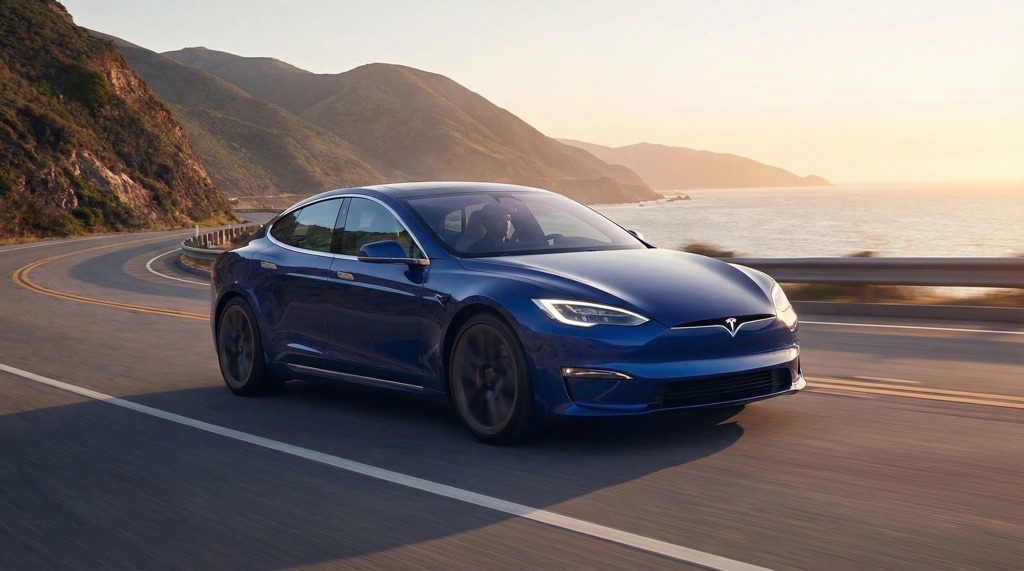
Buying a Tesla from the US remains a popular option in 2026, driven by price differences, broader trim availability, and faster access to Tesla’s latest hardware and software revisions. For many buyers, American-market Teslas appear more powerful, better equipped, and more “future-proof” than local equivalents.
But a US-spec Tesla is engineered around the North American ecosystem. Charging standards, software logic, warranty policies, and service access all differ significantly from Europe, Asia, and the Middle East. This article explains what you really gain, what you risk, and whether importing a Tesla from the US actually makes sense today.
What Is a Tesla from the US?
A Tesla from the US is a vehicle originally manufactured and sold for the American market, typically produced at:
- Tesla Fremont Factory
- Tesla Gigafactory Texas
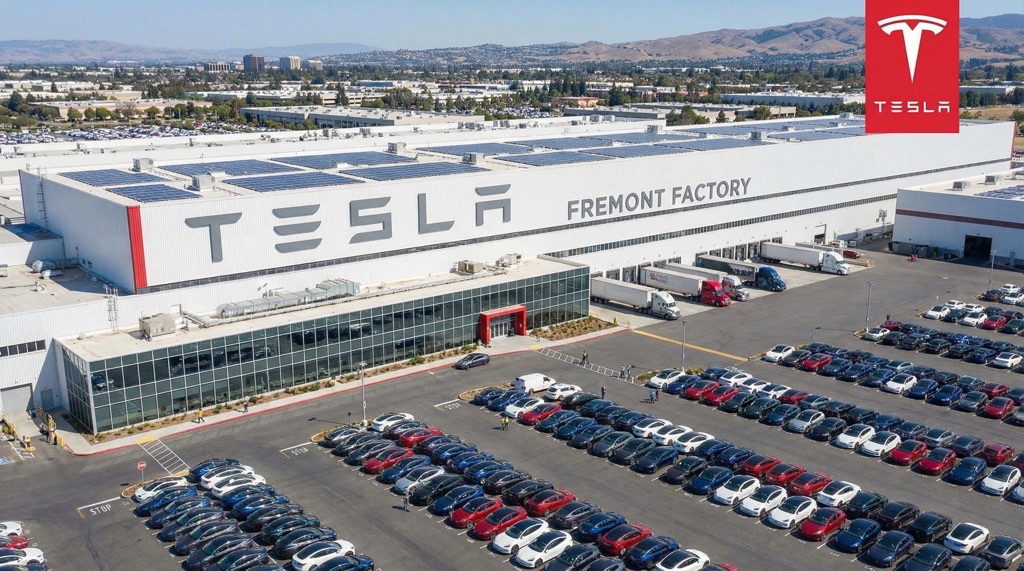
These vehicles are homologated under US regulations and differ from EU- or China-spec Teslas in several fundamental areas.
Key Characteristics of US-Spec Teslas
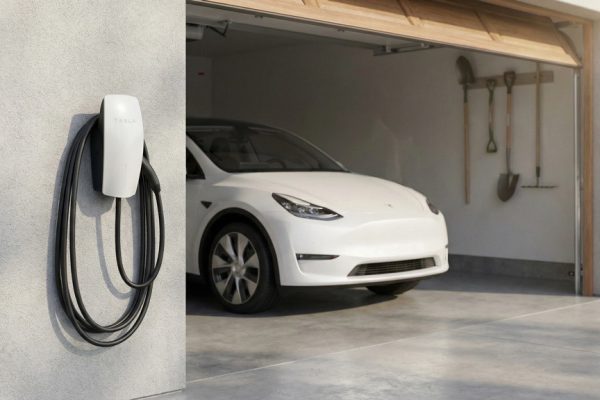
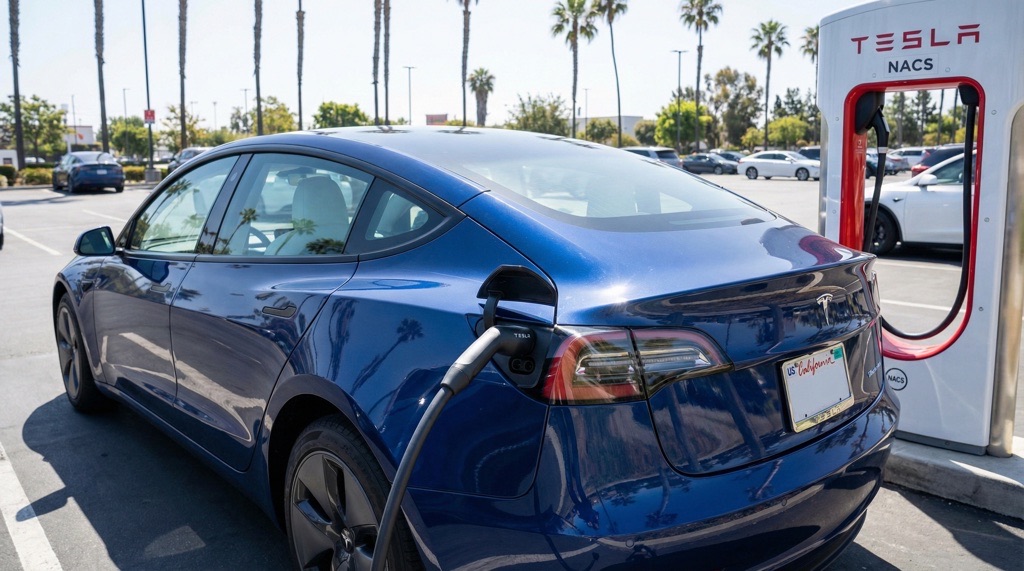
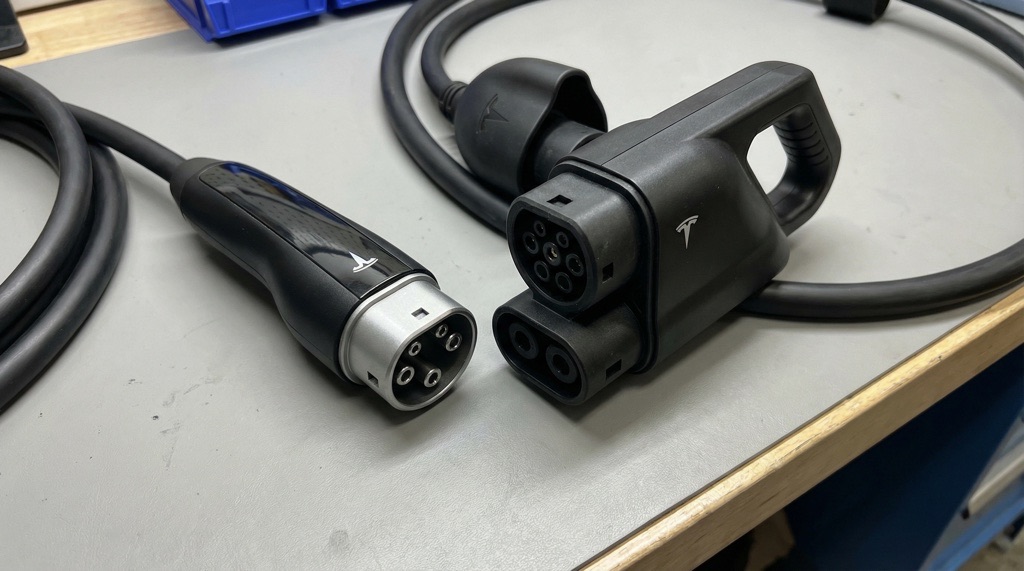
- Charging port: NACS (North American Charging Standard)
- Software calibration: Optimized for US navigation, charging logic, and regulatory rules
- Lighting & compliance: DOT-certified headlights and indicators
- Hardware configurations: Often higher-performance motors and larger battery buffers
Commonly imported models include:
- Tesla Model 3
- Tesla Model Y
- Tesla Model S
- Tesla Model X
Why Buying a Tesla from the US Matters in 2026
Buyers actively search for Tesla from the US because of several converging factors:
- Persistent price gaps between the US and EU/Asia markets
- Faster access to refreshed hardware revisions
- Availability of performance trims not sold locally
- Earlier rollout of OTA software updates
In many regions, a US-spec Tesla can still undercut local pricing by 20–35%, even after shipping and taxes—though ownership costs may erase those savings over time.
Advantages of a Tesla from the US
Software and OTA Priority
US-market Teslas traditionally receive:
- New UI features earlier
- Faster Autopilot and FSD beta rollouts
- Less conservative firmware restrictions
For tech-focused owners, this remains one of the strongest arguments for importing.
 Tips & Tricks
Cost of Tesla Battery Replacement: Real Prices, Lifespan and Ownership Risk in 2026
TL;DR The cost of Tesla battery replacement in 2026 ranges from $9,000 to $22,000, depending on model, battery chemistry, and...
 Tips & Tricks
What Happens at 0% Battery in an Electric Car? (2026 Guide)
TL;DR — Quick Answer When your electric car shows 0% battery, it is not empty. Most EVs keep a hidden...
 Tips & Tricks
Self-Driving Electric Cars: Everything You Need to Know (2026 Guide)
TL;DR Yes — self-driving systems in modern electric cars can significantly improve safety, especially on highways. However, nearly all consumer...
Performance and Power Delivery
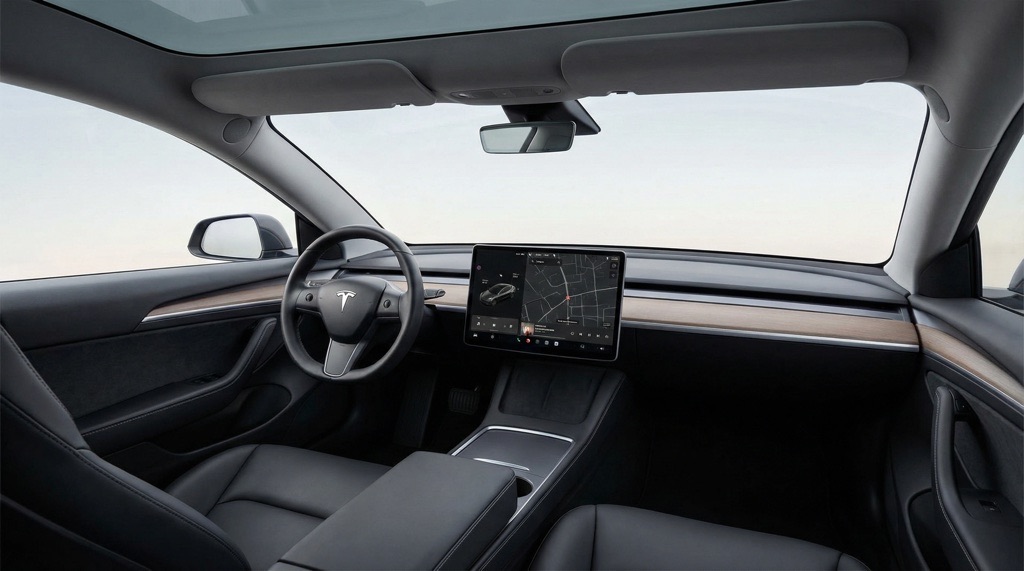
US configurations often feature:
- Slightly higher peak motor output
- Larger usable battery buffers
- Less aggressive power limiting under sustained load
Acceleration figures may look identical on paper, but real-world power delivery can feel marginally more aggressive.
Charging Ecosystem Inside North America
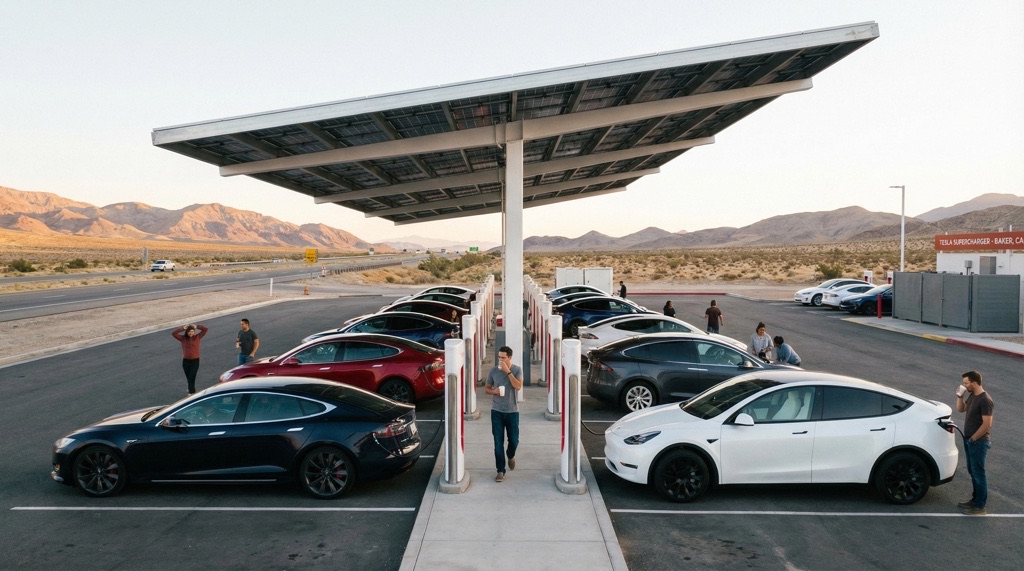
Within the US, the Tesla Supercharger Network remains unmatched for reliability and ease of use. Plug-and-charge functionality works flawlessly, and route planning is deeply integrated into Tesla’s software.
This advantage largely disappears outside the US.
Ownership and Market Benefits
- Wider used-car selection
- Access to rare trims and interior options
- Strong demand in certain export markets
Risks and Downsides of a Tesla from the US
Charging Outside the United States
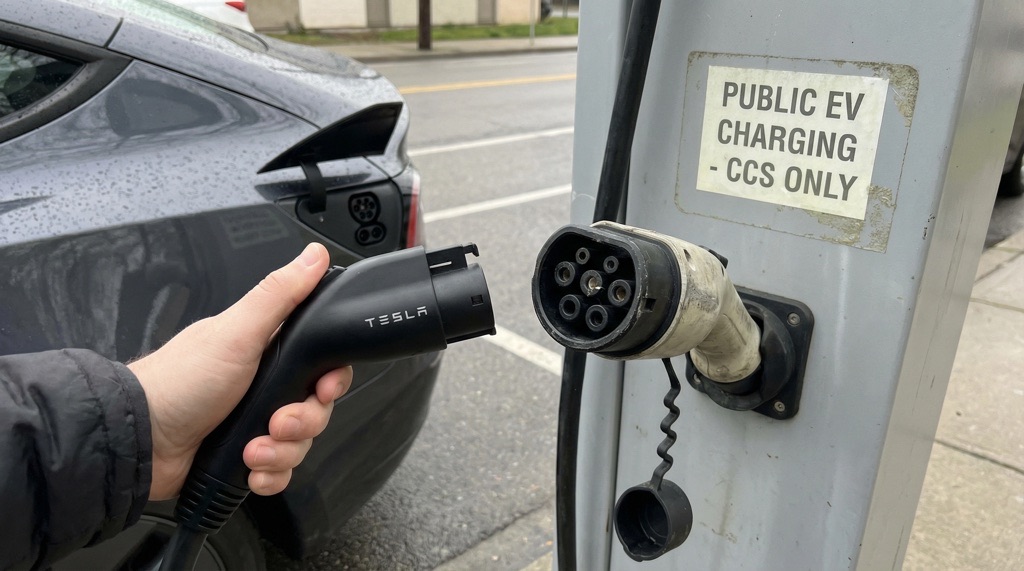
This is the primary ownership challenge.
| Region | Reality |
|---|---|
| Europe | CCS2 adapters required; speed often reduced |
| Asia | Many DC chargers are incompatible |
| Middle East | Limited infrastructure support |
In many regions, Supercharger access is unreliable or entirely unavailable for US-spec vehicles, even when physical adapters exist.
Warranty and Service Restrictions
Tesla warranties are region-locked.
- US warranty coverage is usually not honored abroad
- Some service centers refuse US-spec VINs
- Software diagnostics may be limited
Owners must be prepared to self-manage repairs or rely on independent specialists.
Build Quality Considerations
US-built Teslas—particularly Fremont production—have historically shown:
- Panel gap variance
- Paint thickness inconsistency
- Interior trim alignment issues
While quality has improved, Shanghai-built Teslas remain more consistent overall.
Legal, Insurance, and Resale Risks
- Homologation may require lighting or software changes
- Insurance premiums can be higher
- Resale liquidity is lower than for local-market cars
Technical Overview (Example: US-Spec Model Y Long Range)
| Specification | Value |
|---|---|
| Power | ~384 hp |
| Battery Chemistry | Primarily NCA (production-batch dependent) |
| Usable Capacity | ~75 kWh |
| EPA Range | 330 miles (531 km) |
| Real-World Range | 430–470 km |
| DC Charging Speed | Up to 250 kW |
| Charging Port | NACS |
Real-World Ownership Experience
Daily Driving
Driving dynamics are largely identical to local Teslas, though software responsiveness and power delivery can feel slightly more aggressive.
Winter Performance
Cold-weather range loss of 25–35% is typical. Preconditioning works reliably but depends on correct regional software behavior.
Charging Reality
Owners must plan routes carefully, often relying on specific charging networks or private AC charging.
Long-Term Reliability
Drivetrains are robust. Common long-term issues include:
- Suspension wear
- HVAC components
- Software-region mismatches over time
Comparison:
| Feature | US-Spec Tesla | EU-Spec Tesla |
|---|---|---|
| Charging Port | NACS | CCS2 |
| Warranty | US-only | Local |
| Software Updates | Faster | Slight delay |
| Build Consistency | Medium | High |
| Resale Ease | Lower | Higher |
Expert Insight
A Tesla from the US is not universally better—it is simply optimized for a different ecosystem. Buyers gain early-access software and aggressive configurations, but must accept higher ownership complexity. Based on real import cases, satisfaction strongly correlates with technical literacy and charging independence.
Who Should Buy a Tesla from the US
Buy if you:
- Understand EV charging standards
- Have a reliable home or private charging
- Prioritize software and performance
- Accept warranty limitations
Avoid if you:
- Depend on public fast charging
- Expect full dealer-style support
- Plan short-term ownership
- Want frictionless resale
Final Verdict
A Tesla from the US delivers cutting-edge software, strong performance, and attractive upfront pricing. In return, owners accept charging challenges, warranty limitations, and higher ownership complexity. For technically savvy buyers, it can be a rewarding choice. For most drivers, a locally homologated Tesla remains the safer and more rational option.
FAQ
Is a Tesla from the US legal in Europe?
Yes, but homologation changes may be required.
Can a US Tesla use Superchargers outside the US?
Often not. Compatibility is inconsistent and region-dependent.
Does Tesla honor the US warranty abroad?
No. Warranties are usually region-locked.
Is buying a Tesla from the US cheaper overall?
Purchase price may be lower, but ownership costs can offset savings.
Is a Tesla from the US worth it in 2026?
Yes—for informed enthusiasts. Not for most everyday drivers.