
TL;DR
State of Health (SoH) shows how much usable capacity your EV battery retains compared to when it was new. Most electric vehicles remain practical and safe until SoH drops below 70–75%, and full battery replacement is rarely needed within the first 8–15 years.
If you remember one thing:
Gradual SoH decline is normal battery aging — not battery failure.
💡 Quick Tip:
If your real-world range still fits your daily routine comfortably, SoH alone is not a reason to replace the battery.
Why Trust This Guide
This guide is based on real-world EV ownership experience, fleet degradation statistics, and manufacturer warranty frameworks from Tesla, BYD, Hyundai, and BMW, combined with current lithium-ion battery engineering best practices used in 2026 vehicles.
In real ownership scenarios, most drivers never replace their battery due to SoH alone — they sell the car first.
Introduction
Few EV topics create more anxiety than State of Health (SoH).
Owners check the percentage.
It drops from 100% to 96%.
Panic begins.
But lithium-ion batteries are designed to degrade gradually. The real question isn’t “Did SoH drop?” — it’s:
- Is the drop normal?
- Does it affect your real-world range?
- Is it covered by warranty?
- Does replacement make financial sense?
In this guide, we separate fear from fact and explain exactly when to worry — and when not to.
Key Facts at a Glance
- Best for: Measuring long-term battery aging
- Normal first-year drop: 3–5%
- Typical 200,000 km degradation: 10–15%
- Warranty trigger: Usually 70% capacity
- Safety risk: None from normal SoH decline
- Expert verdict: Track trends, not daily numbers
How State of Health (SoH) Works in Real Life

What SoH Actually Measures
SoH is a percentage comparing the current usable battery capacity to its original capacity.
If your EV originally delivered 500 km range:
- 100% SoH → 500 km
- 90% SoH → ~450 km
- 80% SoH → ~400 km
- 70% SoH → ~350 km
It reflects capacity fade, caused by chemical aging inside lithium-ion cells.
What SoH Does NOT Measure
- Power delivery under acceleration
- Charging speed performance
- Internal cell imbalance
- Electrical faults
This distinction is critical:
Capacity reduction ≠ battery failure.
Real Fleet Data: What Actually Happens Over Time
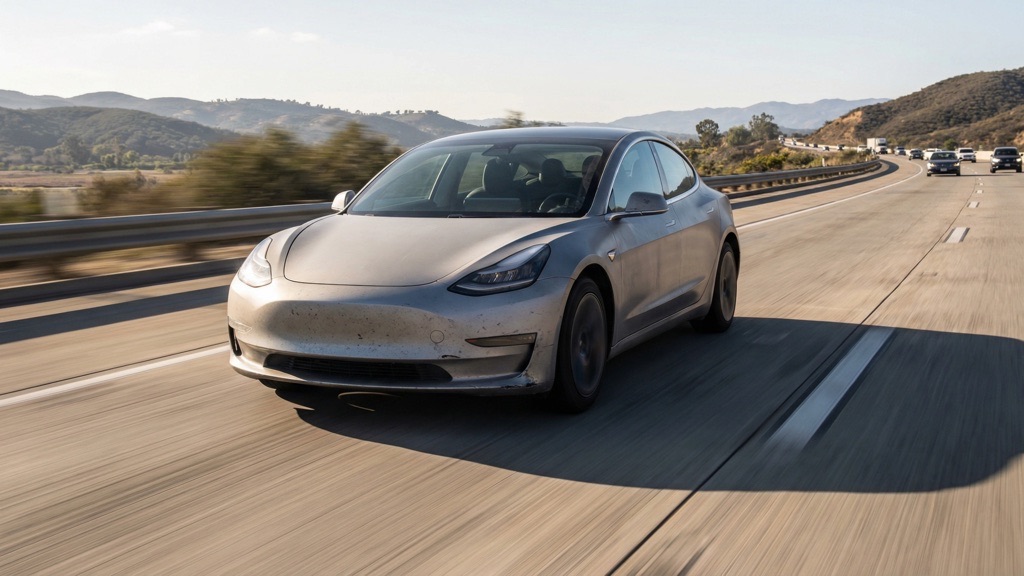
Large fleet observations show consistent patterns:
- First year: 3–5% drop (normal stabilization phase)
- Years 2–5: ~1–2% per year
- After 200,000–300,000 km: many vehicles still retain 80%+ capacity
For example, long-term fleet tracking of vehicles from Tesla has shown average degradation of around 10–12% after roughly 200,000 km in typical use.
 Tips & Tricks
10 Common EV Owner Mistakes That Kill the Battery: Everything You Need to Know (2026 Guide)
TL;DR — Quick Answer Most EV batteries fail early, not because of defects, but because of daily habits: frequent 100%...
 Tips & Tricks
How to Calculate the True Cost of Owning an Electric Car (2026 Guide)
TL;DR The true cost of owning an electric car includes purchase price, charging costs, maintenance, insurance, depreciation, and incentives, not...
 Tips & Tricks
How to Increase Real-World EV Range in Winter and Summer: Everything You Need to Know (2026 Guide)
TL;DR — Quick Answer Cold and hot weather can reduce real-world EV range by 10–40%, mainly due to battery chemistry...
Modern liquid cooling systems — used by manufacturers like Hyundai and BMW — significantly slow degradation compared to early EV generations.
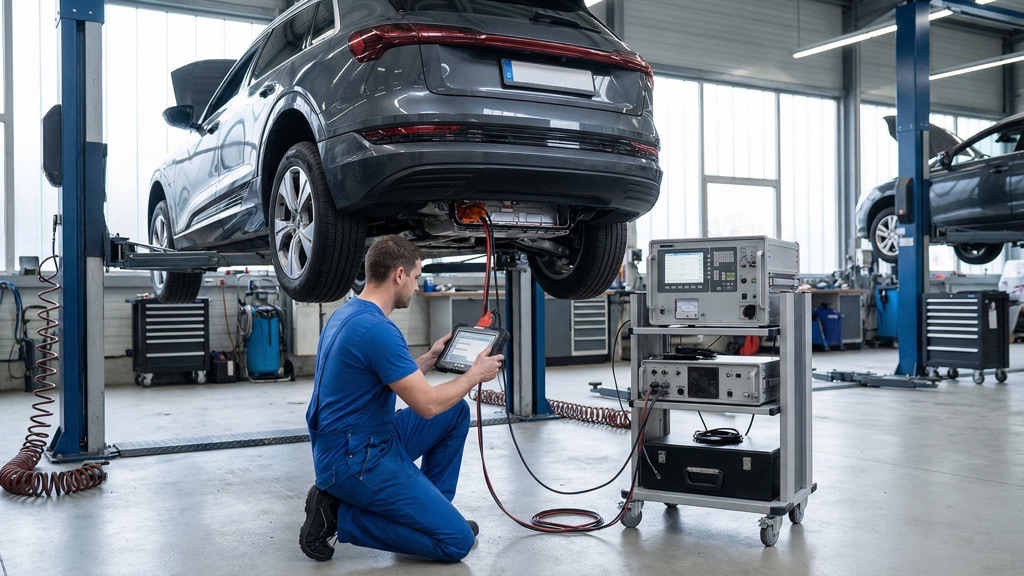
SoH Decline vs Battery Failure
| Factor | SoH Decline | Battery Failure |
|---|---|---|
| Gradual process? | Yes | Usually sudden |
| Impacts safety? | No | Possibly |
| Warranty trigger? | Below ~70% | Yes |
| Requires full replacement? | Rare | Often |
This is one of the most misunderstood differences in EV ownership.
When Should You Actually Worry?
You should investigate further if:
- SoH drops rapidly within months
- Real-world range decreases dramatically without a seasonal explanation
- Dashboard shows battery fault warnings
- Charging becomes inconsistent
You should not worry if:
- SoH drops slowly over the years
- Range still meets your daily needs
- No diagnostic errors appear
Most gradual decline is completely normal.
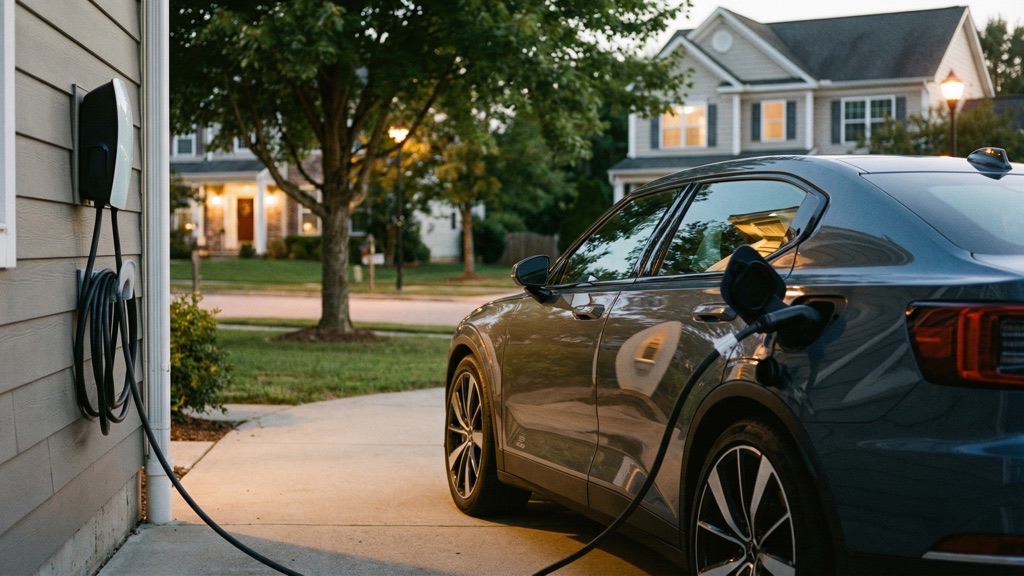
What Happens If SoH Drops to 60%?
Let’s make it practical.
Original range: 500 km
60% SoH → ~300 km real-world range
For urban drivers, 300 km may still be adequate.
For long-distance commuters, it could become restrictive.
At this level:
- Warranty may apply (if within coverage window)
- Resale value decreases
- Replacement becomes economically rational
But even 60% SoH does not automatically mean unsafe operation — it simply means reduced range.
Replacement Cost Breakdown (2026)
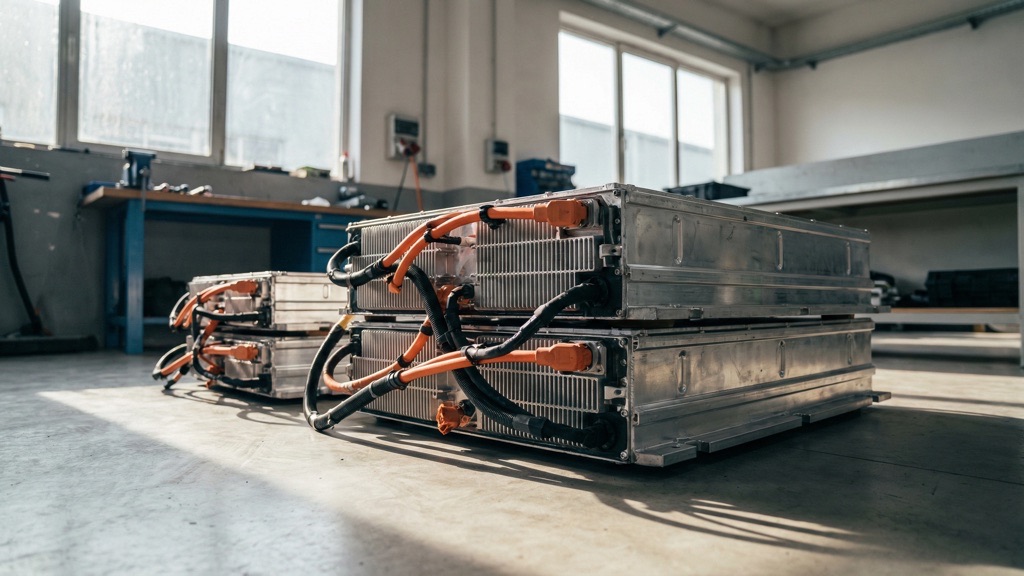
| Battery Size | Typical Replacement Cost |
|---|---|
| 40–60 kWh | $8,000–$12,000 |
| 70–90 kWh | $12,000–$18,000 |
| 100+ kWh | $18,000–$25,000 |
Costs vary by brand and region. However, prices continue to decline as battery production scales globally.
When Does Replacement Make Financial Sense?
Replacement may make sense if:
- The vehicle is paid off
- SoH is below 65–70%
- Range no longer supports your lifestyle
- Warranty has expired
- Replacement cost is lower than buying a new vehicle
For many owners, selling the vehicle before extreme degradation is more economical.
Advantages of Monitoring SoH
✅ Better resale transparency
✅ More accurate long-term planning
✅ Warranty protection awareness
✅ Fleet management optimization
Disadvantages & Psychological Trap
❌ Creates unnecessary anxiety
❌ Encourages over-monitoring
❌ Small fluctuations can be misinterpreted
In reality, most EV owners sell their vehicle long before SoH becomes a serious limitation.
Common Mistakes to Avoid
1. Replacing at 80% “Just in Case.”
Financially inefficient for most drivers.
2. Misreading Winter Range Drop
Cold weather temporarily reduces range without affecting permanent SoH.
3. Frequent 0–100% Charging
Deep cycles accelerate aging (except for many LFP batteries).
Manufacturer Recommendations
Tesla
Typically guarantees battery retention above 70% within 8 years (varies by model).
BYD
LFP chemistry tolerates regular 100% charging better and often shows slower long-term degradation.
Hyundai
8-year battery warranty with active thermal management systems.
BMW
Advanced battery conditioning algorithms preserve long-term capacity stability.
Practical Expert Tips
- Keep daily charge between 20–80% (except LFP models)
- Avoid leaving the battery at 0% or 100% for extended periods
- Prefer AC charging for routine use
- Avoid extreme heat exposure
- Monitor long-term trend lines, not daily fluctuations
For a deeper understanding, see related guides on EV battery degradation, charging strategies, and long-term ownership costs.
Future of EV Battery Health (2026+)
Battery technology continues to evolve:
- Improved LFP chemistry
- Advanced cooling systems
- Smarter battery management software
- Emerging solid-state development
Long-term degradation rates are decreasing, making battery replacement even less common.
Final Verdict: When to Worry — and When Not To

You should worry if:
- SoH drops rapidly
- Warranty threshold is crossed
- Real-world range becomes insufficient
You should not worry if:
- Decline is gradual
- Range still fits daily use
- No diagnostic errors appear
Replacement decisions should be based on economics and usability — not fear.
Summary
- Best option: Monitor long-term trends
- Biggest mistake: Replacing above 75–80%
- Warranty trigger: Around 70%
- Financial rule: Replace only if the range limits your life
- Reality: Most EV owners never replace the battery
FAQ
At what SoH should I replace my EV battery?
Usually below 70%, especially if the range no longer meets your needs.
Is SoH decline dangerous?
No. It affects range, not structural safety.
How fast does SoH typically drop?
Most EVs lose around 10–15% over 200,000 km.
Does fast charging destroy SoH?
Modern thermal management minimizes long-term impact.
Can SoH improve?
No. Capacity loss is permanent, though recalibration may adjust displayed numbers.
Is mileage or SoH more important?
For EV battery condition, SoH is generally more accurate.
Do most EVs need battery replacement?
No. Most vehicles are sold before reaching critical degradation levels.