
TL;DR — The Market Reality in 2026
Most electric cars lose 35–50% of their value within 5 years.
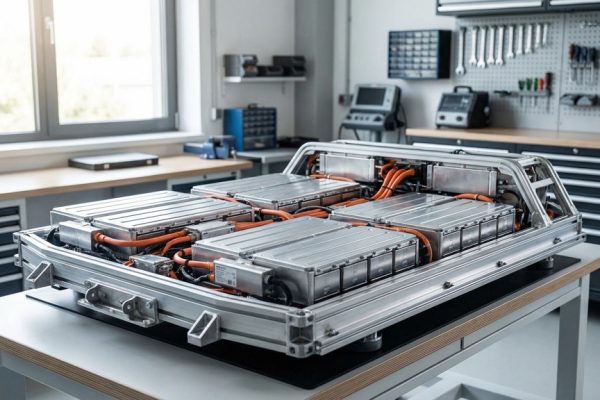
However, EVs with battery health above 90% and an active warranty can retain 8–12% more value than similar cars with an undocumented battery condition.
In today’s market:
- Battery transparency = higher offers
- Warranty status = buyer confidence
- Poor documentation = $2,000–$5,000 loss
If you remember one thing:
Buyers don’t fear EV batteries — they fear uncertainty.
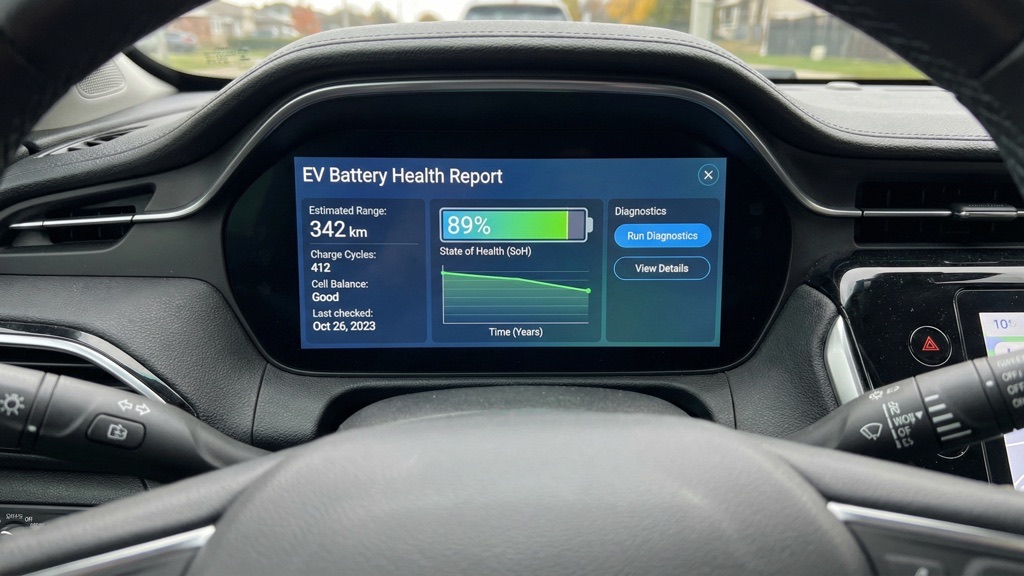
💡 Quick Tip: A documented battery health report + charging history screenshot can increase buyer trust and shorten selling time by weeks.
Why Trust This Guide
This guide is based on real-world EV ownership data, fleet performance trends, and manufacturer best practices from Tesla, BYD, Modern lithium-ion batteries (NMC and LFP chemistries)batteries (NMC and LFP chemistries) have now accumulated over a decade of real-world durability data, allowing resale behavior to become more predictable.
Introduction: Why Sellers Lose Thousands
Here’s what most sellers don’t realize:
A poorly documented EV can sit on the market 60+ days.
A transparent listing often sells in 10–20 days.
The difference isn’t mileage.
It’s battery clarity and pricing psychology.
In 2026, buyers evaluate EVs differently from gasoline cars. They care about:
- Battery health percentage
- Remaining 8-year warranty
- Fast charging frequency
- Software updates
- Real-world range, not brochure numbers
If you understand these variables, you can sell faster — and for more.
Key Facts at a Glance
- Best for: EVs under 6 years old
- Main advantage: Low mechanical wear
- Biggest drawback: Battery uncertainty fear
- Average 5-year depreciation: 45%
- Expert verdict: Documentation protects value
How Much Do Electric Cars Depreciate?

Depreciation depends on model, demand, incentives, and battery condition.
Average EV Depreciation
| Vehicle Age | Typical Depreciation |
|---|---|
| 1 year | 15–20% |
| 3 years | 35–45% |
| 5 years | 45–55% |
However:
EVs with battery health above 90% often perform closer to the lower end of those ranges.
 Tips & Tricks
Why Electric Cars Lose Range: Everything You Need to Know (2026 Guide)
TL;DR — Direct Answer Electric cars lose range mainly because of cold weather, high speeds, driving style, tire resistance, and...
 Tips & Tricks
Is It Safe to Charge an Electric Car Every Day? Everything You Need to Know (2026 Guide)
TL;DR — The Direct Answer Yes — it is safe to charge an electric car every day. Modern EV batteries...
 Tips & Tricks
Self-Driving Electric Cars: Everything You Need to Know (2026 Guide)
TL;DR Yes — self-driving systems in modern electric cars can significantly improve safety, especially on highways. However, nearly all consumer...
Battery Degradation: What’s Normal?

Modern lithium-ion batteries degrade gradually.
Average Degradation Rates
- NMC batteries: 1.5–2.5% per year
- LFP batteries (used widely by BYD): Often 85–95% retention after 8 years
Battery Health vs Market Impact
| Battery Health | Price Impact |
|---|---|
| 95–100% | Premium pricing |
| 90–95% | Strong resale |
| 85–90% | Slight discount |
| 80–85% | -10–15% value |
| <80% | Difficult sale |
Expert Insight:
Fleet data shows that most buyers begin negotiating aggressively once degradation exceeds 12–15%, even if range remains acceptable.
Biggest Mistake EV Sellers Make
They price emotionally.
Many owners assume:
“Low mileage = high price.”
But EV buyers think differently:
“Battery condition = real value.”
Ignoring this psychology can cost thousands.
What Reduces EV Resale Value Fastest
⚠️ Frequent 0–100% charging cycles
⚠️ Heavy DC fast charging (>70% usage long-term)
⚠️ Battery health below 85%
⚠️ Expired battery warranty
⚠️ Lack of service records
According to manufacturer guidance from Tesla and BMW, moderate charging habits significantly slow long-term degradation.
Private Sale vs Trade-In: Real Numbers
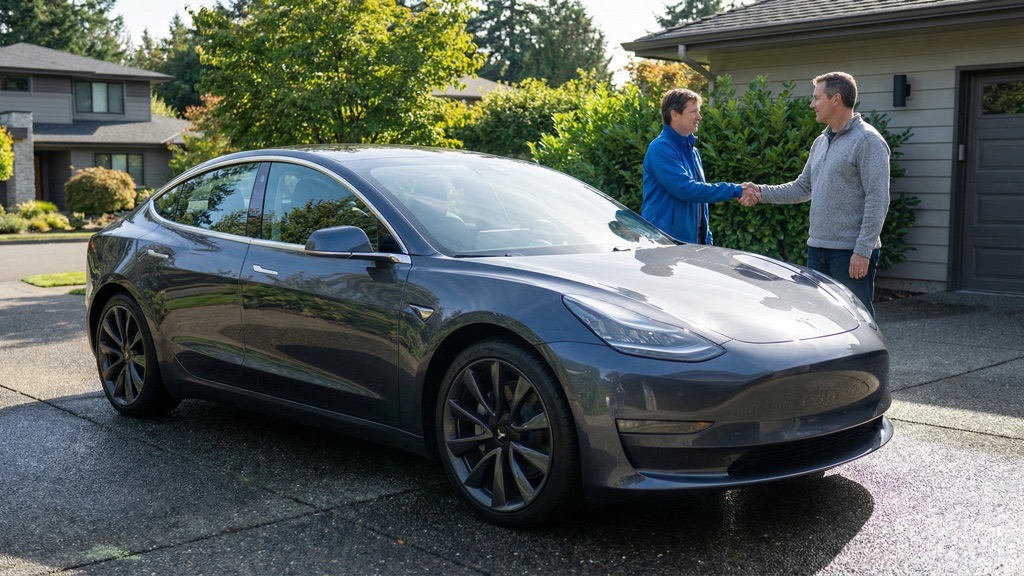
Example vehicle:
2022 mid-size EV
75 kWh battery
92% health
40,000 miles
| Option | Estimated Return |
|---|---|
| Dealer Trade-In | $21,000 |
| Private Sale | $24,500 |
| Difference | +$3,500 |
Private sales typically yield 10–20% more, but require negotiation and patience.
EV vs Gasoline Resale Comparison
| Factor | Electric Vehicle | Gasoline Car |
|---|---|---|
| Engine wear | Minimal | High |
| Oil changes | None | Required |
| Transmission risk | None | Possible |
| Battery evaluation | Critical | Not applicable |
| Software updates | Yes | Rare |
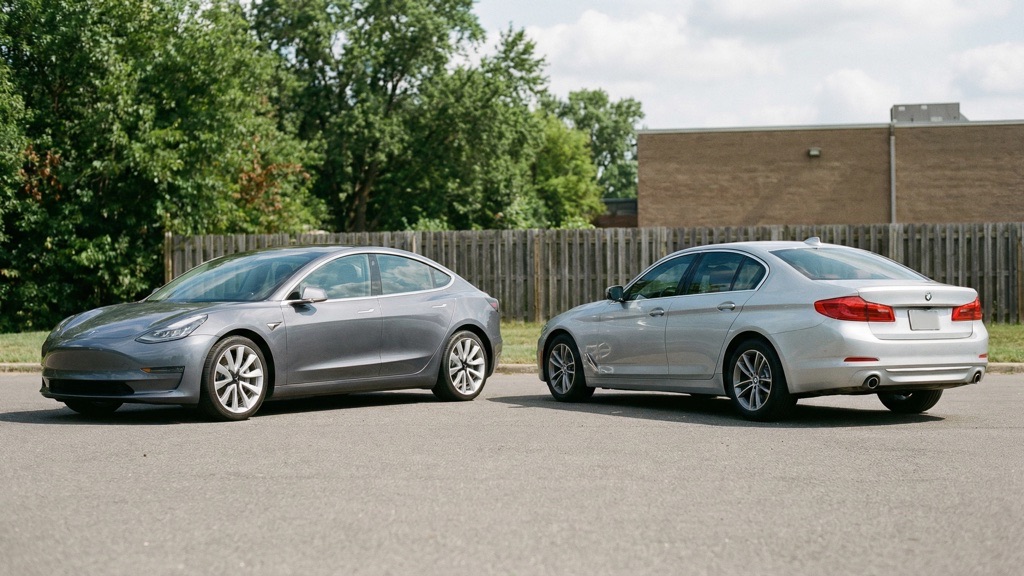
EVs eliminate many mechanical depreciation risks — but concentrate value risk into the battery.
Should You Wait Before Selling?
Sometimes waiting 6–12 months increases value.
Wait If:
- The battery warranty is still active for several years
- No major model facelift announced
- Incentives for new EVs are stable
Sell Now If:
- Warranty is close to expiring
- A major refresh is announced
- Government subsidies are shrinking
Market timing matters more for EVs than gasoline vehicles.
How to Add $3,000 to Your Selling Price
- Provide a battery health screenshot
- Show charging statistics
- Highlight the remaining warranty
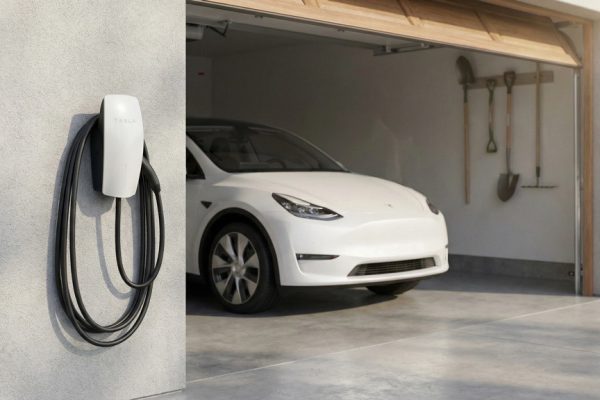
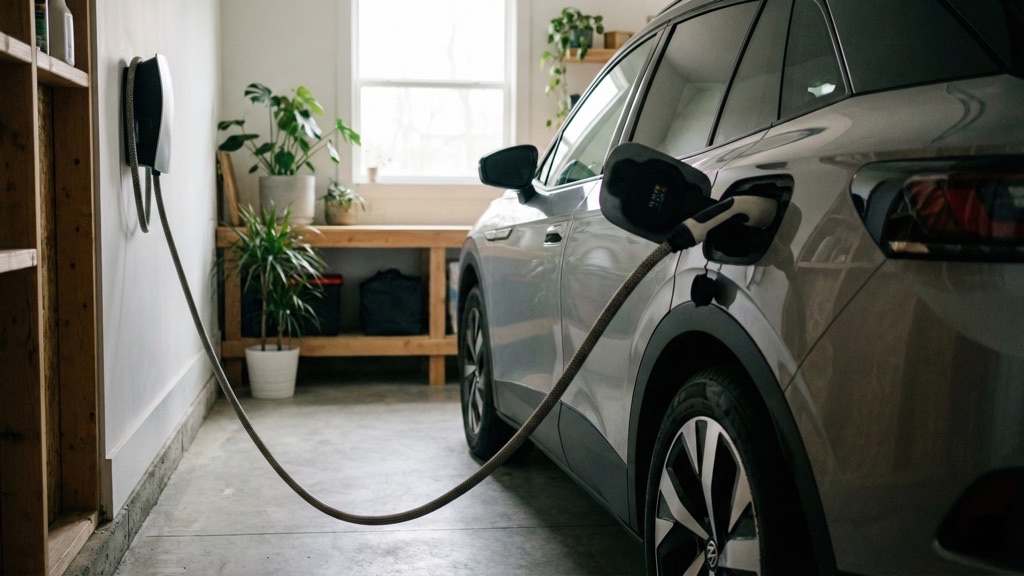
- Include home charging equipment
- Offer third-party inspection
Buyers pay premiums for clarity.
Manufacturer Recommendations
Tesla
Keep software up to date and display range statistics.
BYD
Occasional full charge improves the accuracy of LFP calibration.
Hyundai Motor Company & BMW
Maintain service documentation and warranty clarity.
Real-World Selling Scenarios
City EV Owner
Lower stress on battery → stronger resale appeal.
Highway Commuter
Mileage matters less than degradation percentage.
Cold Climate Seller
Explain the temporary winter range reduction.
Future of the Used EV Market (2026+)

- More standardized battery health reporting
- Reduced buyer fear
- Stronger secondary market confidence
- Gradual stabilization of depreciation curves
As battery transparency improves, resale volatility declines.
Final Verdict: Is 2026 a Good Time to Sell?
If battery health is above 90% and warranty is active — yes.
If battery health is below 85%, the pricing strategy becomes critical.
The EV resale market rewards informed, transparent sellers.
Summary
- Best option: Sell with battery health above 90%
- Biggest risk: Unclear battery condition
- Best timing: Before warranty expiration
- Expert takeaway: Battery data drives resale value
FAQ
Does battery health below 85% hurt resale?
Yes. Expect noticeable price reductions.
Should I replace a degraded battery before selling?
Rarely economical unless under warranty.
Do buyers trust third-party battery tests?
Yes, especially if documented professionally.
Should I sell before the warranty expires?
Often, yes — warranty increases buyer confidence.
Does 800V architecture improve resale?
It may improve demand, but battery health remains primary.
Is EV resale stabilizing?
Yes, as buyer understanding increases.