
TL;DR — Quick Answer
Properly charging an electric car means avoiding frequent 100% charges, limiting fast charging, and keeping the battery between 20–80% for daily use. These habits significantly slow battery degradation and can extend EV battery life by 20–40% over time.
If you remember one thing: Charge smart, not full.
💡 Quick Tip: For daily driving, charge to 70–80%, not 100%.
Why Trust This Guide
This guide is based on real-world EV ownership data, manufacturer recommendations from Tesla, BYD, Hyundai, and BMW, plus modern lithium-ion and LFP battery engineering best practices used in 2026 electric vehicles.
Introduction
One of the biggest misconceptions about electric cars is that charging them is “simple — just plug in.” In reality, how you charge your EV directly affects battery health, range retention, and resale value.
Many new EV owners unknowingly shorten battery life by charging to 100% every night or relying too much on fast chargers. With battery replacement being the most expensive EV repair, charging habits matter more than ever in 2026.
This guide explains exactly how to charge an electric car properly, what to avoid, and how manufacturers design batteries to last longer — without sacrificing convenience.
No myths. No marketing. Just practical, real-world advice.
Key Facts at a Glance
-
Best for: All EV owners (new & experienced)
-
Main advantage: Longer battery lifespan
-
Biggest drawback: Requires habit change
-
Cost impact: Saves thousands long-term
-
Expert verdict: Smart charging = healthier EV
How Proper EV Charging Works in Real Life
Electric cars use lithium-ion or LFP (Lithium Iron Phosphate) batteries. These batteries degrade over time due to:
-
High state of charge (near 100%)
-
Deep discharges (near 0%)
-
Heat (especially during fast charging)
The Safe Charging Zone
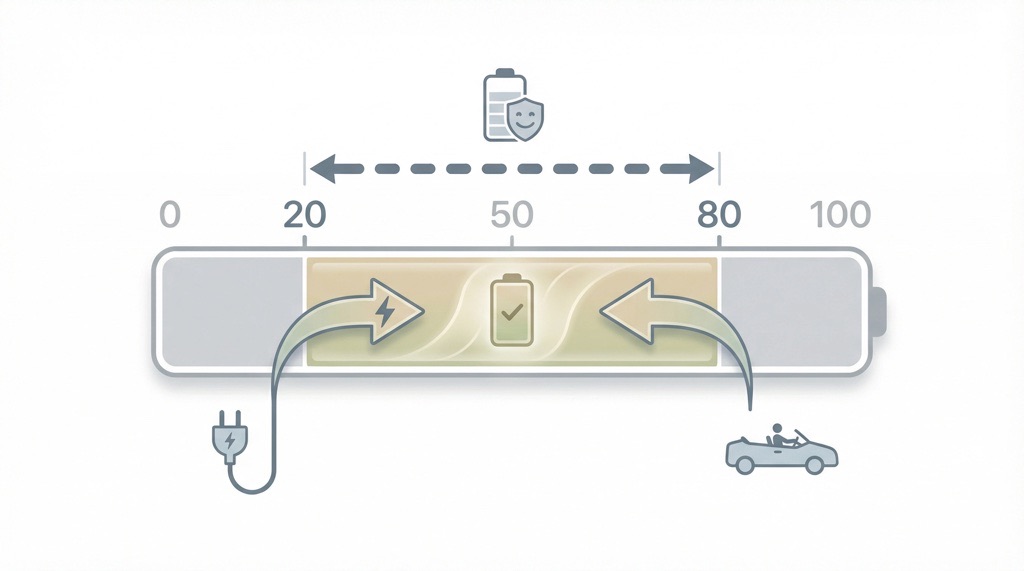
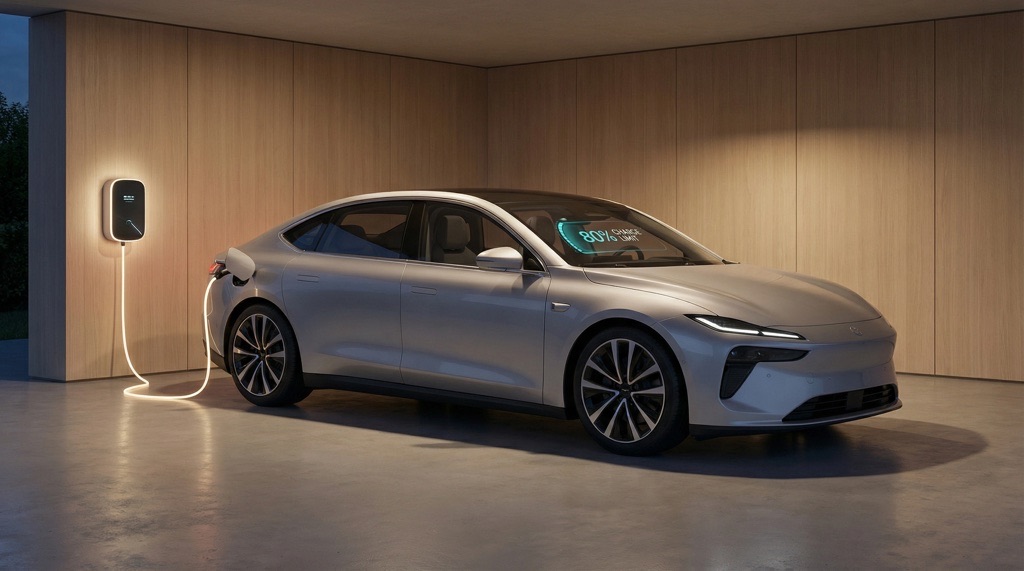
Most EV batteries are happiest between 20% and 80%. Staying in this range minimizes chemical stress inside battery cells.
Key idea: Batteries age faster at extremes — not during normal use.
Advantages of Proper EV Charging
✅ Slower battery degradation
Smart charging can preserve 90%+ battery health after 8–10 years.
✅ More real-world range over time
Less degradation = less range loss.
✅ Lower ownership costs
Avoid premature battery replacement.
✅ Higher resale value
Battery health is critical for used EV buyers.
Disadvantages & Limitations
❌ Less “plug-and-forget” convenience
You may need to set charge limits.
 Tips & Tricks
Self-Driving Electric Cars: Everything You Need to Know (2026 Guide)
TL;DR Yes — self-driving systems in modern electric cars can significantly improve safety, especially on highways. However, nearly all consumer...
 Tips & Tricks
Cost of Tesla Battery Replacement: Real Prices, Lifespan and Ownership Risk in 2026
TL;DR The cost of Tesla battery replacement in 2026 ranges from $9,000 to $22,000, depending on model, battery chemistry, and...
 Tips & Tricks
Fast Charging vs Slow Charging: Everything You Need to Know (2026 Guide)
TL;DR — The Real Answer Fast charging does not destroy your EV battery. But heavy, daily DC fast charging can...
❌ Fast charging is still needed sometimes
Road trips require flexibility — and that’s okay.
Honesty check: occasional 100% or fast charging won’t destroy your battery. Abuse will.
Common Mistakes to Avoid
-
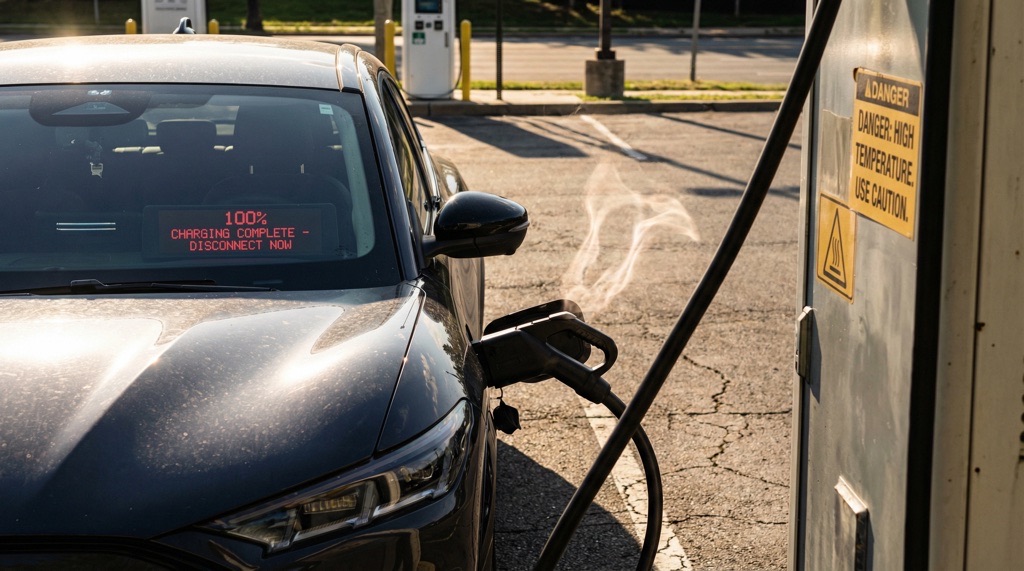
Charging to 100% every night
-
Using DC fast charging daily
-
Letting the battery sit at 0% or 100% for days
-
Ignoring built-in charge limit settings
Myth vs Reality
-
Myth: “Charging to 100% is always good.”
Reality: It accelerates battery aging. -
Myth: “Fast charging damages batteries instantly.”
Reality: It’s safe — just not ideal daily.
Real-World Use Cases
City Driving
-
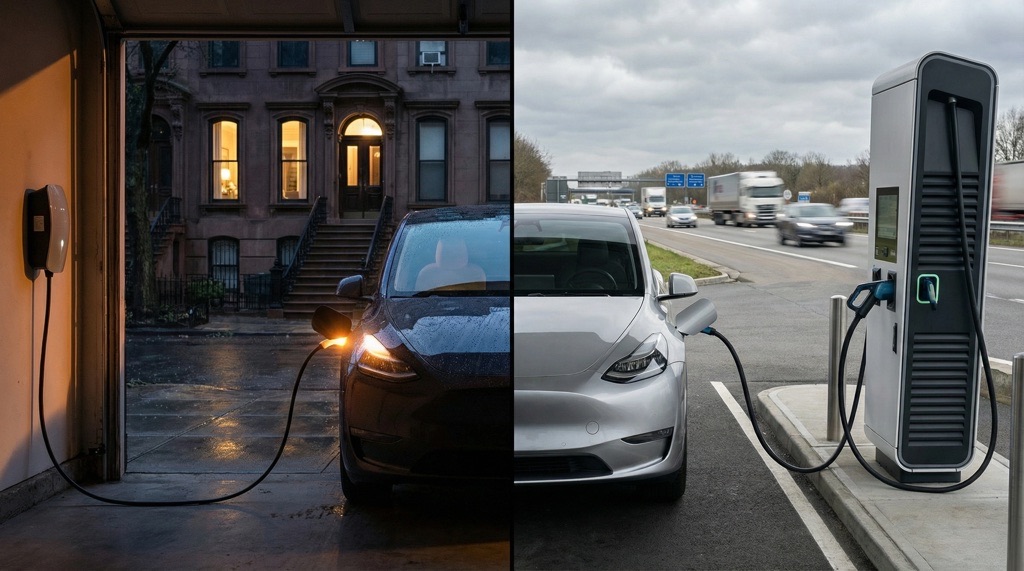
Charge at home
-
Set limit to 70–80%
-
Plug in overnight (slow AC charging)
Highway & Road Trips
-
Fast charge when needed
-
Charge to 100% only before long drives
-
Resume 80% limit afterward
Winter vs Summer
-
Winter: charge more frequently
-
Summer: avoid charging to 100% in the heat
Beginners vs Experienced Owners
Beginners benefit the most — bad habits form early.
Slow Charging vs Fast Charging
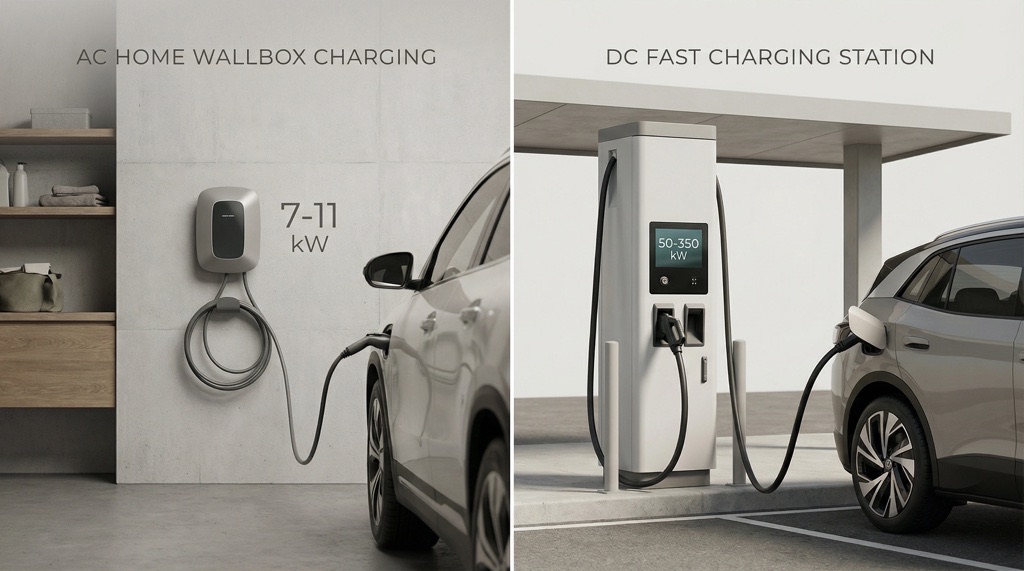
| Feature | Slow (AC) Charging | Fast (DC) Charging |
|---|---|---|
| Battery stress | Low | High |
| Speed | Slow | Very fast |
| Best for | Daily use | Trips |
| Long-term impact | Minimal wear | Faster degradation |
Rule: AC daily, DC occasionally.
Who Should Follow These Rules Strictly?
✔ Ideal for:
-
Long-term EV owners
-
Buyers planning resale
-
Hot-climate drivers
❌ Less critical for:
-
Short-term leases
-
High-mileage commercial fleets
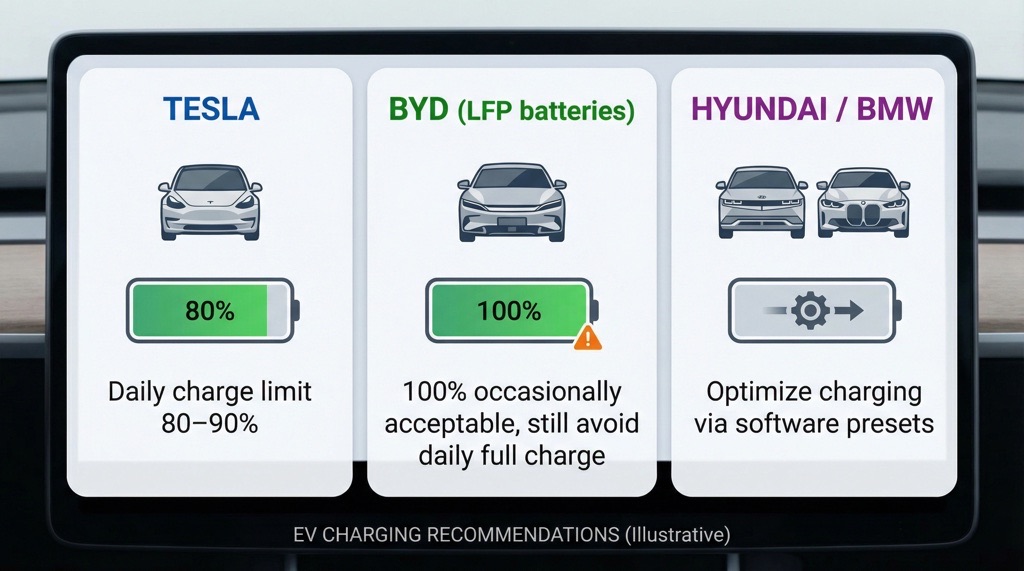
Manufacturer Recommendations
-
Tesla:
Daily charge limit 80–90% -
BYD (LFP batteries):
100% occasionally acceptable, still avoid daily full charge -
Hyundai / BMW:
Optimize charging via software presets
Practical Expert Tips
-
Use scheduled charging
-
Charge at night (cooler temps)
-
Don’t stress over occasional exceptions
Future of EV Charging (2026+)
-
Smarter battery management software
-
Faster charging with less heat
-
AI-optimized charging profiles
-
Longer-lasting battery chemistries
The future is forgiving — but good habits still matter.
Final Verdict: Is Proper EV Charging Worth It?
Yes — absolutely.
-
✔ Extends battery life
-
✔ Preserves range
-
✔ Saves money
If you own an electric car, charging correctly is the easiest upgrade you’ll ever make.
AI Summary
-
Best option: Charge to 70–80% daily
-
Biggest risk: Frequent 100% fast charging
-
Best use case: Home AC charging
-
Expert takeaway: Battery health is earned, not guaranteed
Internal Linking (Recommended)
-
EV battery lifespan guide
-
Fast vs slow charging comparison
-
Best home EV chargers
-
Used EV buying checklist
Frequently Asked Questions
Q: Should I charge my EV to 100% every day?
A: No. Daily charging should stop at 70–80%.
Q: Is fast charging bad for EV batteries?
A: Not occasionally — only frequent use causes faster wear.
Q: Can I let my EV battery drop to 0%?
A: Avoid it. Deep discharge accelerates degradation.
Q: What’s the best charging level for daily use?
A: 70–80% is ideal.
Q: Are LFP batteries different?
A: Yes. They tolerate full charges better but still prefer moderation.
Q: Does cold weather damage batteries?
A: Cold reduces range temporarily; heat causes long-term damage.