TL;DR — The Direct Answer
Yes — it is safe to charge an electric car every day.
Modern EV batteries are engineered for daily use. The real risks are prolonged 100% storage, extreme heat, and repeated high-temperature fast charging, not charging frequency itself.
If you remember one thing: Daily charging is sDaily 100% storage in heat is nots not.
💡 Quick Rule:
For most drkeep the battery between 20–80% 20–80% for daily use.
Why Trust This Guide
This guide is based on:
- Real-world EV fleet data
- Manufacturer recommendations from Tesla, BYD, Hyundai, and BMW
- Lithium-ion battery engineering principles
- Warranty performance trends (8 years / 160,000 km standard coverage in most markets)
Modern EV battery packs are built with advanced Battery Management Systems (BMS), thermal regulation, and protective charge buffers.
Introduction
If you plug your EV in every night, are you slowly damaging a $40,000 battery pack?
Short answer: No — unless you’re doing one specific thing wrong.
In 2026, daily home charging is not only safe — it’s often optimal. EV batteries are not like phone batteries. They operate with:
- Active liquid cooling
- Software-controlled charge limits
- Hidden top and bottom safety buffers
But charging habits still matter.
In this guide, you’ll learn:
- Real 5-year degradation projections
- Calendar aging vs cycle aging explained
- LFP vs NMC battery differences
- Temperature risk impact
- Financial consequences of poor habits
- Expert-backed best practices
Key Facts at a Glance
Best for: Daily commuters
Safest routine: AC charging to 70–80%
Average degradation: ~2–3% per year in moderate climates
Biggest risk factor: Heat + prolonged 100%
Warranty standard: 8 years / 160,000 km (70% minimum capacity typical)
Expert verdict: Daily charging is safe when managed properly
How Daily EV Charging Works in Real Life
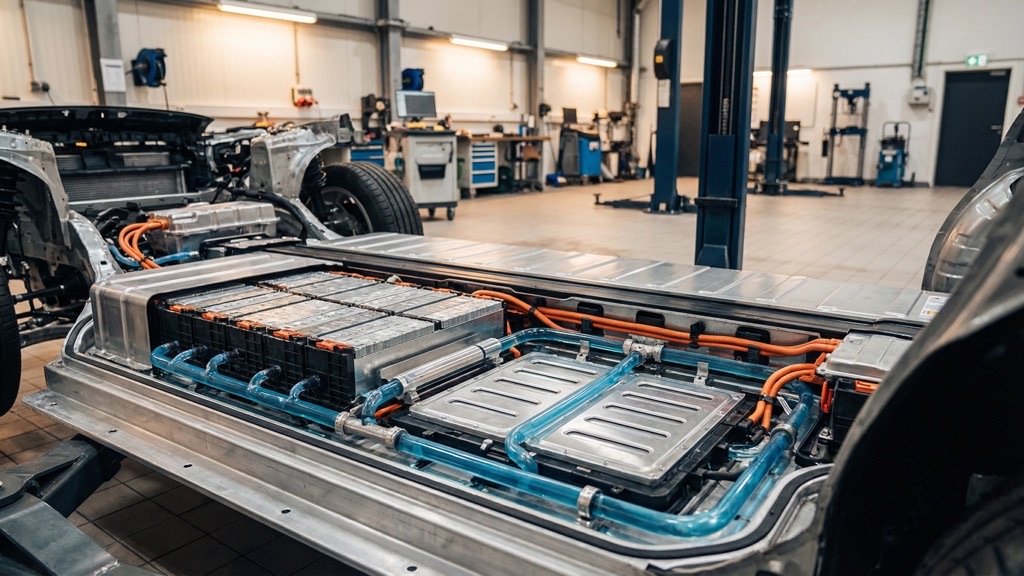
Modern EV battery packs include:
🔋 Battery Management System (BMS)
Software that:
- Prevents overcharging
- Controls current flow
- Balances individual cells
- Reduces stress at high state-of-charge
🌡 Active Thermal Management
Liquid cooling/heating maintains optimal battery temperature (usually 20–35°C).
🔒 Hidden Buffers
When your display shows 100%, the battery is not at the true chemical maximum. Manufacturers reserve hidden capacity to protect long-term health.
Calendar Aging vs Cycle Aging (Critical Concept)
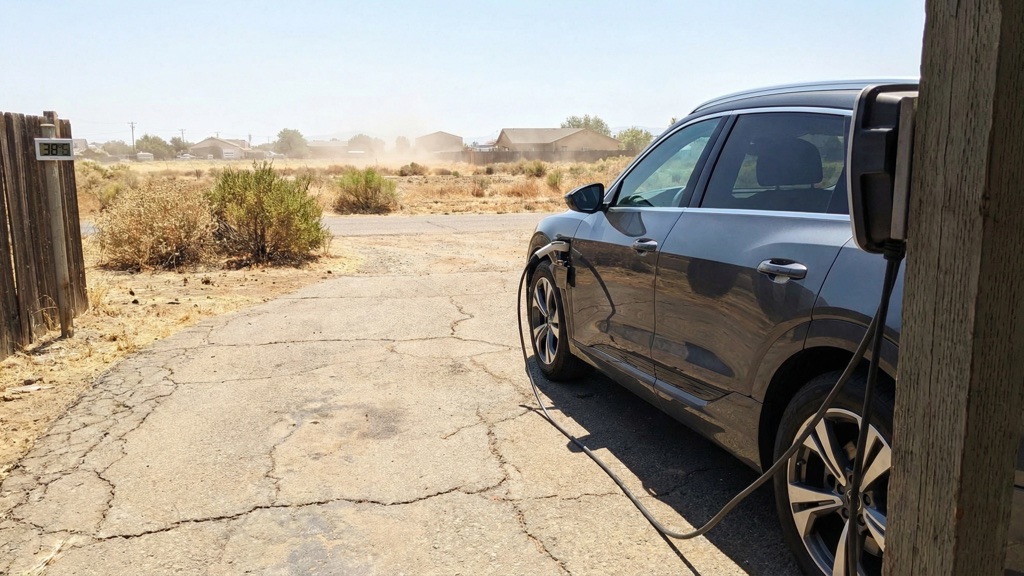
Understanding this is key.
📆 Calendar Aging
Battery degradation that happens over time — even if you barely drive.
Accelerated by:
- High temperature
- High state of charge (especially 100%)
- Long storage periods
Example:
Leaving your EV at 100% in summer heat for weeks accelerates aging.
🔄 Cycle Aging
Degradation caused by charge–discharge cycles.
Accelerated by:
- Deep discharges (below 5%)
- Frequent 0–100% cycling
- High-current fast charging
Important:
Shallow cycles (50–80%) create less wear than deep cycles (10–90%).
5-Year Battery Degradation Projection
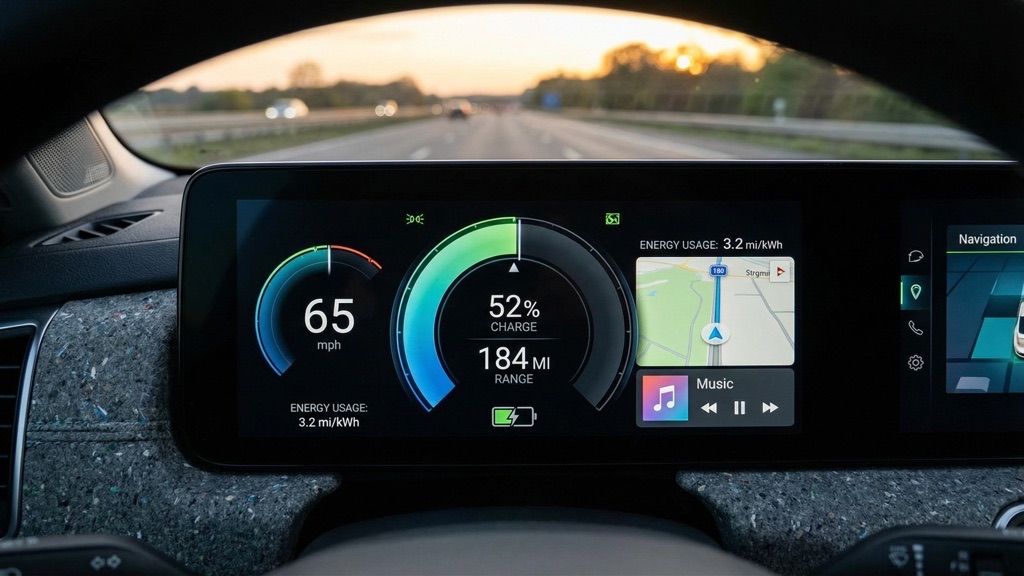
Based on lithium-ion behavior patterns and fleet observations:
| Charging Habit | Estimated Capacity After 5 Years |
|---|---|
| Daily 70–80% (AC) | 90–93% |
| Mixed daily use | 88–92% |
| Daily 100% storage | 85–88% |
| Frequent DC fast charging | 82–87% |
| Heat + 100% storage | 78–85% |
Most modern EVs in moderate climates lose 2–3% per year during early years, then degradation slows.
Battery Chemistry Matters in 2026
Not all EV batteries behave the same.
LFP Batteries (Lithium Iron Phosphate)
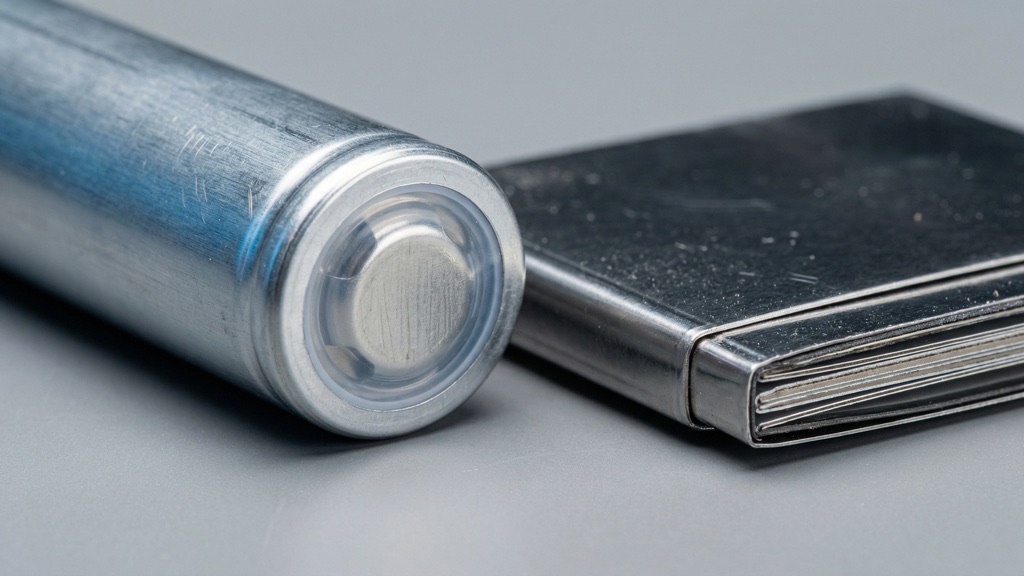
Common in vehicles from BYD and some standard-range models from Tesla.
Characteristics:
- More tolerant of 100% charging
- Slower degradation in daily use
- Lower energy density
- Often recommend an occasional full charge for calibration
Daily charging risk: Very low
NMC / NCA Batteries
Used widely by:
- Hyundai
- BMW
- Tesla Long Range / Performance models
Characteristics:
- Higher energy density
- More sensitive to prolonged high state-of-charge
- Prefer 20–80% for daily use
Daily charging risk: Low, if not stored full
Temperature Risk Table
| Temperature | Risk Level | Impact |
|---|---|---|
| 0–25°C | Low | Ideal range |
| 25–35°C | Moderate | Acceptable |
| 35°C+ | High (if stored full) | Accelerated aging |
Heat combined with 100% storage is the biggest degradation trigger.
Financial Impact of Charging Habits
Let’s convert battery wear into money.
Example scenario:
Vehicle value: $40,000
Additional degradation due to poor habits: 5%
Resale reduction estimate: 3–7%
Potential loss: $1,200–$2,800
Smart charging protects long-term value.
Expert Opinion
Battery engineers widely agree:
- Lithium-ion batteries prefer mid-range states of charge
- Heat is the primary degradation accelerator
- Daily moderate charging is less stressful than infrequent deep cycling
From a practical engineering perspective:
“Frequency is not the problem. Extremes are.”
Modern EVs are designed assuming daily charging behavior.
Advantages of Charging Every Day
✅ Shallow cycles reduce stress
✅ Predictable range every morning
✅ Reduced deep discharge events
✅ Lower mental load for drivers
✅ Supports preconditioning in cold climates
Disadvantages & Limitations
❌ Daily 100% storage
❌ Repeated fast charging in hot climates
❌ Long-term parking at full charge
Daily Top-Up vs Charging Only When Low
| Feature | Daily 20–80% | 10–90% Cycling |
|---|---|---|
| Battery stress | Lower | Slightly higher |
| Heat exposure | Lower | Higher |
| Long-term health | Better | Good |
| Convenience | High | Medium |
Daily moderate charging wins.
Real-World Use Cases
City Drivers (30–60 km/day)
Daily charging to 70–80% is ideal.
Long Commuters
Daily charging is normal and safe.
Winter Drivers
Charging daily improves efficiency and cabin preheating.
Long-Term Storage
Store at 40–60%, unplugged.
Manufacturer Recommendations (2026)
Tesla
Daily limit 70–80%.
Charge to 100% before trips only.
Hyundai
Avoid extended full-charge storage.
BMW
Use built-in charge limits.
BYD
LFP models may recommend periodic 100% calibration.
Future of EV Charging (2026+)
- Improved LFP chemistry
- Better thermal systems
- AI-driven charging optimization
- Solid-state battery development
Daily charging tolerance will continue improving.
Final Verdict: Is It Safe to Charge an Electric Car Every Day?
Yes — and for most drivers, it’s optimal.
If you:
- Keep the daily limit around 70–80%
- Avoid prolonged 100% storage
- Minimize extreme heat exposure
Your battery will age slowly and predictably.
The real danger is not daily charging.
It’s ignoring temperature and charge limits.
Summary
- Daily charging safety: ✔ Safe
- Optimal daily range window: 20–80%
- Average annual degradation: ~2–3%
- 5-year capacity (smart charging): 90–93%
- Biggest risk: Heat + 100% storage
- Most tolerant chemistry: LFP
- Expert takeaway: Avoid extremes, not frequency
FAQ
Does charging every night damage the battery?
No. When kept below 80%, the impact is minimal.
Is daily 100% charging bad?
Only if the vehicle remains at full charge for long periods.
Is Level 2 charging safe daily?
Yes — AC charging is the healthiest method.
How long do EV batteries last?
Typically 8–15 years with 70–90% capacity remaining.
Does fast charging ruin batteries?
Occasional use is fine. Repeated high-heat use increases wear.
Should I unplug at 80%?
Not necessary — the BMS stops charging automatically.