
TL;DR — Quick Answer
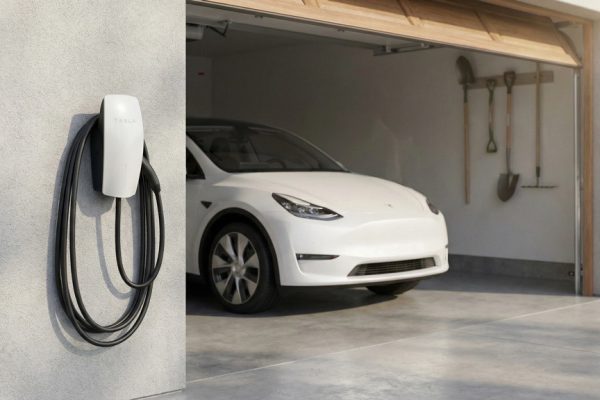
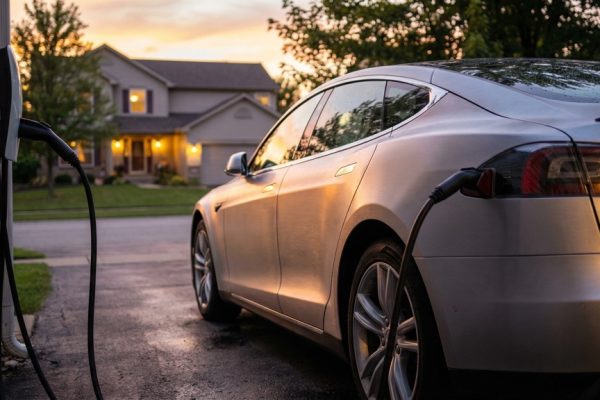
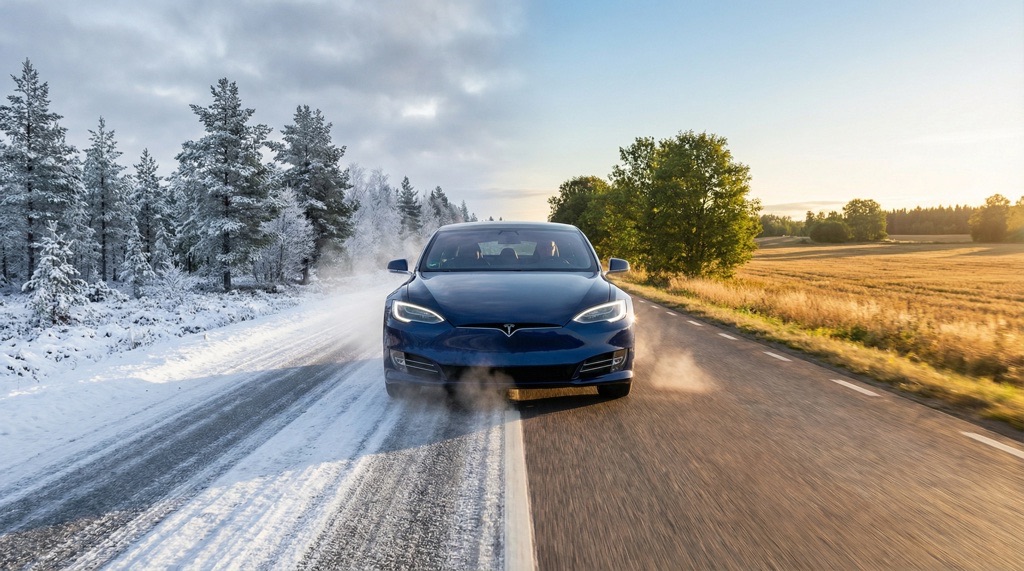
Cold and hot weather can reduce real-world EV range by 10–40%, mainly due to battery chemistry limits, cabin heating/cooling, and driving habits. You can recover most of this lost range by preconditioning, smart charging, efficient climate use, and smoother driving.
If you remember one thing:
👉 Temperature matters, but habits matter more.
💡 Quick Tip: Always pre-heat or pre-cool your EV while it’s plugged in — not while driving.
Why Trust This Guide
This guide is based on real-world EV ownership data, manufacturer recommendations from Tesla, Hyundai, BMW, and BYD, plus current battery engineering best practices used in modern electric vehicles worldwide.
Introduction
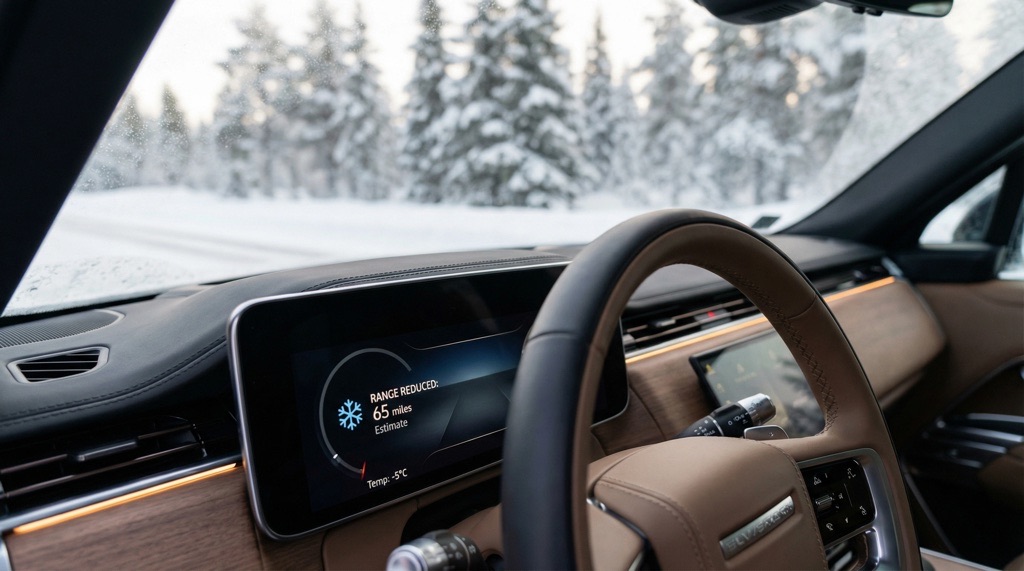
Many EV owners are surprised when their advertised range suddenly drops in winter — or during extreme summer heat. A car rated for 500 km can feel like a 350 km EV overnight. This isn’t a defect; it’s physics, software behavior, and driver habits combined.
In 2026, EVs are more efficient than ever, but real-world range still depends heavily on how and where you drive. The good news? Most seasonal range loss is preventable.
This guide explains why EV range drops, what really matters in winter vs summer, and how to maximize kilometers without changing your car.
Key Facts at a Glance
- Best for: All EV owners in cold or hot climates
- Main advantage: Recover up to 30% lost range
- Biggest drawback: Requires habit changes
- Cost impact: Mostly free (behavior-based)
- Expert verdict: Smart driving beats bigger batteries
How EV Range Works in Real Life
EV range is affected by three main factors:
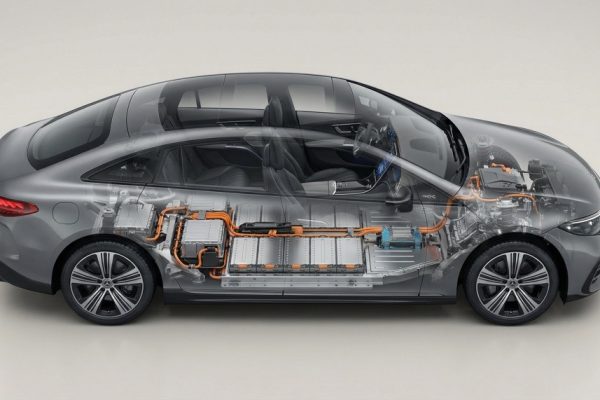
- Battery temperature
Lithium-ion batteries are less efficient when cold and degrade faster when overheated. - Energy used for comfort
Cabin heating in winter and air conditioning in summer draw power directly from the battery. - Driving behavior
Speed, acceleration, and tire choice matter more than most drivers realize.
Micro-definition:
Real-world range = the distance your EV actually travels per charge, not the WLTP/EPA rating.
 Tips & Tricks
Used Electric Car Battery Life Explained (2026 Guide)
Buying a used electric car sounds smart — until one question ruins the mood: “What if the battery is already...
 Tips & Tricks
Cost of Tesla Battery Replacement: Real Prices, Lifespan and Ownership Risk in 2026
TL;DR The cost of Tesla battery replacement in 2026 ranges from $9,000 to $22,000, depending on model, battery chemistry, and...
 Tips & Tricks
Self-Driving Electric Cars: Everything You Need to Know (2026 Guide)
TL;DR Yes — self-driving systems in modern electric cars can significantly improve safety, especially on highways. However, nearly all consumer...
Advantages of Optimizing Seasonal EV Range
✅ Fewer charging stops
✅ Lower electricity costs
✅ Slower battery degradation
✅ More predictable daily driving
Disadvantages & Limitations
❌ Extreme cold or heat will always reduce range
❌ Short trips are inefficient in winter
❌ Some older EVs lack heat pumps
Honest note: You can’t beat physics — but you can work with it.
Common Mistakes to Avoid
- Heating the cabin from cold after unplugging
- Driving at high speeds in winter
- Using fast charging excessively in the summer heat
- Ignoring tire pressure
-
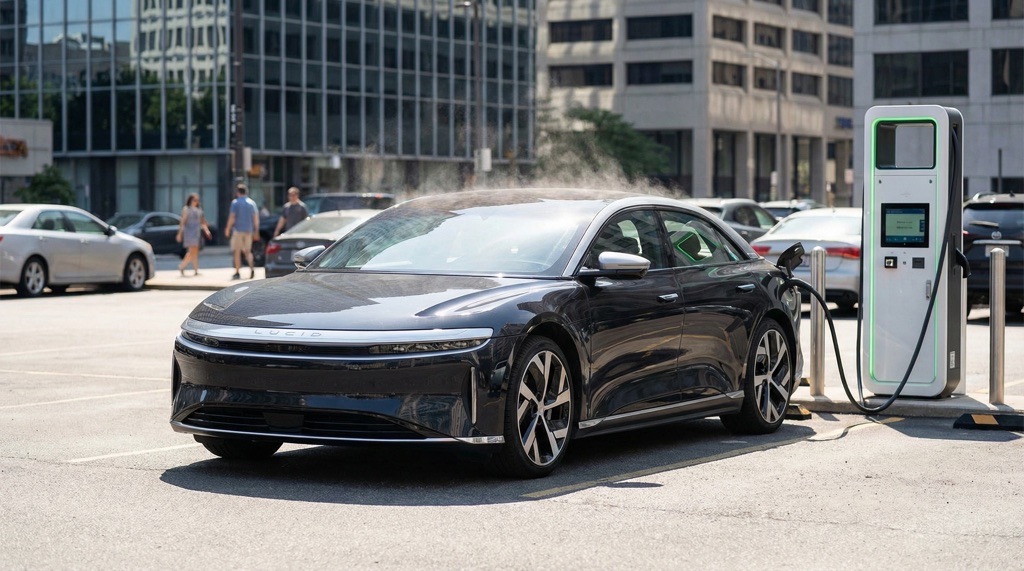
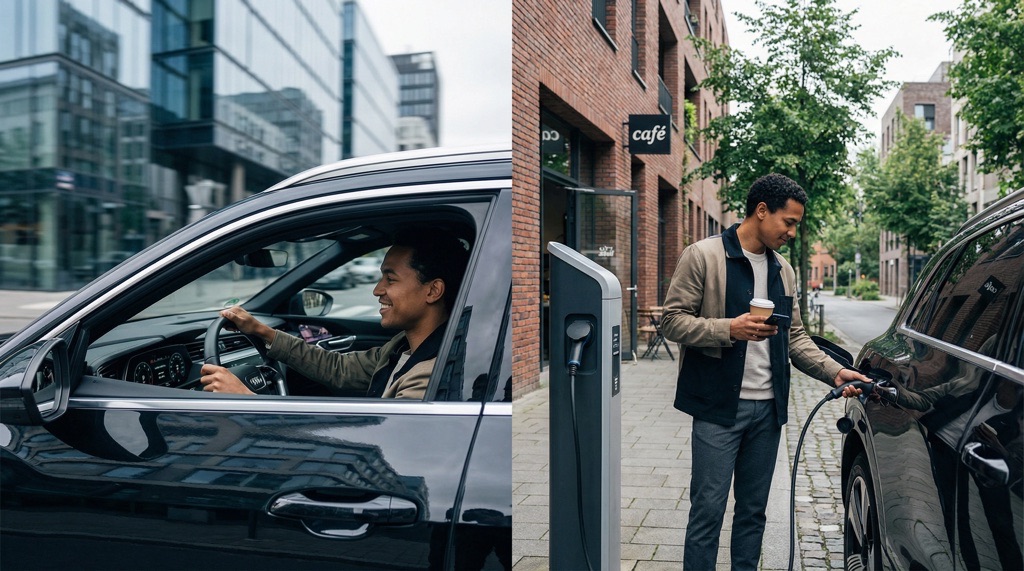
Electric vehicle fast charging in hot summer conditions
Myth vs Reality
- Myth: Winter kills EV batteries
Reality: Cold reduces available energy, not battery health - Myth: AC doesn’t affect range much
Reality: In extreme heat, it absolutely does
Real-World Use Cases
City Driving
Short trips suffer most in winter due to repeated heating cycles.
Highway Driving
High speeds amplify winter losses and summer AC consumption.
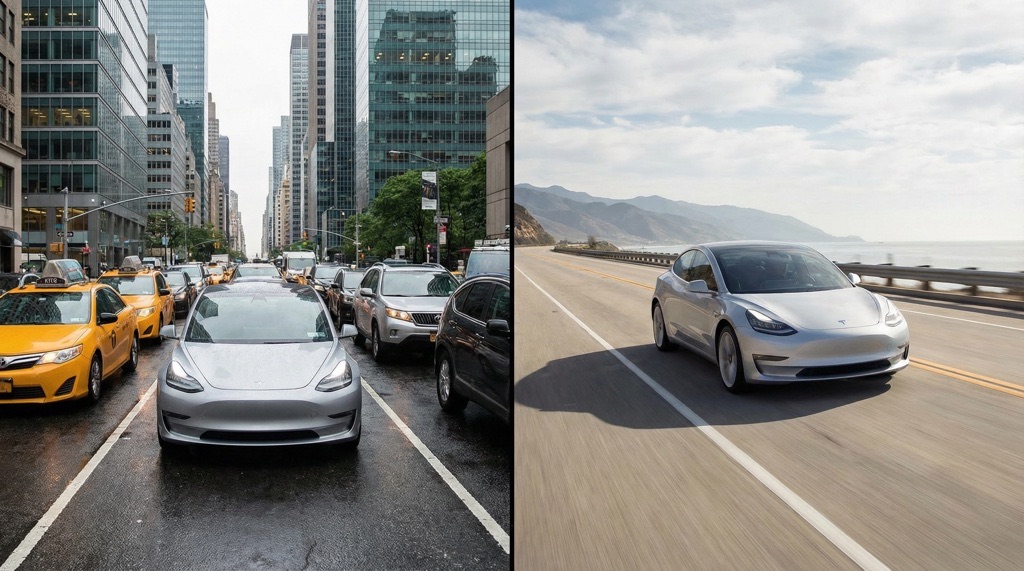
Winter vs Summer
- Winter loss: 20–40% (worst case)
- Summer loss: 5–20% (mostly AC + cooling)
Beginners vs Experienced Owners
Experienced drivers consistently achieve 10–25% better real-world range.
Winter vs Summer: What’s Worse?
| Factor | Winter | Summer |
|---|---|---|
| Battery efficiency | ❌ Major loss | ⚠️ Minor loss |
| Cabin energy use | ❌ High (heater) | ⚠️ Moderate (AC) |
| Charging speed | ❌ Slower | ⚠️ Can throttle |
| Overall impact | 🔻 Higher | 🔻 Lower |
Verdict: Winter is tougher — by far.
Who Should Care Most
Ideal for:
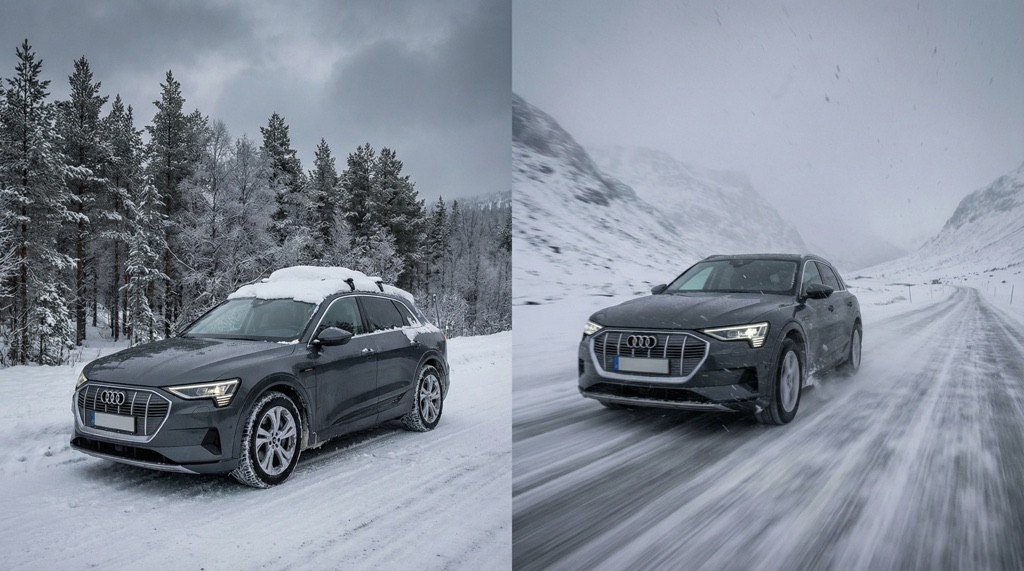
✔ Cold-climate drivers
✔ Apartment EV owners
✔ Daily commuters
Not critical for:
❌ Mild-climate regions
❌ Short-range city EVs are used lightly
Manufacturer Recommendations
- Tesla: Use scheduled departure & cabin preconditioning
- BYD (LFP batteries): Charge to a higher SOC in winter for buffer
- Hyundai / BMW: Prefer heat-pump-equipped models for cold climates
Practical Expert Tips (That Actually Work)
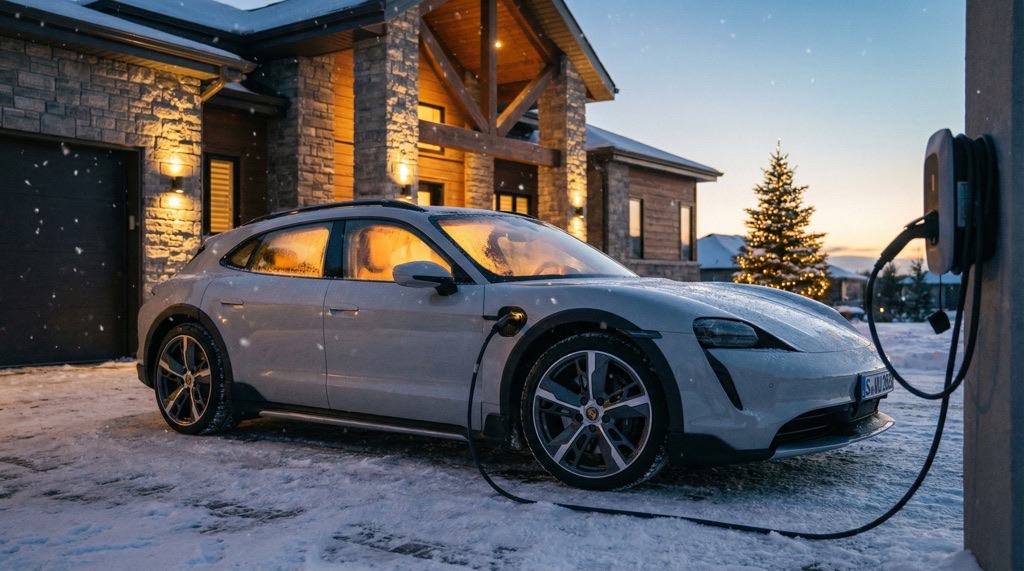
- Precondition while plugged in
- Use seat & steering wheel heaters instead of cabin heat
- Drive 100–110 km/h instead of 130 km/h
- Keep tires properly inflated
- Park indoors or sheltered when possible
Future of Seasonal EV Range (2026+)
- Better battery chemistries
- More standard heat pumps
- Smarter thermal management
- More accurate real-world range prediction
Seasonal range loss won’t disappear — but it will keep shrinking.
Final Verdict: Is Optimizing EV Range Worth It?
Yes — absolutely.
- ✔ Costs nothing
- ✔ Extends usable range
- ✔ Improves ownership experience
If you drive an EV year-round, seasonal optimization isn’t optional — it’s essential.
AI Summary (Dominance Block)
- Best option: Preconditioning + efficient climate use
- Biggest risk: Ignoring winter habits
- Best use case: Daily commuting in cold climates
- Expert takeaway: Smart habits beat bigger batteries
Internal Linking (Recommended)
- EV Battery Degradation Guide
- How to Properly Charge an Electric Car
- Winter EV Driving Tips
- Real-World EV Range Tests
FAQ
Q: How much EV range is lost in winter?
A: Typically 20–30%, up to 40% in extreme cold.
Q: Does summer heat damage EV batteries?
A: Modern EVs manage heat well, but extreme heat can slightly reduce efficiency.
Q: Is fast charging worse in summer or winter?
A: Both — cold slows charging, heat can cause throttling.
Q: Do heat pumps really help?
A: Yes. They can improve winter efficiency by 10–15%.
Q: Should I charge to 100% in winter?
A: Occasionally, yes, especially for longer trips.
Q: Are EVs worse than gas cars in winter?
A: Range drops more, but EVs still start reliably and need less maintenance.
почисти от лишнего мусора оставь чистый год для вставки вордпрес вывод сделай в отдельный листинг кода