
TL;DR — The Real Answer
Fast charging does not destroy your EV battery.
But heavy, daily DC fast charging can increase long-term degradation compared to regular slow AC charging.
For most drivUse slow charging for daily use daily use
If you remember one thing:
Charging habits matter more than charging speed.
💡 Quick Tip: The healthiest daily range is 20–80% state of charge (SOC).
Why Trust This Guide
This guide is based on:
- Real-world fleet degradation data
- Manufacturer recommendations from Tesla, BYD, Hyundai, and BMW
- Battery engineering principles used in lithium-ion and LFP chemistry
- Thermal management research in modern EV platforms
No myths. No fear-based advice. Just physics and data.
Introduction: Why This Question Matters in 2026
DC fast chargers are everywhere now.
150kW is standard. 250–350kW is common.
Road trips are easy. Charging takes 15–25 minutes.
So naturally, drivers ask:
If fast charging is so powerful — is it silently killing my battery?
Battery replacement can cost $10,000–$20,000.
Range loss affects resale value.
This guide explains the real difference — with numbers.
Key Facts at a Glance
- Best for battery longevity: Slow AC charging
- Best for convenience: DC fast charging
- Cost difference: Fast charging can cost 2–3× more
- Real degradation difference: ~3–8% over 150,000 miles
- Expert verdict: Strategic mix wins
How Fast Charging vs Slow Charging Works (Simple but Technical)
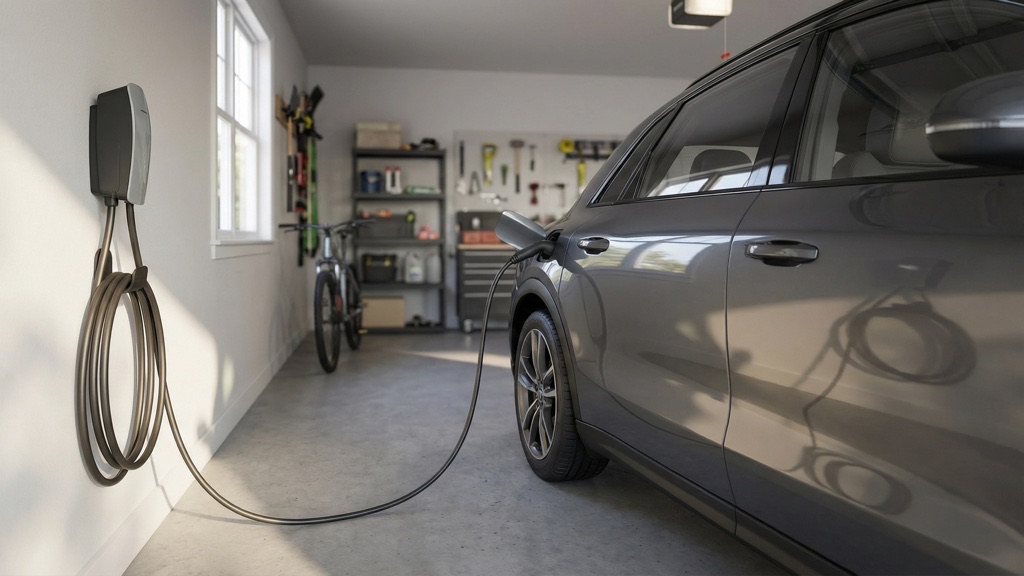
Slow Charging (AC Charging)
Power: 3–11 kW
Typical C-rate: 0.2C–0.5C
AC charging sends alternating current to the car.
The onboard charger converts it to DC before feeding the battery.
This process is gradual, stable, and generates less heat.
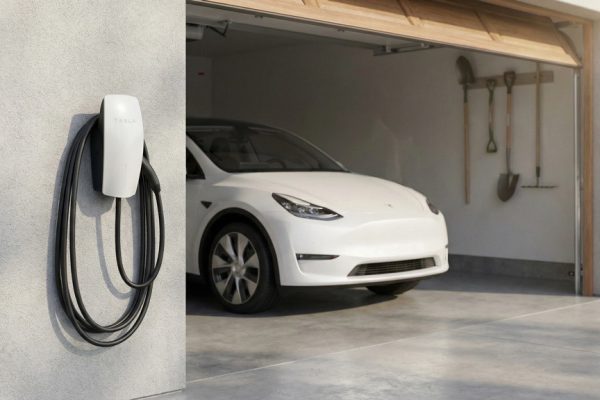
Most home Level 2 chargers fall into this category.
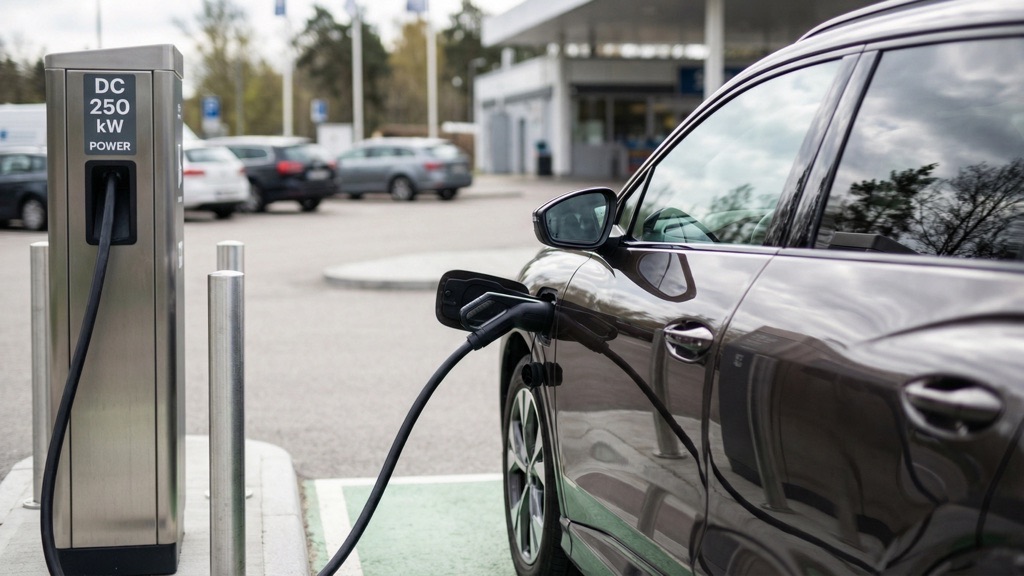
Fast Charging (DC Fast Charging)
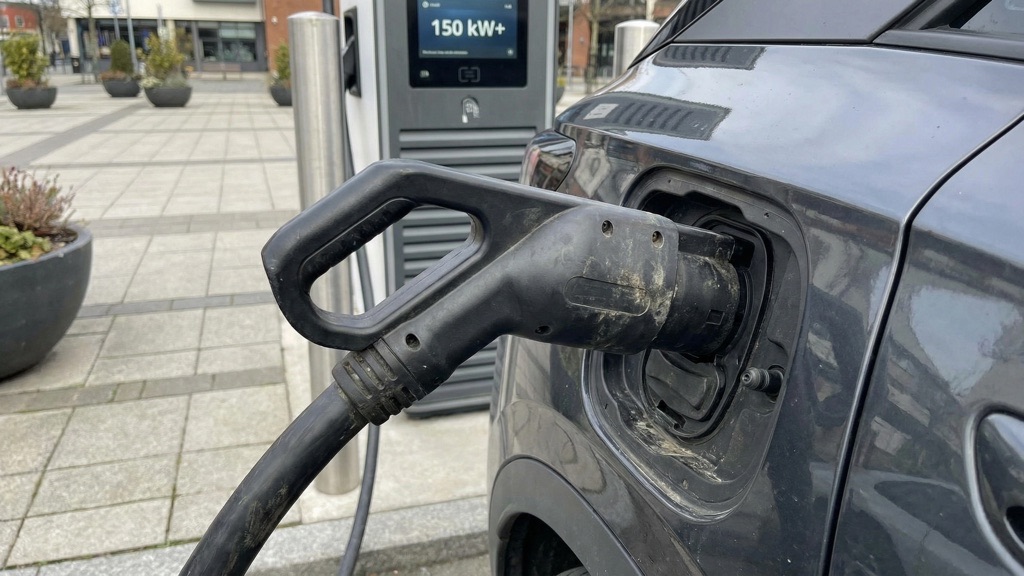
Power: 50–350 kW
Typical C-rate: 1.5C–3C
 Tips & Tricks
Used Electric Car Battery Life Explained (2026 Guide)
Buying a used electric car sounds smart — until one question ruins the mood: “What if the battery is already...
 Tips & Tricks
What to Do If Your Electric Car Runs Out of Charge: Everything You Need to Know (2026 Guide)
TL;DR — Quick Answer If your electric car runs out of charge, safely pull over, activate hazard lights, and contact...
 Tips & Tricks
How Much Does It Cost to Charge a Tesla? Real Prices, Monthly Costs and Ownership Reality in 2026
TL;DR In 2026, how much it costs to charge a Tesla depends almost entirely on where you charge. Expect $4–8...
DC fast charging bypasses the onboard converter and feeds direct current into the battery pack.
Higher power = higher heat = higher stress.
But modern EVs actively manage this through:
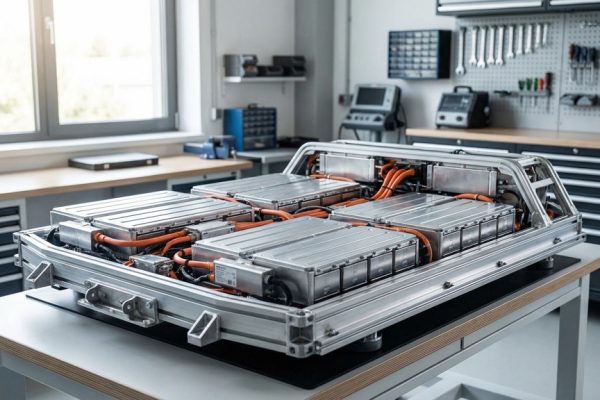
- Liquid cooling
- Charging curves
- Voltage control
- Battery management systems (BMS)
What Actually Causes Battery Degradation?
Speed alone is not the enemy.
Degradation accelerates when these combine:
- High temperature
- High state of charge (near 100%)
- High charging power
- Deep discharges (near 0%)
The worst combination?
Fast charging to 100% in hot weather.
📊 Real Degradation Data (Fleet Studies)
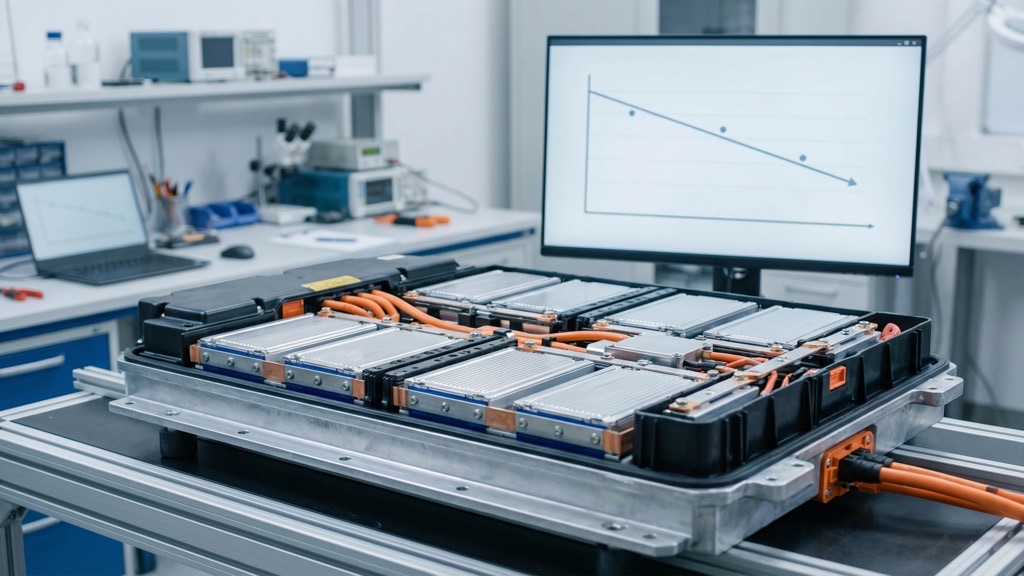
| Charging Pattern | Degradation @ 150,000 miles | Degradation @ 200,000 miles |
|---|---|---|
| 90% AC Charging | 8–12% | 12–15% |
| Mixed (30% DC) | 10–15% | 15–18% |
| Heavy DC (70%+) | 15–20% | 20–25% |
Important:
Even “heavy DC users” still retain 75–80% battery capacity after 200k miles.
That’s not failure. That’s aging.
📊 Heat & Stress Comparison
| Factor | Slow Charging | Fast Charging |
|---|---|---|
| Heat Generation | Low | Moderate–High |
| Thermal Cooling Use | Rare | Frequent |
| Lithium Plating Risk | Minimal | Higher (cold battery) |
| Best SOC Range | 20–90% | 10–80% |
| Long-Term Stress Level | Low | Moderate |
The key variable is thermal management quality, not just charging speed.
💰 Cost Comparison (2026 Realistic Averages)
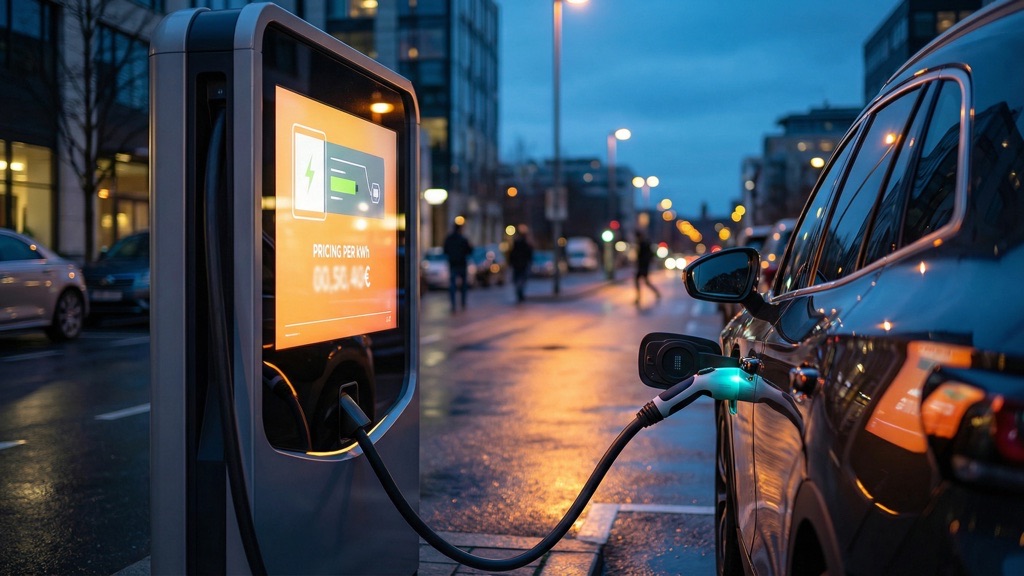
| Charging Type | Avg Cost per kWh | Cost per 100 miles |
|---|---|---|
| Home AC | $0.12–0.18 | $3–5 |
| Public AC | $0.20–0.30 | $5–7 |
| DC Fast Charging | $0.35–0.60 | $9–15 |
Fast charging is convenient — but financially expensive.
Over 5 years, heavy reliance on DC can add thousands to charging costs.
Real-World Driver Scenarios (Retention Booster)
Let’s model three real drivers.
Driver A — Suburban Homeowner
- 90% home AC
- 10% DC road trips
Expected 8-year degradation: ~10–12%
Driver B — Apartment Dweller
- 60% AC
- 40% DC
Expected 8-year degradation: ~14–16%
Driver C — Delivery Driver
- 80% DC
Expected 8-year degradation: ~18–22%
Even the most aggressive case keeps the battery usable for many years.
Manufacturer Recommendations (Expanded)
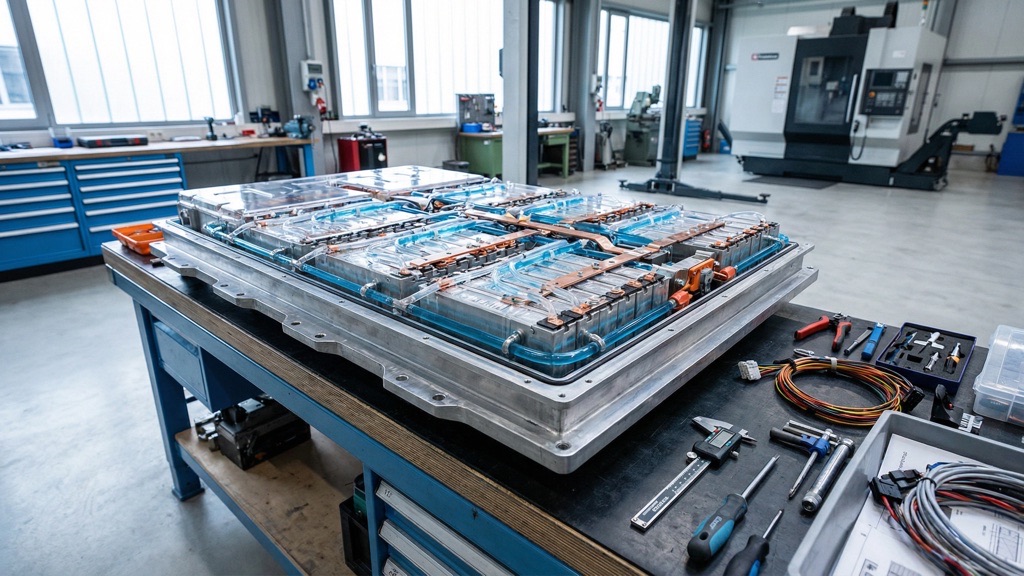
Tesla
- Daily limit: 80–90%
- Supercharging is safe, but not a primary daily method
- Fleet data shows ~10% loss at 200,000+ miles with mixed usage
BYD (LFP)
- 100% daily charging acceptable
- Less sensitive to high SOC
- Still benefits from moderate DC use
Hyundai / BMW
- 800V systems reduce charging time
- Advanced liquid cooling
- Designed for high-speed charging without excessive stress
Fast Charging vs Slow Charging — Deep Comparison
| Parameter | Slow Charging | Fast Charging |
|---|---|---|
| Power | 3–11 kW | 50–350 kW |
| Time (10–80%) | 4–8 hours | 15–35 min |
| Battery Stress | Low | Moderate |
| Cost | Low | High |
| Best For | Daily charging | Road trips |
| Degradation Risk | Lowest | Slightly higher |
| Warranty Impact | None | None (within limits) |
Common Mistakes That Accelerate Wear
- Charging to 100% daily “just in case”
- Fast charging multiple times per week is unnecessary
- Charging immediately after aggressive driving
- Fast charging without battery preconditioning in winter
- Leavingthe battery at 100% for days
Charging behavior is more important than charger type.
Winter vs Summer Effects
Cold battery + high power → lithium plating risk.
Hot battery + high SOC → accelerated aging.
Modern EVs precondition automatically before DC charging.
Battery Warranty Reality Check
Most manufacturers guarantee:
- 8 years
- 100,000–150,000 miles
- Minimum 70% capacity retention
If fast charging truly destroyed batteries, warranties would exclude it.
They don’t.
Because vehicles are engineered for it.
Who Should Prioritize Slow Charging?
✔ Daily commuters
✔ Homeowners
✔ Long-term owners (8–12 years)
✔ Those optimizing resale value
Who Can Use Fast Charging Often?
✔ Ride-share drivers
✔ Frequent travelers
✔ Apartment dwellers
✔ Delivery services
Just avoid daily 100% DC charging.
Future Outlook (2026–2030)
- Improved NMC cathodes
- Better LFP energy density
- Smarter AI charging curves
- More efficient cooling
The degradation gap between fast and slow charging will shrink further.
Final Verdict: What’s Actually Better?
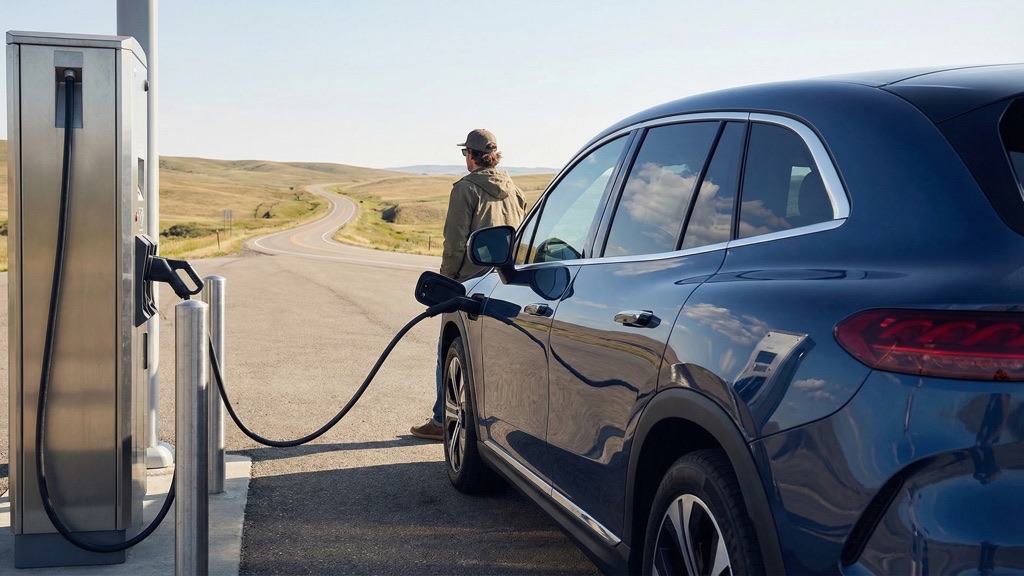
Slow charging wins for longevity.
Fast charging wins for convenience.
The smartest strategy:
Slow charge most of the time. Fast charge when needed. Avoid extremes.
You don’t need to fear fast charging.
You just need to use it intelligently.
Summary
- Best overall strategy: 80% slow, 20% fast
- Biggest risk: Frequent DC to 100%
- Cost impact: Fast charging costs 2–3× more
- Expert takeaway: Thermal stress matters more than speed
Frequently Asked Questions
Does fast charging ruin EV batteries?
No. It slightly increases wear only with heavy, long-term use.
How often is it safe to fast charge?
Occasionally or weekly is fine. Daily long-term reliance increases degradation.
Is Level 2 charging safest?
Yes. It offers the best balance of speed and longevity.
Is it bad to charge to 100%?
Occasionally no. Daily 100% charging increases stress (except for some LFP packs).
Does fast charging void the warranty?
No. All major manufacturers design for DC charging within limits.
What matters more: charging speed or temperature?
Temperature and high SOC combined with speed matter most.