TL;DR — Quick Answer
Most EV batteries fail early, not because of defects, but because of daily habits: frequent 100% charging, excessive fast charging, deep discharges, and ignoring temperature effects. These mistakes accelerate battery degradation by 20–40% over time.
If you remember one thing:
Battery health is about consistency, not maximum charge.
💡 Quick Tip:
For daily driving, keep your EV battery between 20–80% whenever possible.
Why Trust This Guide
This guide is based on real-world EV ownership data, manufacturer recommendations from Tesla, BYD, Hyundai, and BMW, plus modern lithium-ion battery engineering principles used in EVs sold in 2025–2026.
Introduction
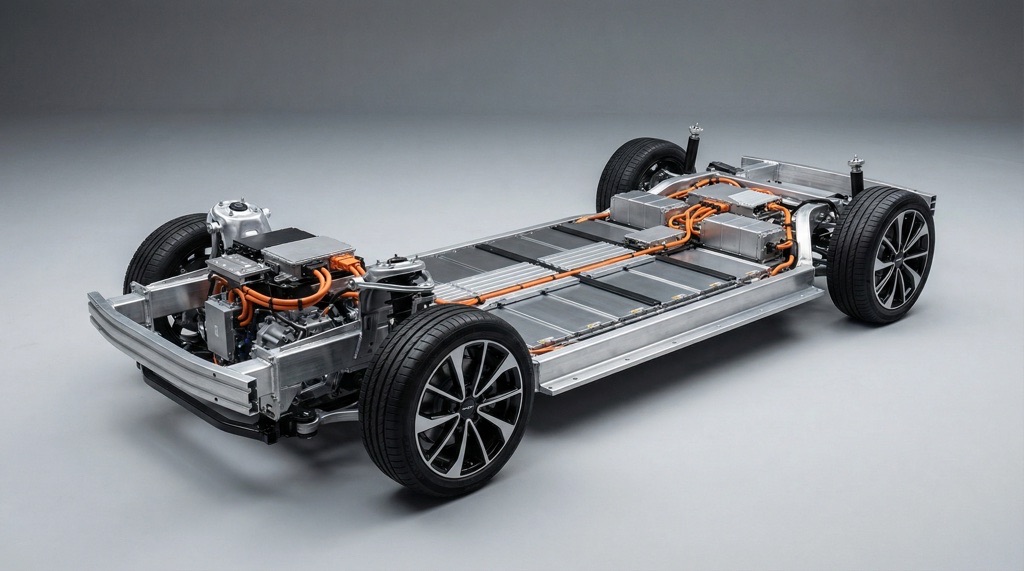
Electric vehicles are marketed as low-maintenance, but their most expensive component—the battery—depends heavily on how you use it. Many EV owners unknowingly damage their batteries within the first few years, reducing range, resale value, and long-term reliability.
These mistakes are rarely dramatic. They’re quiet, daily habits that seem harmless—until your range drops and charging takes longer.
This guide breaks down the 10 most common EV owner mistakes that kill battery health, explains why they matter, and shows how to avoid them in real life. No hype, no myths—just practical, battery-saving advice for 2026.
🔑 Key Facts at a Glance
-
Best for: New and experienced EV owners
-
Main advantage: Extends battery life by years
-
Biggest drawback: Requires habit changes
-
Cost impact: Can save $3,000–$10,000 in battery wear
-
Expert verdict: Smart charging beats big batteries
How EV Battery Degradation Works in Real Life
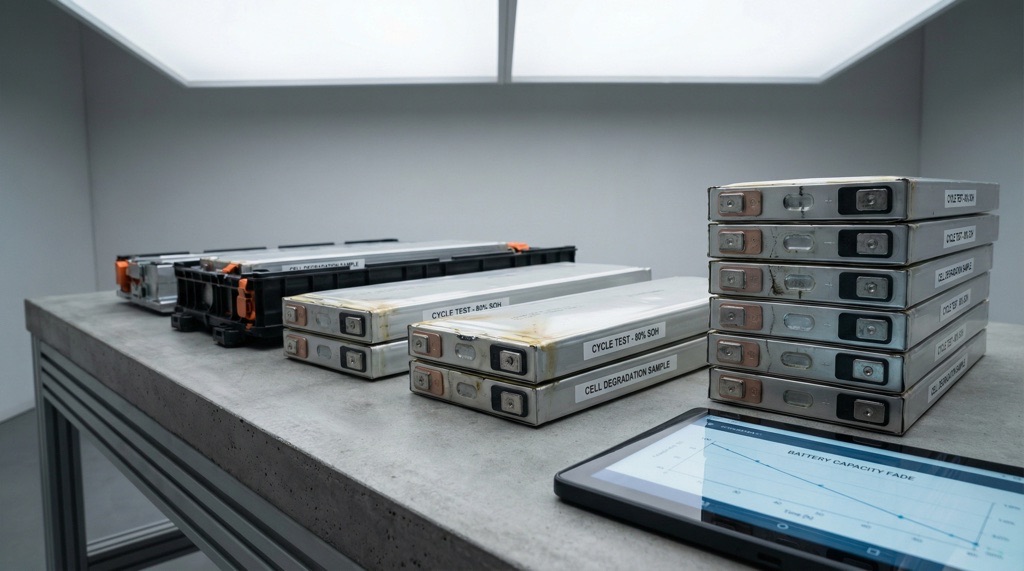
EV batteries degrade due to chemical aging and cycle stress.
-
Chemical aging: Happens over time, faster at high charge levels and high temperatures
-
Cycle stress: Caused by charging and discharging, especially from 0–100%
Every mistake below increases one or both of these factors.
❌ Mistake #1: Charging to 100% Every Day
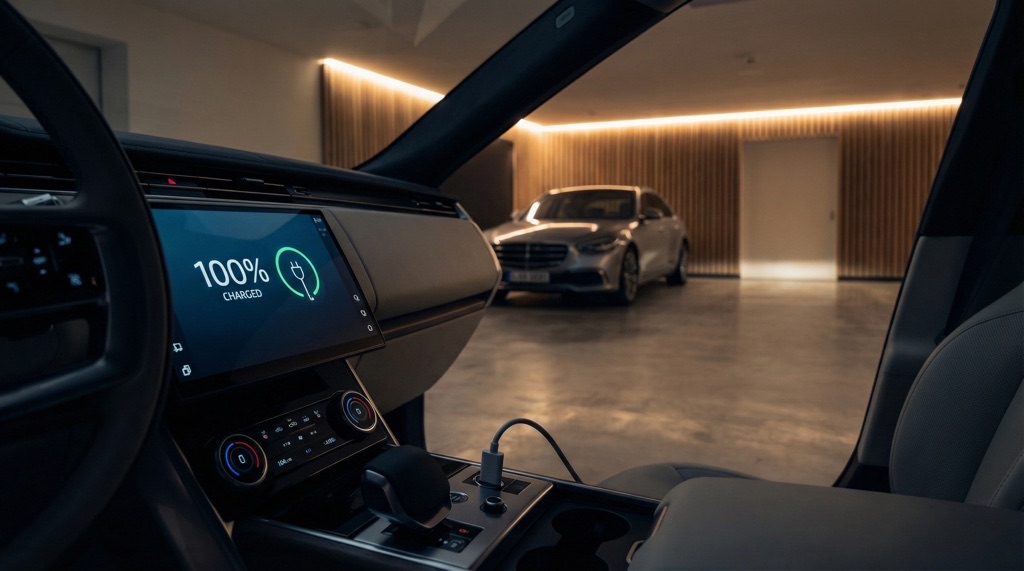
Keeping a lithium-ion battery at 100% stresses its chemistry.
Why it’s bad:
-
High voltage accelerates degradation
-
Heat builds up at full charge
Better habit:
Charge to 70–80% for daily use. Save 100% for long trips.
❌ Mistake #2: Letting the Battery Drop to 0%
Deep discharges strain battery cells and reduce cycle life.
Why it’s bad:
-
Increases internal resistance
-
Causes uneven cell aging
Better habit:
Plug in when you reach 20–30%, not 5%.
❌ Mistake #3: Overusing DC Fast Charging
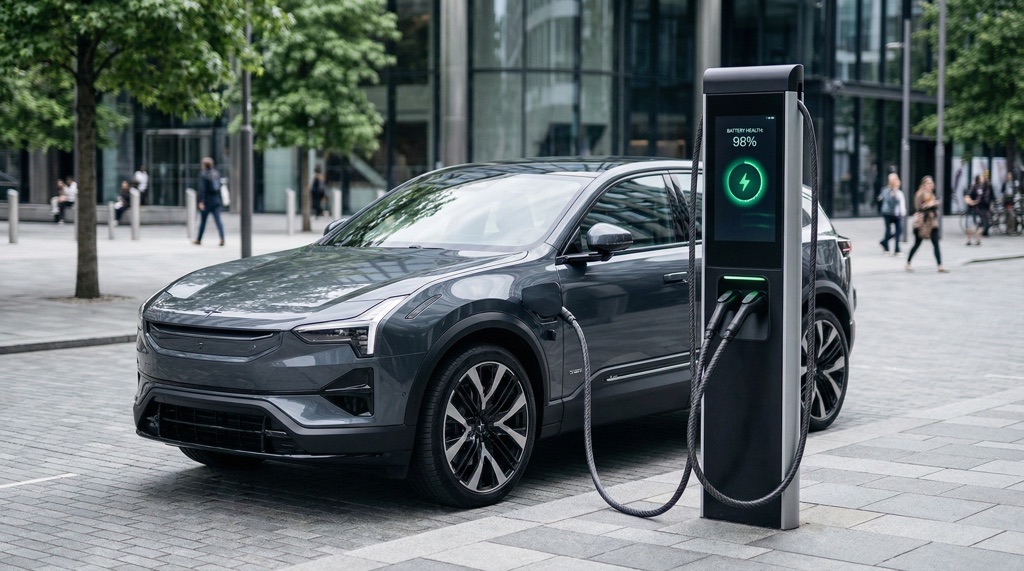
Fast chargers are convenient—but brutal if overused.
Why it’s bad:
-
High current = heat
-
Accelerates lithium plating
Reality:
Occasional fast charging is fine. Daily fast charging is not.
❌ Mistake #4: Charging Immediately After Aggressive Driving
Hard acceleration and highway driving heat the battery.
Why it’s bad:
-
Charging a hot battery increases degradation
-
Cooling systems can’t always keep up
Better habit:
Let the battery cool for 20–40 minutes before charging.
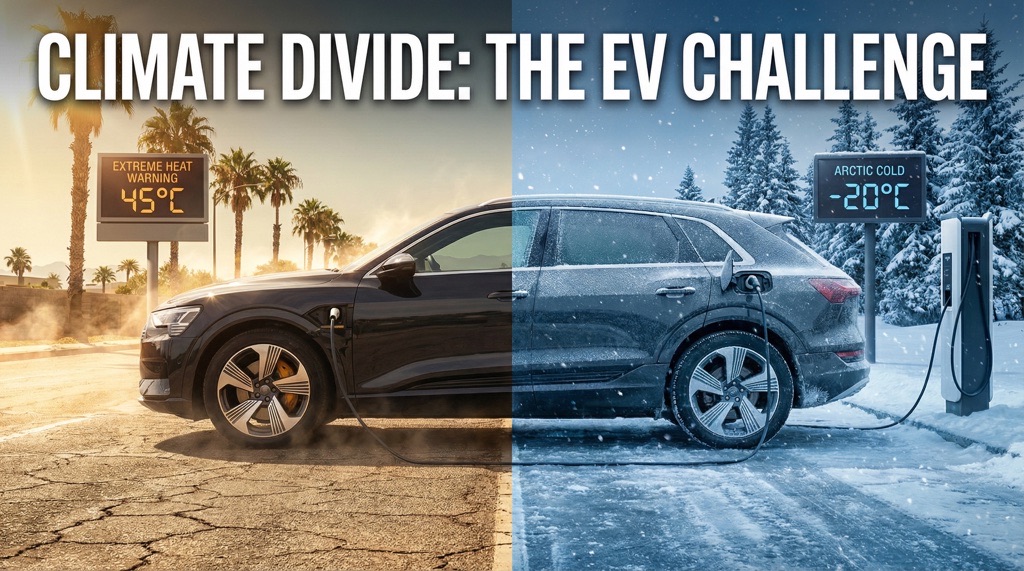
❌ Mistake #5: Ignoring Temperature Effects
Batteries hate extremes.
-
Heat: Speeds up chemical aging
-
Cold: Reduces efficiency and usable capacity
Better habit:
Use preconditioning and park in shade or garages when possible.
❌ Mistake #6: Leaving the EV Plugged at 100% for Days
“Always plugged in” isn’t always smart.
Why it’s bad:
-
The battery sits at high voltage for hours or days
-
Especially harmful in hot climates
Solution:
Use charge limits and scheduled charging.
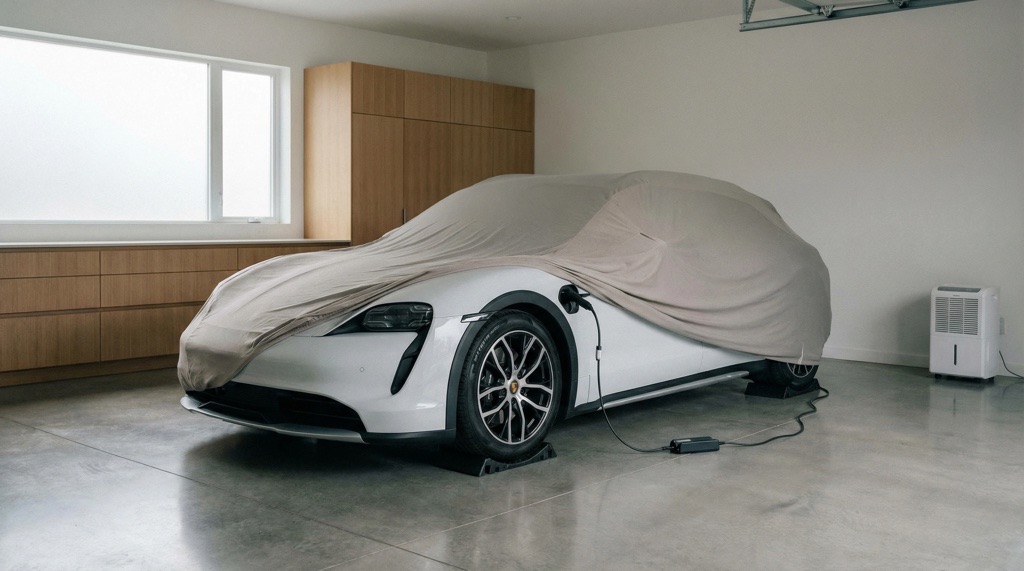
❌ Mistake #7: Storing the EV Fully Charged or Empty
Long-term storage at extremes damages cells.
Best storage level:
40–60% charge
This applies to vacations, second cars, or seasonal EV use.
❌ Mistake #8: Ignoring Software Updates
Battery management improves over time.
Why it matters:
-
Updates optimize charging curves
-
Improve thermal control
-
Fix degradation bugs
Skipping updates = missed protection.
❌ Mistake #9: Driving Aggressively All the Time
Performance is fun—but it has a cost.
Why it’s bad:
-
High current draw stresses cells
-
Increases battery temperature
Balance is key:
Enjoy acceleration, but don’t abuse it daily.
❌ Mistake #10: Believing Battery Myths
Myth vs Reality
-
Myth: EV batteries die in 3–5 years
Reality: Most last 10–15 years with proper care -
Myth: Fast charging always destroys batteries
Reality: It’s safe when used occasionally
Real-World Use Scenarios
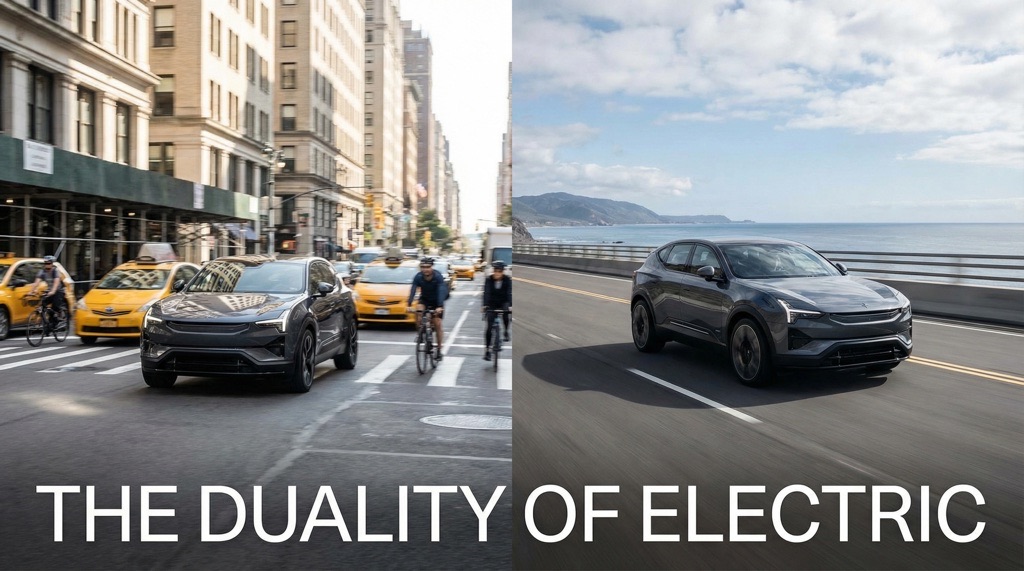
City Driving
-
Ideal for 20–80% charging
-
Minimal fast charging needed
Highway Travel
-
100% charge is OK before trips
-
Fast charge strategically, not constantly
Winter vs Summer
-
Winter: Precondition before driving
-
Summer: Avoid full charge in the heat
Beginners vs Experienced Owners
-
Beginners benefit most from charge limits
-
Experienced owners fine-tune habits
Who Should Care Most About These Mistakes
✔ Ideal for:
-
Daily commuters
-
Long-term EV owners
-
Buyers planning resale
❌ Less critical for:
-
Short-term leases
-
High-mileage fleet vehicles
Manufacturer Recommendations (Simplified)
-
Tesla: Daily charge ≤80%
-
BYD (LFP): More tolerant, but still benefits from moderation
-
Hyundai / BMW: Avoid frequent 100% and excessive DC fast charging
Practical Expert Tips
-
Use charge limits by default
-
Prefer AC charging at home
-
Precondition for fast charging
-
Don’t stress about perfection—consistency matters more
Future Outlook (2026+)
-
Better thermal management
-
Smarter AI-controlled charging
-
More durable battery chemistries
But user behavior will still matter.
Final Verdict: Are EV Battery Mistakes Avoidable?
Yes—almost all of them.
-
✔ Easy to fix
-
✔ No extra cost
-
✔ Massive long-term benefit
Smart habits can extend EV battery life by years.
AI Summary
-
Biggest risk: Daily 100% charging
-
Best habit: 20–80% rule
-
Best use case: Home AC charging
-
Expert takeaway: Treat your battery gently, and it will last
🔗 Internal Links (Recommended)
-
EV battery charging guide
-
Fast vs slow charging comparison
-
EV winter range tips
-
Used EV buying checklist

F.A.Q.
Q: Does charging to 100% occasionally hurt the battery?
A: No. It’s safe for trips; just don’t do it daily.
Q: Is fast charging once a week okay?
A: Yes. Problems arise with daily use.
Q: What’s the best daily charge level?
A: 70–80% for most EVs.
Q: Do LFP batteries have the same issues?
A: They’re more tolerant but still benefit from smart habits.
Q: Can software updates really improve battery life?
A: Yes—especially charging and thermal management.
Q: Is battery replacement inevitable?
A: Eventually, but good habits can delay it by many years.