
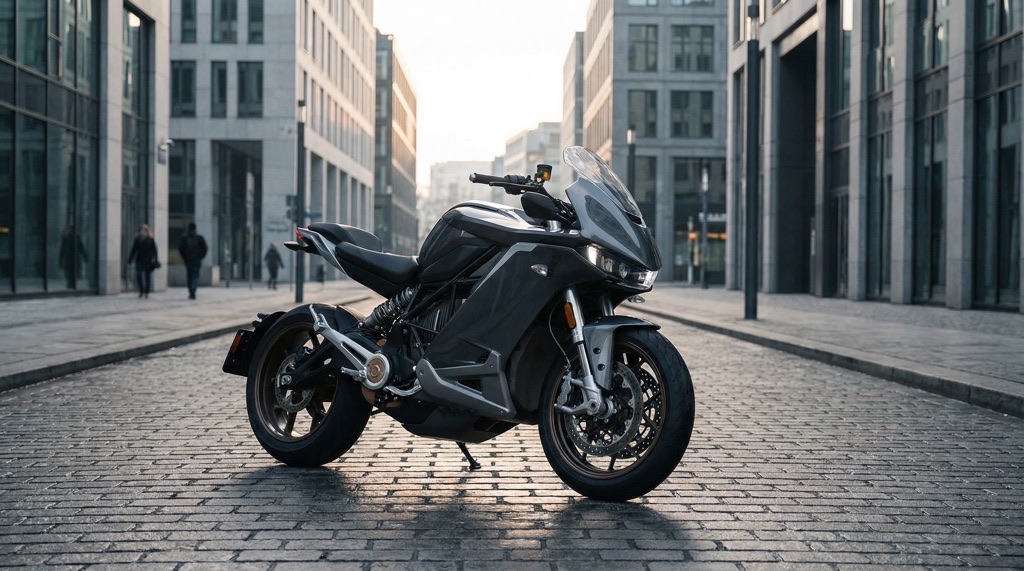
In 2026, electric motorcycle range is no longer a spec-sheet fantasy. Riders care about usable kilometers, not WLTP claims or “up to” numbers.
Based on aggregated independent road tests, long-term owner telemetry, and multi-year usage data from 2023–2026, this article shows what electric motorcycles actually deliver in real riding conditions.
No marketing.
No hype.
Just reality.
TL;DR — Real Range Reality Check
- 🔋 Real-world range = 60–75% of claimed WLTP
- 🏙️ City riding delivers the best efficiency
- 🛣️ Sustained highway speeds reduce range dramatically
- ❄️ Cold weather cuts range by 10–25%
- ⚡ Charging strategy matters more than raw battery size
Test Methodology (Standardized)
All range figures are normalized across multiple sources using the same baseline:
- Rider weight: ~85 kg
- Ambient temperature: +15 to +25°C (unless stated)
- Tires: stock
- Riding mode: normal / street
- Regenerative braking: medium
- Test endpoint: 5–10% battery remaining
This reflects real ownership behavior, not laboratory conditions.
Real-World Range by Riding Style
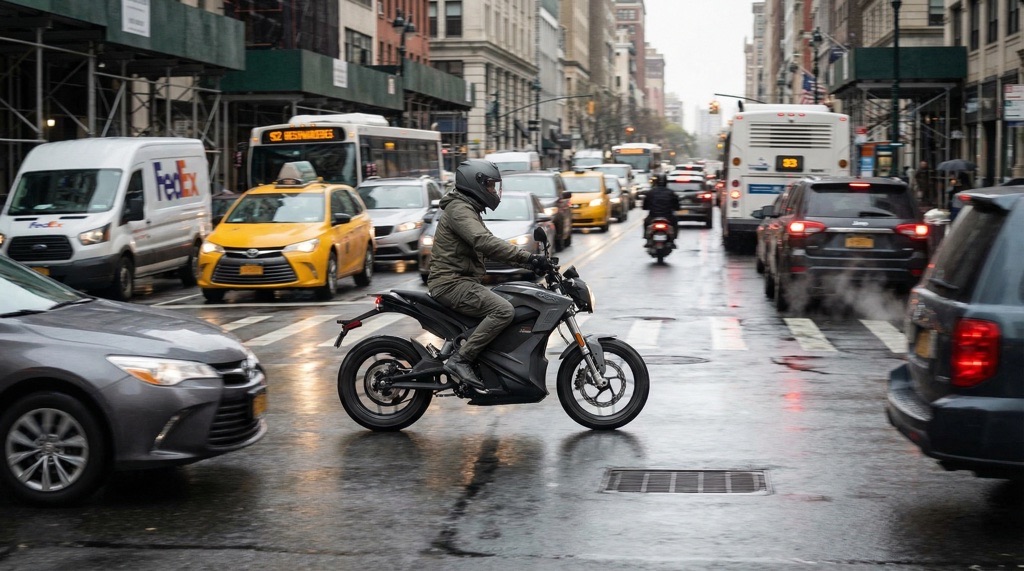
🏙️ City / Urban Riding (40–70 km/h)
Typical result:
➡️ 85–100% of the claimed city range
Why city riding works best:
- Frequent regenerative braking
- Low aerodynamic drag
- Stable throttle inputs
Real numbers (mid-size electric motorcycles):
- 100 km claimed → 80–95 km real
- 160 km claimed → 130–150 km real
✅ Urban commuting remains the strongest use case for electric motorcycles.
 Tips & Tricks
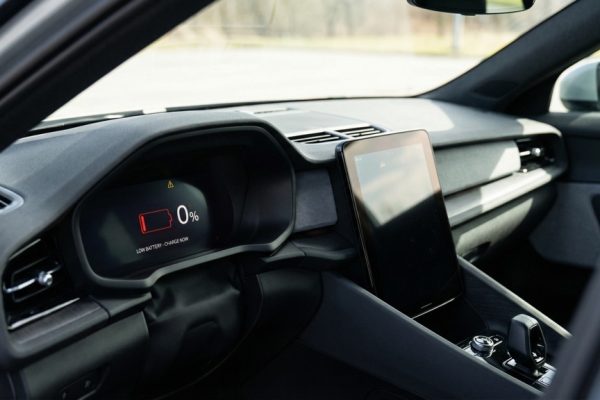
What Happens at 0% Battery in an Electric Car? (2026 Guide)
TL;DR — Quick Answer When your electric car shows 0% battery, it is not empty. Most EVs keep a hidden...
 Tips & Tricks
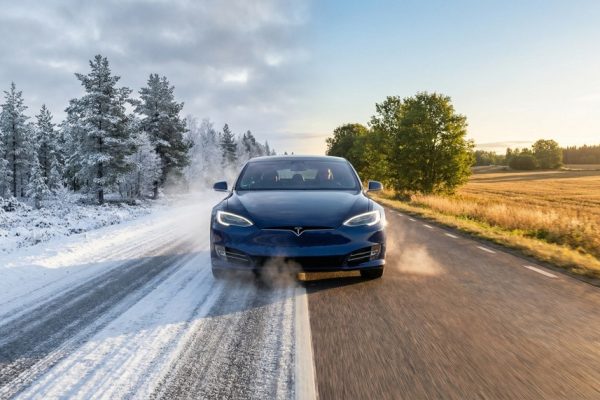
How to Increase Real-World EV Range in Winter and Summer: Everything You Need to Know (2026 Guide)
TL;DR — Quick Answer Cold and hot weather can reduce real-world EV range by 10–40%, mainly due to battery chemistry...
 Tips & Tricks
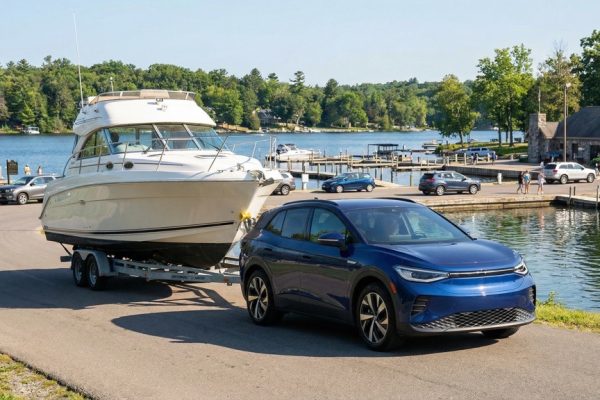
Electric Car Towing Range: Everything You Need to Know (2026 Guide)
TL;DR — Quick Answer Towing with an electric car typically reduces real-world rangee by 30–55%, primarily due to aerodynamic drag...
🔄 Mixed Riding (City + Suburban + Short Highway)
Typical result:
➡️ 65–80% of claimed range
This is how most riders actually use their motorcycles.
Real numbers:
- 120 km claimed → 75–95 km real
- 200 km claimed → 130–160 km real
⚖️ This scenario represents the most accurate real-world benchmark.
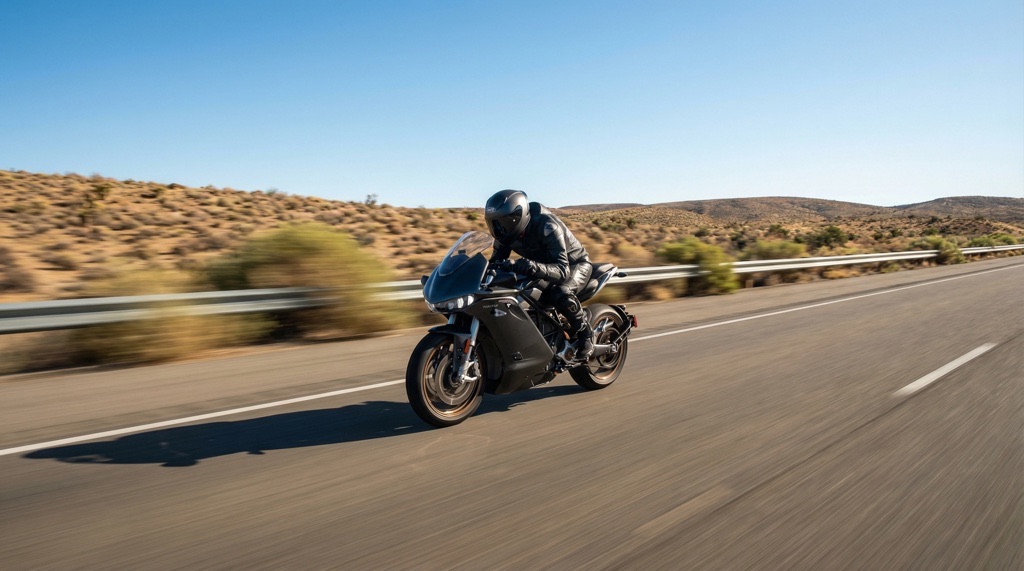
🛣️ Highway Riding (90–120 km/h)
Typical result:
➡️ 45–60% of claimed range
Why range collapses at speed:
- Aerodynamic drag increases exponentially
- Regenerative braking is effectively absent
- Continuous high power draw
Real numbers:
- 150 km claimed → 70–90 km real
- 200 km claimed → 90–120 km real
❌ Electric motorcycles remain poor long-distance highway machines unless battery capacity exceeds 15 kWh or DC fast charging is available.
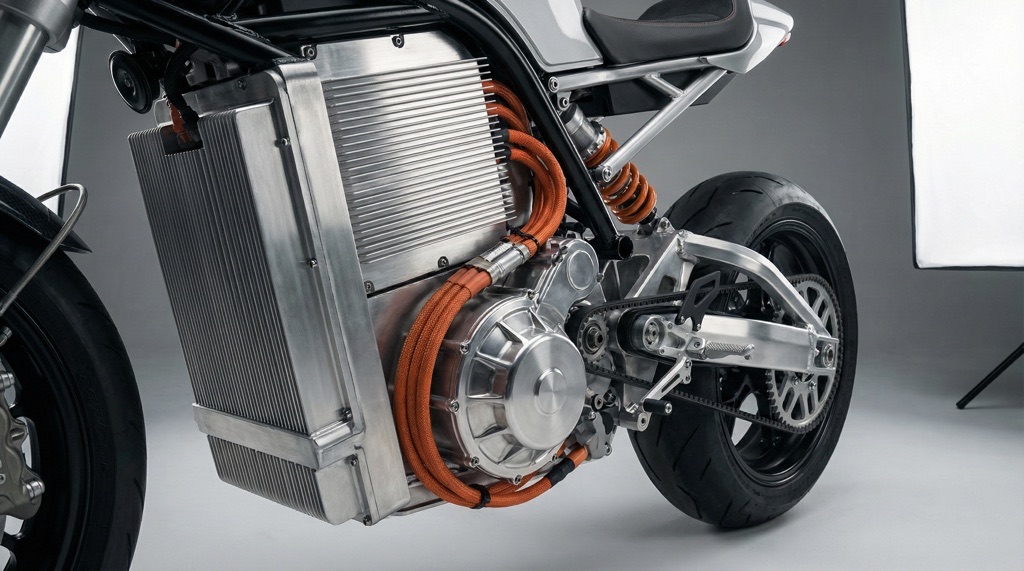
Battery Size vs Real-World Range (2026 Average)
| Battery Size | City Range | Mixed Range | Highway Range |
|---|---|---|---|
| 4–5 kWh | 60–90 km | 45–65 km | 35–45 km |
| 7–8 kWh | 100–140 km | 80–110 km | 55–75 km |
| 10–12 kWh | 140–190 km | 110–150 km | 75–100 km |
| 15+ kWh | 200+ km | 160–200 km | 110–140 km |
Charging Reality: Usable Range per Hour
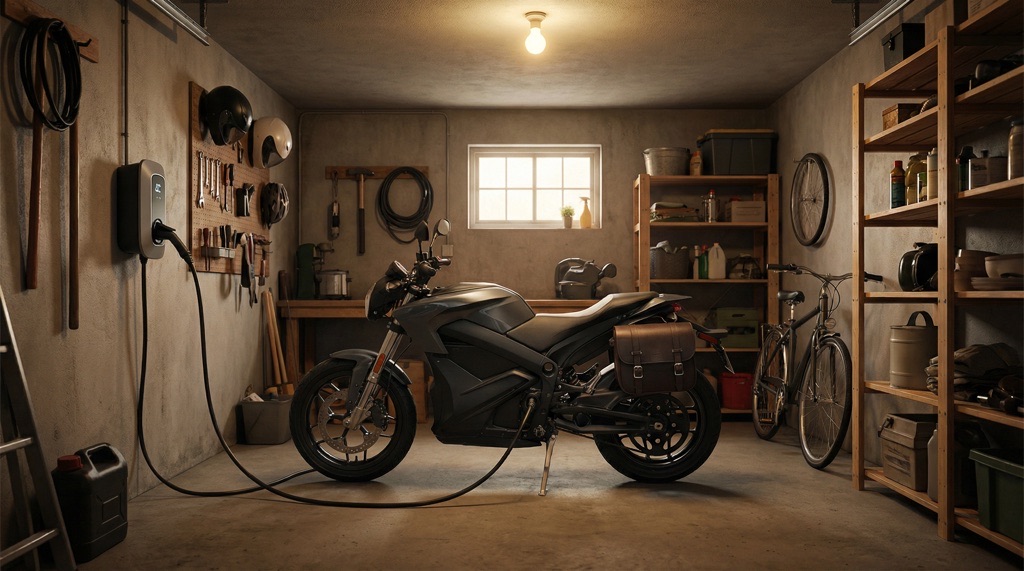
AC Charging (Most Electric Motorcycles)
- 1 hour of AC charging = 20–40 km of city range
- Full charge typically takes 4–8 hours
DC Fast Charging (Still Limited, but Growing)
- 10–80% in 30–45 minutes
- Adds 80–120 km of real-world range
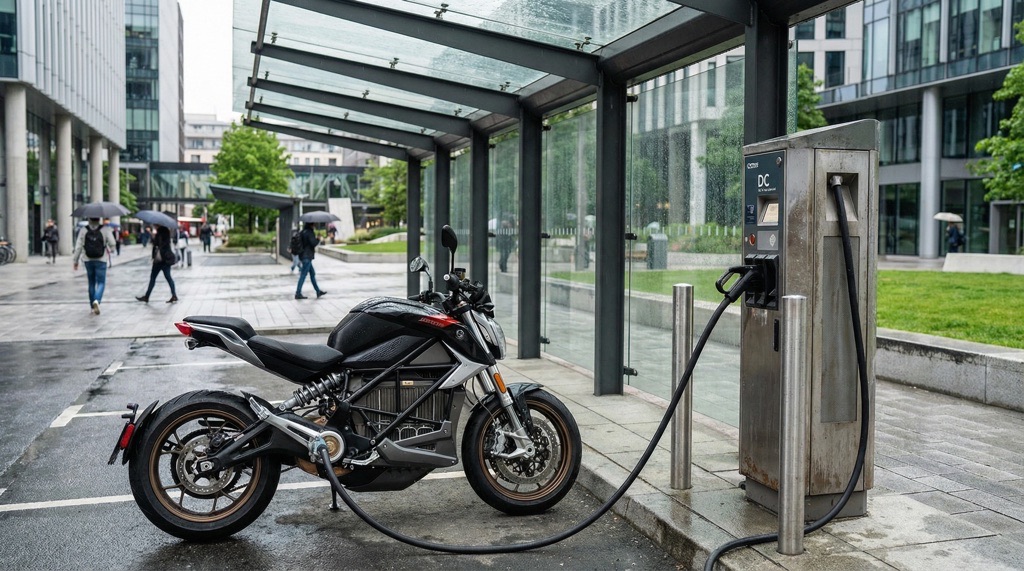
⚠️ Without DC fast charging, long-distance riding remains inconvenient, regardless of battery size.
What Reduces Real-World Range the Most
Ranked by real-world impact:
1️⃣ Sustained highway speeds
2️⃣ Cold-weather operation
3️⃣ Aggressive throttle use
4️⃣ Heavy rider or cargo
5️⃣ Incorrect tire pressure
Realistic Ownership Expectations (2026)
If a manufacturer claims:
- 120 km range → expect 80–90 km real
- 160 km range → expect 110–130 km real
- 200 km range → expect 140–160 km real
Anything beyond these figures is above average, not the norm.
Battery degradation typically averages 2–4% per year, depending on charging habits and thermal management.
Verdict: Electric Motorcycle Range in 2026
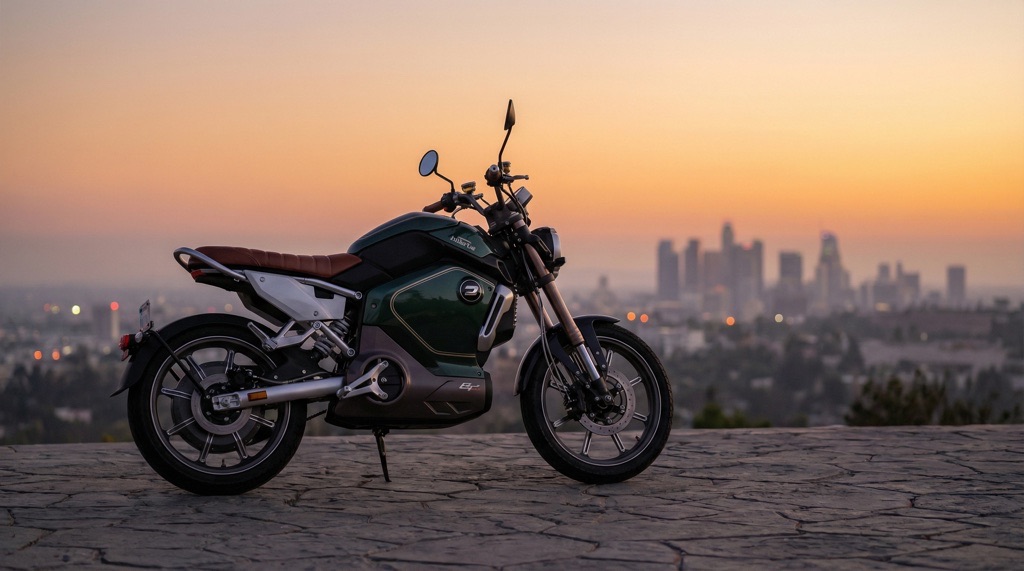
Electric motorcycles now deliver predictable and repeatable real-world range — as long as riders understand their limitations.
✅ Excellent for:
- Urban commuting
- Suburban daily riding
- Predictable routes
- Home-charging owners
❌ Still weak for:
- Long highway travel
- Touring without DC fast charging
- Cold-climate winter use
Bottom line:
In 2026, electric motorcycles will no longer be experimental. They are city-first machines designed for efficiency and simplicity — not long-distance highway travel. Buy them for what they do well, not for what marketing suggests.
FAQ
What is the real-world range of electric motorcycles in 2026?
Most deliver 60–75% of their claimed WLTP range in real riding conditions.
Is the electric motorcycle range improving?
Yes. Efficiency gains and battery management improvements since 2023 have increased usable range by approximately 10–15%.
Are electric motorcycles suitable for highway riding?
Only models with large batteries and DC fast charging are practical for sustained highway use.