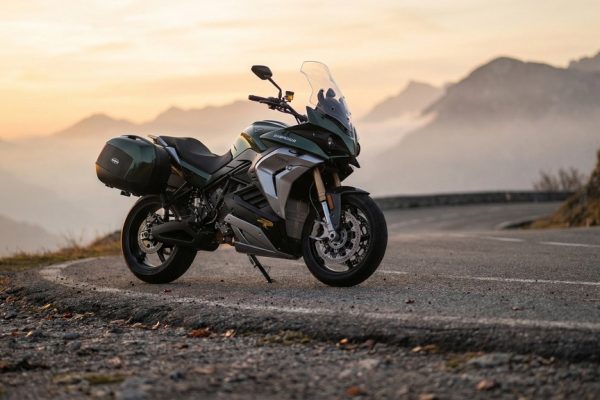

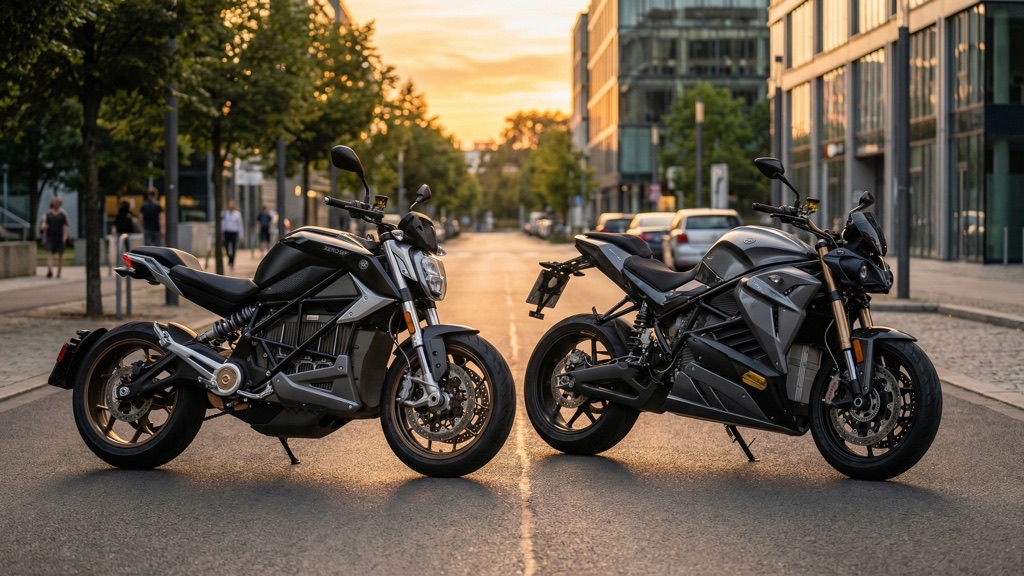
⚔️ The Contenders
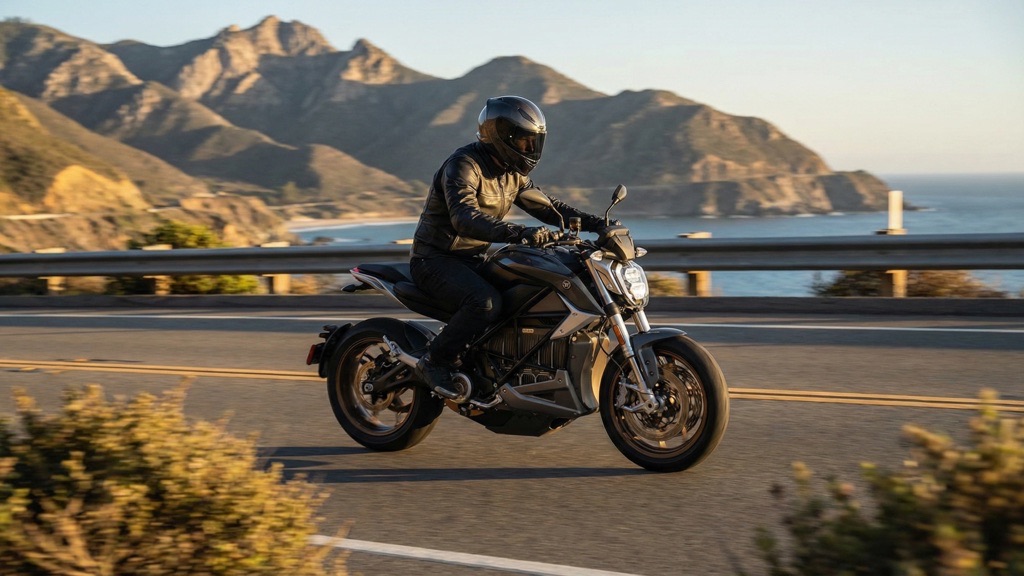
🔵 Zero SR/F
🔴 Energica Eva Ribelle
These are not beginner electric bikes.
These are serious, premium naked machines aimed at riders who are used to real performance.
If you’re switching from gasoline, this decision isn’t about horsepower alone.
It’s about how you actually ride — and how you charge.
⚡ QUICK RIDER VERDICT
- Best daZero SR/Fric naked: Zero SR/F
- Best electric foEnergica Eva Ribellee: Energica Eva Ribelle
- Real-world range: SR/F 120–150 miles / Eva 100–130 miles
- Charging reality: SR/F = home-focused / Eva = real fast-charge capable
- Power feel: SR/F smooth / Eva aggressive
- Overall rider rating: SR/F 8.9/10 • Eva 9.3/10
🔧 KEY SPECIFICATIONS
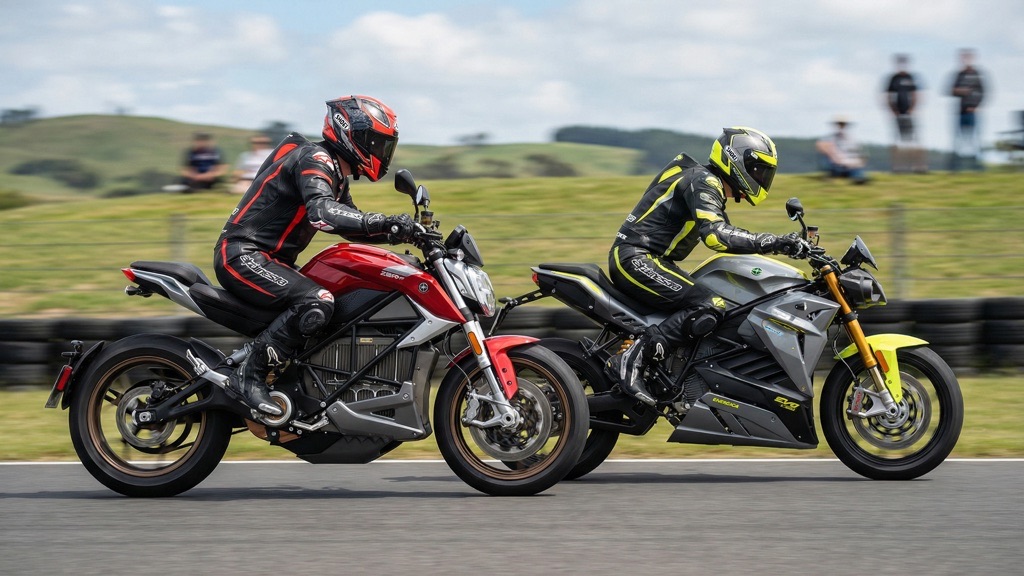
| Specification | Zero SR/F | Energica Eva Ribelle |
|---|---|---|
| Motor power | 110 hp (82 kW) | 145 hp (107 kW) |
| Torque | 140 lb-ft | 159 lb-ft |
| Battery capacity | 14.4 kWh | 21.5 kWh |
| Real-world range | 120–150 mi | 100–130 mi |
| Charging type | Level 2 AC (J1772) | CCS DC fast charging |
| Charging time | ~2–4 hrs (Level 2) | ~40 min (0–80% DC) |
| Weight | 498 lb | 573 lb |
| Seat height | 31.8 in | 31.1 in |
| Price (US) | ~$20,000 | ~$23,000 |
All figures based on official 2024 manufacturer specifications.
🏍 RIDING EXPERIENCE — The Part That Actually Matters
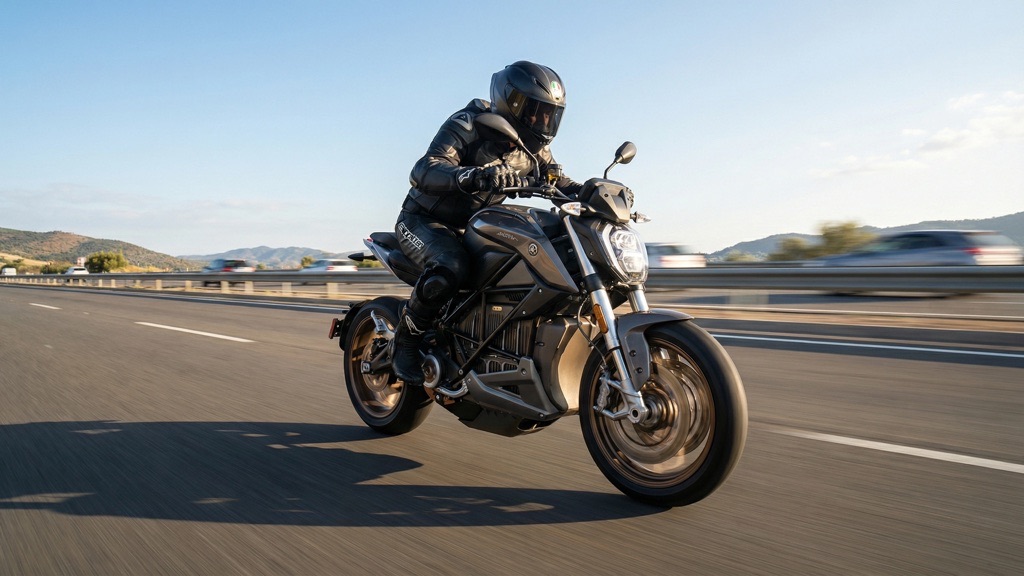
🔹 Throttle & Torque Delivery
Zero SR/FVery refined mapping. The throttle is progressive and predictable. In traffic, it feels controlled, not explosive.
Energica Eva Ribelle.
Sharply responsive. Even small throttle inputs deliver strong acceleration. It feels closer to a liter-class naked in urgency.
Expert opinion:
If you’re coming from a 600–900cc naked, SR/F feels natural.
If you’re coming from a 1000cc bike, Eva feels more familiar in intensity.
🔹 Acceleration
- SR/F: ~3.6 seconds 0–60 mph
- Eva Ribelle: ~2.8 seconds
The bigger difference shows above 70 mph. The Energica keeps pulling harder at highway speeds.
🔹 Weight & Handling
SR/F:
- Noticeably lighter
- Easier in tight urban riding
- More confidence at low speeds
Eva Ribelle:
- Heavy at parking lot speeds
- Extremely stable on highways
- Feels planted in sweepers
Expert insight:
You absolutely feel the 75 lb difference in slow maneuvers.
On the highway, that extra mass becomes stability.
🔹 Regenerative Braking
Both allow regen adjustment.
- SR/F: smoother deceleration feel.
- Eva: stronger engine-braking sensation when rolling off the throttle.
Riders who prefer aggressive deceleration without using brakes may prefer the Energica setup.
🔋 RANGE & CHARGING REALITY
City Use
- SR/F: up to ~150 miles realistically.
- Eva: around 120–140 miles.
Aggressive Riding
- SR/F: ~100 miles.
- Eva: can drop 90 miles below.
Torque-heavy riding reduces range quickly on both.
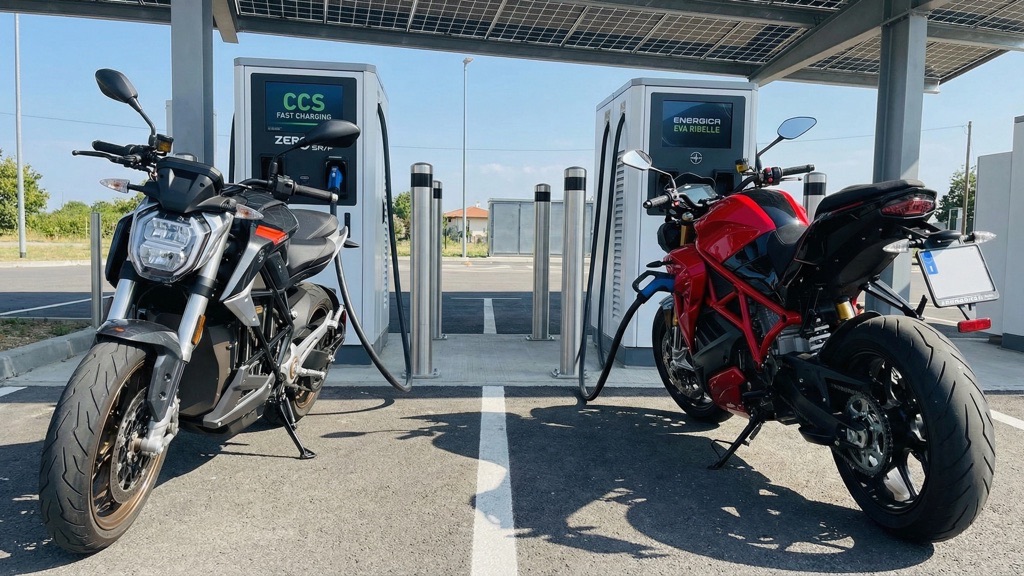
Charging Infrastructure Reality (US & Europe)
🔵 Zero SR/F
- Uses Level 2 AC charging (J1772 / Type 2 in EU).
- No standard CCS DC fast charging.
- Best suited for home charging setups.
🔴 Energica Eva Ribelle
- Equipped with CCS DC fast charging.
- 0–80% in ~40 minutes.
- Significantly more practical for intercity travel.
Critical ownership note:
If you do not have reliable home charging, the Energica becomes the safer choice.
🏢 Dealer Network & Service Reality
- Zero has a broader dealer presence in the US and parts of Europe.
- Energica’s dealer network is smaller and more concentrated.
Service access can matter more than acceleration numbers.
💰 Cost per Mile (Electricity Only)
Assuming average electricity cost:
- 14.4 kWh (SR/F) = roughly $2–$3 full charge
- 21.5 kWh (Eva) = roughly $3–$4 full charge
Estimated cost per 1,000 miles:
- SR/F ≈ $35–$45
- Eva ≈ $40–$55
This does not include tire wear or insurance.
👍 PROS & 👎 CONS
Zero SR/F
👍
- Lighter handling
- Lower entry price
- Strong dealer support
- Excellent for commuting
👎
- Smaller battery
- No standard CCS fast charging
- Less high-speed aggression
- More dependent on home charging
Energica Eva Ribelle
👍
- Stronger acceleration
- Larger battery
- CCS DC fast charging standard
- Premium build quality
👎
- Heavy
- Higher purchase price
- Smaller dealer network
- Higher rear tire wear potential
⚔️ Gas Alternative Comparison
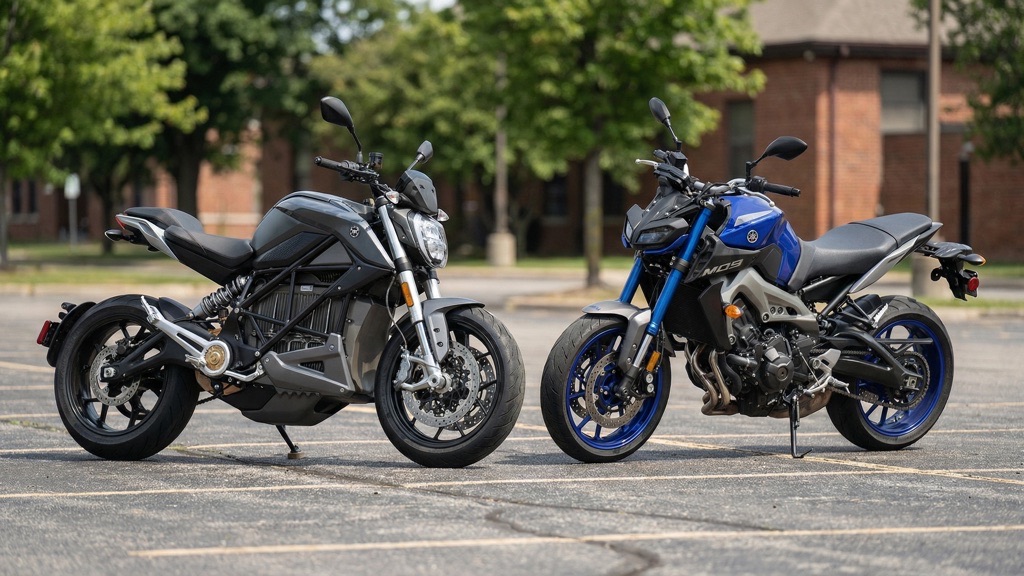
| Model | Power | Range | Weight | Price | Best For |
|---|---|---|---|---|---|
| Zero SR/F | 110 hp | 120–150 mi | 498 lb | ~$20k | Urban performance |
| Energica Eva Ribelle | 145 hp | 100–130 mi | 573 lb | ~$23k | Highway EV power |
| Yamaha MT-09 | 117 hp | 180–220 mi | 417 lb | ~$10k | Gas performance value |
Gas remains cheaper upfront and offers a longer total range.
Electric delivers instant torque and lower routine maintenance complexity.
🧠 FINAL RIDER VERDICT
🔹 SHORT VERDICT
Buy the Zero SR/F if:
- You ride mostly in the city.
- You have reliable home charging.
- You want lighter, easier daily control.
Buy the Energica Eva Ribelle if:
- You ride highways often.
- You want maximum electric acceleration.
- You plan to use public DC fast charging.
🔹 DETAILED VERDICT
The SR/F is the smarter everyday choice.
It feels balanced, manageable, and practical.
The Eva Ribelle is the emotional performance choice.
It delivers electric acceleration that feels closest to a liter-class naked.
Expert conclusion:
If 80% of your riding is urban, SR/F makes more long-term sense.
If your riding includes sustained highway speeds and occasional distance travel, the Energica justifies its higher price.
If you don’t have home charging, your decision is largely made — the Energica’s CCS system gives it a real-world advantage.
FAQ
Is the Energica Eva Ribelle faster than the Zero SR/F?
Yes. It has higher horsepower and quicker acceleration, especially noticeable above highway speeds.
Does the Zero SR/F support CCS DC fast charging?
No. The SR/F relies on Level 2 AC charging and does not offer standard CCS DC fast charging like the Energica.
Which bike is better for commuting?
The Zero SR/F is generally easier to manage daily due to its lighter weight and smoother throttle mapping.
Is the Energica practical for long-distance travel?
More practical than the SR/F due to CCS DC fast charging capability.
Are electric naked bikes cheaper to maintain?
They typically require less routine maintenance than gas bikes because there is no oil, clutch, or exhaust system, but tire wear can still be significant due to high torque.