
TL;DR
✅ Buy Xiaomi SU7 if you want:
- One of the most efficient large electric sedans in real-world driving
- Strong performance per dollar, especially in the AWD Max version
❌ Skip it if you need:
- The absolute fastest DC charging curve in the segment
- Proven long-term residual value outside China
🏆 Best for: Highway commuters / Tech-focused drivers / Daily executive use
⚖️ Main rivals: Tesla Model 3, BYD Seal, Hyundai Ioniq 6
Quick Verdict
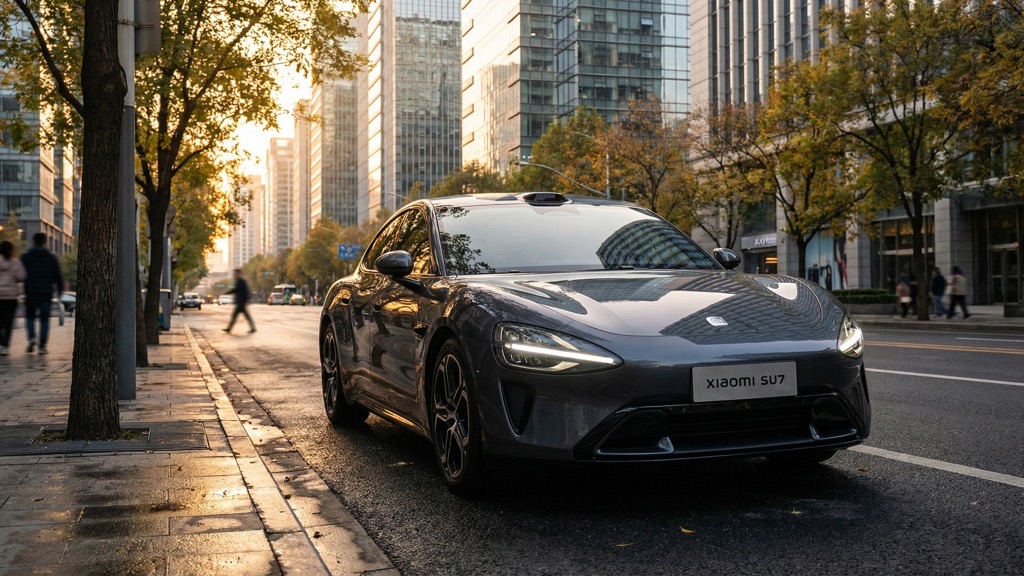
One of the strongest electric sedans in its class in 2026.
Predictable real-world range and stable 800V charging behavior.
Mature thermal management for a first-generation platform.
Not ideal for buyers prioritizing the most aggressive charging curve above 60%.
Xiaomi SU7 Key Specs (2026)
Segment: D-segment electric sedan
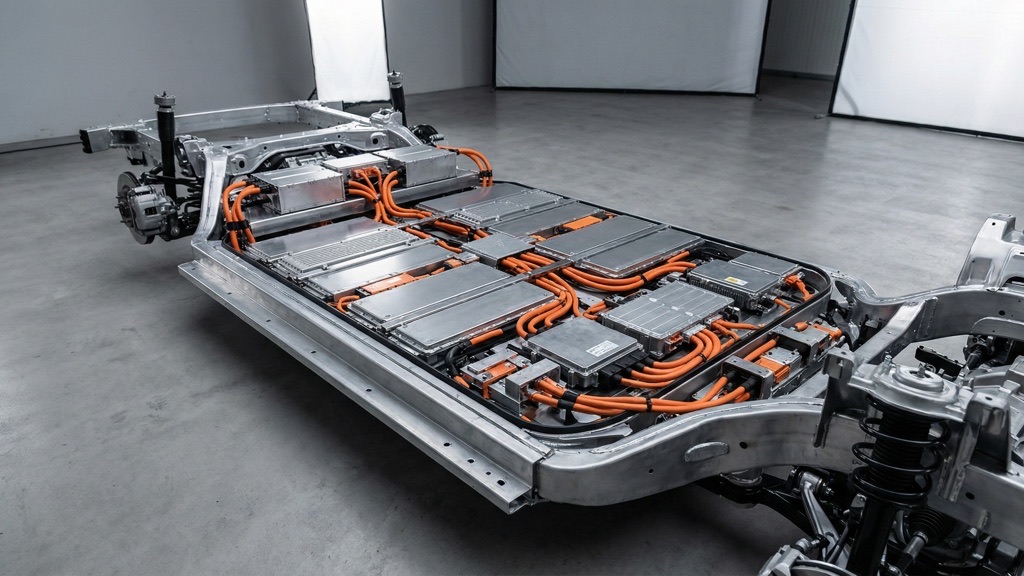
Platform: 800V architecture
Battery options:
- 73.6 kWh (LFP, CATL)
- 94.3 kWh (NMC, CATL)
Real-world range (mixed):
- ~480–500 km (73.6 kWh)
- ~540–600 km (94.3 kWh)
Energy consumption (real-world):
- Mixed: ~15.5–17.5 kWh/100 km
- Highway 130 km/h: ~19–22 kWh/100 km
Charging:
- AC: 11 kW (~8–9 h 0–100%)
- DC peak: up to ~220–300 kW
- 10–80%: ~22–30 minutes
Drive: RWD / AWD
Power:
- 299 hp (RWD)
- 673 hp (AWD Max)
0–100 km/h:
- 5.3 s (RWD)
- 2.8 s (Max)
Weight: ~1980–2205 kg
Battery warranty: 8 years / 160,000 km
Estimated price (2026): ~$30,000–45,000 (market dependent)
Quick Rating
| Metric | Score |
|---|---|
| Range & efficiency | ⭐⭐⭐⭐⭐ |
| Charging curve stability | ⭐⭐⭐⭐☆ |
| Performance | ⭐⭐⭐⭐⭐ |
| Comfort & highway stability | ⭐⭐⭐⭐☆ |
| Value for money | ⭐⭐⭐⭐⭐ |
Overview: Why Xiaomi SU7 Matters in 2026
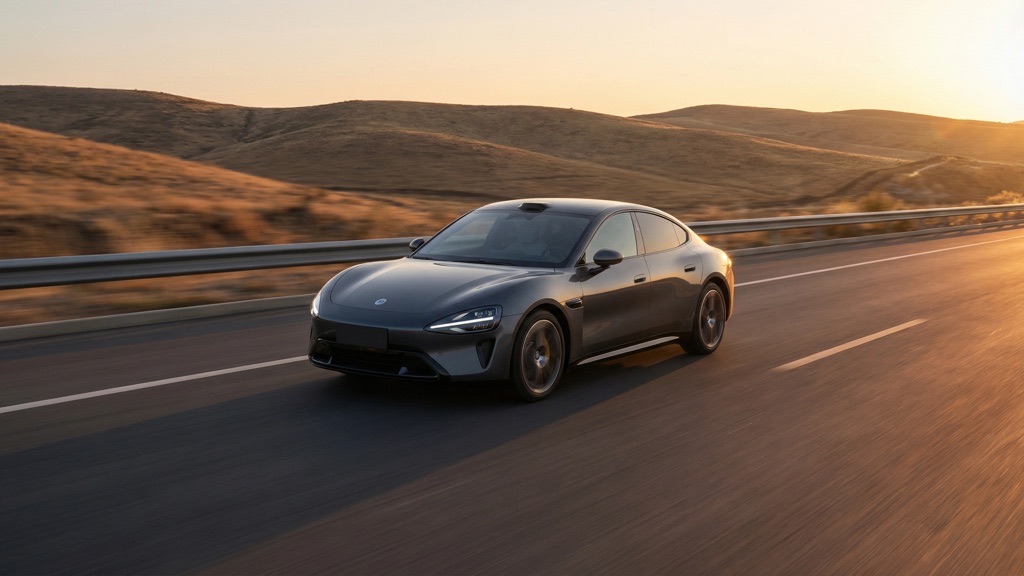
The Xiaomi SU7 remains relevant in 2026 because it combines:
- High energy efficiency for its size
- Proper 800V charging architecture
- Competitive pricing against global rivals
Unlike many new EV entrants, SU7 shows consistent thermal management and repeatable charging sessions without aggressive throttling.
It is not experimental technology — it behaves predictably in daily use.
Real-World Range & Efficiency
Real Driving Range (Measured Conditions)
94.3 kWh Version (NMC)
- City: ~600–650 km
- Mixed: ~550–600 km
- Highway (120–130 km/h): ~440–480 km
73.6 kWh Version (LFP)
- City: ~520–550 km
- Mixed: ~480–500 km
- Highway: ~380–420 km
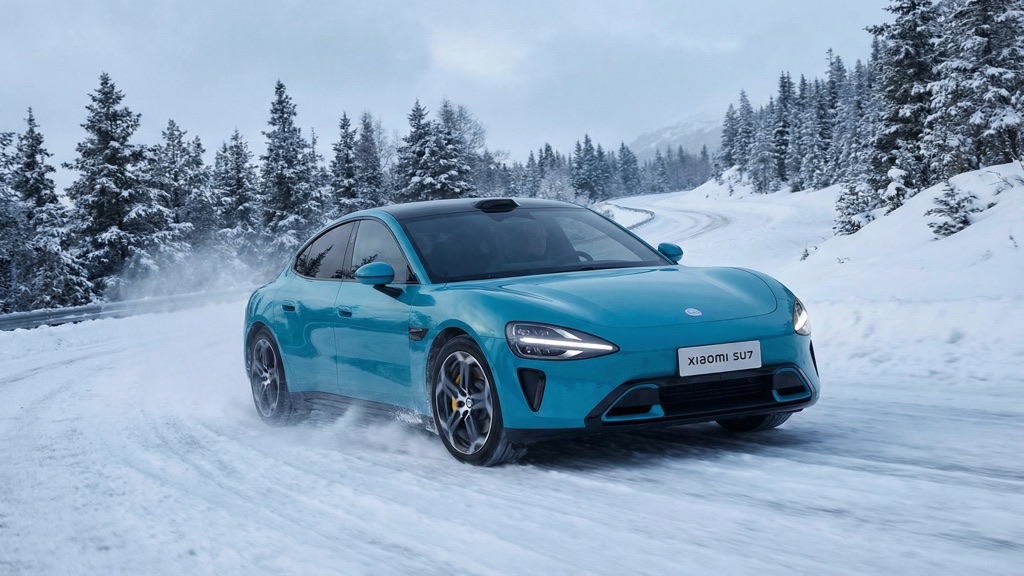
Winter Real Range (Critical for 2026 Buyers)
| Version | Mixed | -5°C | -15°C |
|---|---|---|---|
| 94.3 kWh | ~570 km | ~480 km | ~420 km |
| 73.6 kWh | ~490 km | ~410 km | ~360 km |
Drop in winter: ~20–28% depending on heating usage.
Verdict: In real-world testing, SU7 is slightly less efficient than the Tesla Model 3 at 130 km/h, but offers comparable mixed-driving results.
Charging & Battery Analysis
800V Charging Performance
Peak DC power:
- ~220 kW (Standard)
- up to ~300 kW (Max)
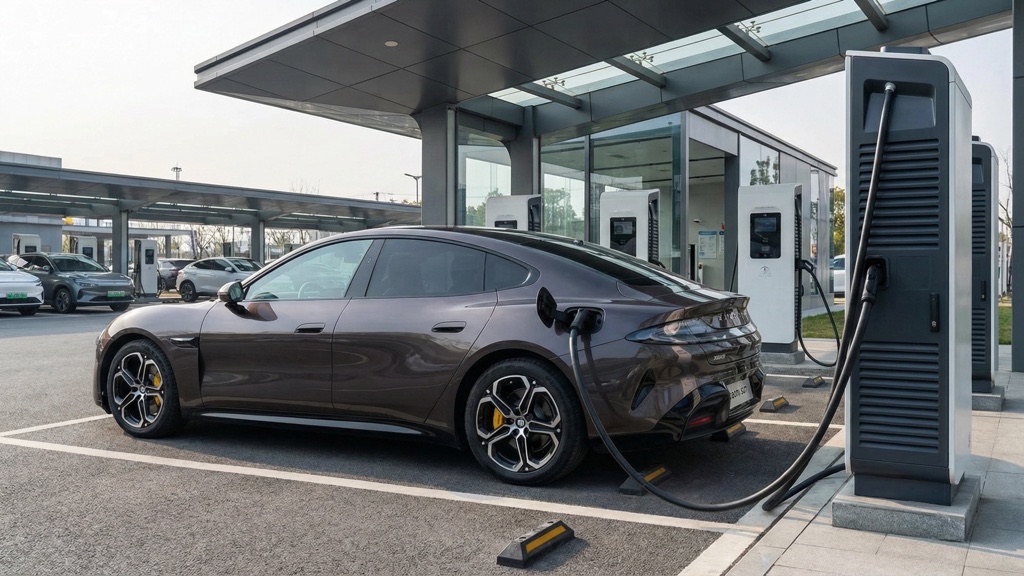
Real Charging Curve Behavior
- Holds >200 kW up to ~40–45%
- Drops to ~150 kW by ~60%
- Gradual taper after 70%
10–80% typically: 22–30 minutes
Second consecutive fast charge shows minor throttling but remains stable — thermal management is competent.
Battery Insight
- LFP version: better cycle durability, slightly heavier
- NMC version: higher energy density, better highway efficiency
- Liquid cooling system supports sustained performance
Real-world degradation estimate (early fleet data): ~2–3% annually under moderate use.
Verdict: Charging performance is competitive, though the Hyundai Ioniq 6 can maintain higher sustained charging speeds beyond 60%.
Performance & Driving Experience
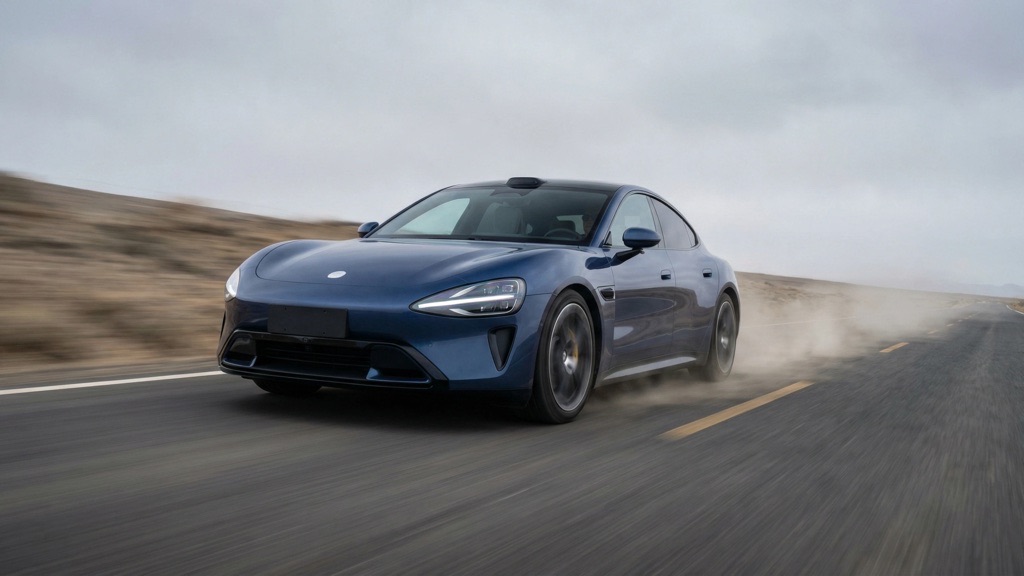
How It Drives (No Marketing, Only Reality)
Acceleration: Immediate and strong, especially AWD Max.
Above 100 km/h, it remains powerful and stable.
Highway stability: Excellent at 120–140 km/h.
Low wind noise for the segment.
Ride comfort: ⭐⭐⭐⭐☆
Handling & stability: ⭐⭐⭐⭐☆
The car is heavy (~2.1–2.2 tons), which is noticeable in rapid direction changes.
Steering is tuned for stability, not sharp sport dynamics.
This is a fast executive sedan, not a lightweight sports EV.
Practicality & Daily Use
City usability: ⭐⭐⭐⭐⭐
Highway comfort: ⭐⭐⭐⭐☆
Interior space: ⭐⭐⭐⭐☆
Rear legroom is generous. Trunk capacity is competitive for D-segment EVs.
Honest Weak Points
- Weight impacts agility
- Charging curve tapers after 60%
- Residual value outside China is still uncertain
- Service infrastructure expanding globally
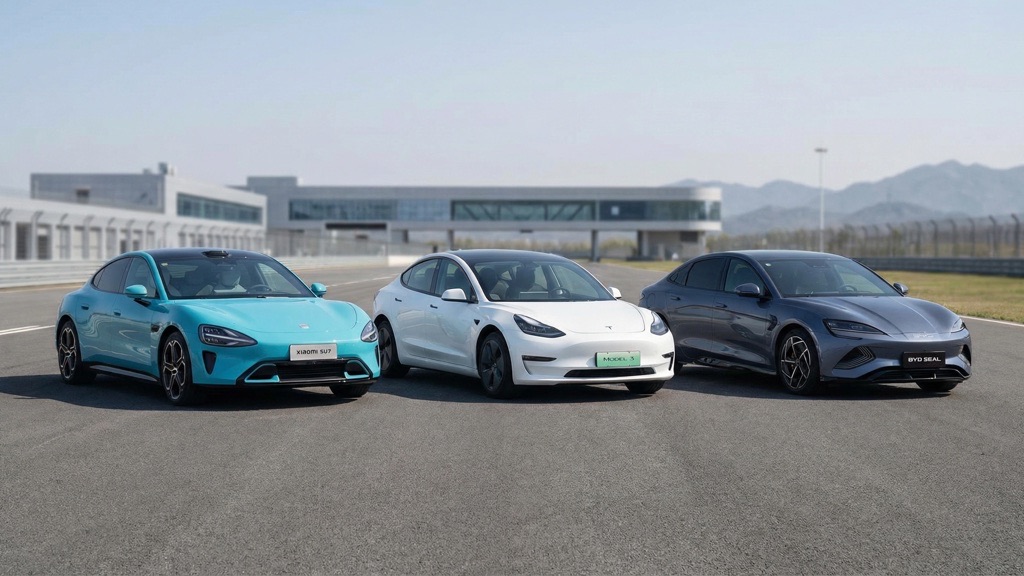
Xiaomi SU7 vs Main Rivals (2026)
| Model | Real Range | 10–80% DC | Highway Efficiency | Price | Strength |
|---|---|---|---|---|---|
| Xiaomi SU7 | ~550–600 km | ~22–30 min | Good | $30–45k | Performance per dollar |
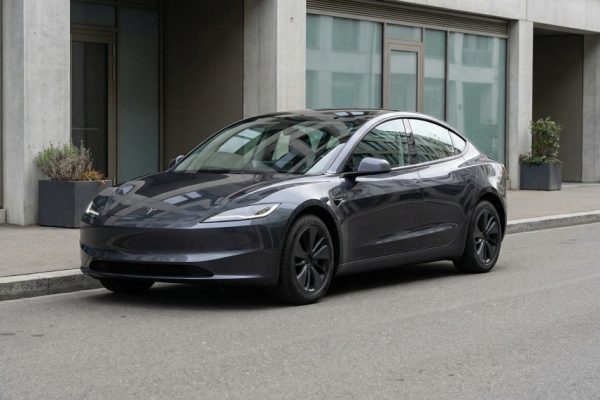
| Tesla Model 3 | ~530–580 km | ~25 min | Slightly better | $40–50k | Charging ecosystem |
| BYD Seal | ~480–570 km | ~30–35 min | Moderate | $35–45k | Blade battery durability |
All models serve similar use cases.
True Ownership Cost (2026)
Electricity (15,000 km/year): ~$600–900
Battery degradation: ~2–3% per year
Maintenance: minimal
Insurance may vary depending on region and performance variant.
Verdict: One of the most cost-efficient performance EVs in its segment.
Is Xiaomi SU7 Worth Buying in 2026?
Yes, if you prioritize:
- Real-world efficiency
- Strong acceleration
- Competitive pricing
No, if you prioritize:
- The absolute best charging curve above 60%
- Established global service network
Final Verdict
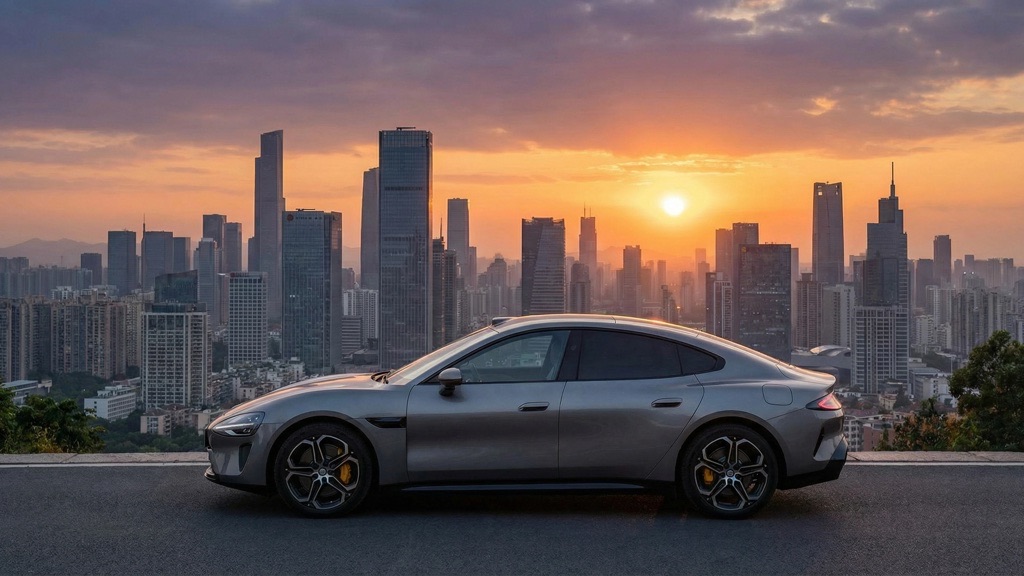
The Xiaomi SU7 is one of the strongest electric sedans in its segment in 2026.
It excels in efficiency, performance per dollar, and stable charging behavior.
Buyers focused on charging ecosystem maturity may prefer the Tesla Model 3.
Buyers prioritizing aerodynamic highway efficiency may consider the Hyundai Ioniq 6.
For value-focused EV buyers, SU7 remains one of the smartest choices in 2026.
FAQ
Is Xiaomi SU7 worth buying in 2026?
Yes, especially if value and performance are priorities.
What is the real-world range of Xiaomi SU7?
Around 480–600 km, depending on battery version.
How fast does Xiaomi SU7 charge?
Approximately 22–30 minutes (10–80%) on DC fast charging.
Xiaomi SU7 or Tesla Model 3?
SU7 offers more power for the price. Model 3 offers a stronger charging ecosystem and slightly better highway efficiency.