
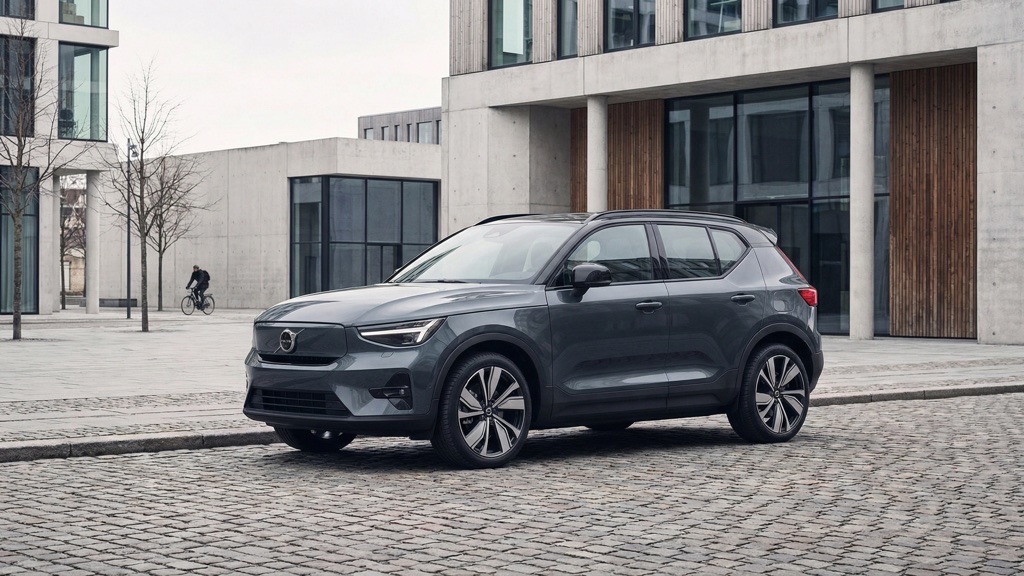
The Volvo EX30 is Volvo’s smallest and most affordable electric SUV — positioned below the larger Volvo EX90 and aimed squarely at urban buyers who want premium design without a premium footprint.
It promises strong performance (3.4 sec to 60 mph in Twin Motor form), Google-based infotainment, aScandinavian minimalism at a price that undercuts most premium EVsEVs.
But here’s the real question buyers in the US and Europe are asking in 2025:
Is the EX30 a smart long-term buy — or just a stylish city EV with limitations?
Let’s break it down properly.
best for: Urban/suburban drivers with home chargings with home charging
Not recommended for: Frequent long-distance highway commuters
Real-world range (expert estimate):
- Single Motor Extended: 240–260 miles mixed
- Twin Motor AWD: 210–230 miles
Biggest advantage: Performance-to-price ratio
Main drawback: 400V charging limits road-trip speed
Overall rating: 9.1 / 10
📊 Key Specifications
| Specification | Value |
|---|---|
| Battery capacity | 51 kWh (LFP) / 69 kWh (NMC) |
| Real-world range | 210–260 miles |
| WLTP / EPA range | Up to 298 mi WLTP / ~275 mi EPA |
| DC fast charging | Up to 153 kW (400V system) |
| 0–60 mph / 0–100 km/h | 3.4 sec (Twin Motor) |
| Drivetrain | RWD / AWD |
| Starting price | ~$34,950 US / ~€36,000 EU |
Interpretation:
The 69 kWh Single Motor is the rational choice. The AWD version is emotionally appealing but less efficient.
🏗 Platform & Engineering Reality
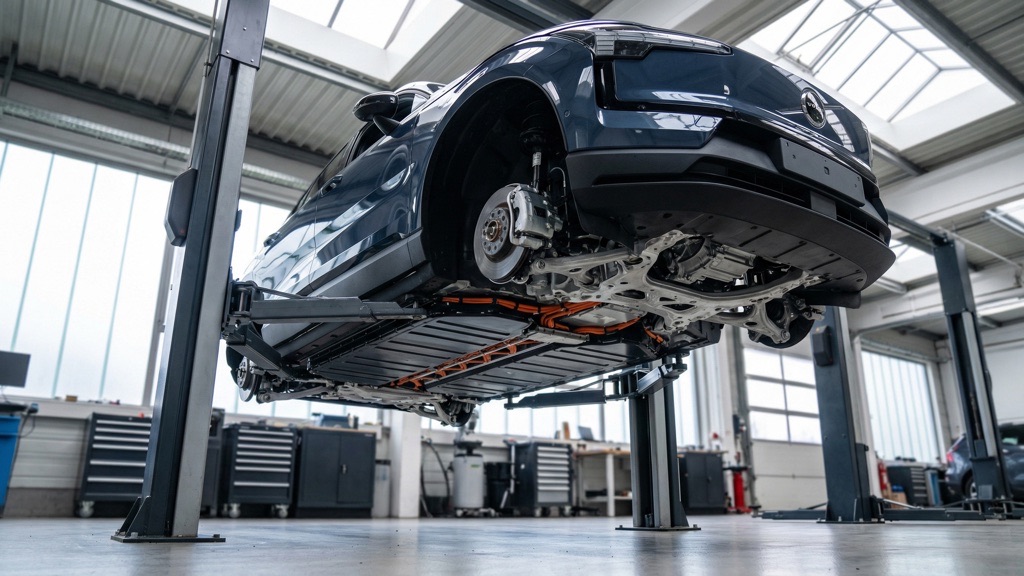
The EX30 rides on Geely’s SEA platform, shared with the Smart #1.
Key points for buyers:
- Proven mass-production EV architecture
- 400V electrical system
- Volvo-specific safety calibration
- Global deployment across multiple brands
This is not an experimental product. But it’s also not cutting-edge 800V tech.
🚗 Real-World Driving Experience
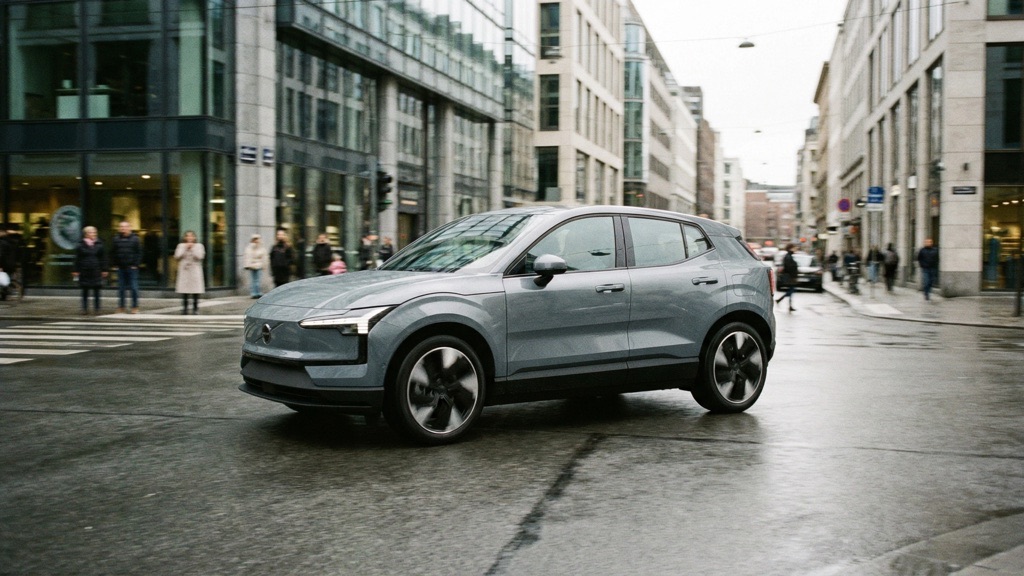
City Driving
This is where the EX30 makes the most sense.
Efficiency (mild weather):
- Single Motor: 4.1–4.5 mi/kWh
- Twin Motor: 3.8–4.2 mi/kWh
Compact footprint + tight turning radius = excellent urban usability.
Regenerative braking is smooth and predictable. One-pedal driving is well calibrated.
Highway Efficiency (75 mph / 120 km/h)
- Single Motor: ~3.1–3.3 mi/kWh
- Twin Motor: ~2.8–3.0 mi/kWh
Realistic highway range (69 kWh):
- ~220 miles warm weather
- 170–190 miles in winter conditions
Winter Drop
Expect 20–30% range loss below freezing.
The heat pump helps — but physics still wins.
If you live in Scandinavia, Canada, or northern US states, factor this in seriously.
Acceleration & Character
The Twin Motor version is shockingly quick.
3.4 seconds to 60 mph puts it into performance EV territory.
But here’s the trade-off:
- Higher tire wear
- Higher insurance premiums
- ~10–12% efficiency penalty
For most buyers, the Single Motor feels more balanced.
Ride & Comfort
Short wheelbase = firmer ride.
- European highways: composed
- Broken US city pavement: noticeably stiff
This is not a luxury floaty SUV. It’s tuned more like a compact hot hatch.
Interior & Software
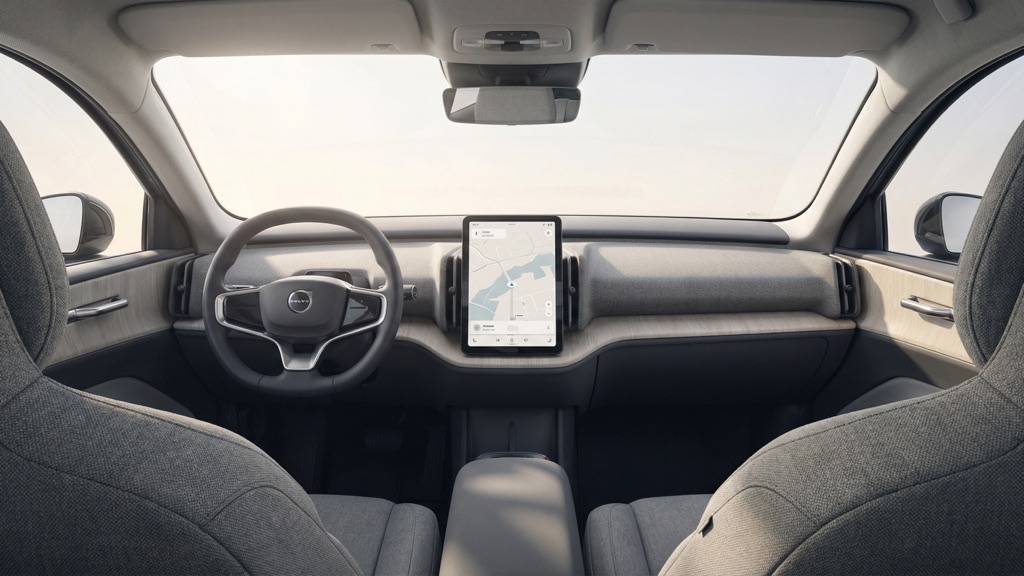
Minimalist cabin with a single central display.
Philosophically closer to a Tesla Model Y than traditional Volvo models.
Strengths:
- Clean UI
- Google Maps integration
- Responsive screen
Weaknesses:
- No driver instrument cluster
- Climate adjustments via touchscreen
- Some early-market software bugs (improving via OTA)
Software maturity is good — but Tesla remains ahead in ecosystem integration.
⚡ Charging Analysis: 400V vs 800V Reality
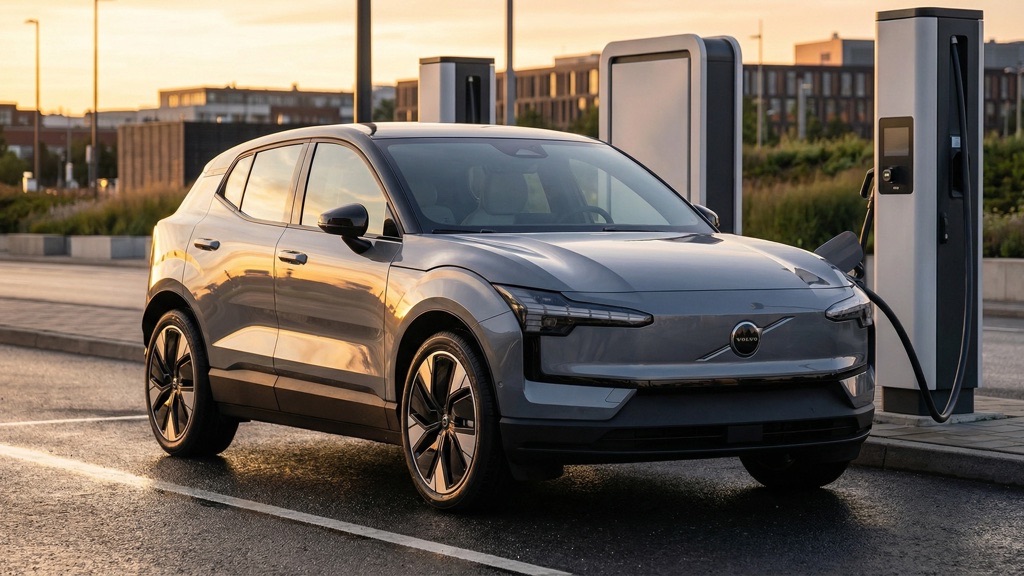
Peak DC: 153 kW
10–80%: ~26–28 minutes
On paper, acceptable.
But here’s the difference:
| System | Typical Peak | Road Trip Advantage |
|---|---|---|
| 400V (EX30) | 153 kW | Stable but mid-pack |
| 800V (Hyundai E-GMP) | 220–230 kW | Shorter stop times |
| Tesla Supercharging | ~250 kW | Strong network integration |
The EX30 charges consistently — but it’s not class-leading.
🛣 600-Mile Road Trip Simulation
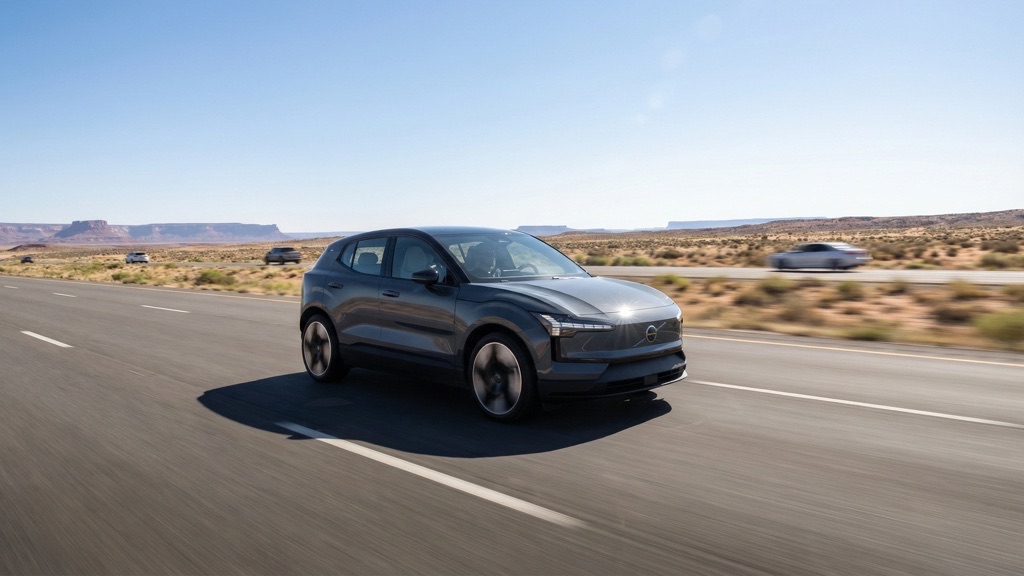
Scenario: 600 miles highway, 75 mph average, mild weather.
EX30 Single Motor (69 kWh)
- Start 100%
- 1st stop: ~210 miles
- 2nd stop: ~390 miles
- 3rd short top-up
Total charging time: ~70–80 minutes
Total trip time penalty vs gas car: ~1.5 hours
Tesla Model Y Long Range
- Fewer/shorter stops
- ~45–55 minutes total charging
For occasional road trips? Fine.
Weekly long-distance commuting? Not ideal.
👍 Pros & 👎 Cons
👍 Pros
- Exceptional performance for price
- Compact and easy to maneuver
- Competitive entry pricing
- Good software integration
- Strong safety heritage
👎 Cons
- 400V limits charging speed
- Tight rear seat space
- Firm ride quality
- Noticeable winter range drop
- Touchscreen dependency for key functions
⚖️ Competitor Comparison
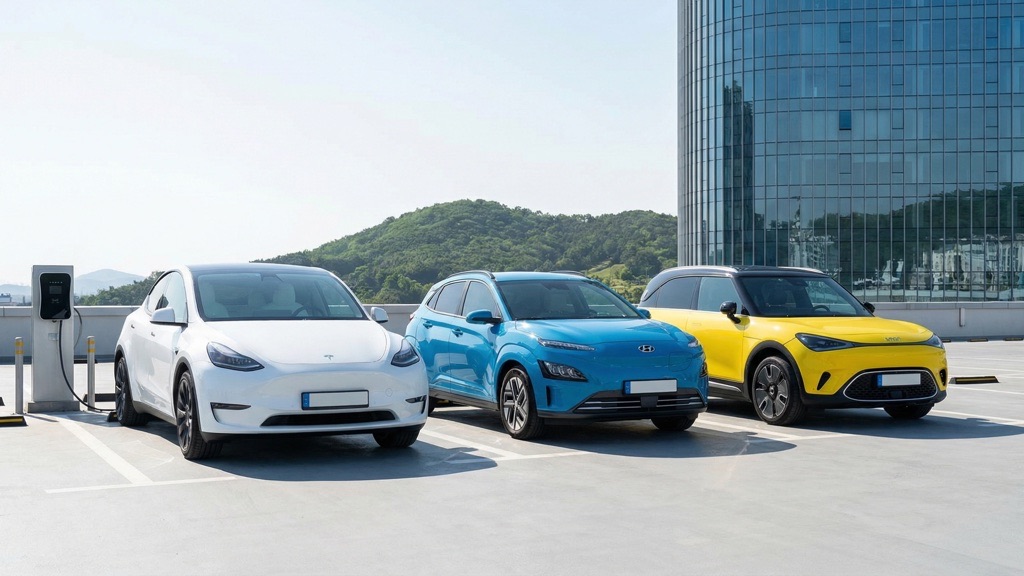
| Model | Range | Charging | Price | Key Difference |
|---|---|---|---|---|
| Tesla Model Y | 260–330 mi | 250 kW | Higher | More space, faster charging |
| Hyundai Kona Electric | ~260 mi | ~100 kW | Similar | Softer ride, slower charging |
| Smart #1 | ~270 mi WLTP | ~150 kW | Similar | Same platform, different tuning |
Cargo Reality:
Model Y offers significantly more cargo capacity.
EX30 is better seen as a premium compact — not a family hauler.
💰 Ownership & Running Costs
Charging Costs
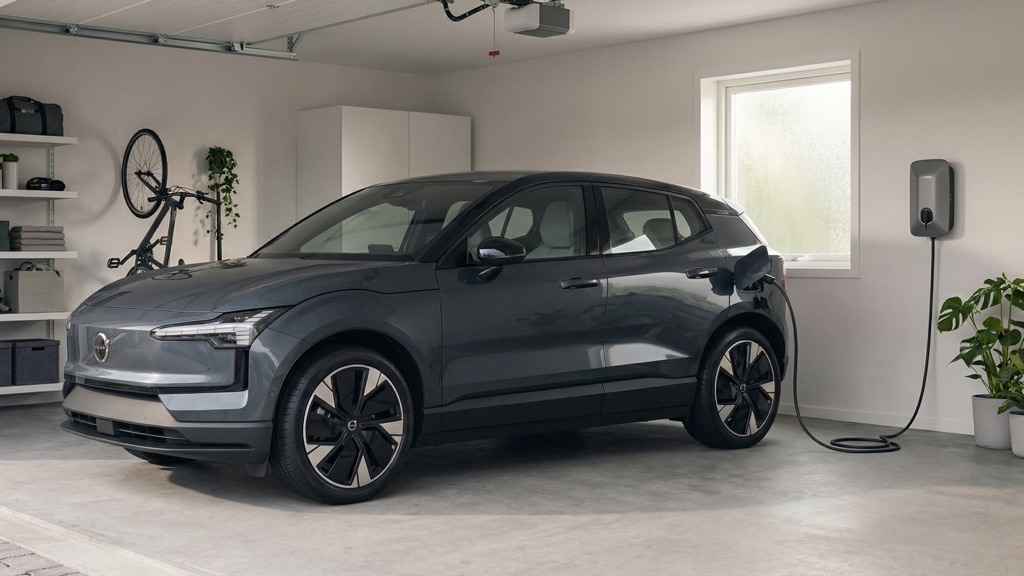
Home charging:
- US average: ~$11–14 per 250 miles
- EU average: €13–20 per 300 miles
DC fast charging: 2–3× higher cost.
Insurance & Repairs
- Performance trim may increase premiums
- ADAS calibration can raise repair costs after minor accidents
- Volvo parts pricing is typically higher than that of mainstream brands
Battery Degradation (5-Year Outlook)
- LFP pack: stable at high charge levels
- NMC pack: better energy density
Expected degradation:
8–12% after 5 years under normal use.
Heat remains the biggest risk factor.
Depreciation Forecast
Projected 5-year residual:
~45–55%
Compact EVs tend to depreciate faster than larger SUVs.
🧠 Final Expert Verdict
🔹 SHORT VERDICT
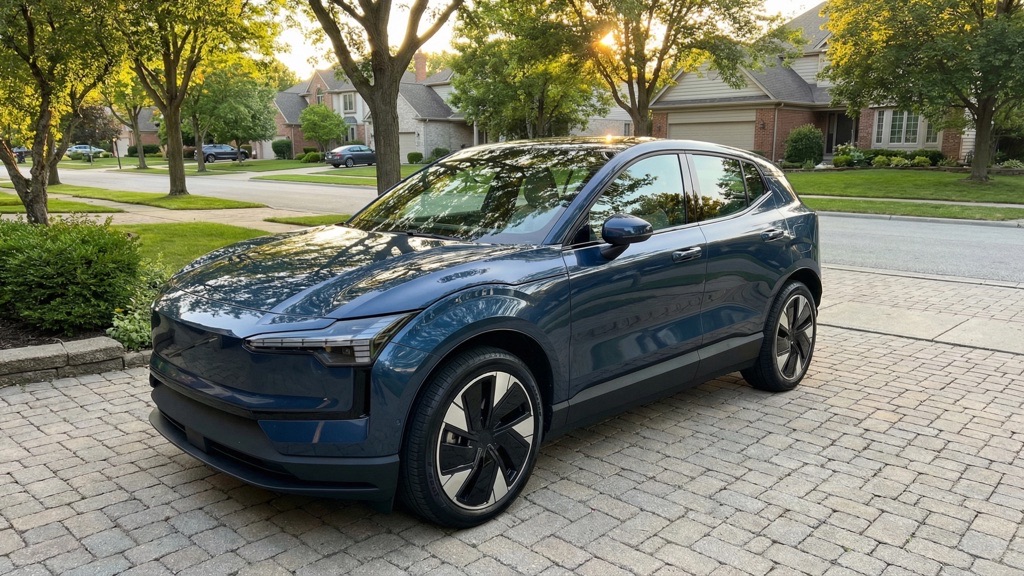
Buy the Single Motor Extended if you mostly drive in cities or suburbs.
Consider alternatives if you road trip weekly.
Skip AWD unless you truly value acceleration.
🔹 DETAILED VERDICT
The Volvo EX30 is ideal for:
- Urban professionals
- Downsizers from larger SUVs
- EV newcomers with home charging
Not ideal for:
- Rural long-distance commuters
- Large families
- Buyers who dislike touchscreen-heavy interiors
Long-term outlook: stable platform, solid safety engineering, reasonable battery durability expectations.
Value for money: strong in Europe, competitive in the US, depending on incentives.
This is not the most advanced EV on the market.
But for the right buyer, it’s one of the smartest compact premium EVs available in 2025.
TL;DR
The Volvo EX30 is a fast, compact premium EV best suited to city life.
Great value, strong performance — but average road-trip charging.
Choose Single Motor Extended for the best balance.
FAQ
Is the Volvo EX30 good for families?
Small families — yes. Large families — space is limited.
How much range do you lose in winter?
20–30% in freezing conditions.
Is AWD worth it?
Only if you prioritize performance.
Is it charging fast enough for road trips?
Adequate, but not segment-leading.
How does it compare to the Tesla Model Y?
Model Y offers more space and faster charging. EX30 is more compact and city-friendly.
Will the battery last 10 years?
With normal use and moderate climate exposure, yes — degradation should remain within expected EV norms.