TL;DR
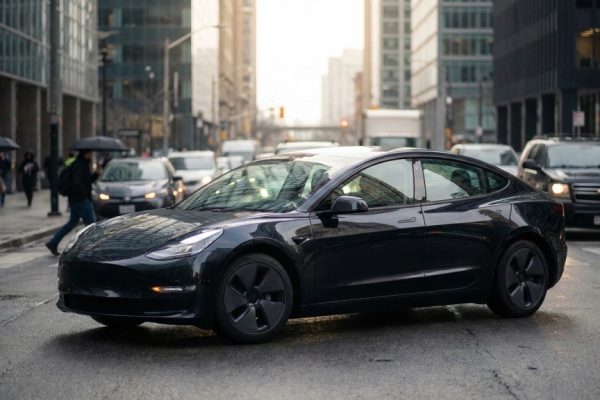
Tesla’s Real Battery Life typically exceeds 300,000–500,000 km, with most vehicles losing only 10–15% capacity after 200,000 km.
Modern Tesla battery packs — especially LFP and updated 2170 cells — are engineered to outlast typical ownership cycles.
The real risks are heat, charging habits, and poor purchase decisions — not sudden battery failure.
INTRODUCTION
Tesla’s Real Battery Life remains one of the most searched EV topics in 2026. For new buyers and used import battery longevity determines determines:
- Total cost of ownership
- Resale value
- Long-term reliability
- Real charging cost per kilometer
Unlike early-generation EVs, modern Tesla battery packs have now accumulated nearly a decade of real-world high-mileage data. Taxi fleets, private owners, and commercial users provide measurable degradation curves — not theoretical projections.
This article analyzes real degradation, chemis4680differences (LFP vs NCA vs 4680), charging economics, and ownership risks — without marketing spin.
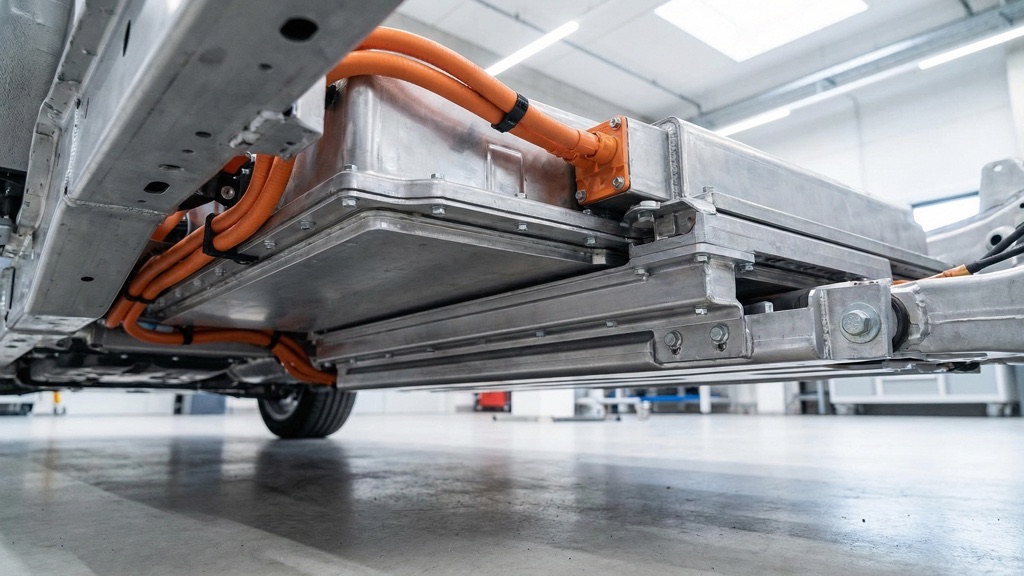
What Tesla’s Real Battery Life Actually Means
When buyers search for Tesla battery lifespan, they usually mean three things:
- How much range is lost over time
- When battery replacement becomes necessary
- Whether the battery outlasts an ICE engine
These are separate questions.
Warranty Reality
Tesla provides an 8-year battery warranty with a 70% minimum retention guarantee.
| Model | Warranty | Minimum Retention |
|---|---|---|
| Model 3 RWD | 8 yrs / 160,000 km | 70% |
| Model 3 Long Range | 8 yrs / 192,000 km | 70% |
| Model Y Long Range | 8 yrs / 192,000 km | 70% |
| Model S / X | 8 yrs / 240,000 km | 70% |
Warranty sets the floor — not the expected result.
In practice, most vehicles remain above 80–85% capacity well beyond 200,000 km.

Real Degradation Data
Modern Teslas follow a predictable degradation curve:
- 3–5% loss in the first 50,000 km
- 5–8% at 100,000 km
- 10–15% at 200,000 km
- 15–20% at 300,000+ km
The curve stabilizes after the initial drop.
Two mechanisms drive wear:
Calendar Aging
Chemicals wear over time, even without driving.
Cycle Aging
Wear caused by charge/discharge cycles.
Heat accelerates both more than fast charging does.
Battery Chemistry Deep Dive
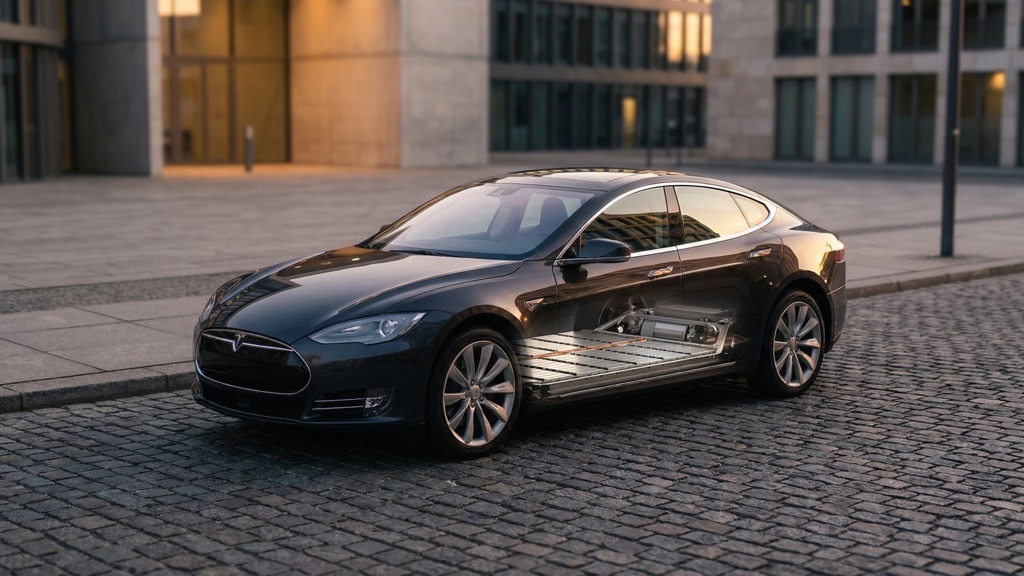
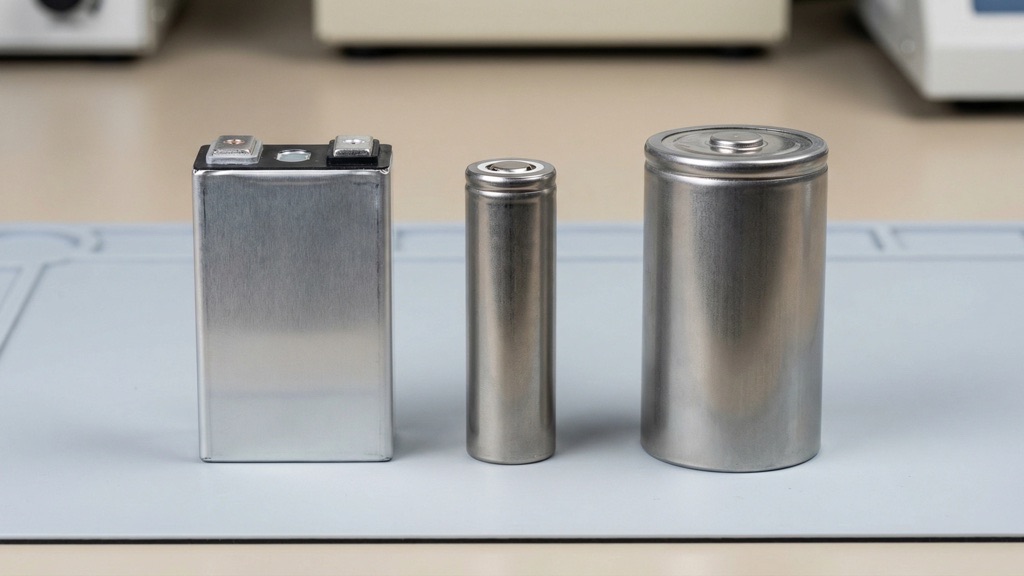
Tesla currently uses three main battery formats.
 Reviews
Arc Vector Review (2026): The World’s Most Advanced Electric Motorcycle
Electric motorcycles in 2026 have finally matured into a real alternative to gasoline bikes. Most brands now focus on affordability,...
 Reviews
Super73 C1X Electric Motorcycle
Super73 C1X electric motorcycle Introduction: Super73, renowned for its pedaled e-bikes, has now entered the electric motorcycle market with its...
 Cars
Cars
Tesla Model Y vs BYD Song Plus EV (2026): Range, Charging, Price & Verdict
TL;DR Choose the Tesla Model Y if you want global Autopilot capability, superior charging infrastructure, and proven long-term reliability. Choose...
LFP (Lithium Iron Phosphate)
Used in Model 3 RWD (primarily Shanghai builds).
- 3,000–5,000 full cycles potential
- Safe to charge to 100% daily
- Extremely stable
- Slightly heavier
- More sensitive to cold
Estimated lifespan: 500,000+ km in a moderate climate
NCA / NCM 2170 Cells
Used in Model 3 Long Range, Model Y Long Range, Model S / X.
- 1,500–2,000 full cycles
- Higher energy density
- Better cold-weather performance
- Requires a daily limit of around 80–90%
Estimated lifespan: 350,000–450,000 km
4680 Structural Pack
Used in select Model Y builds.
- Structural integration
- Improved thermal pathways
- Reduced internal resistance
Long-term durability data is still accumulating, but early results mirror 2170 behavior.
Charging Economics & Battery Wear
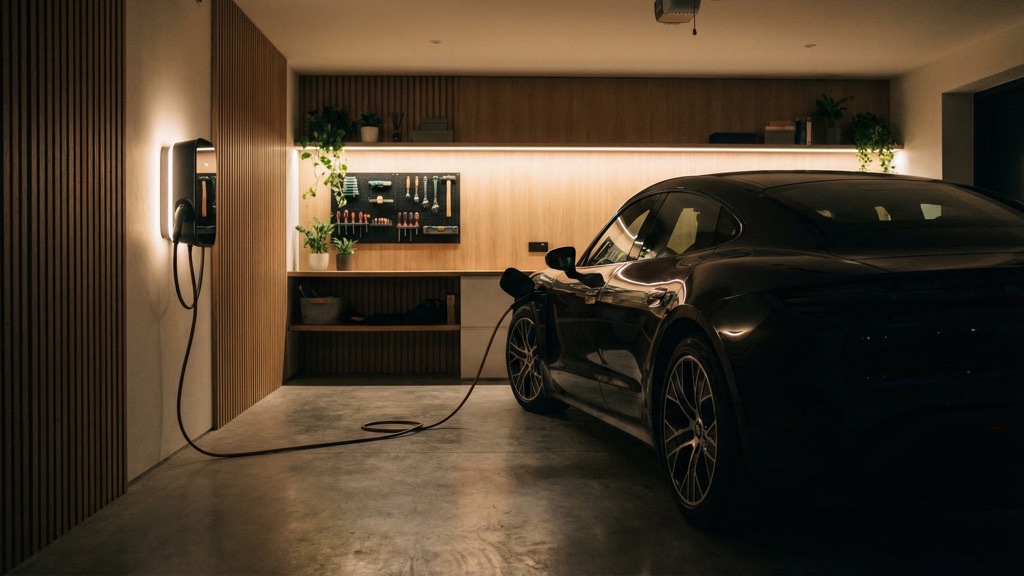
Battery life is closely linked to charging behavior — but also to cost per kilometer.
Many buyers focus on degradation while ignoring charging economics.
If you want to calculate real-world charging cost based on your electricity price and battery size, you can use this tool:
👉 EV Charging Cost Calculator:
https://www.bike-ev.com/calculator/
It allows you to estimate:
- Cost per full charge
- Cost per 100 km
- Monthly charging expenses
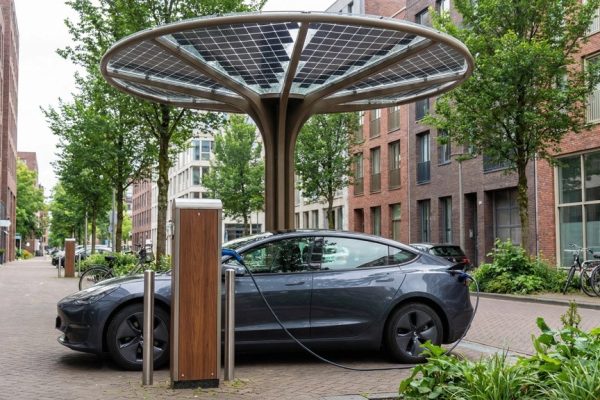
Understanding charging cost puts degradation into perspective. Even with 10% battery loss after years, the energy cost per km often remains significantly lower than gasoline.
Technical Overview (2026)
| Model | Chemistry | Capacity | EPA Range | Real Highway Range | Peak DC Charging |
|---|---|---|---|---|---|
| Model 3 RWD | LFP | ~60 kWh | 272 mi | 350–400 km | 170 kW |
| Model 3 LR | NCA | ~82 kWh | 341 mi | 450–500 km | 250 kW |
| Model Y LR | NCA | ~82 kWh | 330 mi | 420–470 km | 250 kW |
| Model S | NCA | ~100 kWh | 405 mi | 520–600 km | 250 kW |
A 10% degradation equals roughly a 10% reduction in range.
Example:
500 km → 450 km usable after 10% loss.
For most drivers, this difference is rarely operationally critical.
After 300,000 km — What Actually Happens?
High-mileage Teslas show predictable patterns:
- Slight reduction in peak charging speed
- Minor increase in internal resistance
- Occasional module imbalance (rare)
- No sudden catastrophic pack failure
Battery modules are engineered with redundancy. Failures usually develop gradually and are detectable.
Tesla vs Competitors Battery Durability
| Brand | 200k km Degradation | Warranty | Chemistry Strategy |
|---|---|---|---|
| Tesla | 10–15% | 8 yrs / 70% | LFP + NCA |
| Hyundai | 12–18% | 8 yrs | NCM |
| BMW | 15–20% | 8 yrs | NCM |
| Mercedes EQ | 15–20% | 8 yrs | NCM |
| BYD (LFP Blade) | 8–12% | 8 yrs | LFP |
Tesla remains among the leaders in real-world durability due to thermal control and software optimization.
Real-World Ownership Factors
Climate
Heat accelerates degradation more than cold.
Desert environments show faster aging than moderate European climates.
Charging Habits
Best practice for NCA packs:
- Daily limit 80–90%
- Avoid frequent 0–100% cycles
- Precondition for fast charging
LFP packs tolerate 100% daily charging.
Commercial Use
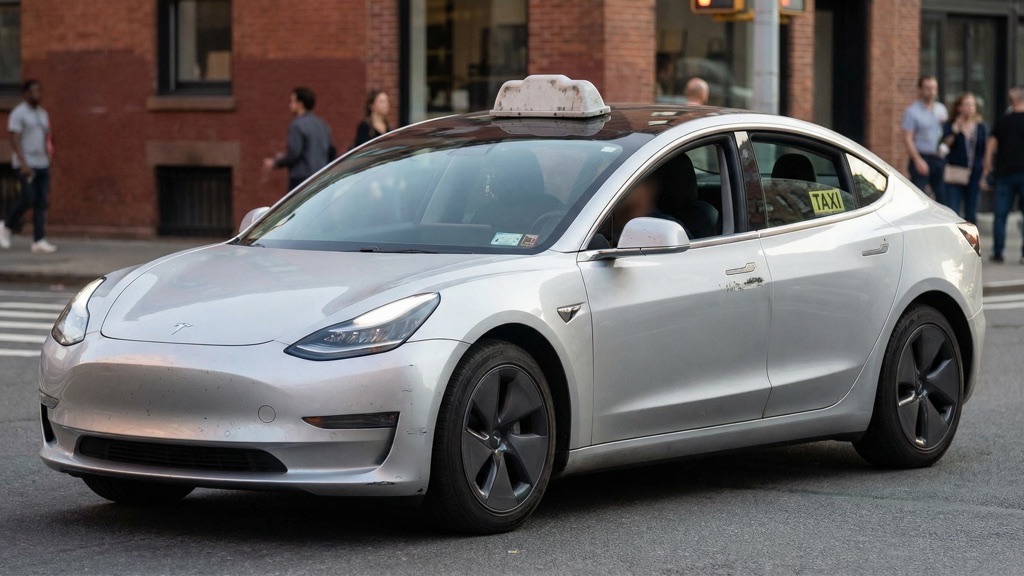
Taxi vehicles accumulate high cycle counts but often exceed 400,000 km on original packs.
Buying a Used Tesla: Battery Check Checklist
Before purchase:
- Compare the displayed range at 100% to the factory spec
- Review service history
- Check charging history (if accessible)
- Inspect underbody protection
- Avoid flood-damaged imports
High mileage alone is not a red flag — poor maintenance is.
FINAL VERDICT
In 2026, Tesla’s Real Battery Life is one of the strongest engineering advantages of the brand.
Modern Tesla battery packs consistently exceed 300,000 km with predictable, moderate degradation. For most buyers, the battery will outlast financing periods and average ownership cycles.
Battery fear is largely outdated.
The real ownership decision should focus on charging access, electricity cost, climate, and service availability — not longevity anxiety.

FAQ
How long does Tesla’s Real Battery Life last?
Most Tesla battery packs last 300,000–500,000 km before significant degradation.
How much does a Tesla battery degrade per year?
After the initial drop, degradation averages 1–2% annually.
Does frequent Supercharging ruin Tesla batteries?
No. It slightly increases wear but is not the primary degradation driver. Heat is more damaging.
How much does a Tesla battery replacement cost in 2026?
Between $11,000 and $25,000, depending on model and region.
Is LFP better for longevity than NCA?
Yes. LFP generally offers longer cycle life but lower energy density.