TL;DR
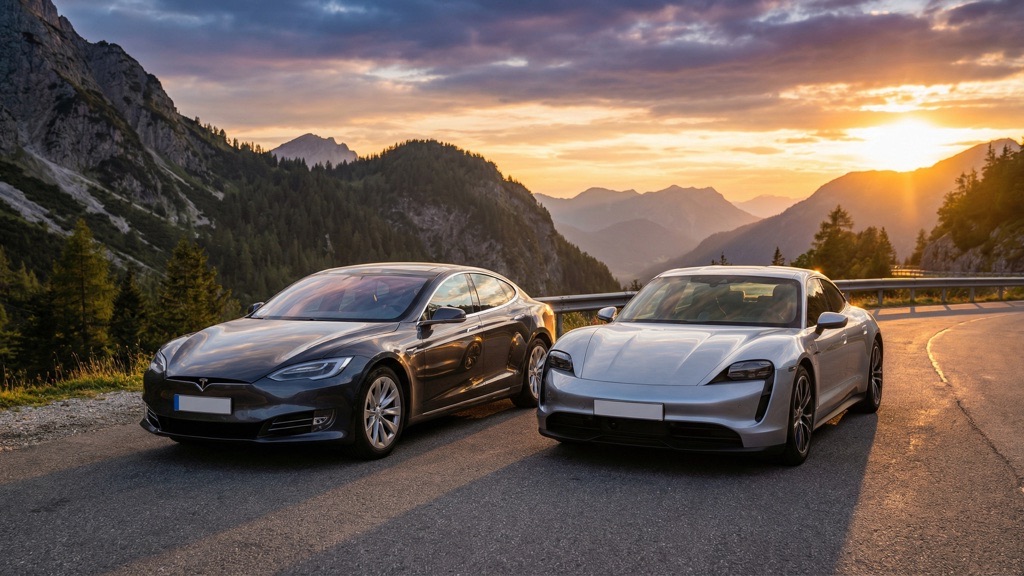
The Tesla Model S vs Porsche Taycan comparison in 2026 is about ownership philosophy, not just speed.
Choose Tesla Model S for maximum range, software leadership, ancharging simplicityty.
Choose the Porsche Taycan for sharper handling, stronger braking consistency, and traditional premium craftsmanship.
Both are elite electric sedans — but only one fits your real-world driving pattern.
Introduction
The Tesla Model S vs Porsche Taycan debate has matured. In 2026, both cars represent the top tier of the electric executive sedan segment — yet they approach performance, charging, and ownership from fundamentally different angles.
The Tesla Model S remains the benchmark for EV efficiency and ecosystem integration. Continuous over-the-air updates, long EPA range, and deep Supercharger integration define iPorsche Taycan, especially after its 2025–2026 refresh 2025–2026 refresh, doubles down on chassis precision, repeatable performance, and premium build quality rooted in Porsche’s sports-car DNA.
For buyers investing $100,000+ into a high-performance electric sedan, the real question is not acceleration — it’s long-term usability, depreciation risk, charging friction, and daily satisfaction.
Tesla Model S vs Porsche Taycan: Key Differences Explained
Architecture Philosophy: 400V vs 800V
Tesla Model S:
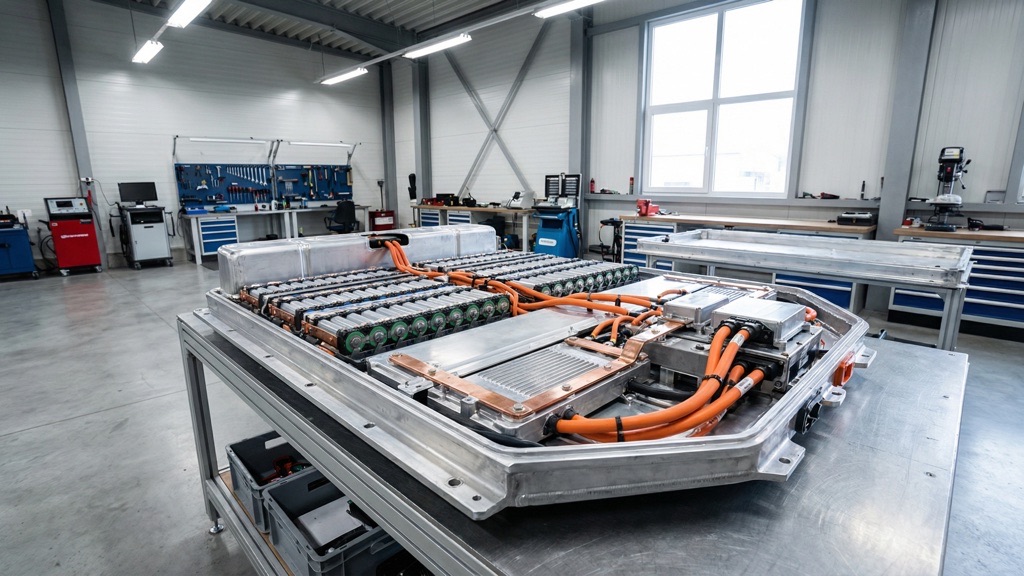
- 400V architecture
- Large ~100 kWh battery
- Emphasis on efficiency and software optimization
Porsche Taycan:
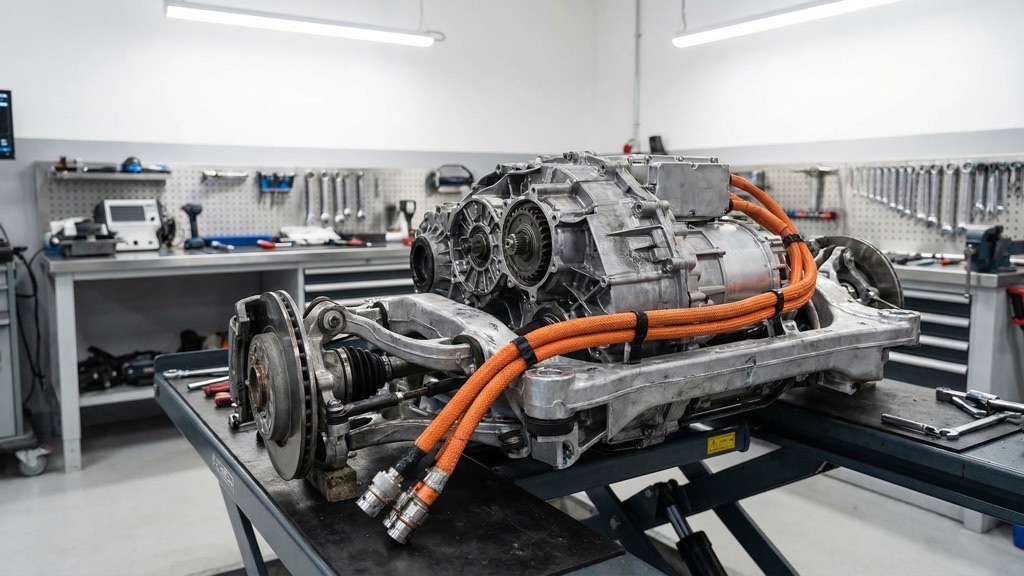
- 800V architecture
- ~97 kWh battery (gross)
- Two-speed rear transmission
- Emphasis on sustained performance and fast DC charging
What this means in practice:
- 800V enables higher peak charging power
- 400V systems rely more on efficiency and network optimization
- Tesla offsets lower voltage with battery size and ecosystem routing
Market Positioning
Model S competes on:
- Range-per-dollar
- Acceleration leadership
- Charging convenience
- OTA software evolution
Taycan competes on:
- Driving feel
- Premium craftsmanship
- Track capability
- Brand heritage
They overlap in price — but target slightly different buyer psychology.
Exterior & Interior Overview
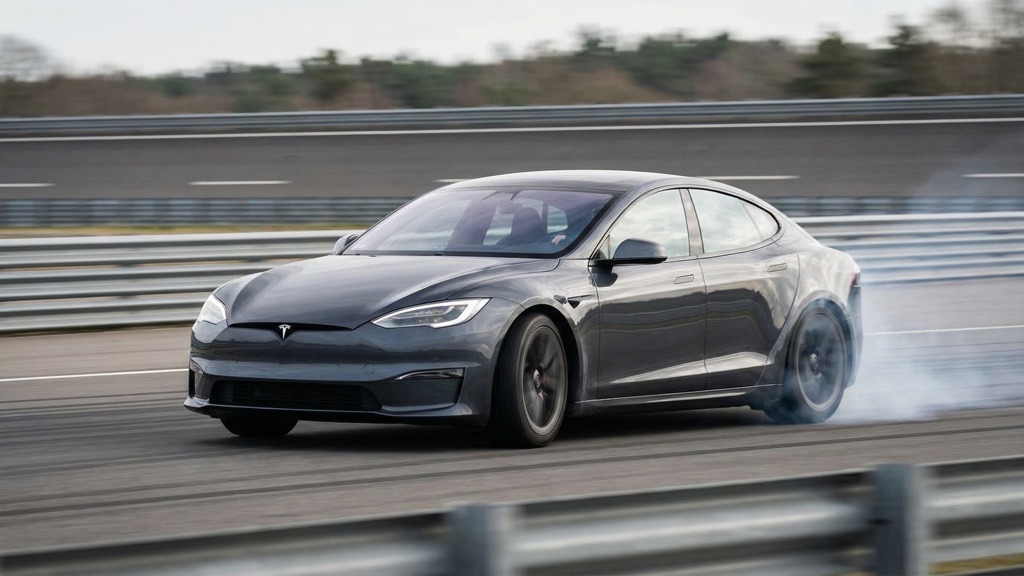
Tesla Model S
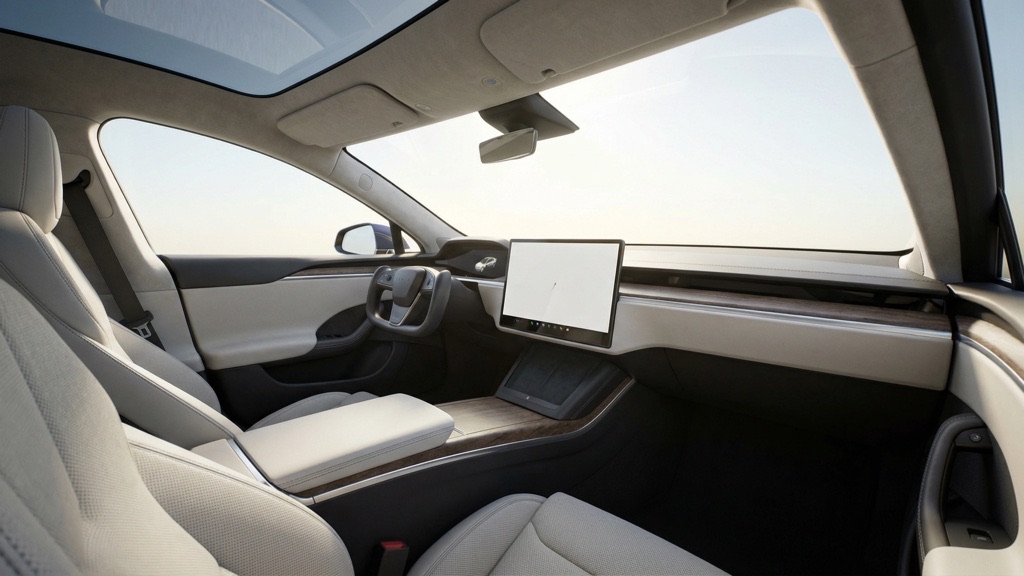
Design language:
- Clean, aerodynamic (Cd ~0.208)
- Minimalist cabin
- 17-inch central landscape screen
- Optional yoke steering
Cargo:
- Large rear hatch
- Practical frunk
- Better total cargo volume than Taycan
Interior feel:
- Modern, tech-focused
- Less tactile hardware
- Improved materials vs early builds
Porsche Taycan
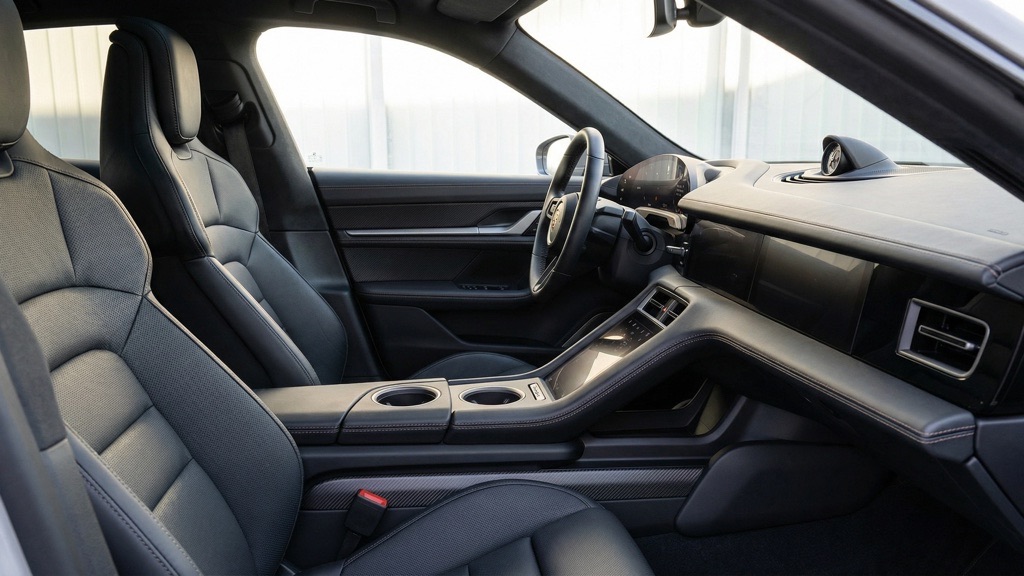
Design language:
- Low, wide stance
- Sport-sedan proportions
- Signature four-point lighting
Interior:
 Reviews
Energica Eva Ribelle Review (2026): The Benchmark Performance Electric Naked Motorcycle?
The performance electric motorcycle segment has matured rapidly. What began as experimental urban commuters is now a legitimate alternative to...
 Reviews
Best Fat Tire E-Bikes 2026 — Complete Buying Guide & Top Picks
Fat tire e-bikes exploded in popularity over the last five years. In 2026, the market is crowded with 750W hub...
 Reviews
2024 Volkswagen ID.4 Review: Powerful Upgrades for VW’s Popular Electric SUV
The Volkswagen ID.4 electric SUV was a sales success in 2023, but it faced increasing competition in the hot EV...
- Curved driver display
- Optional passenger screen
- Premium leather, aluminum, and carbon trims
Cargo:
- Smaller rear trunk
- Smaller frunk
- Less total volume than Model S
Performance Comparison
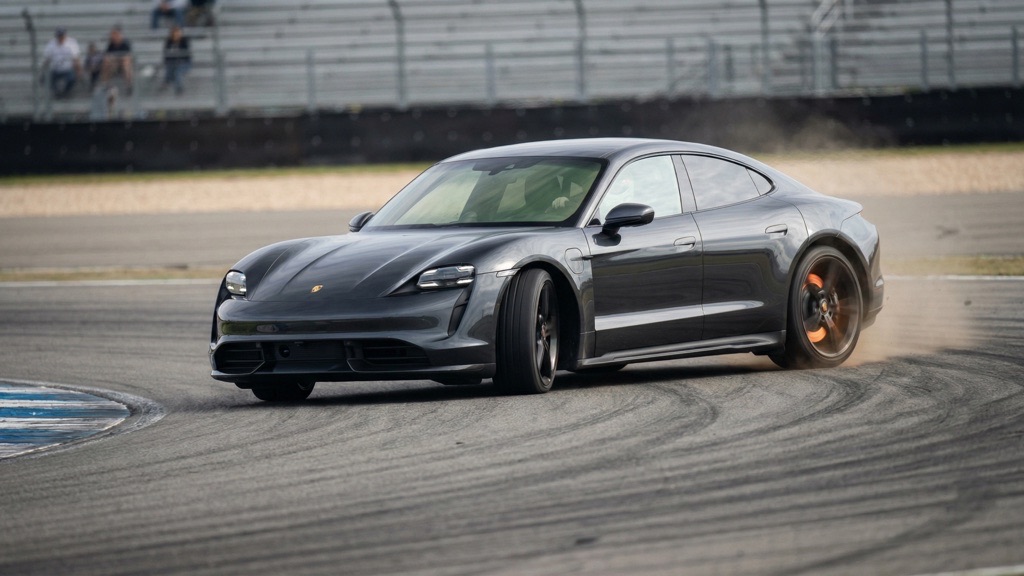
| Metric | Model S Long Range | Model S Plaid | Taycan 4S (2026) | Taycan Turbo S (2026) |
|---|---|---|---|---|
| 0–100 km/h | 3.2 sec | 2.1 sec | 3.7 sec | 2.4 sec |
| 0–200 km/h | ~10.5 sec | ~6.5 sec | ~12 sec | ~9 sec |
| Top Speed | 250 km/h | 322 km/h (with track pack) | 250 km/h | 260 km/h |
| Power | ~670 hp | 1,020 hp | ~590 hp | ~750 hp |
Straight-line dominance: Tesla.
Cornering precision & brake endurance: Porsche.
Charging Analysis: Real-World Data
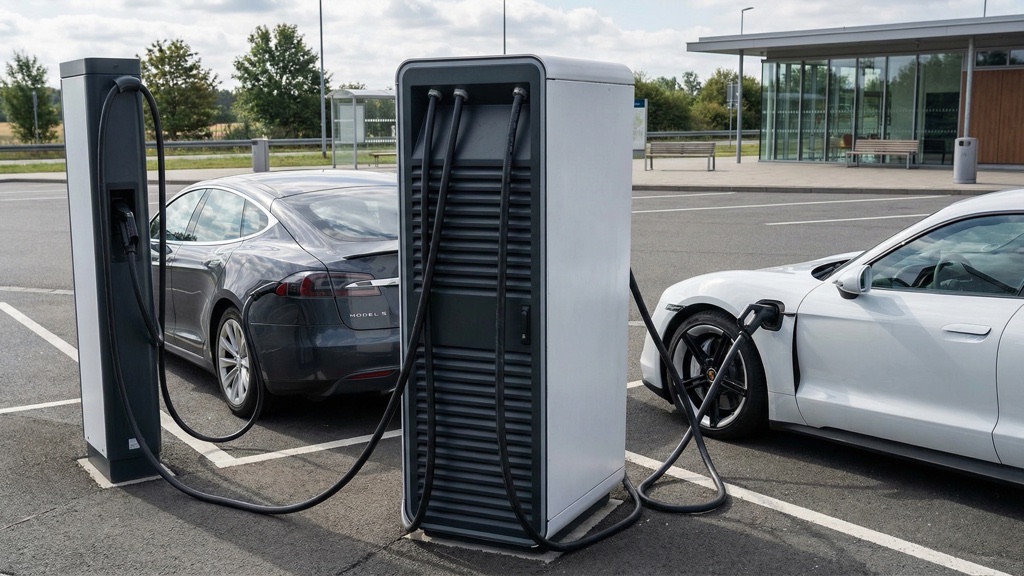
Peak Charging
- Model S: up to 250 kW
- Taycan (facelift): 270–320 kW
Charging Curve Behavior
Model S:
- Peaks near 250 kW briefly
- Holds ~200 kW until ~30%
- Gradual taper after 50%
Taycan:
- Peaks higher (300+ kW)
- Sustains 250+ kW longer
- Tapers aggressively after ~55–60%
10–80% Real-World
| Scenario | Model S | Taycan |
|---|---|---|
| Ideal warm conditions | 25–30 min | 18–22 min |
| Cold weather (no preheat) | 30–40 min | 25–35 min |
| Long highway trip | Very predictable | Charger-dependent |
Important: On road trips, network reliability often matters more than peak kW.
Range & Efficiency
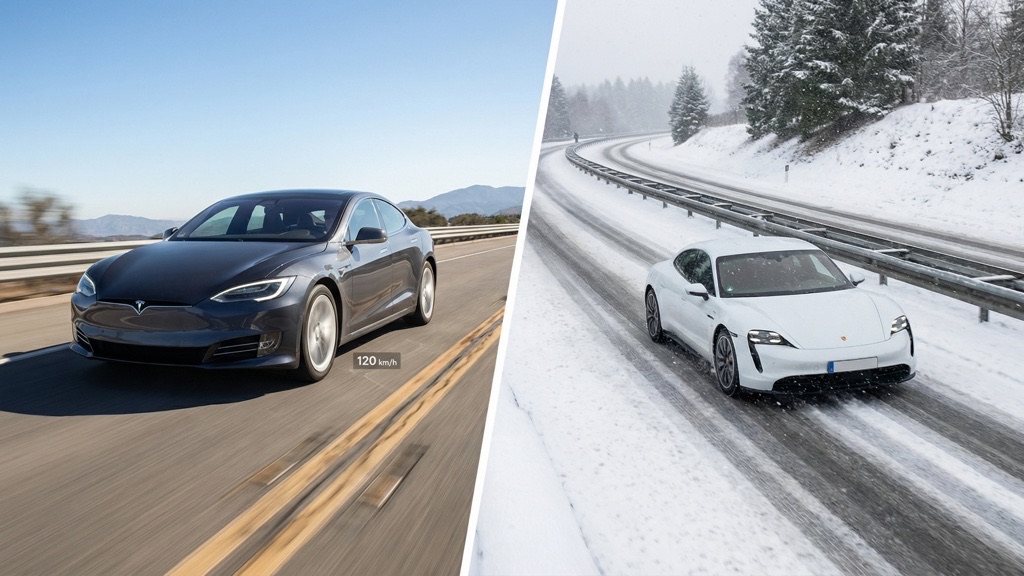
| Driving Scenario | Model S | Taycan |
|---|---|---|
| EPA Rated | 405 mi | ~260–280 mi |
| 120 km/h highway | 520–580 km | 400–450 km |
| Winter highway (-10°C) | 420–480 km | 330–390 km |
Tesla’s aerodynamic efficiency and thermal management give it a measurable advantage.
Total Cost of Ownership (3–5 Years)
| Factor | Model S | Taycan |
|---|---|---|
| Insurance | High | Very High |
| 3-Year Depreciation | 35–45% | 30–40% |
| Service Cost | Low | Medium–High |
| Brake Wear | Low (regen heavy) | Higher (performance bias) |
| Battery Warranty | 8 yrs / 240k km | 8 yrs / 160k km |
Porsche tends to retain brand value slightly better, but options dramatically raise the initial price.
Real-World Ownership Scenarios
1. 800 km Road Trip
Model S:
- More charging stops
- Shorter and more predictable
- Integrated routing simplifies the process
Taycan:
- Fewer stops
- Faster peak charging
- More dependent on charger quality
2. High-Speed Driving
Repeated Autobahn-style runs show:
- Taycan maintains performance consistency
- Model S Plaid may reduce output after repeated hard acceleration
3. Daily Commute
Model S:
- Larger cargo capacity
- Better infotainment fluidity
Taycan:
- More tactile luxury feel
- Slightly tighter cabin
What Is the Main Difference Between Tesla Model S and the Porsche Taycan?
The main difference in the Tesla Model S vs Porsche Taycan comparison is philosophy:
- Model S prioritizes efficiency, software, and ecosystem integration.
- Taycan prioritizes driving precision, braking endurance, and traditional premium craftsmanship.
Both are fast — but they deliver speed differently.
Is the Porsche Taycan Better Than the Tesla Model S?
It depends on priorities.
For driving feel and braking consistency — yes.
For range, charging ecosystem, and software — no.
Objectively, Tesla offers a more usable range.
Subjectively, Porsche offers more emotional engagement.
Competitor Context
Other high-performance electric sedans include:
- BMW i7
- Mercedes-AMG EQE
However, neither matches the range of Model S nor the driving sharpness of Taycan.
Expert Insight
After extensive testing of high-performance EVs across Europe and North America, a pattern emerges:
Buyers transitioning from tech-focused EV ownership overwhelmingly prefer Model S.
Buyers coming from performance sedans like Panamera, M5, or RS7 gravitate toward the Taycan.
The Tesla feels like the future.
The Porsche feels like engineering heritage electrified.
Who Should Buy / Who Should Avoid
Buy Tesla Model S If:
- You prioritize 600+ km highway capability
- You take road trips frequently
- You value software updates
- You want maximum straight-line performance
Avoid Model S If:
- You demand traditional luxury tactility
- You prefer physical controls
Buy Porsche Taycan If:
- Steering feel matters deeply
- You drive aggressively
- You value premium materials
- You want repeatable performance
Avoid Taycan If:
- You need maximum range
- DC fast charging is inconsistent in your region
Final Verdict: Tesla Model S vs Porsche Taycan
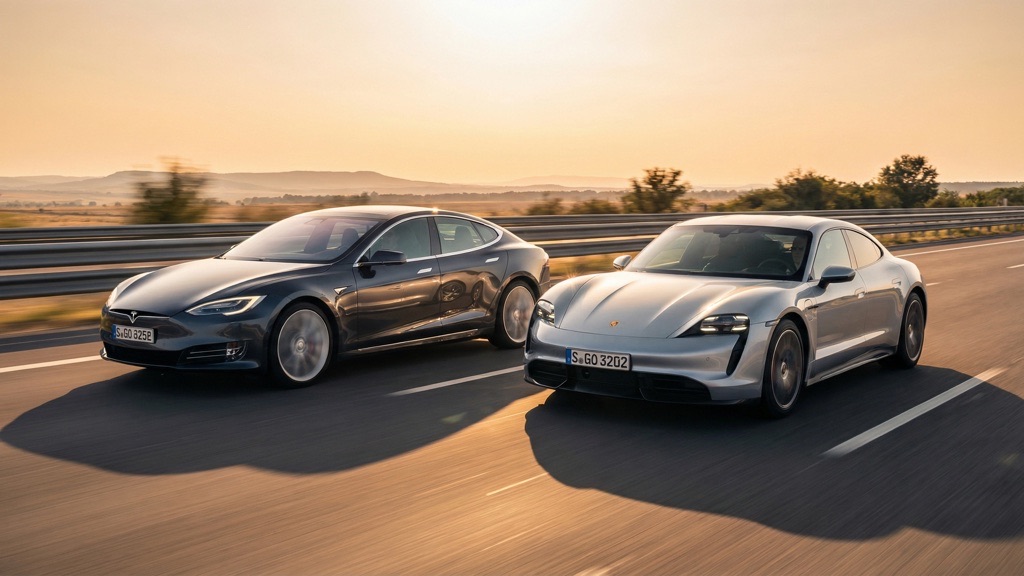
In 2026, the Tesla Model S vs Porsche Taycan decision comes down to priorities.
Choose the Tesla Model S if you want:
- Longest range in class
- Strongest charging ecosystem
- Software-first ownership
- Lower complexity
Choose the Porsche Taycan if you want:
- Sharper steering feel
- Better braking endurance
- Premium craftsmanship
- Traditional sports sedan character
For most long-distance drivers, Model S is the smarter executive EV.
For drivers who value engagement and chassis feedback above all, Taycan remains unmatched.
FAQ — Tesla Model S vs Porsche Taycan
Which is faster: Tesla Model S vs Porsche Taycan?
Model S Plaid is quicker in straight-line acceleration. The Taycan Turbo S feels more stable during repeated high-speed driving.
Which has a better range?
Tesla Model S offers significantly more real-world range than the Porsche Taycan.
Does 800V charging make Taycan superior?
It improves peak charging performance, but real-world road trip times are often similar.
Which is more luxurious?
Porsche Taycan has higher material quality and craftsmanship.
Which is better for daily use?
Model S offers better cargo space, range, and software integration.