
TL;DR
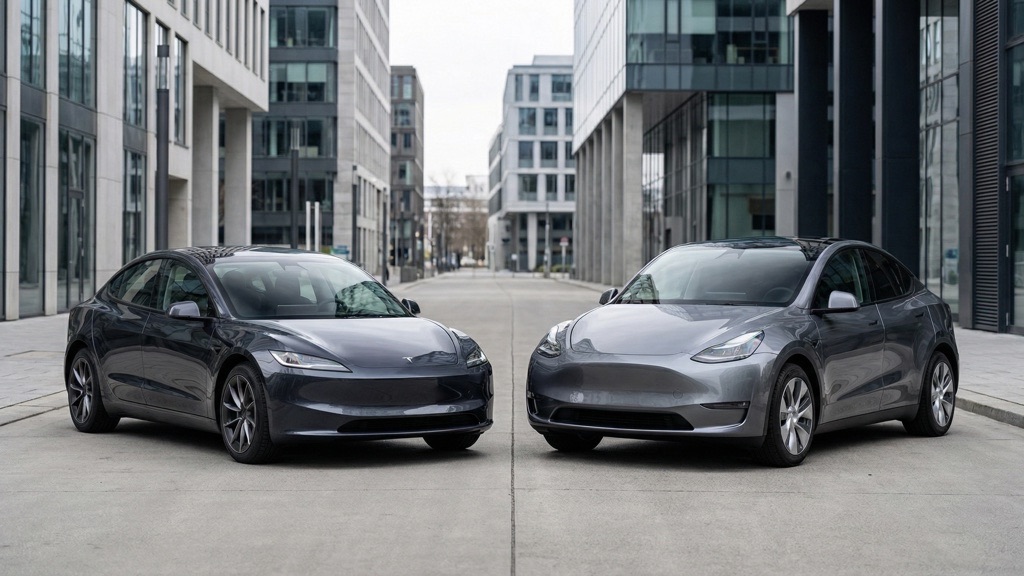
TheTesla Model 3 vs. Model Y decisionn in 2026 comes down to efficiency versus versatility.
Model 3 (Highland) is quieter, sharper to drive, and 5–12% more efficient at highway speeds.
Model Y offers nearly double the cargo space and superior daily practicality.
If you don’t need SUV flexibility, Model 3 is the better value. If you do, Model Y earns its premium every day.
Introduction: Why Tesla Model 3 vs. Model Y Is the Most Important Tesla Choice in 2026
For most EV buyers, choosing between the Tesla Model 3 and the Tesla Model Y is not about brand — it’s about lifestyle.
Both vehicles:
- Share the same core platform
- Use similar battery architectures (LFP or NMC, depending on trim)
- Offer identical software and OTA functionality
- Access the same Supercharger network
Yet real-wThe Model 3 received the major Highland refreshreceived the major Highland refresh, improving:
- NVH (noise, vibration, harshness)
- Suspension tuning
- Aerodynamic optimization
- Maximum efficiency
- Sharper handling
- Updated refinement
- New suspension geometry
- Improved cabin insulation (measurably quieter at 120 km/h)
- Ventilated front seats
- Rear passenger screen
- Interior volume
- Cargo flexibility
- Seating height
- Family usability
- First EV purchase decision
- Upgrade from ICE vehicle
- Family needs evaluation
- Cost vs practicality trade-off
- $3,000–$6,000 depending on configuration and market
- 8–12% higher highway consumption for Model Y
- Shorter real-world range at sustained speeds
- Drives ~480 km before first stop
- 10–80% recharge in ~27 min
- Arrives with ~12% buffer
- Drives ~430–450 km before first stop
- Similar 10–80% charging time
- Arrives with ~5–8% buffer
- Peak around 250 kW (V3 Superchargers)
- Typical 10–80% time: 25–30 minutes
- Precondition the battery automatically
- Can be charged to 100% daily
- Lower degradation stress
- Slightly lower energy density
- Higher range
- Best longevity between 10–80%
- Slightly better cold-weather output
- ~5% first 2 years
- ~10–12% by 150,000 km
- 3–4 carry-on suitcases
- Medium stroller (tight fit)
- Full-size stroller
- 4–5 suitcases
- Sports equipment
- IKEA flat packs
- Lower center of gravity
- Reduced body roll
- Sharper steering
- More composed at high speeds
- Higher seating position
- Slightly softer suspension tuning
- More vertical body movement
- Lower cabin noise at highway speeds
- Improved ride compliance
- More refined materials
- Updated lighting and design
- Software ecosystem
- Charging network integration
- Frequent OTA updates
- Strong resale performance
- You prioritize range per dollar
- You drive long highway distances
- You want sharper handling
- You prefer sedan proportions
- You value the Highland updates
- You have children
- You transport bulky items
- You prefer higher seating
- You value cargo flexibility
- You want SUV practicality
The Model Y remains Tesla’s global volume leader
The Model Y remains Tesla’s global volume leader, but in most markets, it has not yet received a comparable full redesign.
This guide goes beyond specs — we analyze efficiency, charging curves, battery chemistry, winter performance, ownership cost, and long-term value.
Section 1 — What They Are
Tesla Model 3 (Highland)
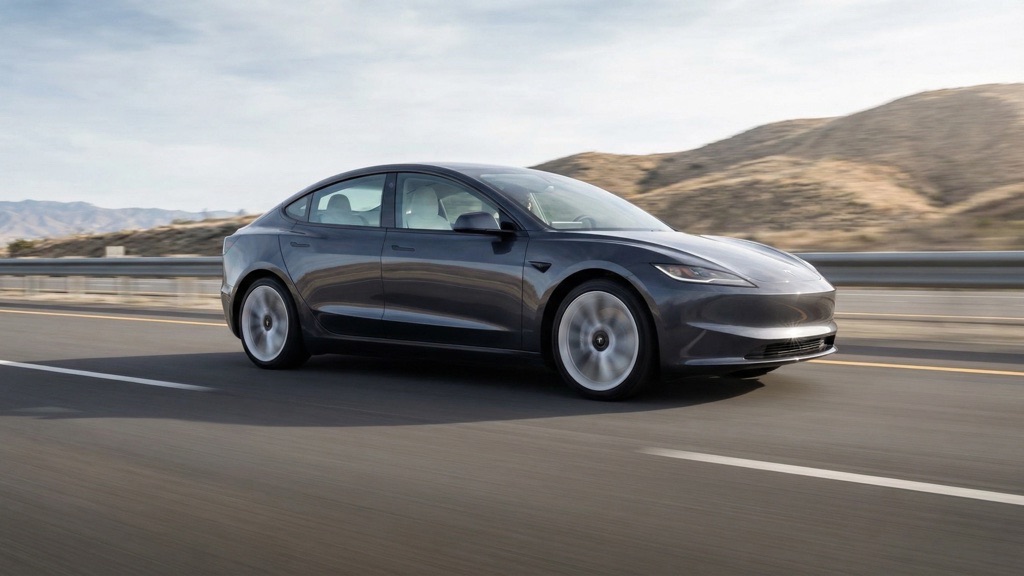
Body type: Compact sedan
Drag coefficient: ~0.219–0.22 Cd
Curb weight: ~1,760–1,825 kg
Key priorities:
Available Versions
| Version | Drivetrain | Battery | Focus |
|---|---|---|---|
| RWD | Single Motor | LFP | Value, city efficiency |
| Long Range AWD | Dual Motor | NMC | Balanced range & performance |
| Performance AWD | Dual Motor | NMC | Maximum acceleration |
Highland improvements include:
Tesla Model Y
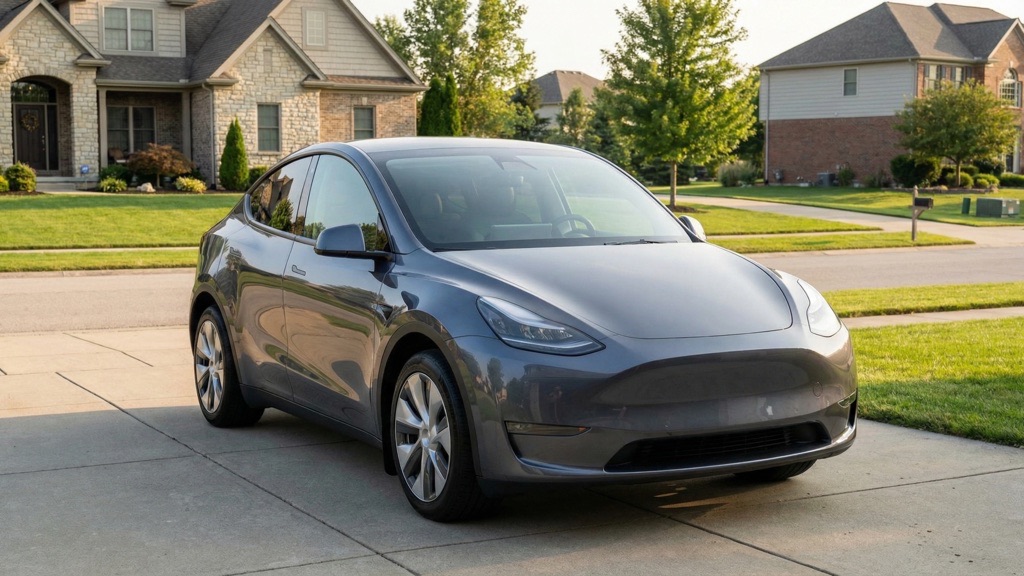
Body type: Compact crossover SUV
Drag coefficient: ~0.23 Cd
Curb weight: ~1,950–2,050 kg
Key priorities:
Available Versions
| Version | Drivetrain | Battery | Focus |
|---|---|---|---|
| RWD (some markets) | Single Motor | LFP or NMC | Entry SUV |
| Long Range AWD | Dual Motor | NMC | Most popular configuration |
| Performance AWD | Dual Motor | NMC | Fast family SUV |
Section 2 — Why This Comparison Matters
Search intent behind Tesla Model 3 vs. Model Y typically includes:
Typical price gap:
Because the drivetrain tech is nearly identical, the real decision revolves around:
Aerodynamic efficiency vs packaging flexibility.
Section 3 — Efficiency & Real-World Range
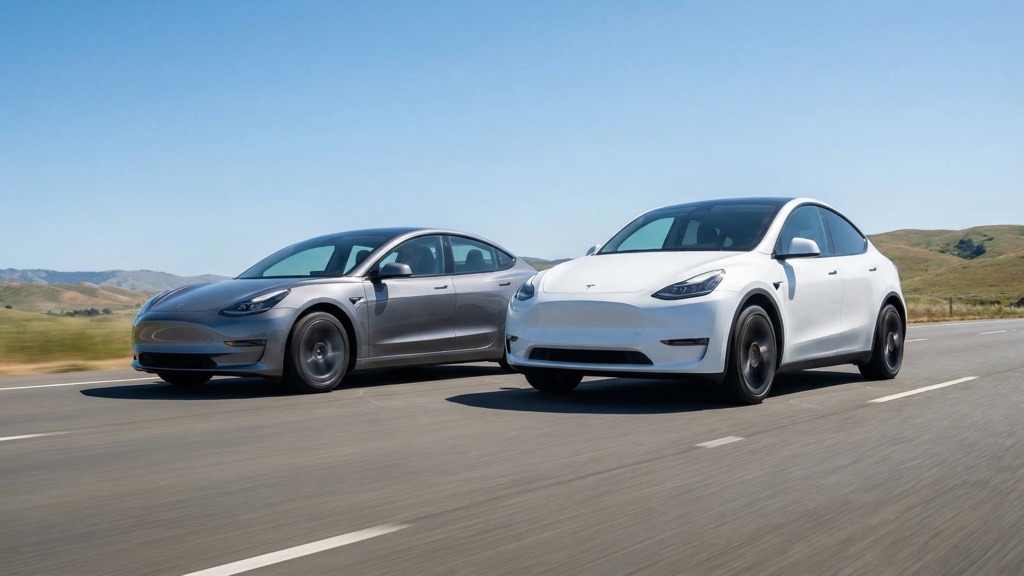
Aerodynamic Reality
The 0.01 Cd difference, combined with a greater frontal area, results in:
 Reviews
Zeekr 007 (2025) vs Nio ES6 (2024): What China’s New-Generation Electric Crossovers Can Do
China’s electric vehicle market continues to evolve at an extraordinary pace, and new models from Zeekr and NIO clearly show...
 Reviews
Tromox M05 “Electric Latte” Review — The Stylish Urban EV That Looks Like a Motorcycle but Rides Like an E-Moto
Electric two-wheelers are evolving fast, but few new models spark as much curiosity as the Tromox M05, better known by...
 Reviews
EV Ownership Costs Explained (2026): Real Total Cost vs Gas — With Actual 5-Year Math
Most buyers still ask the wrong question: “How much does it cost to charge an EV?” The real question is:...
Real-World Highway Test (120 km/h)
| Model | Consumption | Real Highway Range |
|---|---|---|
| Model 3 LR | 14–16 kWh/100 km | ~470–500 km |
| Model Y LR | 16–19 kWh/100 km | ~420–450 km |
Over long distances, this difference compounds.
600 km Road Trip Scenario
Starting at 100% charge
Model 3 LR:
Model Y LR:
Both complete the trip with one charging stop, but Model 3 maintains more range margin.
Section 4 — Charging & Battery Chemistry
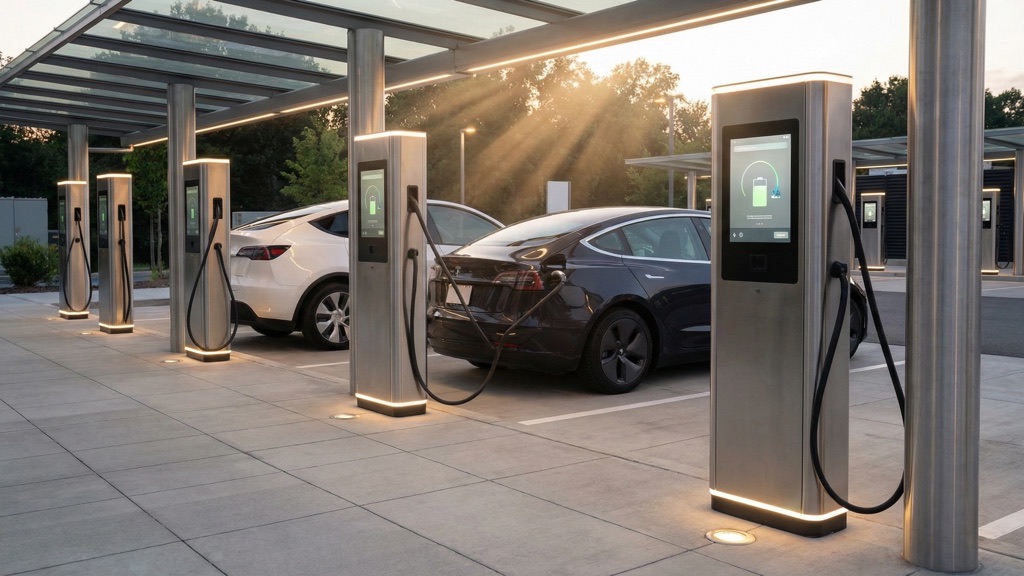
Charging Speed
Both vehicles:
Charging curves are nearly identical when using the same NMC pack.
LFP vs NMC
LFP (RWD variants)
NMC (Long Range / Performance)
Expected degradation:
No meaningful difference between Model 3 and Model Y in degradation patterns.
Section 5 — Interior & Practicality
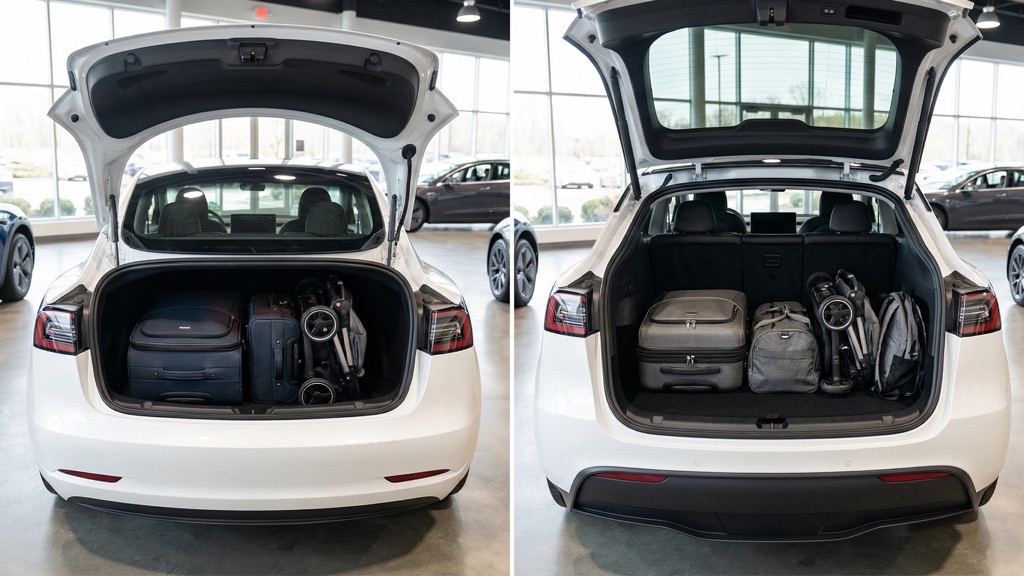
Cargo Capacity
| Configuration | Model 3 | Model Y |
|---|---|---|
| Seats Up | ~425 L | ~854 L |
| Seats Folded | Limited | SUV-level expansion |
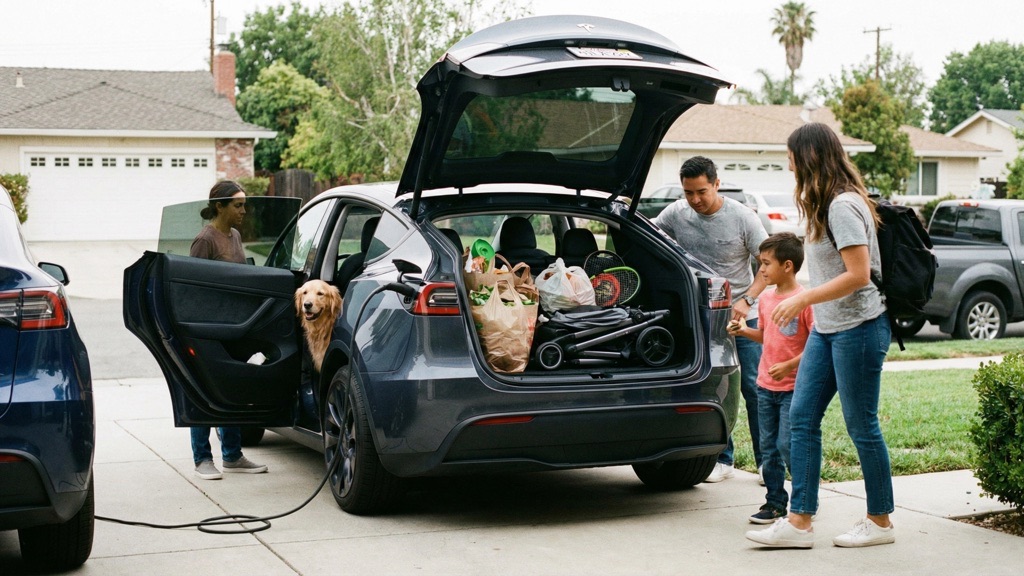
Model Y nearly doubles usable cargo space.
Real-World Loading Test
Model 3 fits:
Model Y fits:
For families, Model Y offers better flexibility dramatically.
Section 6 — Driving Dynamics
Model 3
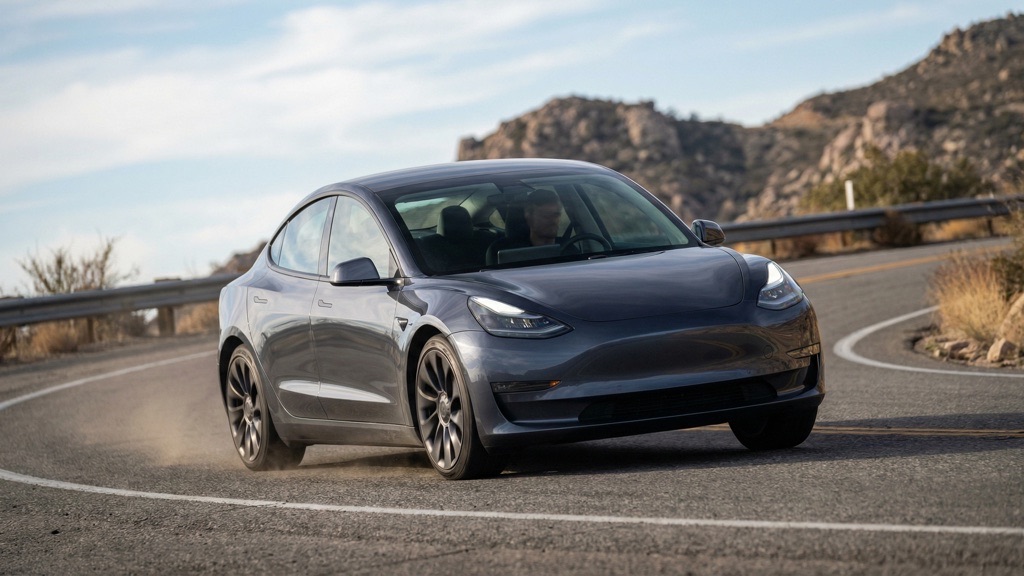
Feels closer to a sports sedan.
Model Y
Comfort-oriented rather than dynamic.
Performance trims in both vehicles are extremely quick, but the Model 3 Performance feels more planted.
Section 7 — Total Cost of Ownership
Assuming 20,000 km/year and $0.15/kWh:
| Category | Model 3 LR | Model Y LR |
|---|---|---|
| Annual Energy | ~3,000 kWh | ~3,500 kWh |
| Energy Cost | ~$450 | ~$525 |
| Tire Wear | Moderate | Higher |
| Insurance | Lower | Slightly Higher |
5-year energy delta: ~$375–$600
Insurance and tires increase the gap further.
Model 3 generally offers lower long-term operating costs.
Section 8 — Highland vs. Current Model Y
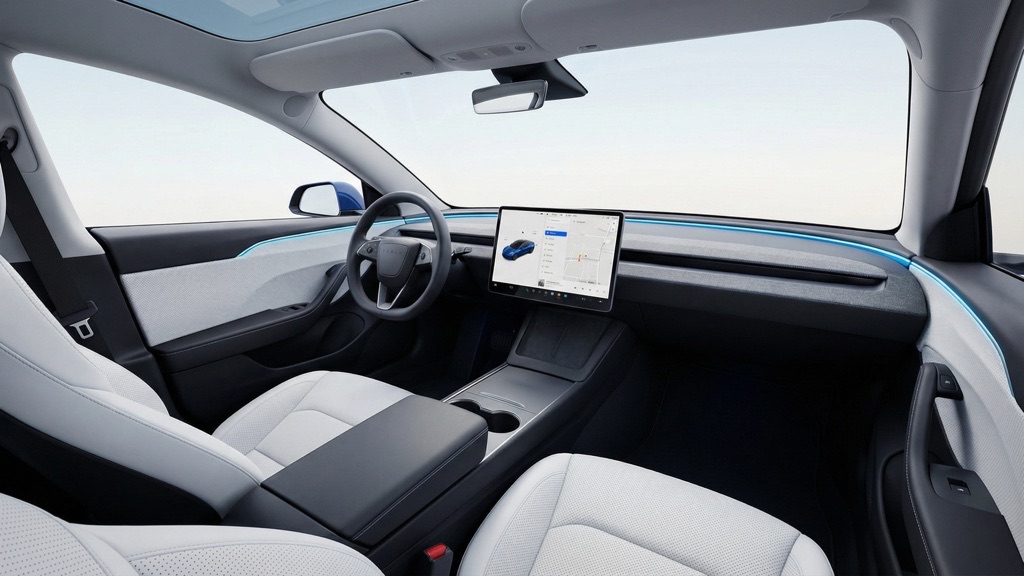
The Highland refresh gives Model 3 measurable advantages:
Until Model Y receives a similar refresh, Model 3 currently feels like the more modern product.
However, Model Y still wins in space efficiency.
Section 9 — Competitor Context
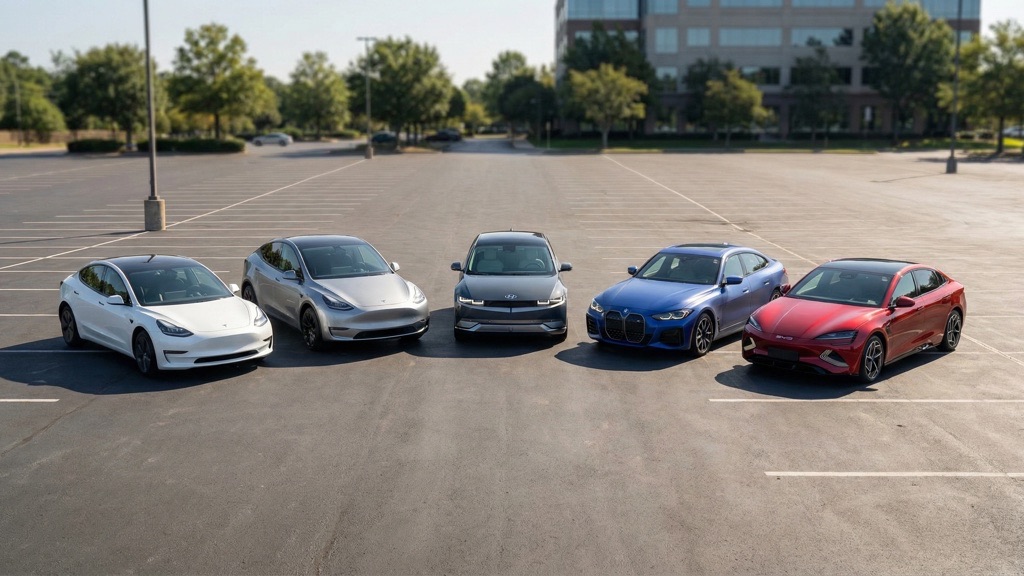
| Model | Range (EPA) | DC Peak | Cargo |
|---|---|---|---|
| Tesla Model 3 | 341 mi | 250 kW | 425 L |
| Tesla Model Y | 330 mi | 250 kW | 854 L |
| Hyundai Ioniq 5 | 303 mi | 235 kW | 531 L |
| BMW i4 | 301 mi | 205 kW | 470 L |
| BYD Seal | 354 mi (WLTP) | ~150 kW | 400 L |
Tesla advantage:
Section 10 — Expert Insight
From a platform engineering perspective, the difference between Tesla Model 3 vs. Model Y is primarily an aerodynamic penalty versus a packaging advantage.
The efficiency gap is almost entirely due to increased frontal area and ride height.
Both vehicles use nearly identical battery and motor technology. The real choice is how you prioritize space versus energy efficiency.
Section 11 — Who Should Buy Which?
Choose Model 3 If:
Choose Model Y If:
Final Verdict: Tesla Model 3 vs. Model Y
In 2026, the Tesla Model 3 vs. Model Y decision is not about technology — it’s about priorities.
Model 3 is the efficiency leader and currently the more refined vehicle, thanks to the Highland update.
Model Y is the practical choice, offering space and versatility that many buyers use every day.
If you don’t need the space, Model 3 is the smarter long-term value.
If your lifestyle demands flexibility, Model Y justifies its higher consumption and price.
Choose based on use case — not hype.
FAQ
Is the Tesla Model 3 better than the Model Y?
For efficiency and driving dynamics — yes. For practicality and cargo capacity, Model Y is better.
Which has more range?
Model 3 typically delivers 10–20 km more EPA range due to superior aerodynamics.
Is Model Y worth $5,000 more than Model 3?
If you regularly use the extra cargo space, yes. Otherwise, Model 3 provides better cost efficiency.
Do they charge at the same speed?
Yes. Both peak near 250 kW on compatible Superchargers.
Which Tesla holds value better?
Historically, both maintain strong resale, but Model Y benefits from SUV demand trends.