TL;DR
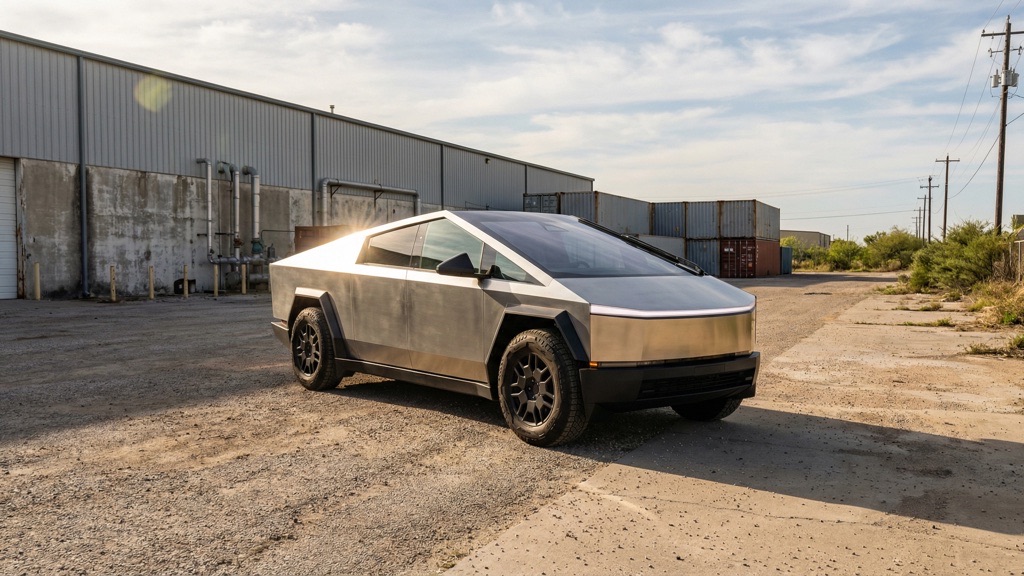
Tesla Cybertruck problems in 2026 are largely early-production quality issues, repair cost complexity, and first-generation software calibration — not structural battery or powertrain failures.
The truck delivers extreme performanceadvanced electrical architecturere, and OTA-driven refinement.
Best for tech-oriented early adopters with nearby Tesla service access.
Less ideal for fleet buyers or owners expecting traditional truck simplicity.
Introduction: Why Tesla Cybertruck Problems Matter in 2026
Tesla Cybertruck problemsuck problems consistently ranks among the most searched EV truck queries. That reflects one realithe most radical production pickupction pickup in decades.
The Tesla Cybertruck, built at Tesla’s Gigafactory Texas, was introduced:
- Stainless steel exoskeleton
- 48V low-voltage architecture
- Steer-by-wire system
- Structural battery pack
- 800V-class charging
This is not a modified Tesla Model Y platform.
It is a clean-sheet engineering approach.
And clean-sheet vehicles always show early maturity issues.
This guide analyzes real-world data, recalls, ownership costs, 5-year battery projections, engineering trade-offs, and whether Cybertruck problems are serious in 2026.
What Tesla Cybertruck Problems Actually Include
“Problems” fall into six categories:
- Early panel fitment inconsistencies
- Software integration bugs
- High repair and insurance costs
- Efficiency under towing
- Service network limitations
- First-generation architecture learning curve
Importantly, most issues are refinement-related — not systemic mechanical failures.
Official Recalls & What Has Improved Since Launch
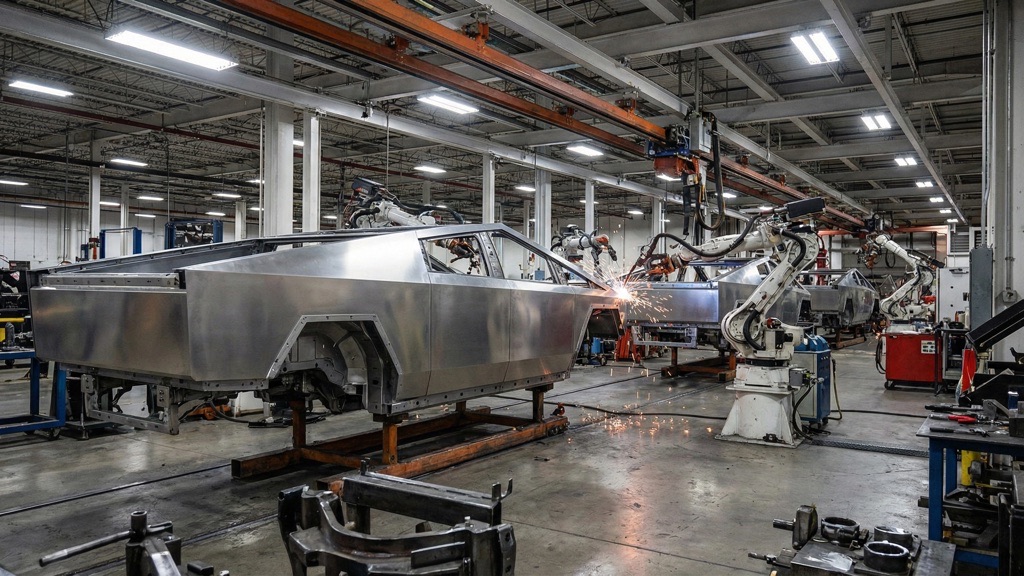
Early 2024 production units experienced limited corrections, including:
- Accelerator pedal trim detachment (corrected via recall)
- Wiper motor calibration update
- Software-driven Autopilot behavior refinements
- Minor panel alignment corrections
Since launch:
- Steering calibration improved via OTA
- UI stability significantly improved
- Charging curve optimized for more consistent peak sessions
- Panel fit consistency improved on 2026 builds
There have been no large-scale battery pack defect trends or widespread drivetrain failures reported as of 2026.
That distinction matters.
Top 7 Tesla Cybertruck Problems in 2026
1. Stainless Steel Panel Alignment
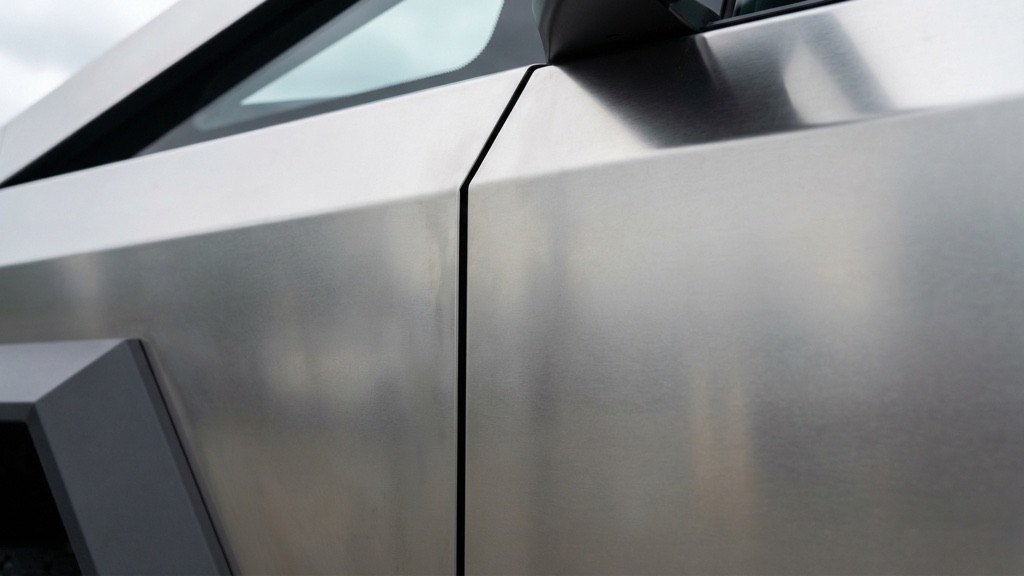
- Visible panel gaps
- Reflection distortion due to flat surfaces
- Sharp edge concerns
- Cosmetic imperfection visibility
Unlike painted aluminum (used in Ford F-150 Lightning), stainless steel cannot be blended or repainted easily. Damaged panels often require replacement.
2. Repair Costs & Insurance Premiums
Early collision data suggests:
| Repair Type | Estimated Cost |
|---|---|
| Minor panel replacement | $2,500–$4,000 |
| Major body repair | $8,000–$15,000 |
| Structural battery damage | Potential total loss |
Insurance premiums often run 10–25% higher than:
- Rivian R1T
- F-150 Lightning
Limited certified stainless repair centers drive cost upward.
3. Weight & Real-World Efficiency
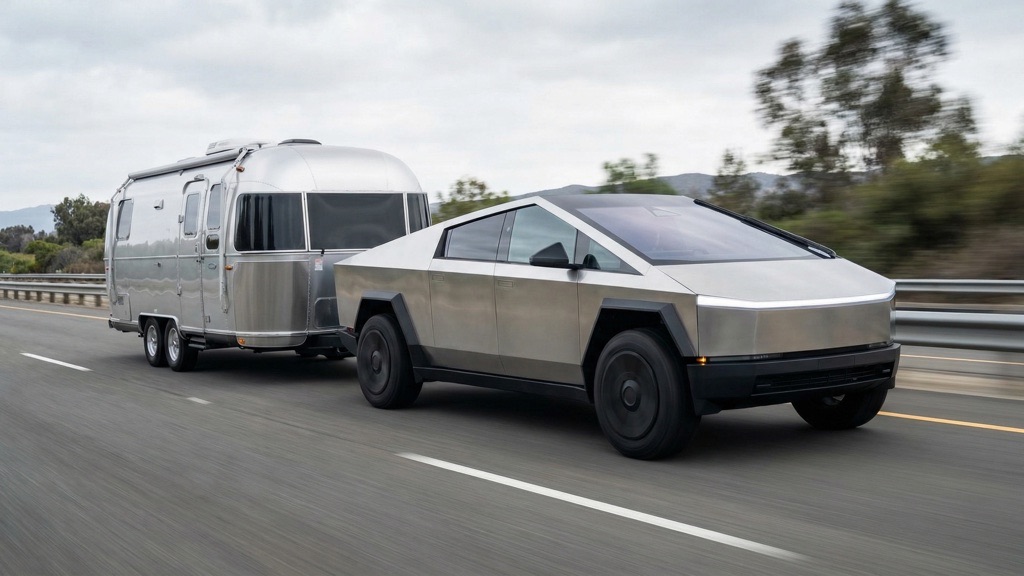
Dual Motor weight: 3,000+ kg.
Real-world efficiency:
- 28–32 kWh / 100 km (normal highway)
- 40–55 kWh / 100 km (towing)
Towing can reduce range by 40–50%.
Heavy stainless construction increases mass but improves dent resistance.
 Reviews
Tesla’s Real Battery Life: Advantages, Risks, and What Buyers Must Know in 2026
TL;DR Tesla’s Real Battery Life typically exceeds 300,000–500,000 km, with most vehicles losing only 10–15% capacity after 200,000 km. Modern...
 Reviews
Tesla’s Main Problems: Advantages, Risks and What Buyers Must Know in 2026
TL;DR Tesla builds some of the most efficient and software-advanced EVs on the market. But Tesla’s main problems in 2026...
 Cars
Cars
Tesla Model 3 vs BMW i4 (2026): Range, Charging, Price & Verdict
TL;DR (Quick Verdict) Choose the Tesla Model 3 if you want superior range, faster charging, lower price. Choose the BMW...
4. Steer-by-Wire Adaptation
No mechanical steering column.
Engineering benefits:
- Reduced mechanical components
- Adjustable steering ratio
- Simplified crash packaging
Risks:
- Software-dependent tuning
- Learning curve for traditional drivers
Redundant motor systems ensure fail-safe operation.
5. 48V Electrical Architecture Complexity
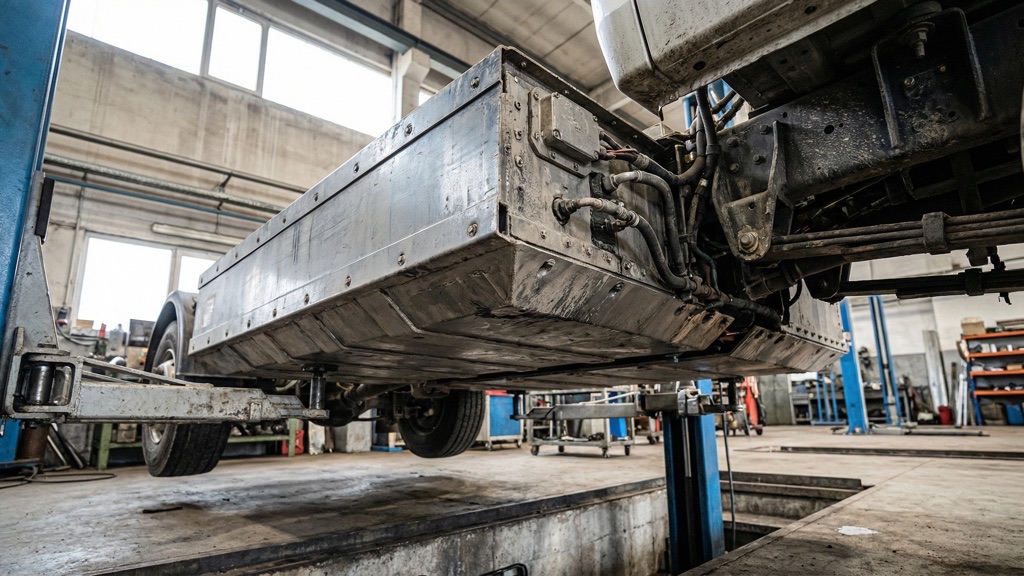
Cybertruck moves from traditional 12V to 48V systems.
Advantages:
- Lower current → reduced resistive heat loss
- Thinner wiring harnesses
- Potentially fewer voltage drops
Challenges:
- New supplier ecosystem
- Limited historical durability data
- Higher integration complexity in early builds
Long term, this architecture may prove more reliable than legacy 12V systems.
6. Structural Battery Repair Complexity
The structural pack increases torsional rigidity and simplifies assembly.
However:
- Severe underbody impact can complicate repair
- Pack integration makes certain collision scenarios more expensive
So far, no abnormal pack degradation patterns have been reported.
7. Service Network Density
Tesla service centers remain fewer than legacy truck dealer networks.
Outside North America, support density becomes a decisive factor.
Technical Overview
| Specification | Cybertruck Dual Motor |
|---|---|
| Power | ~600 hp |
| 0–100 km/h | ~4.1 sec |
| Battery | ~123 kWh usable (est.) |
| EPA Range | 547 km |
| Real Highway | 450–500 km |
| Charging Peak | 250 kW |
| Architecture | 800V-class |
| Low Voltage | 48V |
| Weight | 3,000+ kg |
Tri-Motor “Cyberbeast” produces ~845 hp with higher consumption.
5-Year Battery Degradation Forecast
Based on Tesla fleet trends from Model S, 3, and Y platforms:
| Year | Expected Capacity |
|---|---|
| Year 1 | 97–98% |
| Year 3 | 93–95% |
| Year 5 | 88–92% |
Heavy towing increases cycle depth, but structural rigidity may reduce long-term stress.
No abnormal degradation patterns observed in early fleet data.
5-Year Ownership Cost Projection (20,000 km/year)
| Category | Estimate |
|---|---|
| Depreciation | $25,000–$35,000 |
| Insurance | $10,000–$14,000 |
| Electricity | $6,000–$8,000 |
| Tires | $5,000–$7,000 |
| Maintenance | $2,000–$3,000 |
| Total | ~$48,000–$67,000 |
Comparable to premium gasoline trucks at similar price levels.
What Happens If You Crash a Cybertruck?
Worst-case ownership scenario:
- Major side impact damaging stainless structure
- Pack housing compromise
- Limited certified repair shops
Possible outcome:
Insurance write-off due to repair complexity.
This is not common, but risk exposure is higher than in conventional aluminum-body trucks.
Is Cybertruck a Good Daily Driver?
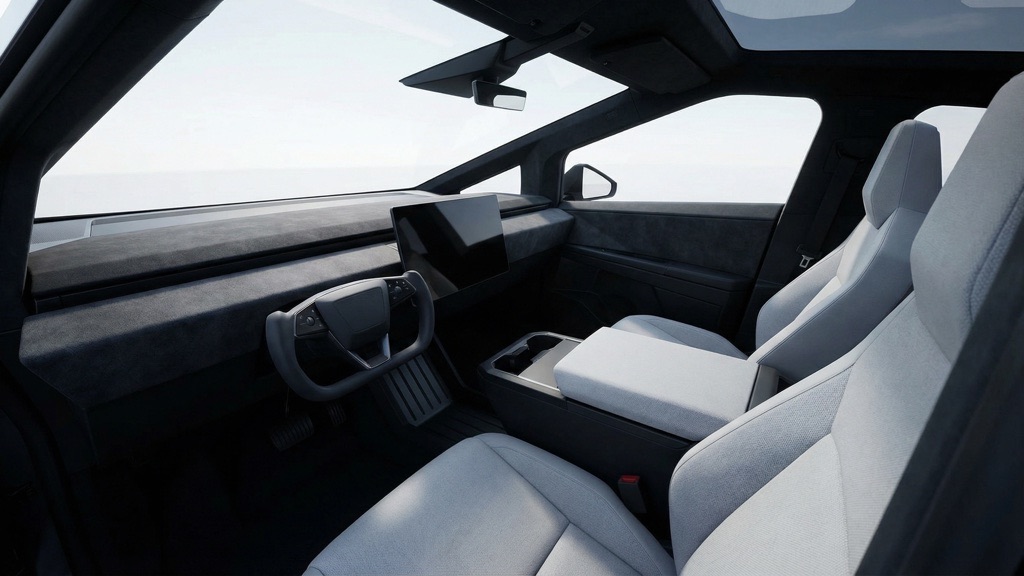
Yes — with caveats.
Daily use strengths:
- Smooth air suspension
- Massive cabin space
- Strong infotainment stability (2026 builds)
- Access to Tesla Supercharger Network
Challenges:
- Wide body in urban parking
- Higher tire wear
- Stainless exterior upkeep
For urban-only users, smaller Teslas may be more practical.
Cybertruck vs Competitors

| Feature | Cybertruck | F-150 Lightning | Rivian R1T |
|---|---|---|---|
| Steering | Steer-by-wire | Mechanical | Mechanical |
| Body | Stainless steel | Aluminum | Aluminum |
| OTA Depth | Very High | Moderate | High |
| Repair Complexity | High | Moderate | High |
| Efficiency (Highway) | Moderate | Moderate | Slightly better |
Cybertruck remains the most radical — and most polarizing.
Expert Insight: Are Tesla Cybertruck Problems Serious?
From an engineering perspective, most Tesla Cybertruck problems are first-cycle production maturation issues.
The 48V shift reduces electrical losses.
The structural battery increases rigidity.
Steer-by-wire simplifies mechanical architecture.
However, validation compression on the new architecture inevitably exposes early calibration inconsistencies.
Historically, Tesla platforms stabilize significantly 18–24 months after launch.
2026 production shows measurable refinement over initial deliveries.
Who Should Buy
✔ Tech-focused drivers
✔ Buyers with nearby Tesla service
✔ Moderate towing users
✔ Early adopters are comfortable with innovation
Who Should Avoid
✖ Fleet operators
✖ Remote-area owners
✖ Heavy long-distance towing users
✖ Buyers are sensitive to cosmetic imperfections
Final Verdict: Are Tesla Cybertruck Problems a Dealbreaker?
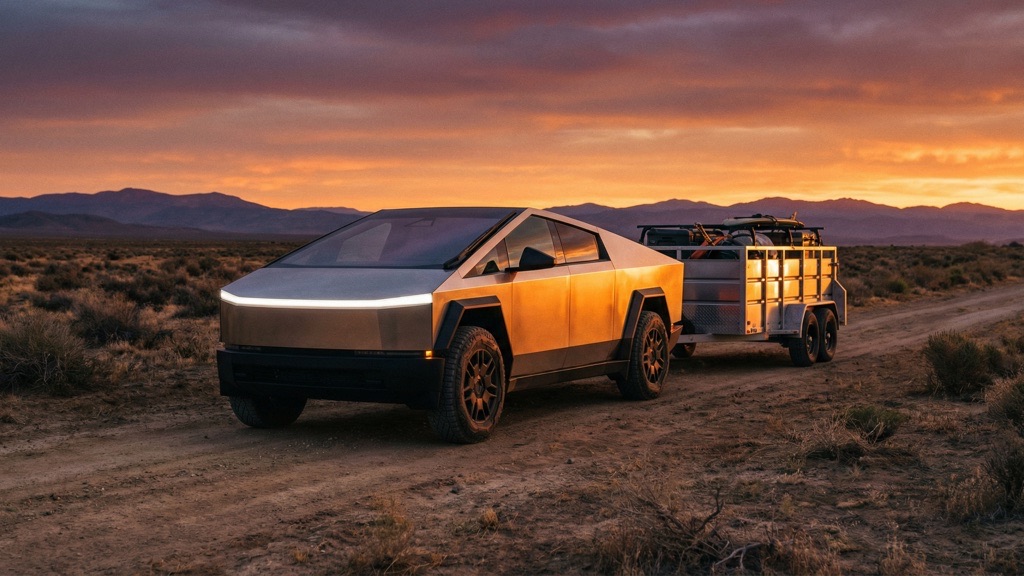
The Tesla Cybertruck problems narrative reflects the reality of a first-generation, radically engineered vehicle — not systemic failure.
By 2026, software instability has largely stabilized, production consistency has improved, and no major battery defect patterns have emerged.
However:
- Repair costs remain high
- Insurance premiums exceed segment averages
- Ownership complexity is above that of traditional trucks
If you want the most technologically advanced electric pickup available today, Cybertruck delivers unmatched innovation.
If you prioritize proven simplicity and lower risk exposure, conventional EV trucks may feel safer.
Cybertruck is no longer experimental.
But it remains bold — and ownership requires informed expectations.
FAQ: Tesla Cybertruck Problems (2026)
Are Tesla Cybertruck problems serious?
Most Tesla Cybertruck problems are refinement and cost-related — not structural powertrain failures.
Is Cybertruck reliable long-term?
Early fleet trends suggest standard Tesla battery durability (around 90% capacity after 5 years), but long-term heavy-use data remains limited.
Does stainless steel increase repair costs?
Yes. Stainless panels cannot be blended like painted aluminum, increasing replacement cost.
How expensive is Cybertruck insurance?
Typically 10–25% higher than comparable electric pickups due to repair complexity.
Is steer-by-wire safe?
Yes. It includes redundant motor systems and regulatory compliance safeguards.
Should I wait for a later model year?
If maximum refinement matters more than early innovation, waiting for 2027 production may reduce minor quality risks.