Electric motorcycles have reached a turning point in 2026. Buyers are no longer impressed by peak power numbers alone — real-world range, battery longevity, charging practicality, and total cost of ownership now define whether an electric motorcycle actually makes sense.
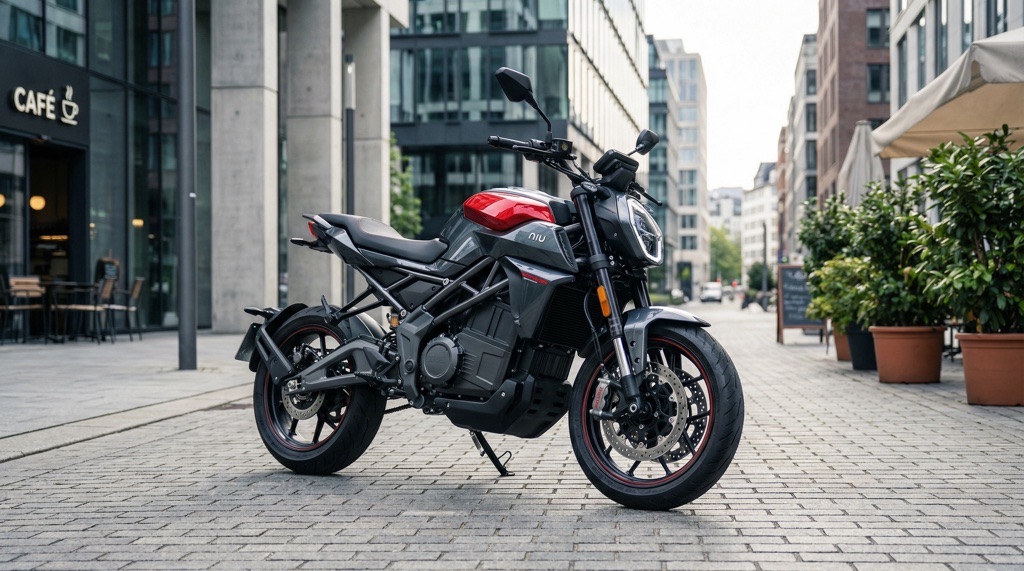
The NIU RQi Sport is one of the clearest examples of this shift. Instead of chasing performance figures, NIU focused on daily usability, removable batteries, and low running costs — targeting urban riders who want an electric motorcycle that works every single day.
This in-depth review is written for commuters, first-time electric motorcycle buyers, and riders comparing electric vs gasoline motorcycles in 2026.
TL;DR
Best for: Urban commuting, short suburban trips, beginner riders
Real-world range: 90–110 km (55–68 miles) city
Key strength: Dual removable batteries + very low ownership costs
Main drawback: Limited sustained highway performance
Verdict: One of the smartest urban electric motorcycles you can buy in 2026
Overview
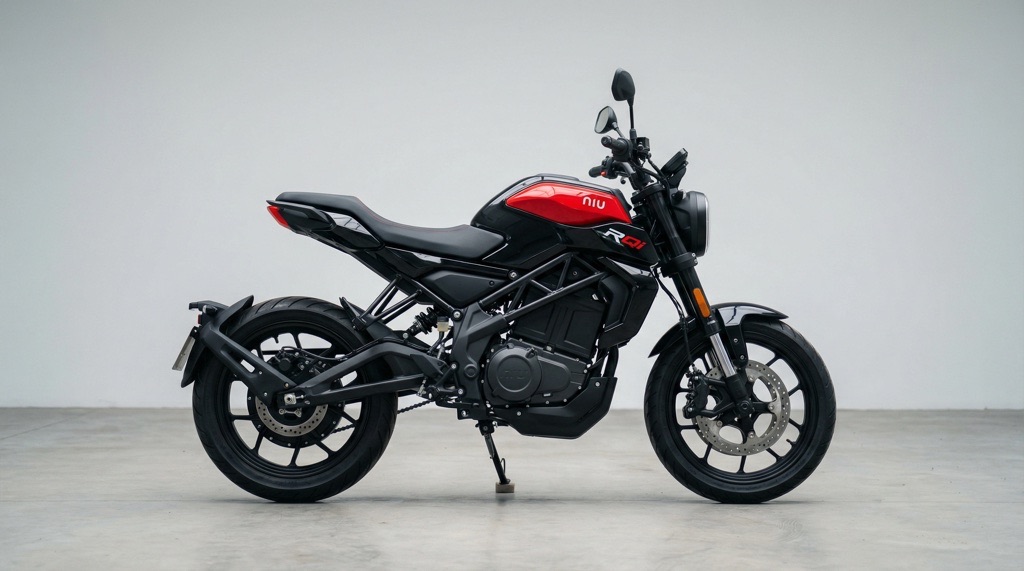
The NIU RQi Sport is a full-size urban electric motorcycle, positioned above electric scooters but below high-performance electric bikes from Zero or LiveWire.
It is designed for:
- Daily city commuting
- Riders upgrading from 125cc gasoline motorcycles
- Apartment dwellers who cannot rely on public fast charging
Unlike many competitors, the RQi Sport prioritizes efficiency, simplicity, and longevity over outright acceleration or top speed.
Key Specifications
| Specification | NIU RQi Sport |
|---|---|
| Peak motor power | 7.5 kW |
| Real-world range | 90–110 km (city) |
| Battery type | Dual removable lithium-ion |
| Battery capacity | ~5.2 kWh total |
| Charging time | ~4–5 h per battery |
| Weight | ~186 kg (410 lbs) |
| Top speed | ~100 km/h (62 mph) |
| Category | Urban electric motorcycle |
Real-World Performance & Riding Experience
Acceleration & City Riding
In real traffic, the RQi Sport feels quicker than most 125cc gasoline motorcycles from 0–50 km/h. Instant torque makes traffic lights and gaps effortless, while smooth throttle tuning prevents jerky responses — ideal for new riders.
Regenerative braking is noticeable in dense city traffic and meaningfully improves efficiency during stop-and-go riding.
Highway & Suburban Use
The RQi Sport can reach highway speeds, but it is not designed for sustained high-speed riding. Above 80–85 km/h, acceleration tapers off, and range drops quickly.
Best use case: short highway connectors, not long-distance cruising.
 Reviews
Electric vs Gas Motorcycle: Real Ownership Comparison (2026)
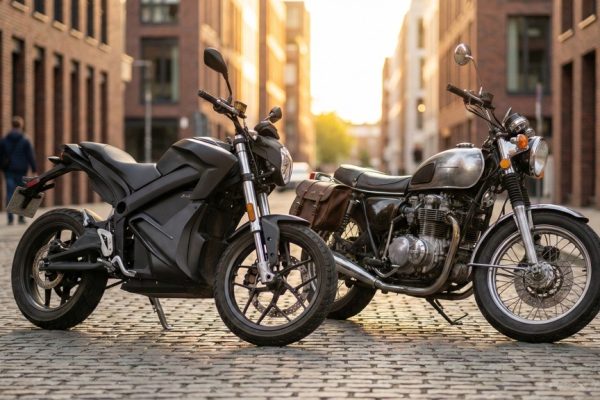
TL;DR (For Busy Riders) Electric wins for daily commuting, low running costs,smooth city ridingiding. Gas wins for long-distance freedom, instant...
 Reviews
Vmoto Stash Review (2024): Electric Performance, Range & Rider Verdict
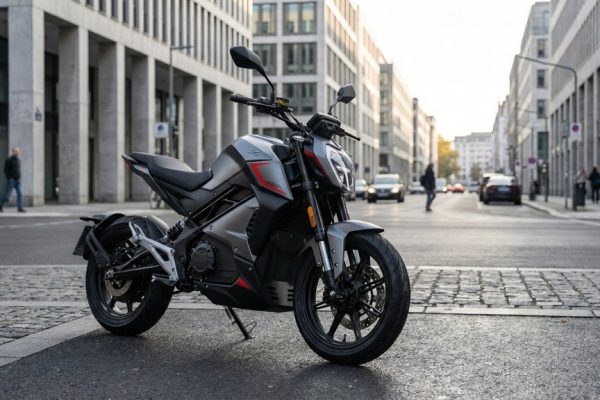
INTRODUCTION The Vmoto Stash is a city-first electric motorcycle designed for riders who want sportbike styling without clutch work, engine...
 Reviews
Electric Motorcycle Buying Guide 2026: Real-World Range, Charging & Rider Verdict
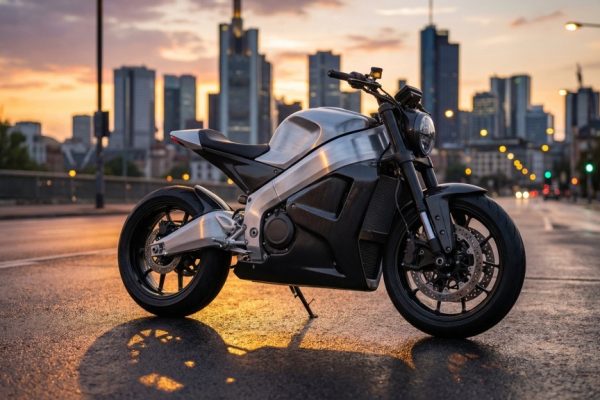
Switching to electric in 2026 is no longer experimental. But it’s still not for everyone. I’ve ridden multiple electric models...
Handling & Practicality
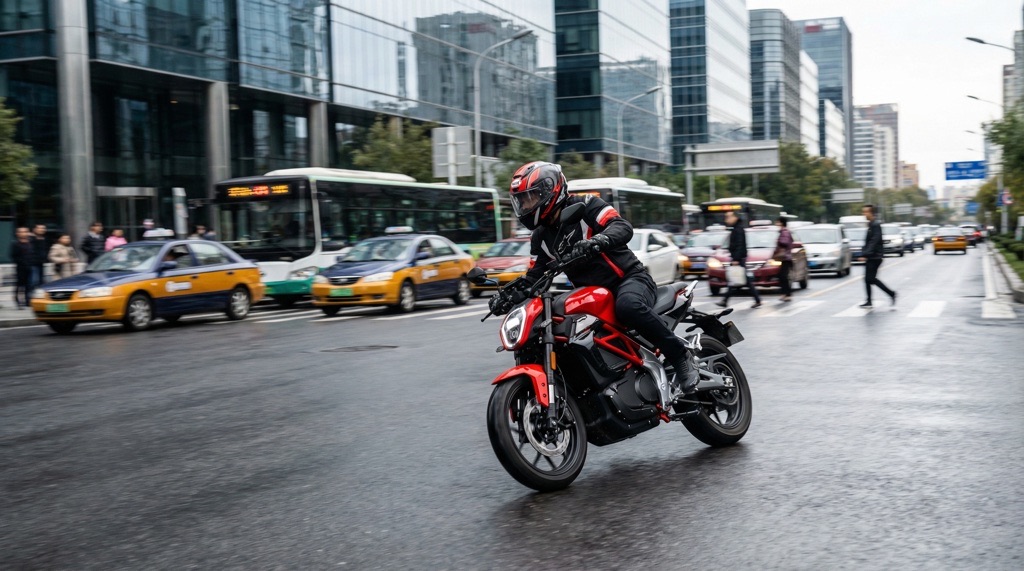
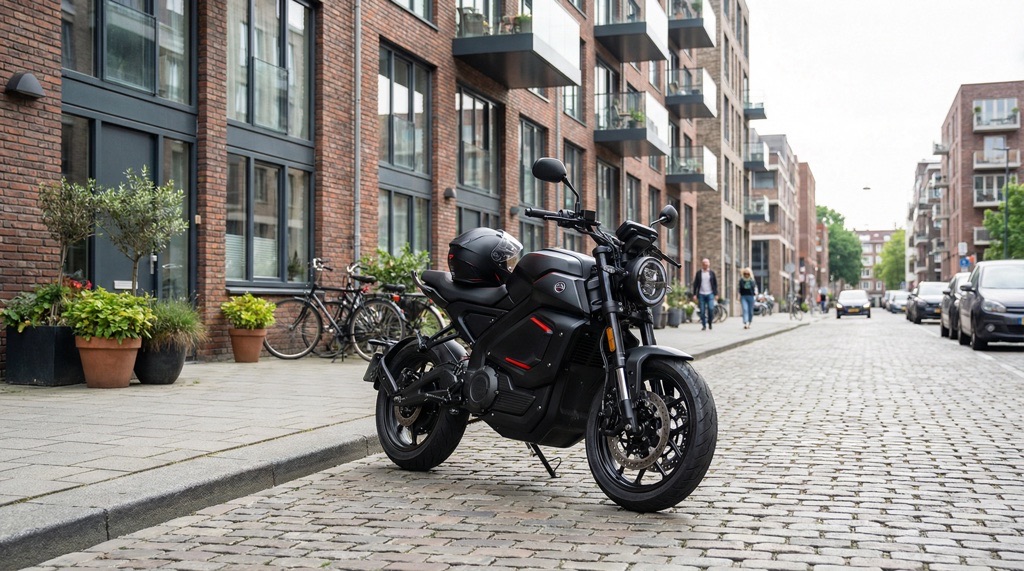
Thanks to the low-mounted batteries, the bike feels planted at low speeds. Tight U-turns, parking maneuvers, and filtering through traffic are easy — a major advantage over heavier electric motorcycles.
Battery, Charging & Real-World Range
Real-World Range
- Dense city traffic: 100–110 km
- Mixed riding: 80–95 km
- Aggressive riding/highway: 65–75 km
On short daily commutes of 8–12 km, typical energy use is under 5% per trip, meaning many riders will only need to charge every few days.
Charging Practicality
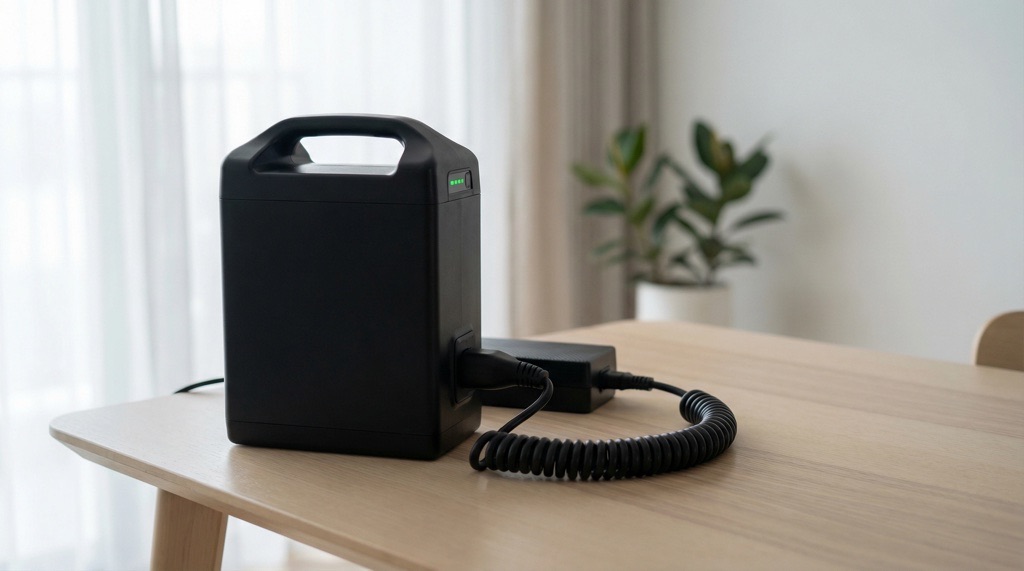
The dual removable battery system is one of the RQi Sport’s strongest advantages:
- Charge at home, office, or apartment
- No dependency on public charging infrastructure
- Each battery charges independently via a standard wall outlet
This makes the RQi Sport especially attractive in cities where motorcycle DC fast charging is rare.
Battery Degradation & Long-Term Ownership
NIU estimates 1,500–2,000 full charge cycles, which translates to:
- 5–7 years of typical urban use
- Longer lifespan for partial-charge users
Air-cooled battery design and conservative charging speeds help reduce thermal stress, improving long-term battery health compared to fast-charged electric motorcycles.
Battery replacement costs remain significantly lower than engine rebuilds on gasoline motorcycles over similar mileage.
Price, Availability & Cost of Ownership
Estimated Price (2026)
- €7,000–€8,000, depending on market
Availability
- Europe
- Asia
- Limited North American availability
Cost of Ownership vs Gasoline (125cc)
- Electricity cost per 100 km: 3–4× cheaper than fuel
- No oil changes, clutch, or gearbox servicing
- Lower insurance in most urban markets
Over three years, the total ownership cost is typically 30–45% lower than that of a comparable gasoline motorcycle.
Pros and Cons
✅ Pros
- Dual removable batteries
- Very low running and maintenance costs
- Beginner-friendly power delivery
- Excellent urban handling
- Quiet, vibration-free riding
❌ Cons
- No DC fast charging
- Limited highway range
- Not suitable for touring
Comparison With Main Rivals
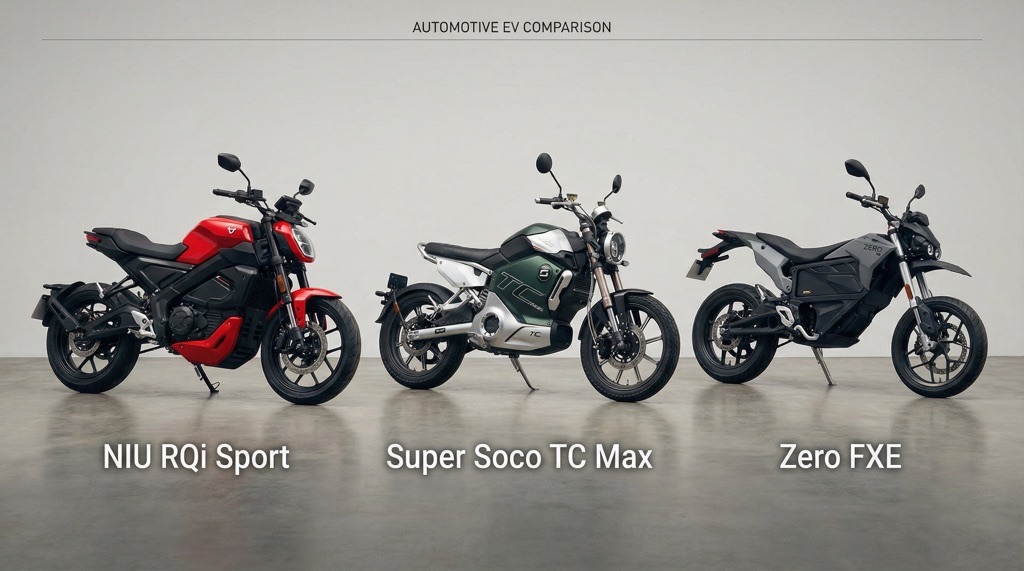
Super Soco TC Max
Cheaper and lighter, but shorter range and less refined battery system.
Zero FXE
Significantly more powerful and premium, but far more expensive and less practical for apartment charging.
BMW CE 04
High-tech and comfortable, but closer to a scooter in riding feel and much pricier.
Use-case winners:
- Best budget: Super Soco TC Max
- Best performance: Zero FXE
- Best everyday urban electric motorcycle: NIU RQi Sport
SEO Comparison Table
| Model | Power | Real Range | Charging | Price |
|---|---|---|---|---|
| NIU RQi Sport | 7.5 kW | 100 km | AC, removable | 7 500$ |
| Super Soco TC Max | 5 kW | 80 km | AC | 4 500$ |
| Zero FXE | 34 kW | 140 km | AC / optional D | 12 500$ |
Electric Motorcycle vs Gas Motorcycle
| Aspect | Electric | Gasoline |
|---|---|---|
| Maintenance | Minimal | Regular servicing |
| Cost per km | Low | Higher |
| Noise | Nearly silent | Loud |
| Emissions | Zero local | CO₂ + pollutants |
| City usability | Excellent | Moderate |
Who Should Buy the NIU RQi Sport?
- Urban commuters ride daily
- Riders upgrading from scooters or 125cc bikes
- Apartment residents without fast charging access
- Buyers prioritizing low ownership costs
Not recommended for riders who:
- Regularly ride highways at high speed
- Plan long-distance touring
Final Verdict
The NIU RQi Sport does not try to be the fastest or most powerful electric motorcycle — and that is precisely why it works.
For city riders, commuters, and anyone seeking a reliable, affordable, and genuinely practical electric motorcycle, it is one of the best electric motorcycles in its class in 2026 and a smart choice for everyday urban mobility.
FAQ
Is the NIU RQi Sport highway-legal?
Yes, but it is best suited for short highway stretches.
Can the batteries be removed?
Yes, both batteries are removable and charged separately.
Does it support fast charging?
No, AC charging only.
How long do the batteries last?
Typically 5–7 years in urban use.
Is it cheaper than a 125cc gasoline motorcycle?
Yes. Total ownership cost is usually 30–45% lower over three years.
Does cold weather reduce range?
Yes, expect a 15–25% reduction.
Is it suitable for delivery work?
Yes, especially for city delivery routes.
Is this a good first electric motorcycle?
Absolutely — one of the easiest to live with.