
Introduction
In 2026, most electric bikes look powerful on paper.
750W. 90Nm. Long range. Smart system.
But motor placement — hub vs mid-drive — determines how the bike actually climbs, accelerates, handles weight, and ages over time.
This guide is based on real-world riding: 8–12% urban hills, 100 kg riders, cargo loads, mixed terrain, and daily commuting. No hype. No brand bias. Just how these systems behave after 1,000+ miles — not in the first 10 minutes.
If you’re choosing between hub and mid-drive, this is the decision framework that actually works.
TL;DR (Decision Snapshot)
Flat city riding → Hub motor is enough.
Hills, cargo, heavier riders → Mid-drive is better.
Torque to look for: 60–90 Nm
Battery sweet spot: 500–750Wh
Budget reality 2026:
- Under $1,500 → Hub motor
- $1,800+ → Mid-drive starts making sense
Avoid mid-drive if: you want the lowest maintenance cost.
Avoid a hub motor if you regularly climb steep hills (8%+).
Table of Contents
- What Is a Hub Motor?
- Direct Drive vs Geared Hub
- What Is a Mid-Drive Motor?
- Torque Sensor vs Cadence Sensor (Critical in 2026)
- Technical Comparison Table
- Torque Explained (Nm That Actually Matter)
- Real-World Hill Test (10% Grade)
- Weight Distribution & Handling
- Noise & Ride Feel
- Battery Efficiency & Range Table
- Maintenance & Long-Term Costs
- 2026 Market Reality
- Who Should Choose Each Motor
- FAQ
- Final Expert Verdict
- Read Next
- SEO Information
What Is a Hub Motor?
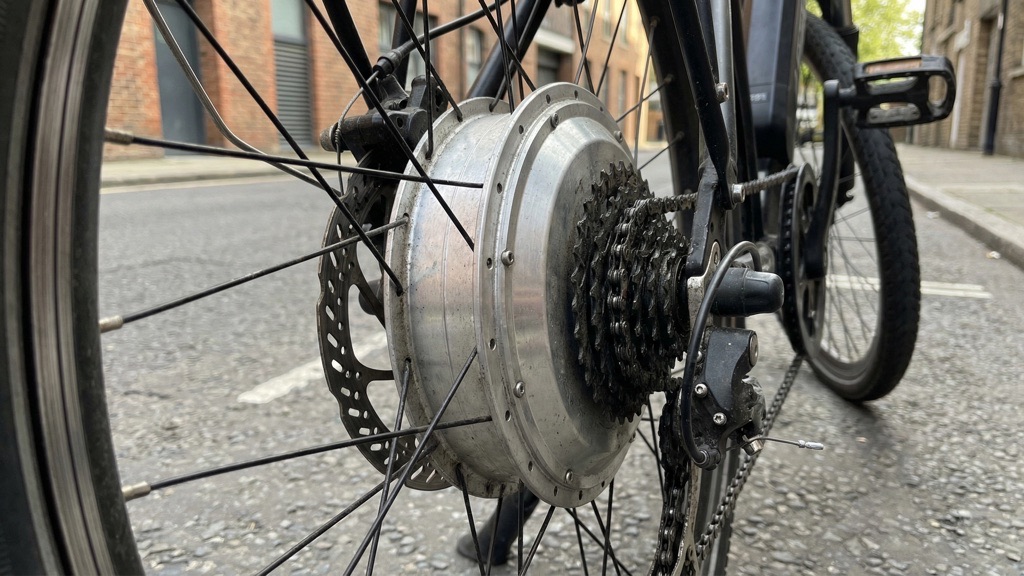
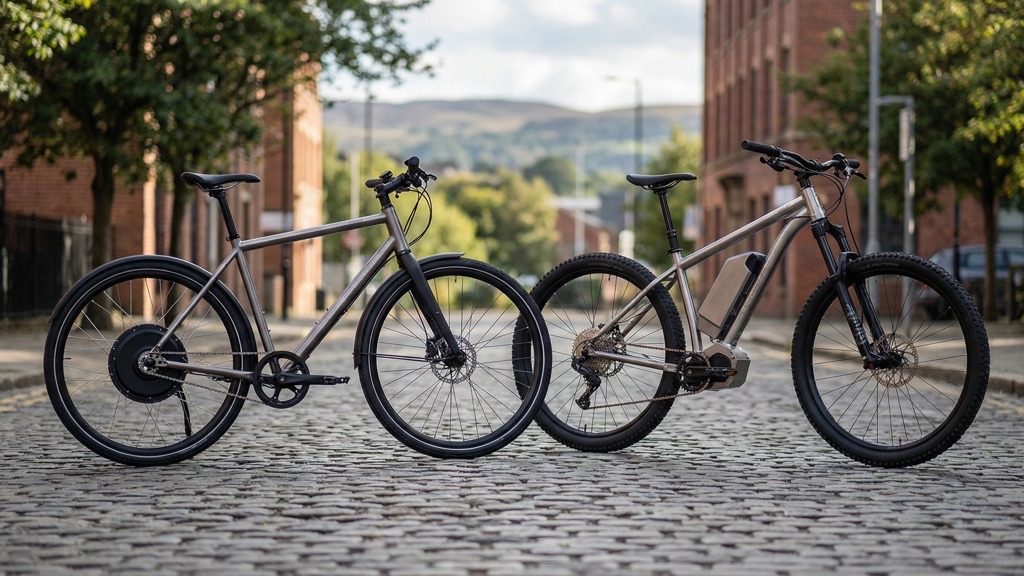
A hub motor is built directly into the wheel — usually the rear.
When activated, it spins the wheel independently from the drivetrain. It does not use the bike’s gears.
Why do people like it
- Mechanically simple
- Often includes throttle
- Lower price
- Minimal drivetrain wear
Direct Drive vs Geared Hub
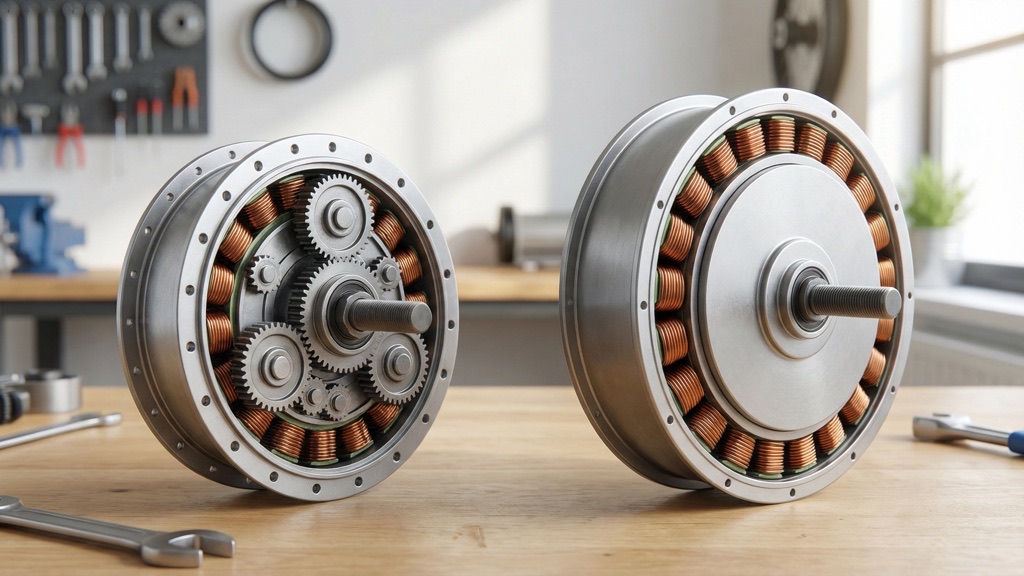
| Type | Best For | Pros | Cons |
|---|---|---|---|
| Geared Hub | Commuting | Stronger torque, lighter | Internal gear wear |
| Direct Drive | Flat terrain | Quiet, durable | Heavy, weaker on hills |
In 2026, most commuter e-bikes use geared hubs.
What Is a Mid-Drive Motor?
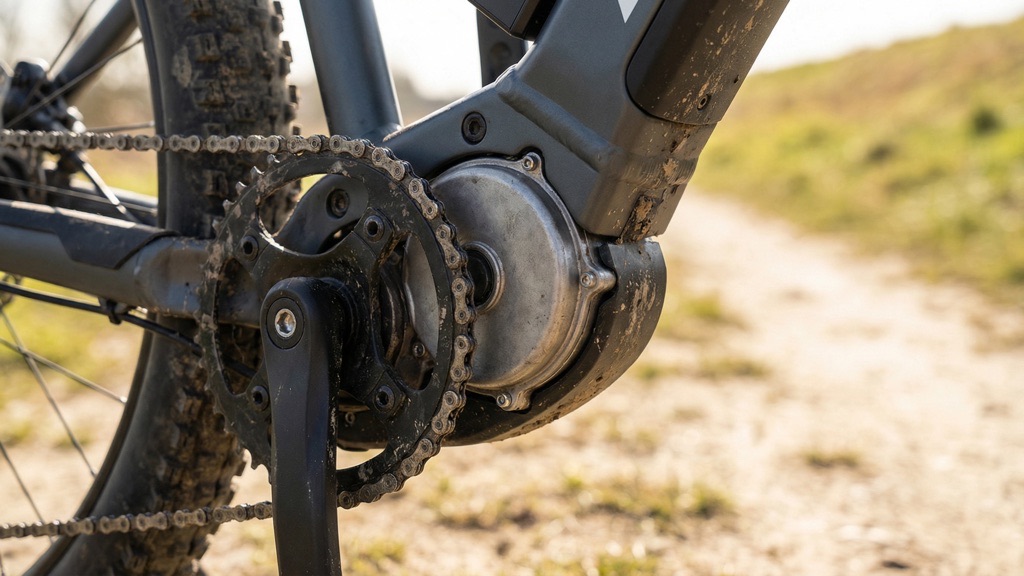
A mid-drive motor sits at the crank and powers the drivetrain using the bike’s gears.
Well-known systems from Bosch, Shimano, and Bafang follow this design.
Why does it feel different?
Because it multiplies torque through gears, it behaves like stronger legs — not like an external push.
 Reviews
2025 Volvo EX90 Preview: The Quiet Luxury EV SUV
Volvo is bringing its reputation for safety, premium amenities, and sustainable materials to the 3-row electric SUV space with the...
 Reviews
How Much Does It Cost to Charge an Electric Car in Different Countries (2025 Guide)
Electric cars are cheaper to run than gasoline vehicles, but charging prices vary dramatically around the world. In some countries,...
 Reviews
How Do Plug-In Hybrid Electric Cars Work?
Plug-in hybrid electric vehicles (PHEVs) combine the benefits of both electric and traditional gasoline powertrains. They use batteries to power...
Torque Sensor vs Cadence Sensor (Critical in 2026)
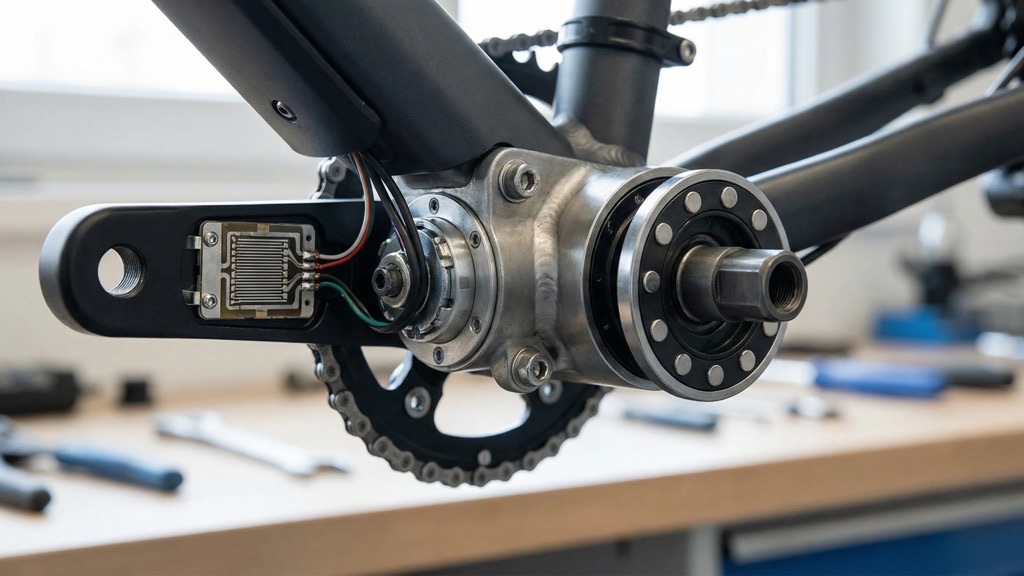
Motor type matters.
Sensor type matters almost as much.
| Sensor Type | How It Feels | Best For | Common On |
|---|---|---|---|
| Cadence Sensor | Motor turns on after pedaling | Casual commuting | Hub bikes |
| Torque Sensor | Motor responds to pedal pressure | Hills, natural feel | Mid-drives & premium hubs |
Authority Insight:
A torque-sensor hub bike can feel better than a cadence mid-drive.
Never judge motor type alone — check the sensor.
Hub vs Mid-Drive: Technical Comparison
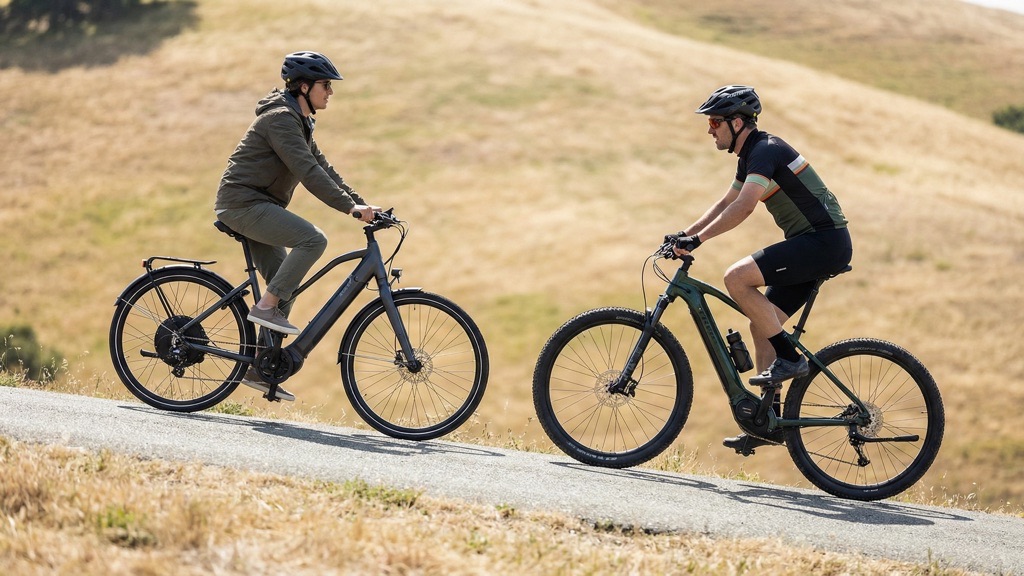
| Feature | Hub Motor | Mid-Drive |
|---|---|---|
| Location | Wheel | Crank |
| Uses gears | No | Yes |
| Hill efficiency | Moderate | Excellent |
| Weight balance | Rear-heavy | Centered |
| Drivetrain wear | Low | Higher |
| Typical torque | 40–80 Nm | 60–100+ Nm |
| 2026 Price | $900–$1,800 | $1,800–$4,000 |
Torque Explained (Nm That Actually Matter)
Watts advertise speed.
Torque determines climbing strength.
Real-World Torque Benchmarks
| Torque | Terrain Suitability |
|---|---|
| 40–50 Nm | Flat city riding |
| 60–70 Nm | Moderate hills |
| 80–90 Nm | Steep urban terrain |
| 100+ Nm | Cargo, heavy riders |
Mid-drive motors are better for hills because they use the bike’s gears, keeping the motor in an efficient RPM range during steep climbs.
That efficiency difference is what saves battery and reduces overheating.
Real-World Hill Test (10% Grade Scenario)
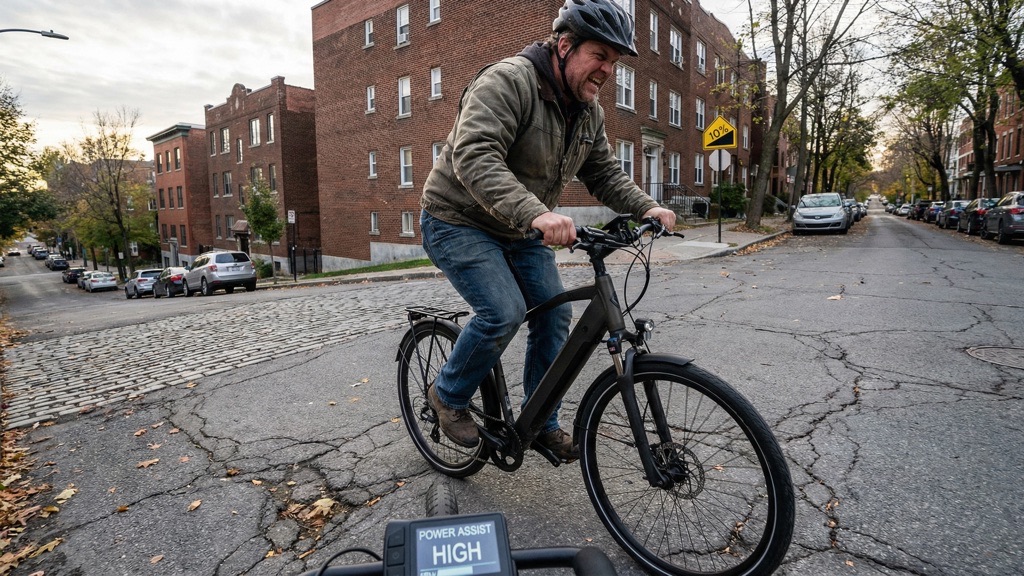
Test setup:
- Rider: 100 kg
- Bike: 25 kg
- Hill: 10% grade
- Battery: 500Wh
Hub Motor
- Slower cadence
- Higher battery drain
- Noticeable heat buildup
Mid-Drive
- Stable motor RPM
- Lower strain
- More consistent torque delivery
On flat roads, differences shrink dramatically.
On long hills, mid-drive advantage becomes obvious.
Weight Distribution & Handling
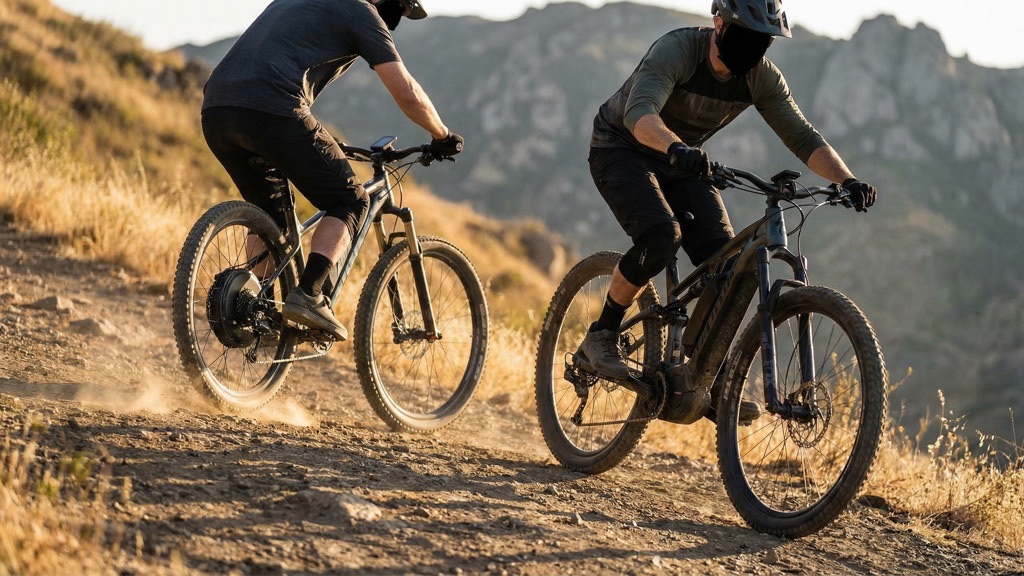
Hub motor bikes:
- Rear-heavy feel
- Slight front-wheel lift on steep climbs
- Less balanced in technical terrain
Mid-drive bikes:
- Centered mass
- Better traction uphill
- More stable cornering
For eMTB and cargo riding, weight balance matters more than raw wattage.
Noise & Ride Feel
| Factor | Hub Motor | Mid-Drive |
|---|---|---|
| Sound | Light hum | Gear noise under load |
| Acceleration | Smooth push | Responsive pull |
| Natural pedaling feel | Moderate | High |
Experienced riders usually prefer the mid-drive feel.
Urban commuters often prefer hub smoothness.
Battery Efficiency & Real-World Range
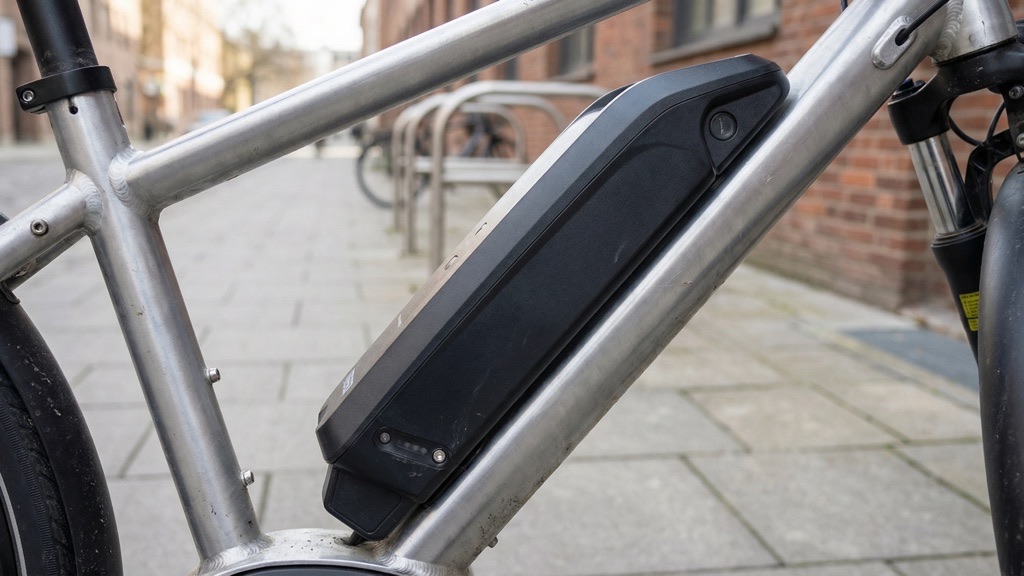
Battery size matters more than motor type — but efficiency changes range under load.
Mixed Terrain Range (Moderate Assist)
| Battery | Hub Motor | Mid-Drive |
|---|---|---|
| 500Wh | 25–40 miles | 30–50 miles |
| 625Wh | 35–55 miles | 40–65 miles |
| 750Wh | 40–60 miles | 50–75 miles |
What reduces range:
- High assist level
- Heavy rider
- Headwind
- Underinflated tires
- Frequent stops
Ignore maximum marketing range claims.
Maintenance & Long-Term Cost
Hub motor:
- Low drivetrain wear
- Harder wheel removal
- Minimal servicing
Mid-drive:
- Chain wears 1.5–2x faster
- Cassette replacement is more frequent
- Easier wheel maintenance
Estimated extra yearly drivetrain cost (active rider):
$80–$150.
Not dramatic — but real.
2026 Market Reality
- Hub motors dominate under $1,500.
- Mid-drive pricing has improved.
- Torque sensors are becoming standard above $1,800.
- High wattage marketing is increasing — but torque remains the key metric.
The 2026 sweet spot:
70–85 Nm mid-drive + 625Wh battery.
That combination balances power, efficiency, and cost.
Who Should Choose Hub Motor
- Flat city commuting
- Budget under $1,500
- Riders who want throttle
- Low-maintenance preference
- Casual weekend use
Who Should Choose Mid-Drive
- Steep cities (8%+ grades)
- Riders 90+ kg
- Long daily commutes
- Cargo transport
- eMTB riders
Final Expert Verdict

If your riding is flat, predictable, and budget-focused, a hub motor is practical and sufficient.
If you ride hills, carry weight, or care about efficiency and balance, mid-drive is the better long-term choice.
In 2026, the smartest decision isn’t about wattage.
It’s about torque, terrain, sensor type, and how you actually ride.
Choose the system that matches your real-world conditions — not the biggest number on the spec sheet.
FAQ
Is mid-drive always better?
No. It’s better for hills and balance, but not necessary for flat commuting.
Does higher wattage mean stronger climbing?
Not always. Torque (Nm) and gear usage matter more than watt rating.
Are hub motors reliable?
Yes. They are mechanically simple and typically very durable.
Do mid-drives cost more to maintain?
Yes. They wear chains and cassettes faster than hub motors.
Which motor gives better range?
Mid-drives are more efficient on hills. On flat terrain, range differences are small.