
Most buyers still ask the wrong question:
“How much does it cost to charge an EV?”
The real question is:
What will this car cost me over 5–8 years compared to gasoline?
Because EV ownership costs are not just about electricity. They’re about depreciation, charging habits, insurance, incentives, and how long you keep the car.
If you’re in the US or Europe actively deciding between electric and gas — this guide will give you the real numbers, not marketing claims.
⚡ QUICK VEHomeowners charging overnightcharging overnight, driving 12k–20k miles (20k–30k km) per year
Not recommended for:
Apartment dwellers relying 100% on public fast charging
Real 5-year savings (typical case):
$6,000–$15,000 vs comparable gas SUV
Biggest financial advantage:
Fuel + maintenance + incentives
Main financial risk:
Depreciation variance
Overall financial score (2026 market):
8.7 / 10 (home charging)
5.5 / 10 (public charging only)
📊 EV Total Cost of Ownership (5-Year Realistic Scenario)
Let’s model a mid-size SUV in the US:
- 15,000 miles per year
- 80% home charging
- $0.15/kWh home rate
- $3.70/gallon gasoline
- 28 mpg gas SUV
🔢 5-Year Cost Breakdown
| Category | EV | Gas SUV |
|---|---|---|
| Purchase Price | $45,000 | $38,000 |
| Federal Incentive | -$7,500 | $0 |
| Electricity | $6,250 | — |
| Gasoline | — | $9,900 |
| Maintenance | $2,200 | $6,200 |
| Insurance (est.) | $8,500 | $7,500 |
| 5-Year Depreciation | $20,000 | $21,000 |
| Total 5-Year Cost | $74,450 | $82,600 |
✔ EV Advantage: ~$8,150 over 5 years
This is realistic — not optimistic.
🔥 Worst-Case EV Scenario (Nobody Talks About This)
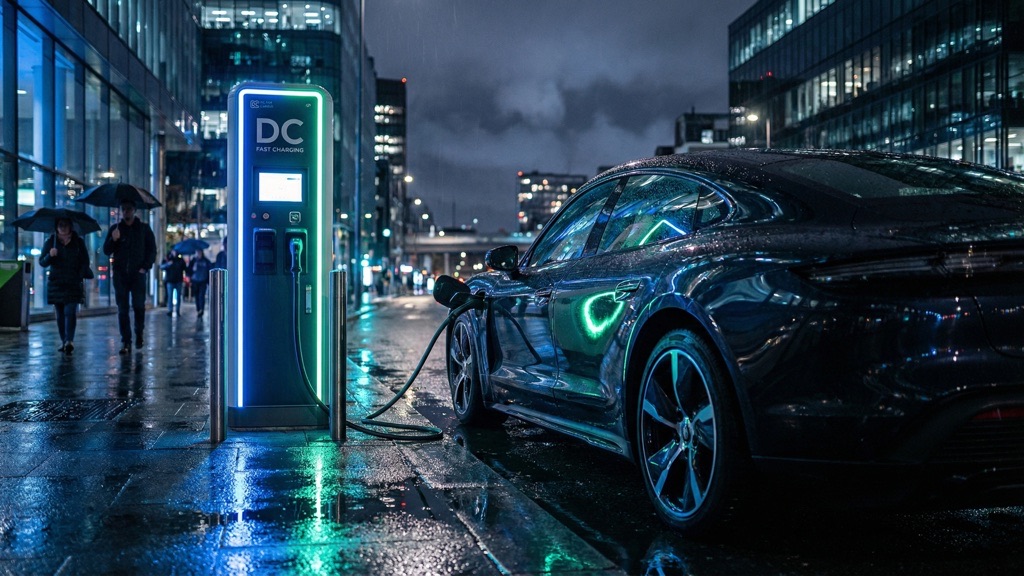
Now let’s flip it.
- 15,000 miles/year
- 100% public fast charging at $0.45/kWh
- No tax incentives
| Category | EV (Public Charging) |
|---|---|
| Electricity | ~$12,000 |
| Maintenance | $2,200 |
| Insurance | $8,500 |
| Depreciation | $20,000 |
| 5-Year Cost | ~$87,700 |
Now the EV becomes more expensive than gasoline.
This is why charging access matters more than range.
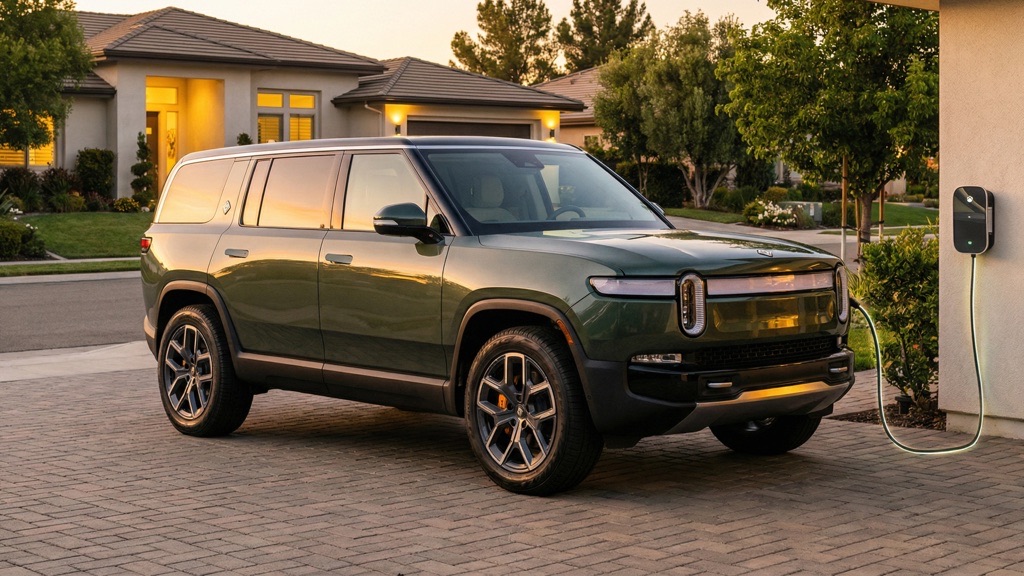
⚡ Cost to Charge an Electric Car Per Month
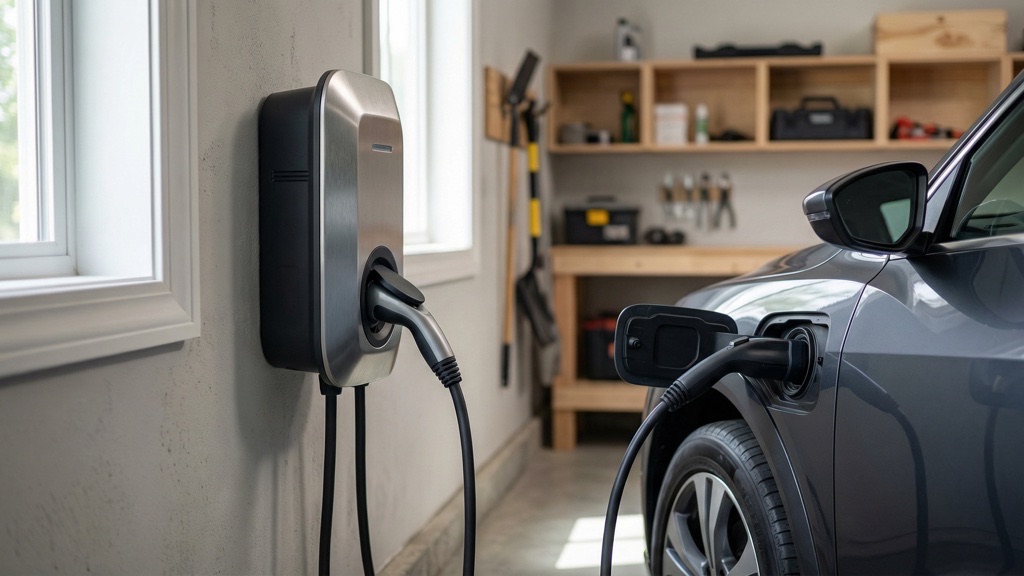
Home Charging Example
Average EV consumption: 30 kWh per 100 miles
Monthly driving: 1,250 miles
Energy needed: 375 kWh
At $0.15/kWh → $56/month
Gas SUV Equivalent
1,250 miles / 28 mpg = 44.6 gallons
At $3.70/gallon → $165/month
Monthly difference: ~$110
That’s $1,300+ per year.
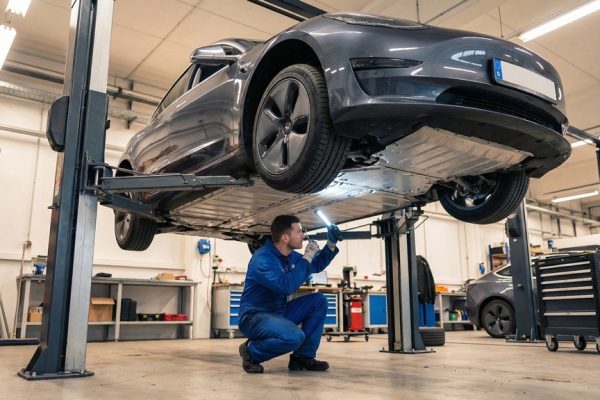
🔧 EV Maintenance Cost Per Year
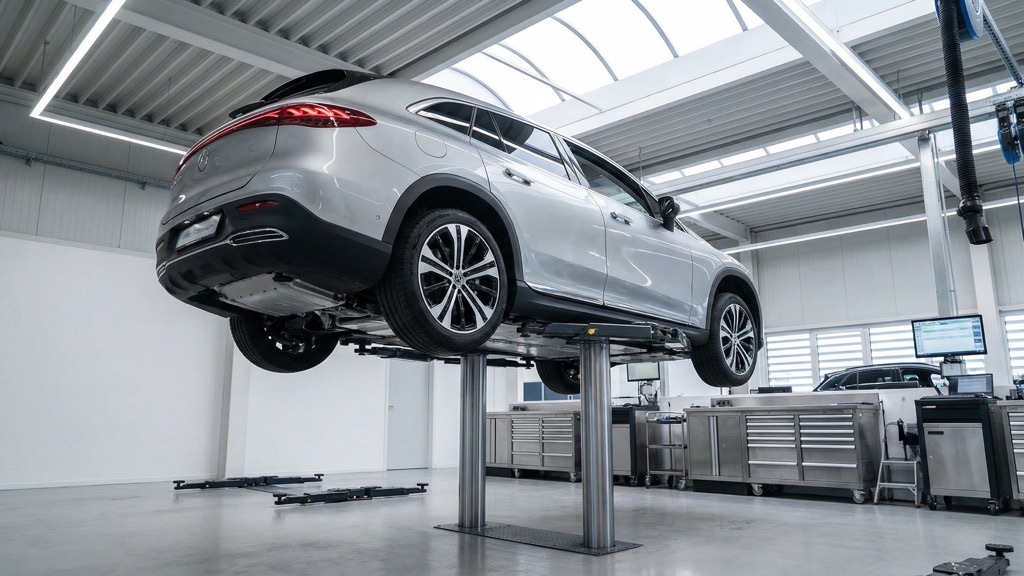
EVs eliminate:
- Oil changes
- Transmission servicing
- Spark plugs
- Exhaust systems
5-Year Maintenance Comparison
| Service Area | EV | Gas Car |
|---|---|---|
| Oil Changes | $0 | $800–$1,200 |
| Brake Wear | Lower (regen) | Higher |
| Transmission | Minimal | Potential major repair |
| Exhaust | None | Possible repair |
| Total (5 years) | ~$2,000 | ~$6,000 |
However:
- EV tires wear faster (high torque + weight)
- Premium brands = premium service
Still, EVs save roughly $800–$1,000 per year in maintenance.
🔋 Battery Degradation Reality (Not Fear)
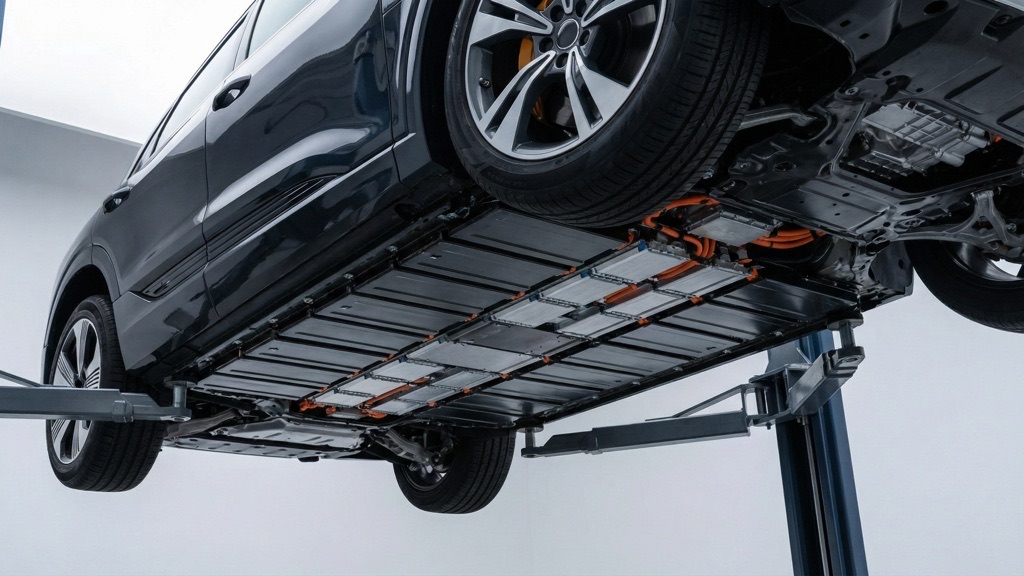
Modern EV batteries typically lose:
- 5–10% capacity over first 100,000 miles (160,000 km)
- Then degradation slows
Most warranties:
- 8 years
- 100,000–120,000 miles (US)
- 160,000 km (EU)
Battery replacement outside warranty is expensive — but statistically rare before 10+ years.
For typical 5-year owners, this is not a financial threat.
📉 Depreciation: The Real Financial Wildcard
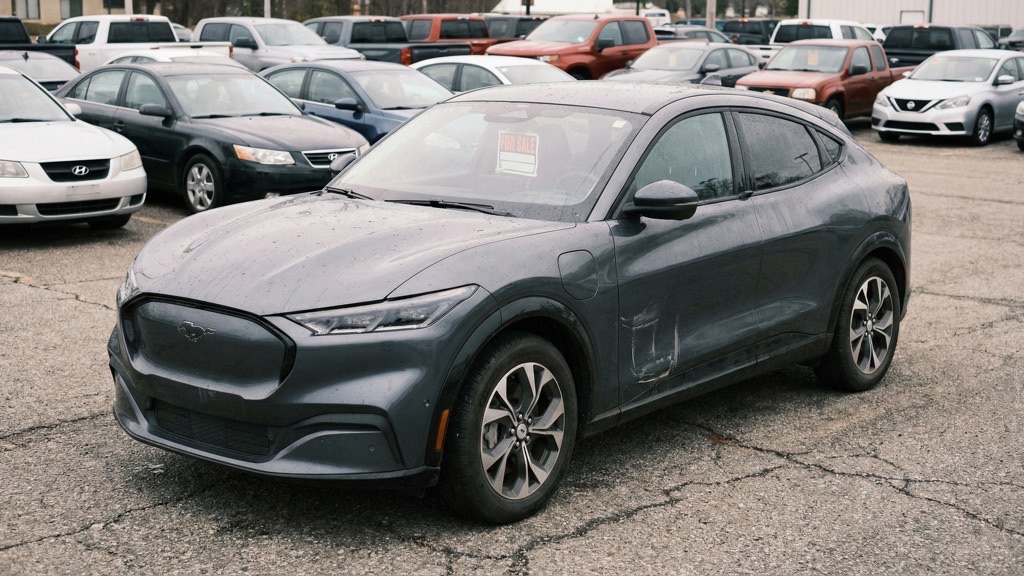
This is where EV economics can swing dramatically.
What affects EV depreciation:
- New model releases
- Software updates (or lack of)
- Brand reputation
- Government incentives changes
- Battery chemistry improvements
Some EVs hold value extremely well.
Others drop sharply in 3 years.
Depreciation often matters more than fuel savings.
🇪🇺 Europe vs 🇺🇸 US Ownership Differences
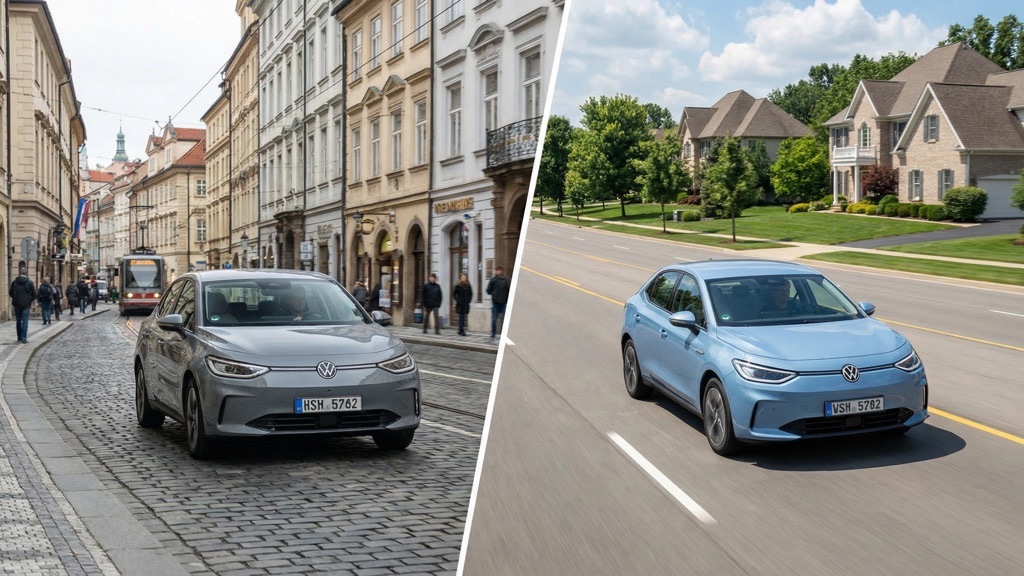
| Factor | United States | Europe |
|---|---|---|
| Electricity Cost | Lower average | Higher average |
| Gasoline Cost | Lower | Much higher |
| Incentives | Federal + State | Country-specific |
| Company Car Tax | Minor | Major advantage |
| EV Savings Potential | Moderate–High | High |
In many European countries, EV ownership is financially stronger due to high fuel prices.
🧠 Decision Matrix: Is an EV Financially Smart for You?
| Your Situation | Financially Smart? |
|---|---|
| Home charging + 15k miles/year | Strong YES |
| Apartment + public charging only | Weak YES / Depends |
| 8k miles/year | Moderate |
| 20k+ miles/year | Very Strong YES |
| Company car in EU | Extremely Strong YES |
| 2–3 year ownership cycle | Risky |
👍 Pros & 👎 Cons (Financial Perspective)
👍 Pros
- Lower fuel costs (especially in Europe)
- Predictable energy pricing
- Lower routine maintenance
- Tax incentives
- Strong savings for high-mileage drivers
👎 Cons
- Higher upfront price
- Depreciation uncertainty
- Public charging cost volatility
- Higher insurance in some markets
- Home charger installation ($800–$2,000 typical)
💡 Hidden Costs Most Buyers Miss
- Electrical panel upgrades
- Winter efficiency drop (10–25%)
- Tire replacement frequency
- Software feature subscriptions (some brands)
- Out-of-warranty electronic repairs
EVs are cheaper — but not zero-maintenance.
🧠 Final Expert Verdict
🔹 Short Verdict
If you can charge at home and keep the car 5+ years →
Buy electric. The math works.
If you rely on public fast charging and switch cars every 2–3 years →
Think carefully. The savings shrink or disappear.
🔹 Detailed Verdict
EV ownership costs in 2026 are no longer speculative.
They are situational.
The ideal EV owner:
- Drives moderate to high mileage
- Has predictable charging access
- Keeps vehicles long-term
- Takes advantage of incentives
In that case, EVs are financially superior to gasoline in most US and EU markets.
But EVs are not universally cheaper.
They are strategically cheaper.
If your lifestyle doesn’t align, the economics weaken.
That’s the truth.
TL;DR
- Home charging = huge savings
- Public charging only = weaker economics
- Maintenance is cheaper than gas
- Depreciation is the biggest risk
- 5-year ownership strongly favors EVs in most real-world cases
FAQ
Is EV ownership cheaper than gas?
Usually yes — with home charging and moderate mileage.
What is the biggest EV ownership cost?
Depreciation.
How much does it cost to charge per month?
Typically $50–$80 at home in the US.
Are EVs cheaper long-term?
In most 5-year ownership scenarios — yes.