Introduction
If you’re considering switching from a gas sport-tourer, this is the real question:
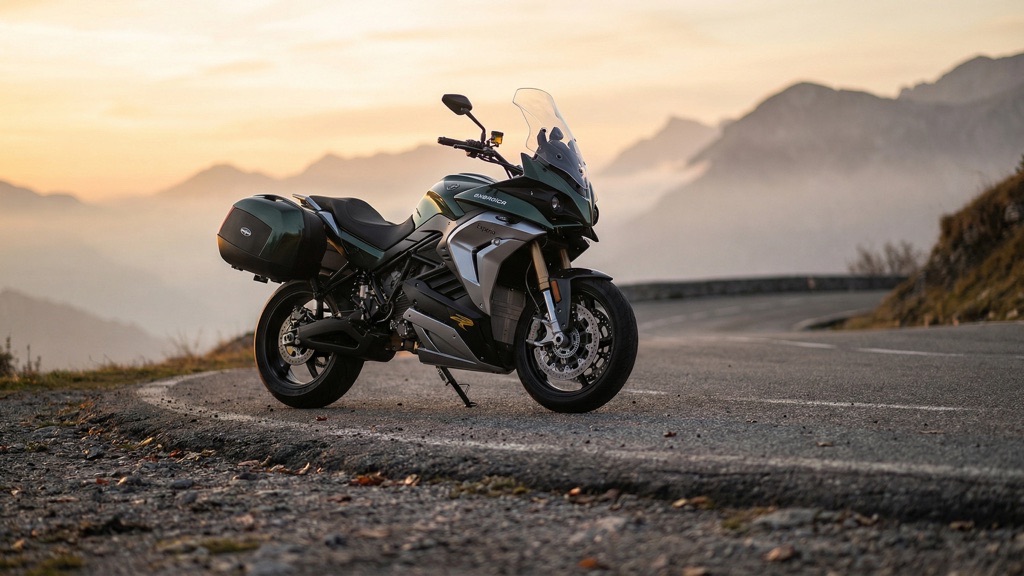
Can the Experia replace your only motorcycle?
Not as a weekend toy.
Not as a commuter.
As your real touring machine.
Because on paper, it looks heavy and expensive.
On the road, it feels refined and surprisingly complete.
This is the final decision version.
⚡ Quick Rider Verdict
- Best use case: 150–300 km toRealistic range planned stops
- Realistic range: 130–180 km mixed / 110–140 km highway
- Charging reality: Excellent with DC fast charging, limited without it
- Power feel: Smooth, torque-rich, controlled but strong
- Overall rider rating: 9.3 / 10 (if infrastructure supports you)
🔧 Key Specifications
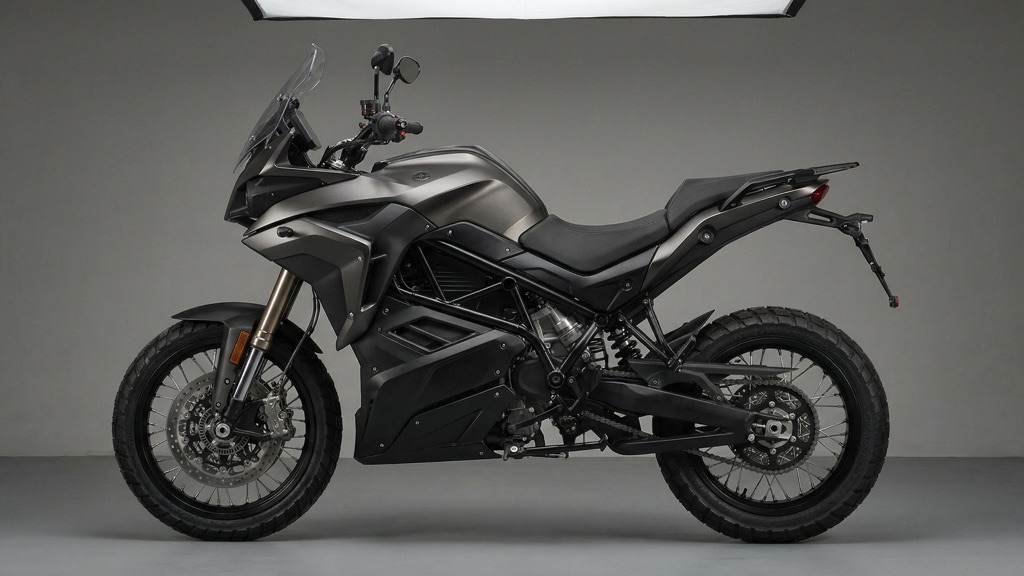
| Specification | Value |
|---|---|
| Motor power | 75 kW (102 hp) |
| Torque | 115 Nm |
| Battery capacity | 22.5 kWh (≈19.6 kWh usable) |
| Real-world range | 120–200 km |
| Charging time | 0–80% ≈ 40 minutes (DC fast) |
| Weight | 260 kg |
| Seat height | 847 mm |
| Price | ~$25,000 USD |
The numbers don’t tell the full story.
The ride does.
🏍 Riding Experience — Where It Earns Its Price
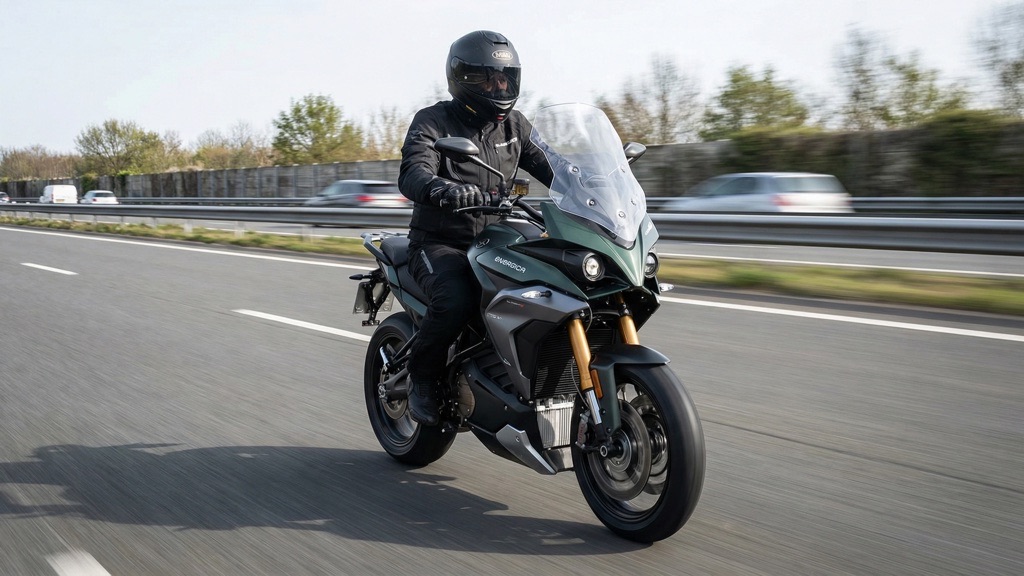
Throttle & Overtaking
Roll from 90 to 140 km/h — instant surge.
No downshift. No waiting for revs.
It just pulls, clean and linear.
It doesn’t explode.
It builds speed with authority.
For real-world overtakes, that’s confidence.
Corner Exit
Open throttle mid-corner — no driveline lash, no shift interruption.
It feels planted and precise.
The weight disappears once leaned over.
If you like mechanical characters, you might miss it.
If you value smooth control, this feels premium.
Highway Stability
At 130–140 km/h:
- Stable
- Calm
- Surprisingly low fatigue
The silence changes touring. You arrive less tired than on many ICE bikes.
But speed costs range. Quickly.
Low-Speed Reality
Parking lots remind you it’s 260 kg.
Shorter riders will notice.
Once rolling, the low center of gravity helps a lot.
🔋 Range & Charging — The 600 km Reality Check
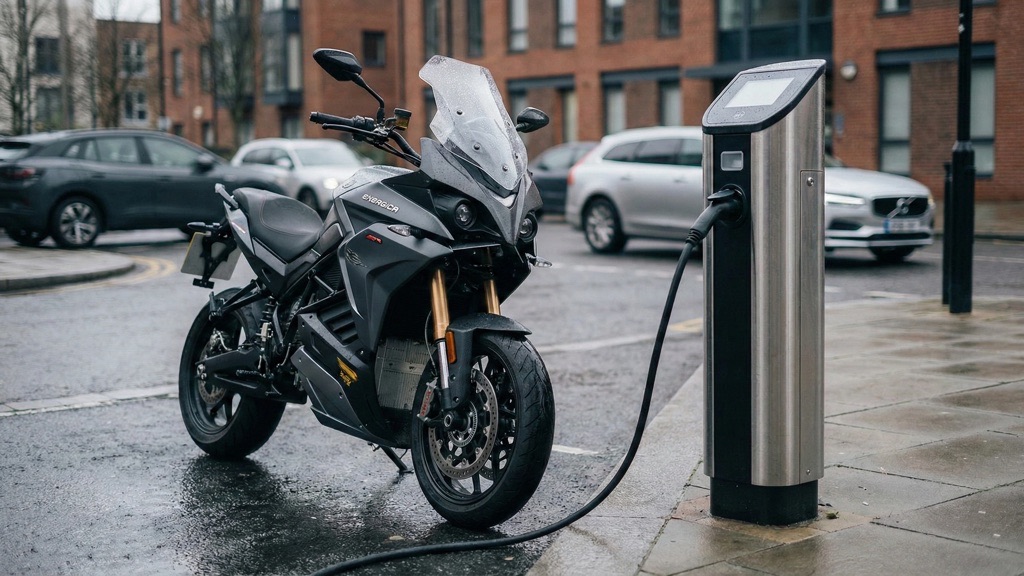
Let’s simulate a serious touring day.
600 km Trip
Experia
- 150 km → 40 min charge
- 150 km → 40 min
- 150 km → 40 min
- 150 km → finish
≈ 2 hours charging total.
Tracer 9
- 300 km → 5 min fuel
- 300 km → 5 min fuel
≈ 10–15 minutes total.
This is the dividing line.
If you enjoy struc5-Year Financial Model breaks, it works.
If you ride until the tank is dry, gas still wins.
Realistic Range Table
| Riding Style | Range |
|---|---|
| City 50–70 km/h | 190–210 km |
| Mixed | 160–180 km |
| 120 km/h steady | 130–150 km |
| 140 km/h steady | 110–130 km |
| Cold weather | -10–20% |
💰 5-Year Financial Model
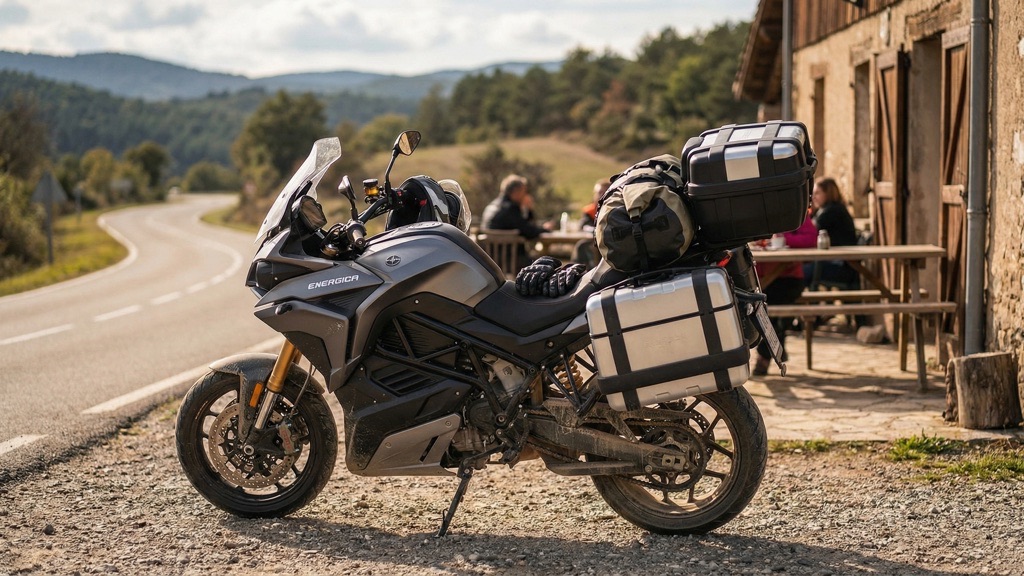
Assumptions:
- 10,000 km/year
- 50,000 km total
- $0.15/kWh home
- $0.35/kWh public DC mix
- $1.30/L fuel
- 18 kWh/100 km consumption
- 5.5 L/100 km for Tracer
Energy Cost Per 100 km
- Experia (home) ≈ $2.7
- Experia (mixed DC) ≈ $4–5
- Tracer 9 ≈ $7.1
Savings exist — but they don’t erase the $10K price gap.
5-Year Cost Snapshot
| Category | Experia | Tracer 9 |
|---|---|---|
| Purchase | $25,000 | $15,000 |
| Energy | ~$2,000 | ~$3,575 |
| Maintenance | ~$1,800 | ~$4,000 |
| Resale estimate | ~$13,000 | ~$9,000 |
| Net 5-Year Cost | ~$15K | ~$13.5K |
Financially close.
The decision is emotional and lifestyle-based.
🔋 Battery Degradation & Warranty Anxiety
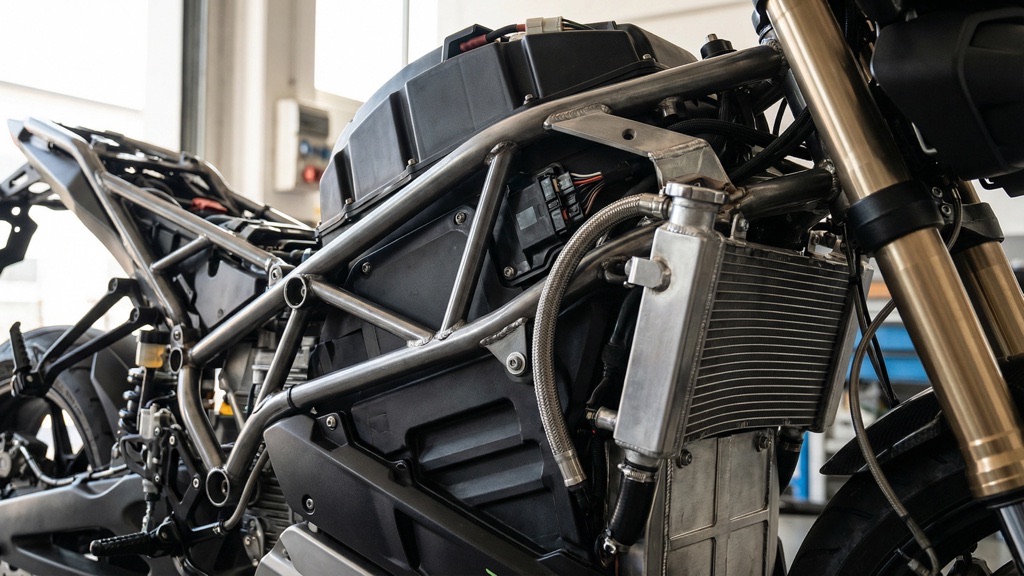
Expected degradation: 8–12% over 5 years.
170 km mixed becomes ~155–160 km.
Liquid-cooled battery management reduces stress.
Full replacement would be expensive (five-figure territory),
but real-world failure rates are low.
This isn’t a ticking bomb.
It’s a managed long-term asset.
⚔️ Direct Comparison: Experia vs Yamaha Tracer 9 GT
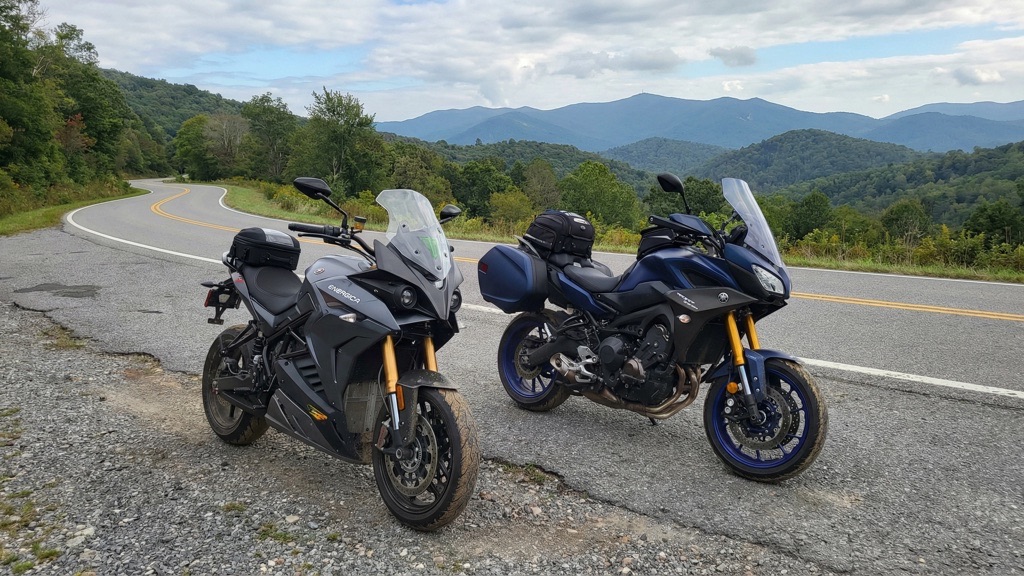
| Model | Power | Range | Refuel Time | Weight | Price | Best For |
|---|---|---|---|---|---|---|
| Experia | 102 hp | 130–180 km | 40 min | 260 kg | $25K | Electric touring lifestyle |
| Tracer 9 GT | 117 hp | 300+ km | 5 min | 220 kg | $15K | Unlimited long-distance flexibility |
Tracer wins in:
- Weight (-40 kg)
- Range
- Refueling time
- Upfront price
- Global dealer support
Experia wins in:
- Smoothness
- Simplicity
- Reduced mechanical maintenance
- Unique EV riding feel
👍 Pros & 👎 Cons
👍 Pros
- Genuine touring ergonomics
- Strong real-world overtaking torque
- Minimal mechanical complexity
- DC fast charging capability
- Low-fatigue riding experience
👎 Cons
- Heavy in parking maneuvers
- Infrastructure dependent
- Expensive upfront
- Not ideal for 500–700 km days
- Depreciation uncertainty
🧠 Who Should Buy It — And Who Shouldn’t
Buy It If:
- You have home charging
- Your rides are typically under 250 km
- You value smoothness over mechanical character
- You enjoy planned touring
Don’t Buy It If:
- You regularly ride 600–800 km per day
- The charging infrastructure is weak in your region
- This must be your universal do-everything bike
- You prioritize maximum flexibility per dollar
🧠 FINAL RIDER VERDICT
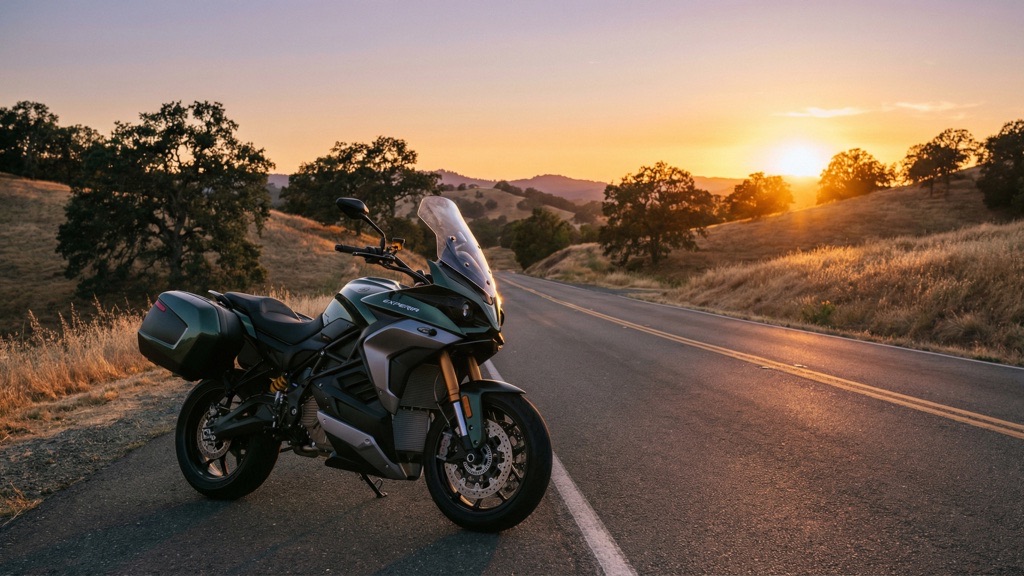
🔹 Short Verdict
The Experia is not for everyone.
It’s for riders whose touring style fits 150–300 km segments with structured stops.
If that’s you, it’s one of the most complete electric motorcycles available.
If not, stick with gas.
🔹 Detailed Verdict
The Energica Experia does not beat gas in terms of freedom.
It changes the rhythm of riding.
You trade:
- Unlimited range
for - Silence and smoothness.
You trade:
- 5-minute refuels
for - 40-minute breaks.
For some riders, that’s a limitation.
For others, that’s evolution.
The truth is simple:
If your real-world rides match its range envelope,
you’ll love it for years.
If they don’t, you’ll sell it within a season.
And that’s the honest answer.
FAQ
Can it replace your only motorcycle?
In EV-developed regions — yes.
In remote areas — probably not.
Is it powerful enough for the highway?
Yes. Overtakes are strong and immediate.
But sustained 150+ km/h drains range fast.
Is it cheaper to own?
Slightly over 5 years — but not dramatically.
Will the battery last?
Yes, with moderate degradation (~10%).
But long-term ownership requires accepting battery aging.