
Permalink: electric-vs-gas-motorcycle-cost-comparison-2026-full-analysis
Description: A complete 5–7 year cost comparison of electric vs gas motorcycles in the US and Europe, including break-even mileage, battery degradation, riding experience and FAQ.
Focus Keyword: electric vs gas motorcycle cost comparison
Tags: electric motorcycle cost, gas vs electric bike, Zero SR/F vs MT-07, motorcycle ownership cost, EV break-even mileage, battery degradation motorcycle, cost per mile motorcyclswitching to electricric
Most riders ask:
“Is an electric motorcycle cheaper than a gas bike?”
That’s too simple.
The real question is:
“At my mileage, over 5–7 years, will I save money — and will I still enjoy riding it?”
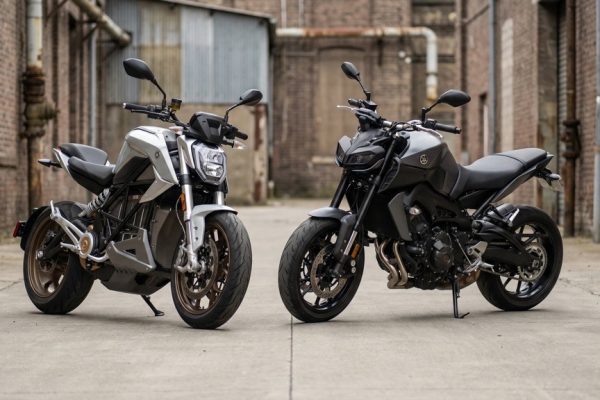
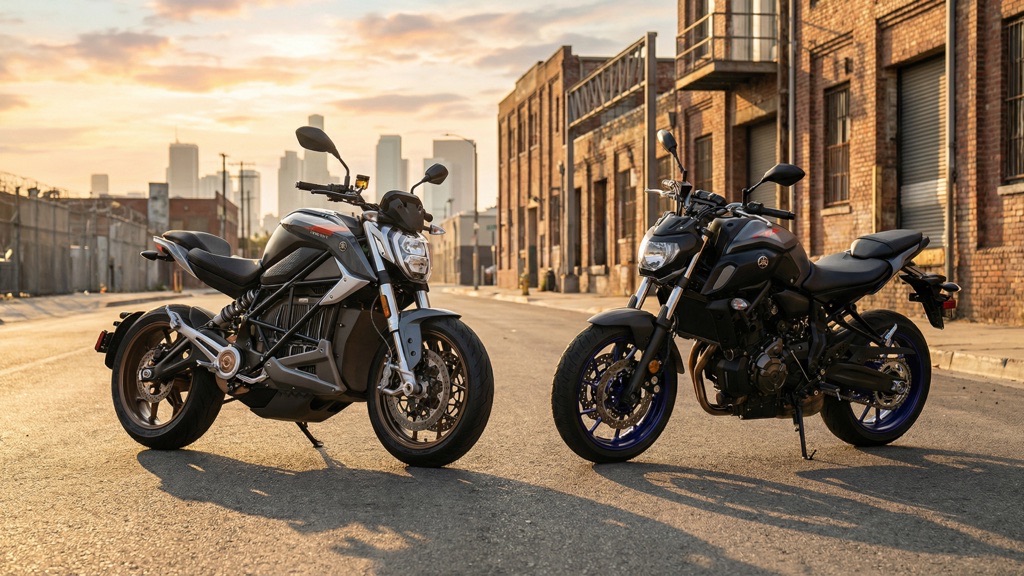
This guide anscomparing two real middleweight machinesiddleweight machines:
- ⚡ Zero SR/F
- ⛽ Yamaha MT-07
US + Europe ownership reality.
No marketing. Just numbers + riding feel.
⚡ QUICK RIDER VERDICT
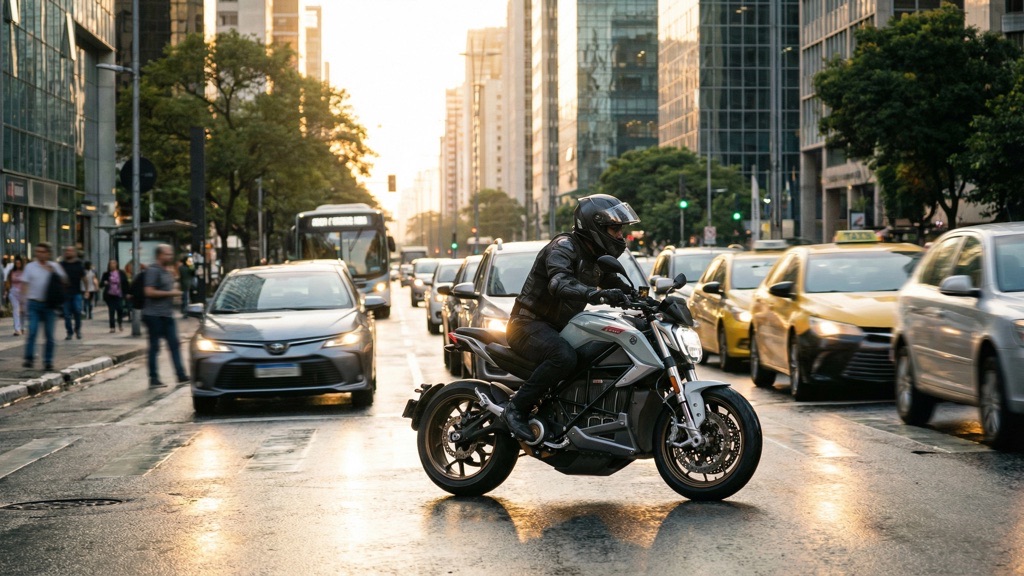
- Break-even mileage: ~12,500 miles/year
- Below 6,000 miles/year: Gas is cheaper
- 10,000 miles/year: Financially very close
- 15,000+ miles/year: Electric pulls ahead
- Best electric use case: Daily commuting + home charging
- Best gas use case: Occasional riding + long spontaneous trips
🔧 KEY SPECIFICATIONS
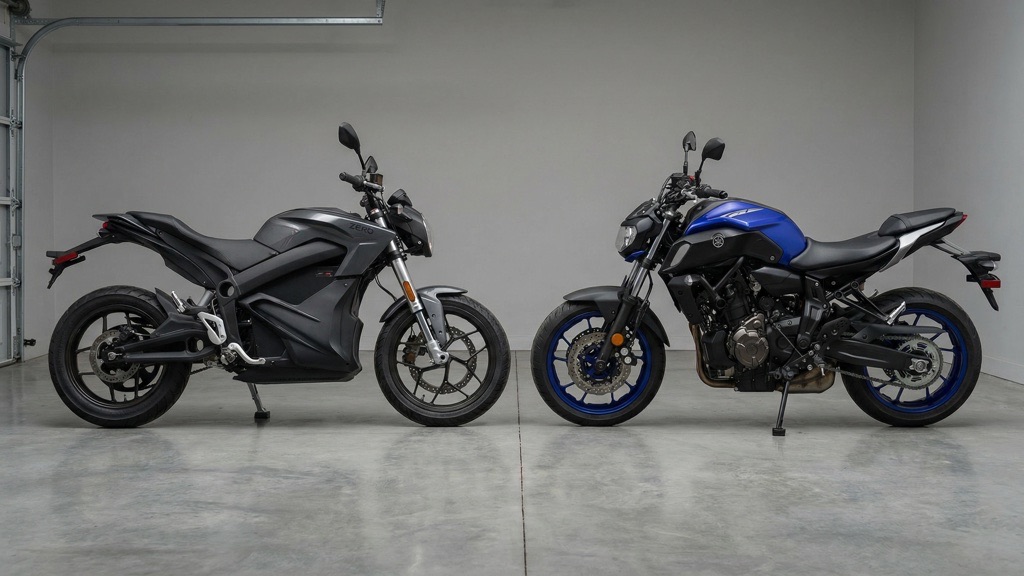
| Specification | Zero SR/F | Yamaha MT-07 |
|---|---|---|
| Motor power | 110 hp | 73 hp |
| Torque | 190 Nm (instant) | 67 Nm |
| Battery / Tank | 14.4 kWh | 14L |
| Real-world range | 100–160 miles | 180–220 miles |
| Charging time | 1.5–9 hrs | 5 minutes |
| Weight | 223 kg | 184 kg |
| Seat height | 787 mm | 805 mm |
| Price (US) | ~$20,000 | ~$8,500 |
Upfront gap: ~$11,500.
That’s what electric must justify.
🏍 RIDING EXPERIENCE (What Spreadsheets Miss)
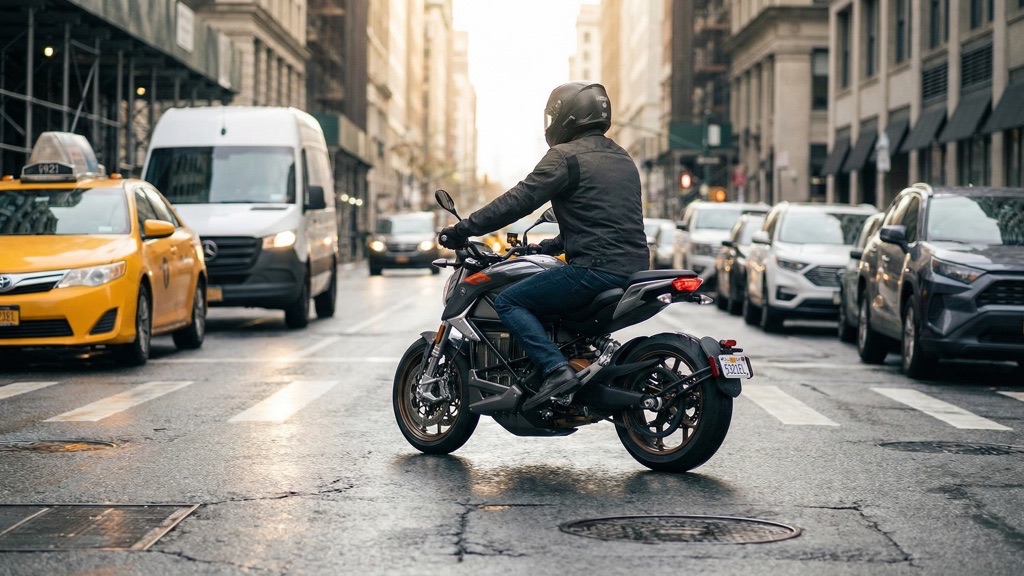
⚡ Zero SR/F
In traffic, the SR/F feels effortless.
- No clutch fatigue
- No engine heat
- Instant torque
- Smooth regenerative slowing
After an hour of commuting, you’re noticeably less tired.
But at 80–85 mph?
Range drops quickly. You start watching the battery percentage.
It feels precise. Controlled. Efficient.
Not dramatic — practical.
⛽ Yamaha MT-07
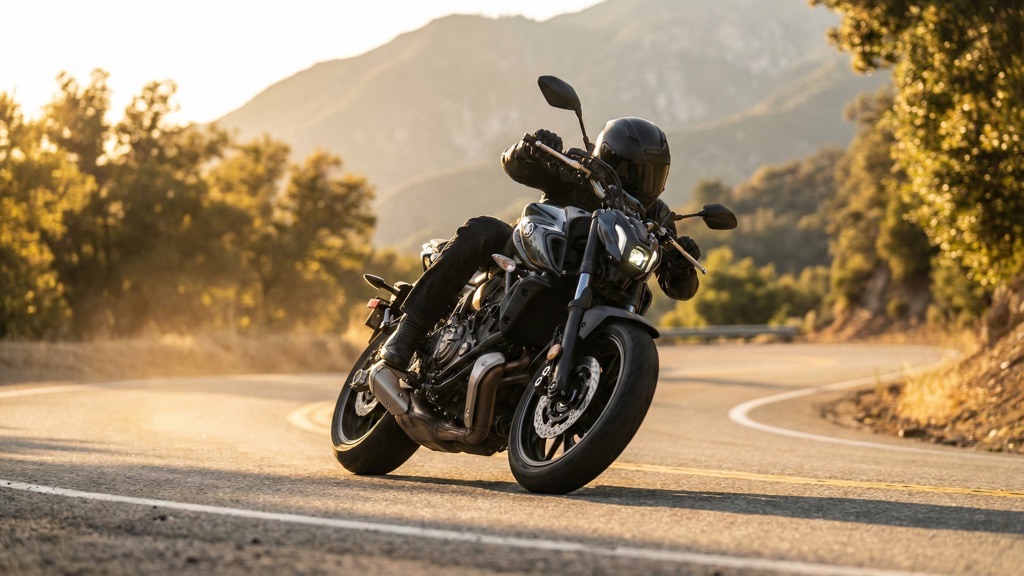
The MT-07 feels mechanical and alive.
 Reviews
Xiaomi SU7 Review (2026): Real-World Range, Charging & Verdict
TL;DR ✅ Buy Xiaomi SU7 if you want: One of the most efficient large electric sedans in real-world driving Strong...
 Aircraft
Rictor X4 Review (2026): Real Flying Motorcycle or Futuristic Toy?
TL;DR ✅ Buy Rictor X4 if you want: real flying tech, maximum wow-factor, early access to personal air mobility ❌...
 Reviews
2026 XPeng P7+ Interior, Design and Features Review
2026 XPeng P7+ Interior, Design, and Features Review When the XPeng P7+ entered the market, it immediately signaled a turning...
- Engine pulses
- Gear changes
- Clutch work
- Engine heat
- Vibration
- Gas: $3.80/gallon
- Electricity: $0.15/kWh (home charging)
- MT-07: ~50 mpg
- Year 1: 100%
- Year 3: ~92–94%
- Year 5: ~85–88%
- Year 7: ~80–85%
- 15–25% range drop in freezing temps
- Slower charging
- No range drop
- Cold starts and seasonal maintenance
- Low maintenance
- Smooth daily commuting
- Instant torque
- Less fatigue
- Predictable energy cost
- High upfront price
- Range drops at highway speeds
- Charging planning required
- Faster early depreciation
- Lower purchase price
- Fast refueling
- Emotionally riding feels
- Strong resale stability
- Ongoing fuel cost
- Regular service
- Heat & vibration
- More mechanical wear
- High-mileage riders
- Structured commuters
- Long-term owners (5+ years)
- Low mileage
- Touring-heavy use
- Riders who value mechanical character
Electric reduces friction in everyday ridingengaging.
But daily commuting means:
After long stop-and-go traffic, it’s more physically demanding.
Expert Opinion (Long-Term Seat Time)
Electric reduces friction in everyday riding.
Gas increases emotional involvement.
Electric feels like a tool.
Gas feels like a machine.
Neither is universally better — they serve different riders.
💰 5-Year Ownership Cost (10,000 Miles / Year)
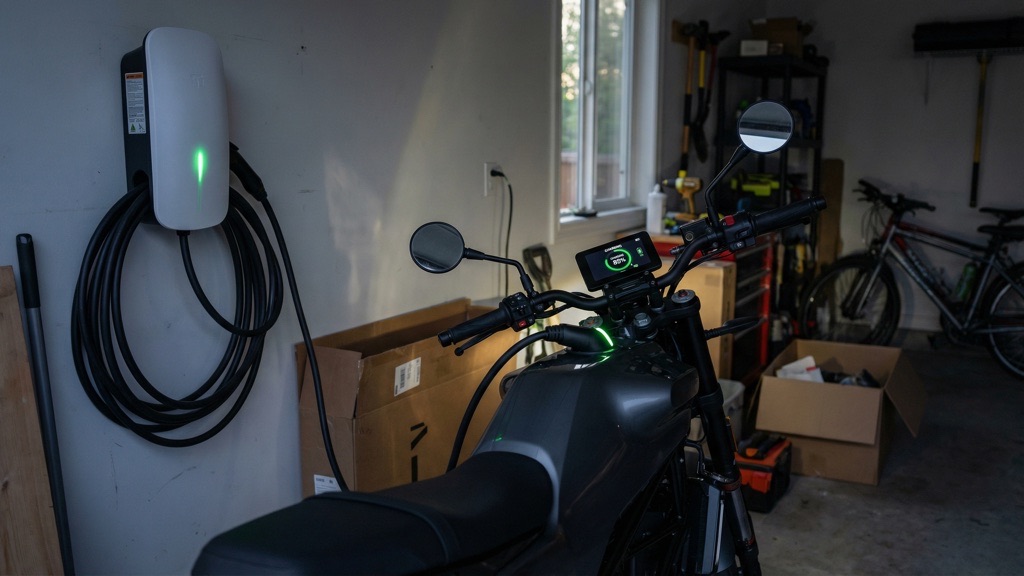
Assumptions (US average):
📊 5-Year Cost Breakdown
| Category | Zero SR/F | MT-07 |
|---|---|---|
| Purchase | $20,000 | $8,500 |
| Energy (5 yrs) | ~$2,250 | ~$3,800 |
| Maintenance | ~$1,200 | ~$4,000 |
| Insurance | ~$4,500 | ~$3,500 |
| Total Spent | ~$27,950 | ~$19,800 |
| Resale (est.) | ~$11,000 | ~$4,500 |
| True 5-Year Cost | ~$16,950 | ~$15,300 |
At 10k miles per year?
They’re closer than most riders expect.
📈 BREAK-EVEN MILEAGE
| Miles per Year | 5-Year Winner | Why |
|---|---|---|
| 3,000 | Gas | Electric savings too small |
| 6,000 | Gas | Fuel is not expensive enough |
| 10,000 | Close | Emotional decision |
| 12,500 | Electric | Maintenance gap grows |
| 15,000+ | Electric | Clear advantage |
🔹 Break-even: ~12,500 miles/year
Ride less → gas is smarter financially.
Ride more → electric becomes logical.
🧮 Cost Per Mile Comparison
| Miles per Year | Electric | Gas | Winner |
|---|---|---|---|
| 3,000 | ~$0.60 | ~$0.40 | Gas |
| 6,000 | ~$0.45 | ~$0.35 | Gas |
| 10,000 | ~$0.34 | ~$0.31 | Close |
| 15,000 | ~$0.29 | ~$0.33 | Electric |
| 20,000 | ~$0.25 | ~$0.36 | Electric |
Mileage determines everything.
🔋 Battery Degradation (5–7 Years)
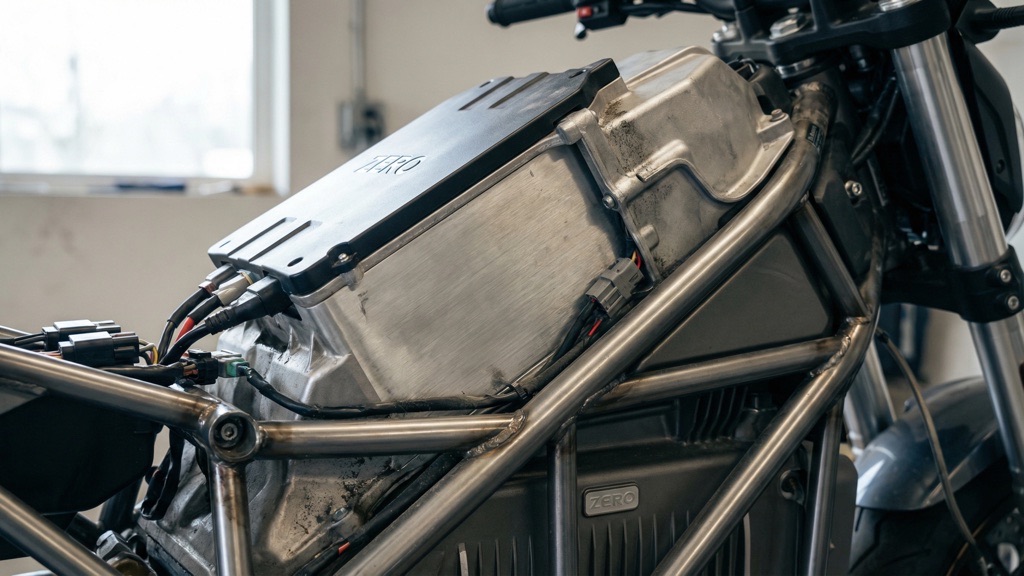
Typical real-world pattern:
A 160-mile bike becomes ~135–140 miles after 5 years.
Replacement cost: ~$4,000–6,000
Rare within the first 5–7 years for average riders.
Battery fear is often exaggerated for structured commuters.
❄️ Cold Weather Impact (Northern US / Europe)
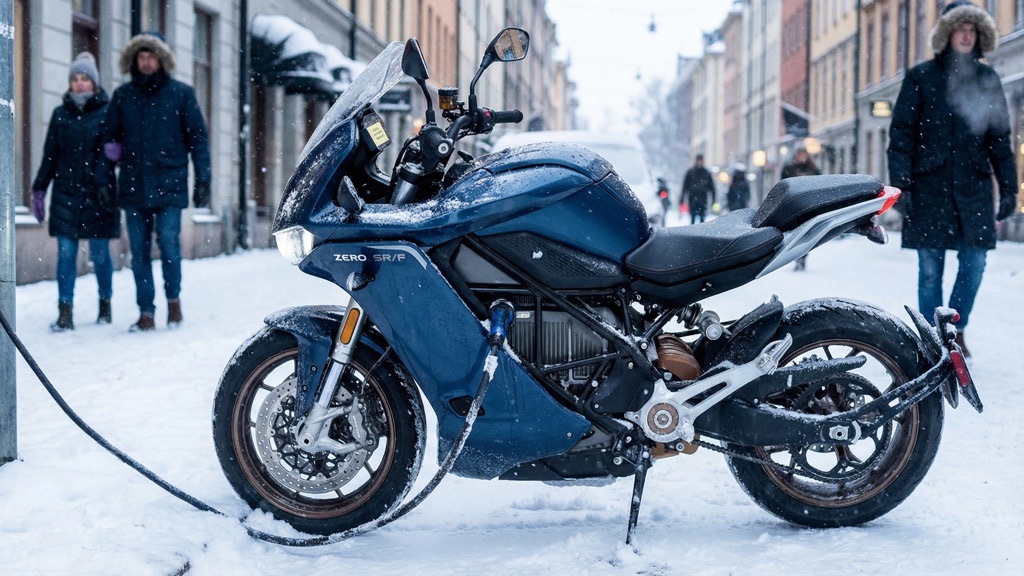
Electric:
Gas:
Electric works year-round — just with reduced flexibility in winter.
👍 PROS & 👎 CONS
⚡ Electric Pros
⚡ Electric Cons
⛽ Gas Pros
⛽ Gas Cons
⚔️ COMPARISON TABLE
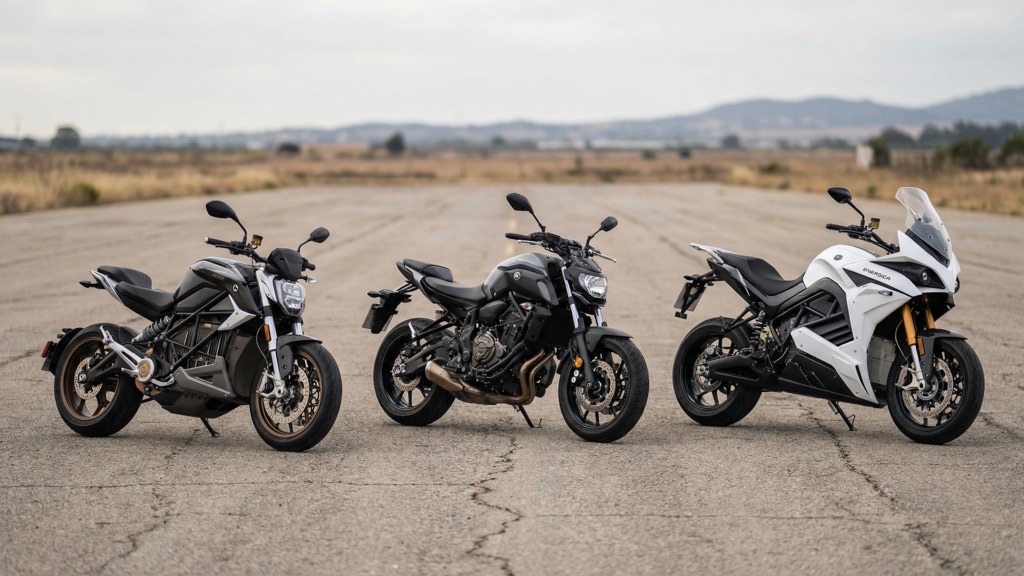
| Model | Power | Range | Weight | Price | Best For |
|---|---|---|---|---|---|
| Zero SR/F | 110 hp | 100–160 mi | 223 kg | $20k | Daily commuting |
| Yamaha MT-07 | 73 hp | 200 mi | 184 kg | $8.5k | Versatile riding |
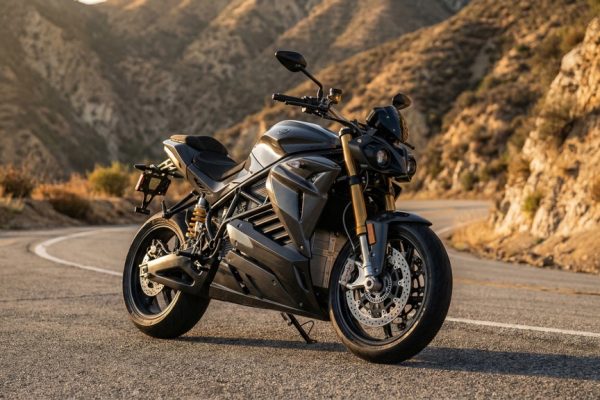
| Energica Experia | 102 hp | 160–260 mi | 260 kg | $25k+ | Electric touring |
🏁 FINAL RIDER VERDICT
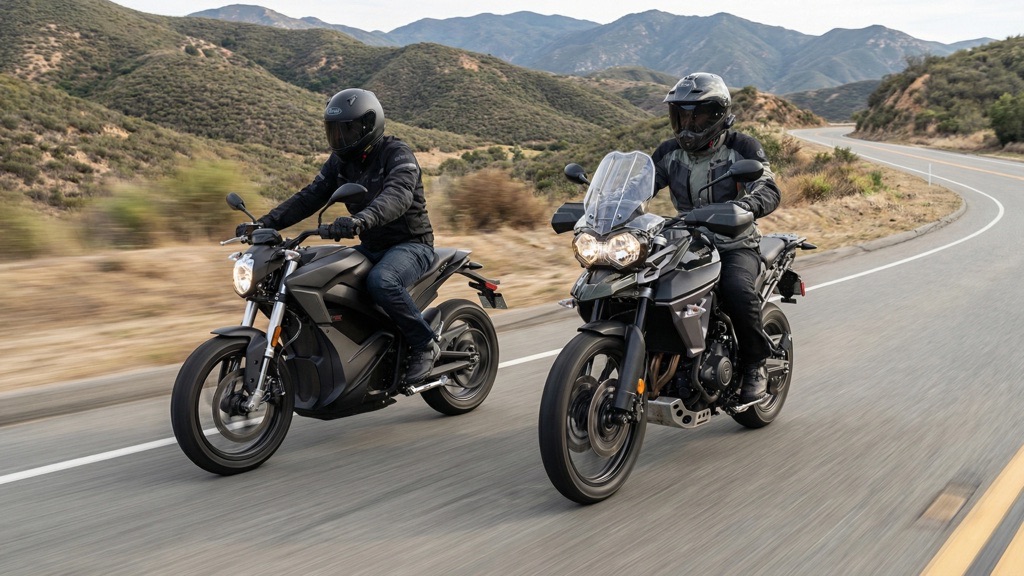
🔹 SHORT VERDICT
If you ride more than 12,500 miles per year and charge at home,
electric is financially and physically smarter.
If you ride occasionally or prioritize long, spontaneous trips,
gas remains the more flexible choice.
🔹 DETAILED VERDICT
Electric motorcycles are not automatically cheaper.
They become cheaper only for:
Gas motorcycles remain better for:
The mistake isn’t choosing electric.
The mistake is choosing the wrong bike for your riding pattern.
FAQ – Electric vs Gas Motorcycle Cost Comparison
Is an electric motorcycle cheaper than a gas motorcycle?
Only if you ride enough.
Above ~12,500 miles per year, electric can become cheaper over 5–7 years.
Below that, gas usually wins financially.
What is the break-even mileage?
Around 12,000–13,000 miles per year over a 5-year period.
Do electric motorcycles save money on maintenance?
Yes. They eliminate oil changes, valve adjustments, clutch wear, and spark plugs.
Over 5 years, savings can reach $2,000–4,000 compared to mid-size gas bikes.
How much does it cost to charge an electric motorcycle?
Typically $0.02–$0.04 per mile at home in the US and Europe.
Gas motorcycles average $0.07–$0.10 per mil,e depending on fuel prices.
Do electric motorcycles depreciate faster?
Yes in the first 2–3 years.
After year 4–5, depreciation stabilizes.
Frequent bike flippers should consider this carefully.
Will I need to replace the battery in 5 years?
Unlikely under normal use.
Most batteries retain ~85–90% capacity after 5 years.
Are electric motorcycles good for long-distance touring?
Possible — but planning is required.
For frequent 300+ mile days, gas remains more convenient.