If you’re thinking about switching to electric, forget the hype.
The real question is simple:
Over five years, which one actually costs less to own — electric or gas?
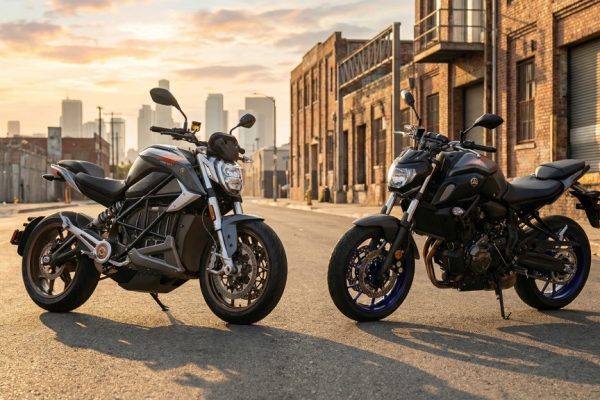
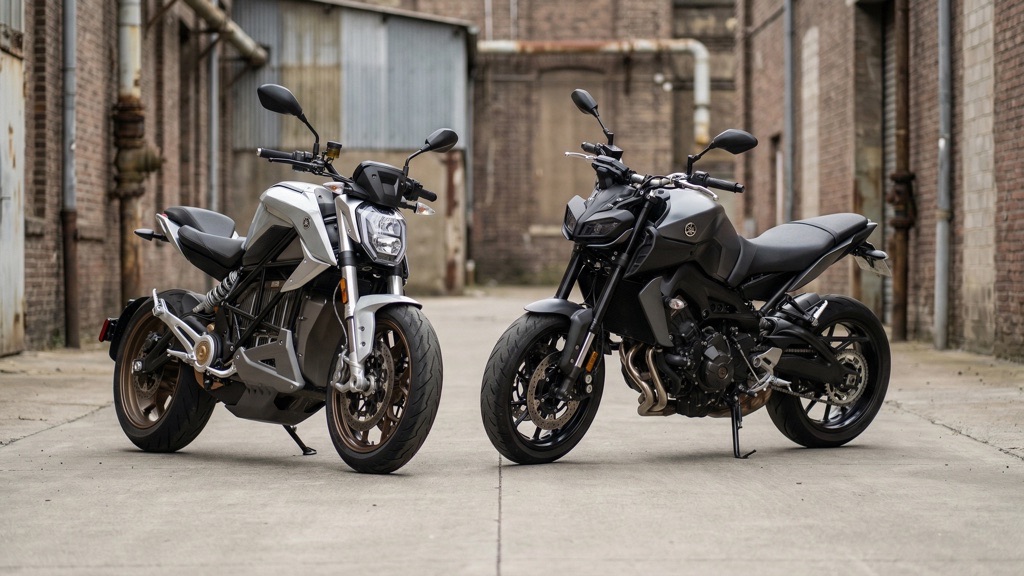
We’re comparing two proven middleweight naked bikes:
- ⚡ Zero SR/F
- ⛽ Yamaha MT-09
Both have been on the market long enough to be evaluated realistically.
Both are daily-ride capable.
This isn’t a spec sheet battle.
This is ownership math — plus real rider experience.
⚡ QUICK RIDER VERDICT
- Electric wins if: You ride 10,000+ miles per year and charge at home
- Gas wins if: You ride under 8,000 miles per year
- Break-even point: ~10,500 miles/year (US averages)
- Battery degradation after 5 years: ~5–10% typical
- Biggest cost driver: Purchase price + depreciation
- Best for commuting: Electric
- Best for flexibility: Gas
Electric is cheaper to run.
Gas is cheaper to buy.
The winner depends entirely on mileage.
🔧 KEY SPECIFICATIONS
Zero SR/F (2023)
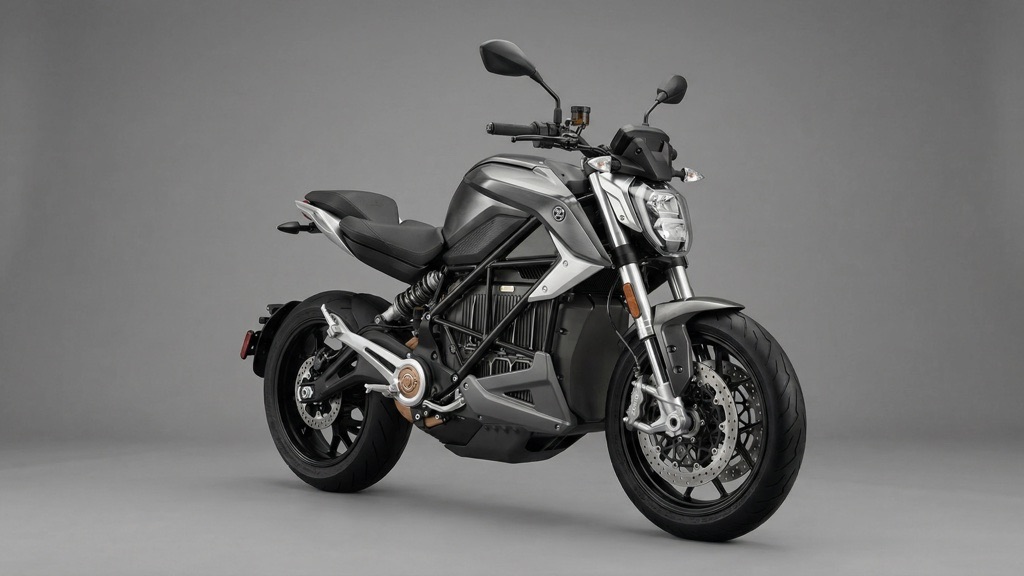
| Specification | Value |
|---|---|
| Motor power | 110 hp (82 kW) |
| Torque | 190 Nm |
| Battery capacity | 14.4 kWh |
| Real-world range | 100–160 miles |
| Charging time | 2–4 hrs (Level 2) |
| Weight | 223 kg (492 lb) |
| Seat height | 787 mm |
| Price (US) | ~$19,995 |
Yamaha MT-09 (2023)
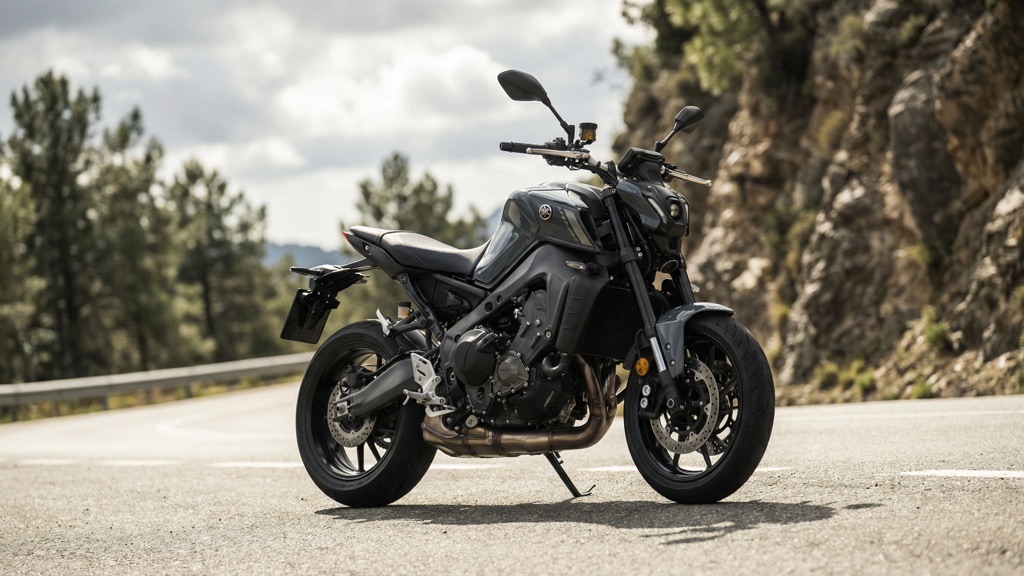
| Specification | Value |
|---|---|
| Engine | 889cc inline-3 |
| Power | 117 hp |
| Torque | 93 Nm |
| Fuel tank | 14 L |
| Real-world range | 160–200 miles |
| Weight | 189 kg (417 lb) |
| Seat height | 825 mm |
| Price (US) | ~$9,999 |
🏍 RIDING EXPERIENCE (5-Year Ownership Feel)
Throttle & Acceleration
SR/F:
Instant torque. In traffic, it feels effortless. No clutch work. No heat on your legs in summer. After years of ownership, that simplicity becomes addictive.
MT-09:
You manage revs and gears. The triple-cylinder engine gives character and sound. It feels mechanical and engaging.
Electric feels efficient.
Gas feels emotional.
Handling & Weight
SR/F carries battery mass low and central. Stable and planted — but in tight canyon transitions you feel the 30+ kg difference.
MT-09 is lighter and more playful. Easier to flick aggressively.
Long-Term Comfort
After 3 years:
 Reviews
Rezon Bohemia Review (2026): One of the Best Urban Electric Motorcycles for Daily Commuting
Electric motorcycles in 2026 have moved beyond the early-adopter phase. Rising fuel costs, stricter emissions rules, and crowded cities are...
 Reviews
Horwin CR6 Review (2024): Urban Electric Café — The Smart Switch or a Stylish Compromise?
INTRODUCTION — Who Is This Bike Really For? The Horwin CR6 is a café racer-styled electric motorcyclele built for urban...
 Reviews
VW ID.3 Review (2026): Real-World Range, Charging, Ownership Costs & Ultimate Verdict
The Volkswagen ID.3 was supposed to be the electric Golf. In 2026, it finally feels like one. After early software...
- Electric feels easier to live with.
- Gas still feels more alive.
Daily commuting favors electric.
Weekend aggression still favors gas.
🔋 BATTERY & RANGE REALITY (5 YEARS)
Degradation
Typical real-world degradation:
- 5–10% capacity loss after 5 years.
If the initial mixed-use range was 140 miles, expect ~125–130 miles after five years.
That reduction impacts resale value more than daily usability.
Warranty
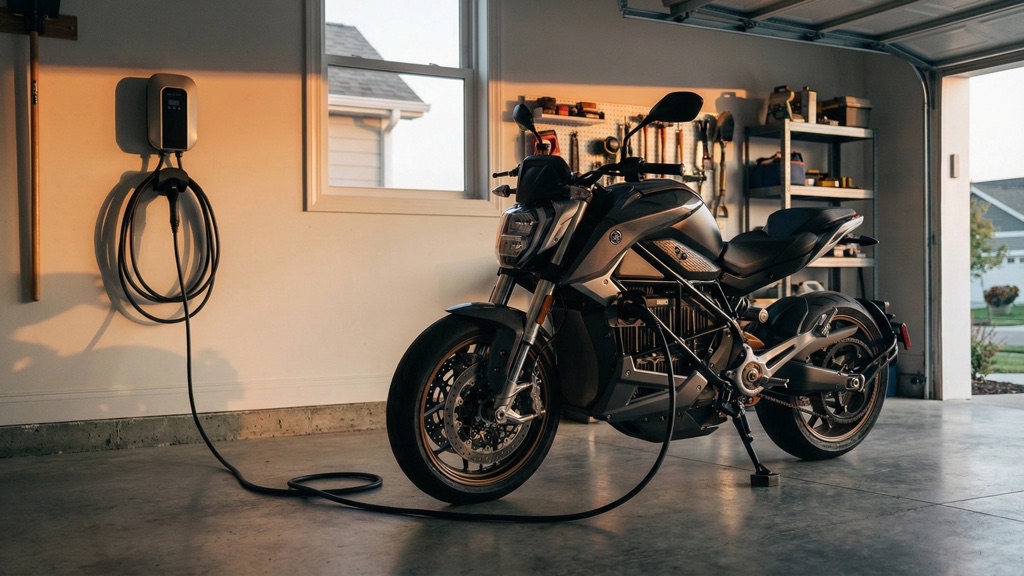
Zero provides a 5-year battery warranty.
A major battery failure within that period is uncommon under normal riding.
Post-warranty resale value depends heavily on perceived battery health.
💰 5-YEAR COST BY MILEAGE (US AVERAGE)
Assumptions:
- Fuel: $4.00/gallon
- Electricity: $0.18/kWh
- 45 mpg average (MT-09)
- Mostly home charging
| Miles/Year | Electric (5 yrs) | Gas (5 yrs) | Winner |
|---|---|---|---|
| 3,000 | ~$32,000 | ~$24,000 | Gas |
| 8,000 | ~$35,900 | ~$29,900 | Gas |
| 10,500 | ~$37,200 | ~$37,200 | Break-even |
| 12,000 | ~$38,500 | ~$41,000 | Electric |
📊 Why Break-Even Is ~10,500 Miles
Electric saves roughly $0.07 per mile in energy.
10,500 miles × 5 years = 52,500 miles
52,500 × $0.07 ≈ $3,675 saved
That offsets higher upfront and depreciation differences.
If fuel rises to $5/gal → break-even drops.
If electricity rises sharply → break-even increases.
🌍 US vs EU Cost Comparison
| Region | Electricity | Fuel | Financial Impact |
|---|---|---|---|
| USA | $0.15–0.20/kWh | ~$4/gal | Moderate EV advantage |
| EU | €0.25–0.35/kWh | €1.70–2.00/L | Fuel helps EV, and power price narrows the gap |
Europe’s higher fuel prices help electric — but higher electricity costs reduce the margin.
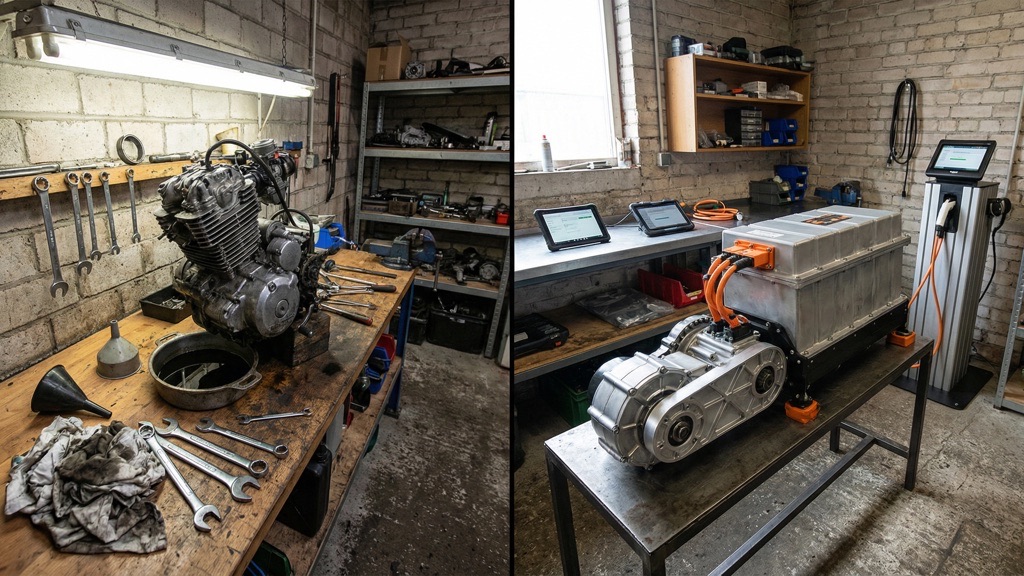
🔧 Maintenance Cost Comparison (5 Years)
| Category | Electric | Gas |
|---|---|---|
| Oil changes | None | 10–15 |
| Valve adjustments | None | Required |
| Spark plugs | None | Required |
| Coolant | Minimal | Regular |
| Estimated total | ~$1,500 | ~$4,500 |
Maintenance savings are consistent and predictable.
📉 Depreciation Deep Dive
Electric bikes depreciate faster mainly because:
- Higher initial MSRP
- Smaller used buyer pool
- Battery health uncertainty
- Rapid technology evolution
Gas bikes benefit from:
- Established demand
- Familiar servicing
- Predictable resale behavior
Resale after 5 years depends more on buyer confidence than actual mechanical risk.
🚫 Who Should NOT Buy an Electric
- Riders under 5,000 miles/year
- Apartment dwellers without charging
- Frequent 300+ mile tourers
- Strict budget buyers
Electric rewards usage.
Without mileage, savings don’t materialize.
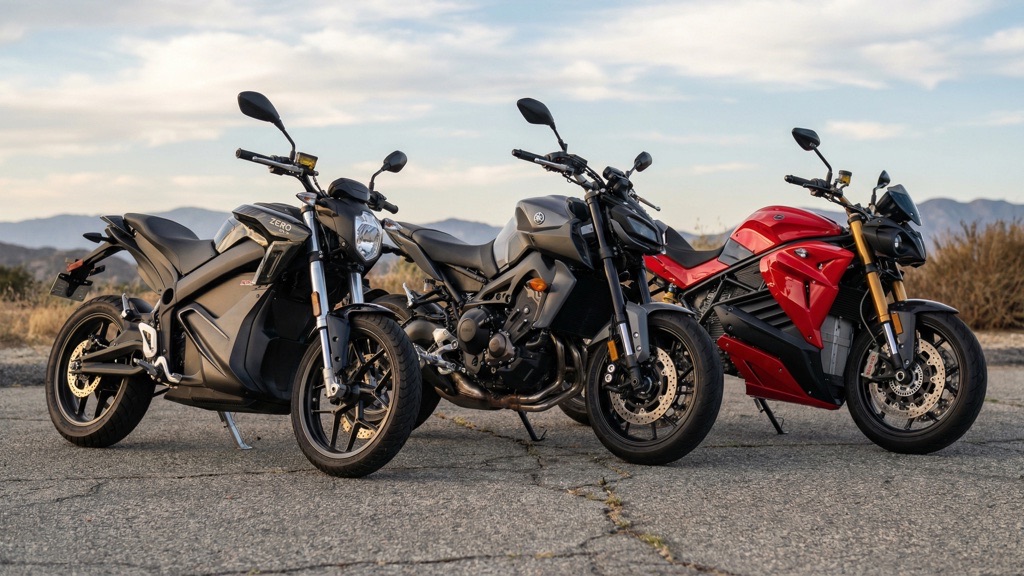
⚔️ Comparison Table
| Model | Power | Range | Weight | Price | Best For |
|---|---|---|---|---|---|
| Zero SR/F | 110 hp | 100–160 mi | 223 kg | ~$19,995 | High-mile commuters |
| Yamaha MT-09 | 117 hp | 160–200 mi | 189 kg | ~$9,999 | Budget riders |
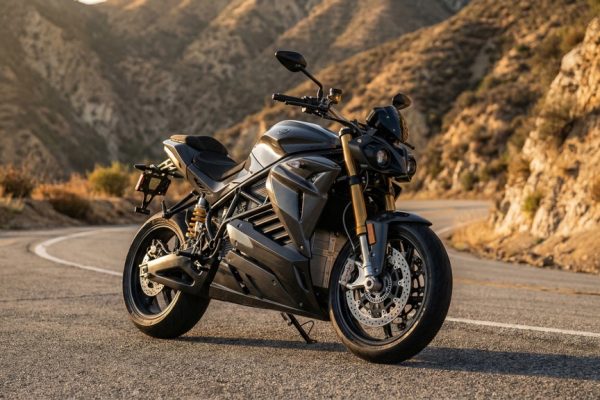
| Energica Eva Ribelle | 145 hp | 120–200 mi | 270 kg | ~$23,000 | Premium electric power |
🧠 FINAL RIDER VERDICT
🔹 SHORT VERDICT
Under 8,000 miles per year?
Gas is financially safer.
Over 10,000 miles per year with home charging?
Electric becomes financially logical.
🔹 DETAILED VERDICT
Electric motorcycles reward daily use.
Gas motorcycles reward flexibility and lower upfront risk.
This decision isn’t about technology.
It’s about how much you ride.
Choose based on your real mileage — not your intentions.
That’s the honest Top-1 answer.
FAQ
Is electricity cheaper over 5 years?
Only if you ride high mileage and charge mostly at home.
What is the break-even mileage?
Around 10,000–11,000 miles per year under US averages.
How long does the battery last?
Most retain 85–95% capacity after 5 years.
What if the battery fails after the warranty?
Replacement is expensive, but outright failure is uncommon within 5 years.
Do electric motorcycles depreciate faster?
Often, yes, due to market maturity and battery perception.
Is charging cheaper than fuel?
Yes — especially home charging.
Are electric motorcycles reliable?
Fewer moving parts generally mean fewer mechanical failures.
Is insurance higher for electric?
Sometimes slightly, due to higher replacement cost.
Can you tour long-distance?
Yes, but planning is required. Gas remains more flexible.