
Introduction
“Up to 100 miles.”
That’s what many e-bike spec sheets promise in 2026.
In real riding — traffic, wind, hills, real rider weight — most people see significantly less.
This guide explains how range actually works, how to calculate your personal number, achoose the right battery sizettery size without overpaying. It’s based on real-world riding logic, not lab conditions.
If you want clarity instead of marketing math, this is the page to read.
TL;DR (Read This First)
Most riders need: 500–750Wh
Real-world range: 25–40% lower than claimed
Average consumption: 18–22 Wh per mile (mixed riding)
Best efficiency: Mid-drive (especially for hills)
Smart rule: Calculate your Wh per mile before buying
Decision shortcut:
- Under 15 miles daily → 500Wh
- 15–30 miles → 625–750Wh
- 30+ miles → 750Wh or dual battery
Table of Contents
- Battery Capacity Explained (Wh Made Simple)
- How to Calculate Your Real E-Bike Range
- Real vs Claimed Range
- 500Wh vs 750Wh ComparMid-Drive vs Hub Motor Efficiency
- What Actually Drains Your Battery
- Mid-Drive vs Hub Motor Efficiency
- Speed Classes & Range Impact
- Battery Degradation (What Happens Over Time)
- Common Range Myths
- 2026 Price vs Battery Reality
- Who Should (and Shouldn’t) Buy a Big Battery
- FAQ
- Final Expert Verdict
Battery Capacity Explained (Wh Made Simple)
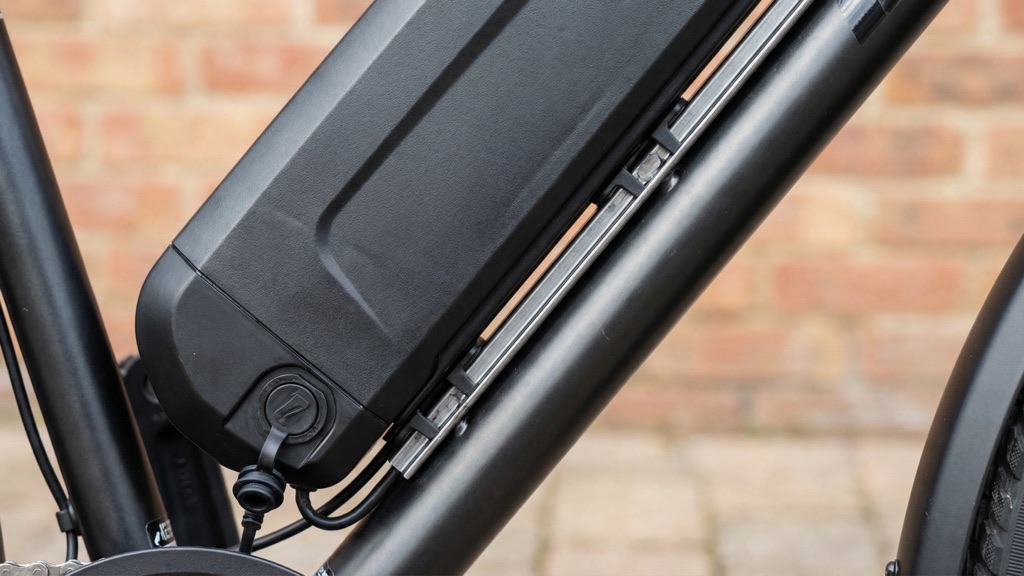
Everything starts with one number:
Watt-hours (Wh).
Formula:
Wh = Volts × Amp-hours
Example:
48V × 14Ah = 672Wh
That’s your total stored energy.
But the range depends on how fast you use it.
In real-world mixed riding, most commuter e-bikes consume:
18–22 Wh per mile
That’s the practical baseline for 2026.
How to Calculate Your Real E-Bike Range
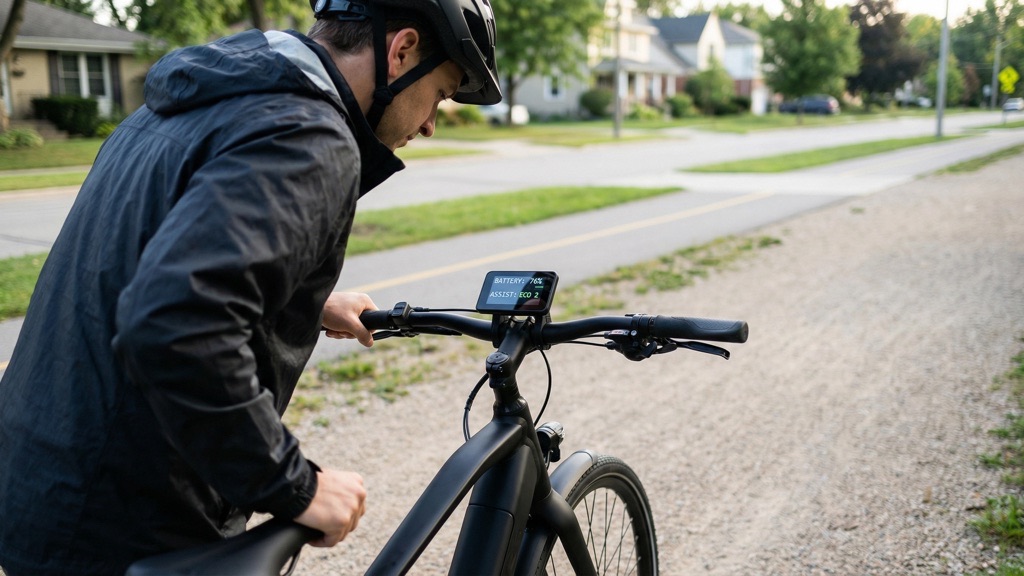
This is the most important part.
Step 1: Find your battery size
Example: 750Wh
Step 2: Estimate your usage
- Flat city, Eco → 12–15 Wh/mi
- Mixed riding → 18–22 Wh/mi
- Hills / high assist → 22–30 Wh/mi
Step 3: Divide
750Wh ÷ 20 Wh/mi = 37 miles
That’s realistic mixed riding.
Step 4: Add a safety buffer
37 × 0.8 = ~30 dependable miles
That’s your real planning number.
 Reviews
Tesla Model S vs Porsche Taycan: Ultimate 2026 Comparison
TL;DR The Tesla Model S vs Porsche Taycan comparison in 2026 is about ownership philosophy, not just speed. Choose Tesla...
 Reviews
2024 Ford Mustang Mach E Rally: The Ultimate Electric Off-Road Crossover
The new 2024 Ford Mustang Mach E Rally is no mere show pony – it’s a seriously capable electric off-road...
 Reviews
Electric Bike Maintenance Costs Explained (2026 Real Ownership Guide)
Buying an e-bike is easyn e-bike is easy. Understanding what it really costs to own for 5+ years is not....
How Far Can a 750Wh E-Bike Go?
In mixed real-world riding:
- Flat city → 60–75 miles
- Moderate terrain → 45–60 miles
- Hills / higher assist → 30–45 miles
It depends more on terrain and speed than brand name.
Real vs Claimed Range
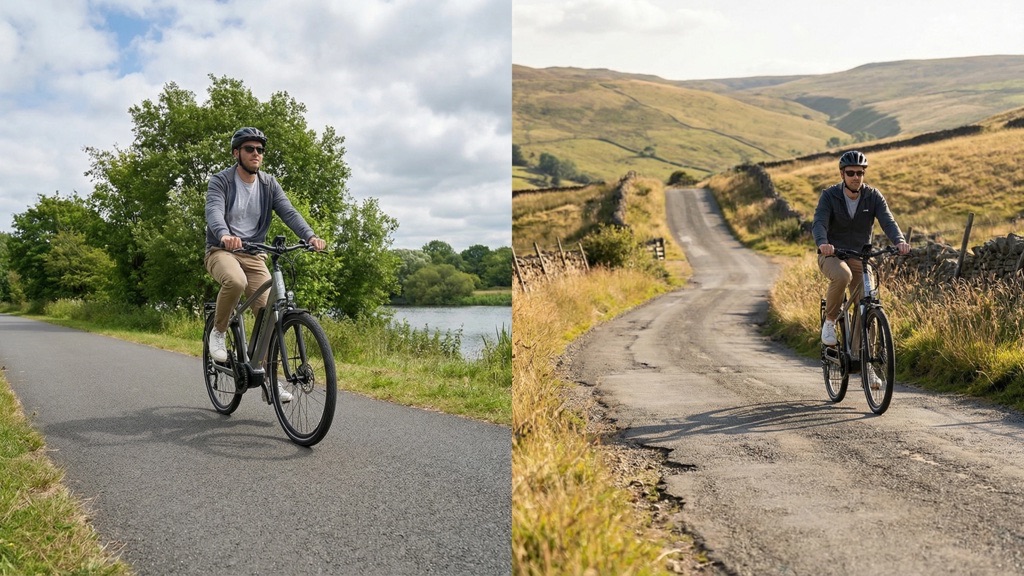
When brands say:
“Up to 75 miles”
They usually test:
- 150 lb rider
- Flat surface
- Lowest assist
- No wind
- Steady ~15 mph
In normal riding?
Expect 40–55 miles.
Safe buyer rule:
Subtract 30%.
Subtract 40% if you ride fast or climb often.
Real Rider Scenarios
Rider A
165 lb, flat city, Eco
500Wh
→ 40–50 miles
Rider B
220 lb, rolling hills, moderate assist
500Wh
→ 28–35 miles
Rider C
210 lb, steep hills, Turbo
750Wh
→ 30–45 miles
Range is physics — not branding.
500Wh vs 750Wh: Which Should You Buy?
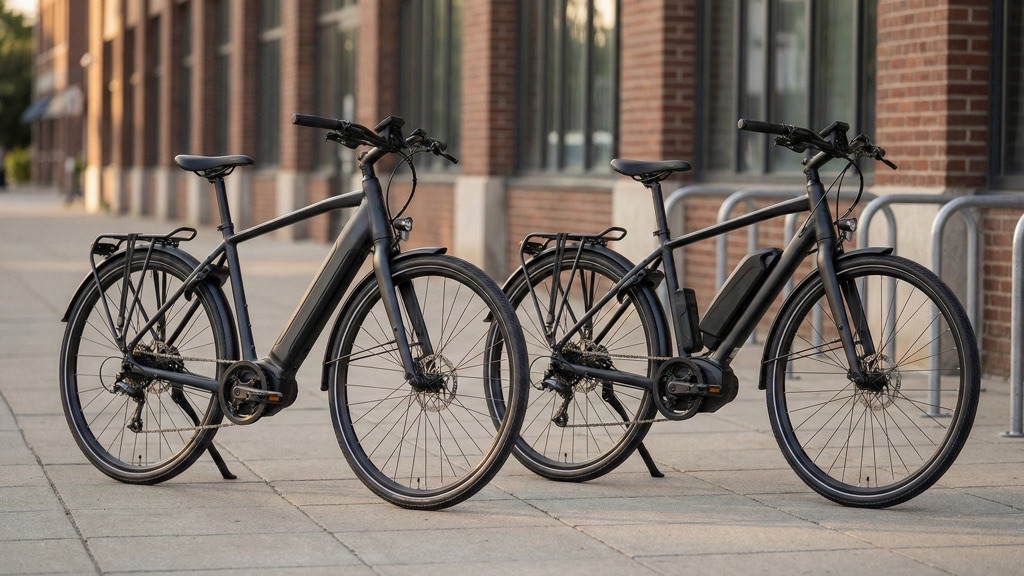
| Feature | 500Wh | 750Wh |
|---|---|---|
| Real range | 30–45 mi | 45–75 mi |
| Weight | Lighter | +2–4 kg |
| Cost increase | — | +$300–$600 |
| Best for | Daily city commute | Long or hilly rides |
The honest answer:
If you ride under 15–20 miles daily,
500Wh is usually enough.
If you ride 25+ miles or have hills,
750Wh gives flexibility and less range anxiety.
Oversizing a battery adds cost and weight you may not need.
Real-World Range Table
| Riding Style | 500Wh | 750Wh |
|---|---|---|
| Eco, flat | 40–50 mi | 60–75 mi |
| Mixed riding | 30–40 mi | 45–60 mi |
| Hills + high assist | 20–30 mi | 30–45 mi |
| Heavy throttle | 15–25 mi | 25–40 mi |
Throttle-only riding drains batteries fastest.
What Actually Drains Your Battery
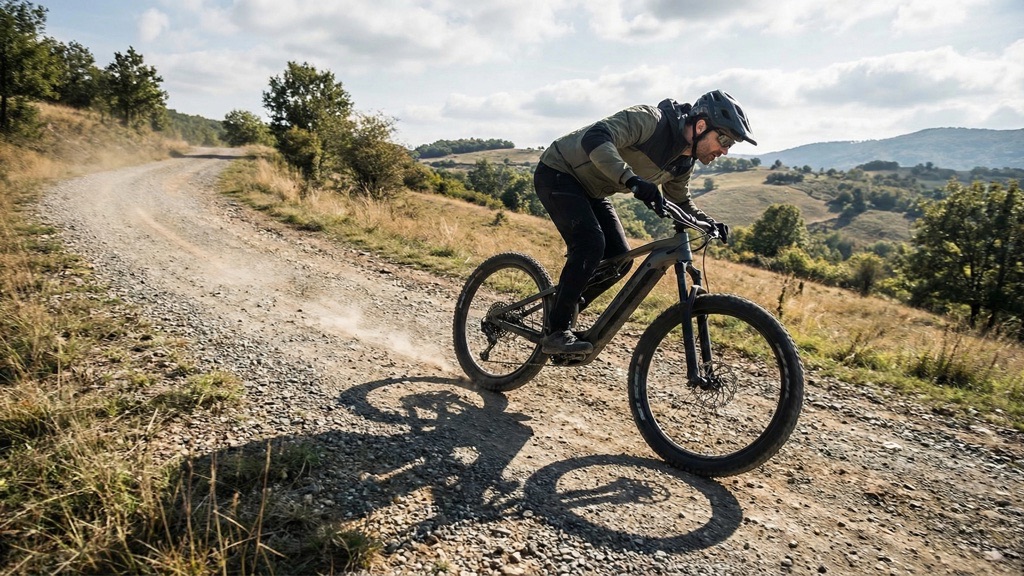
1. Speed
Air resistance increases exponentially.
Riding 28 mph instead of 20 mph can reduce range by 30–40%.
2. Hills
Climbing uses more energy than cruising on flat ground.
3. Assist Level
Turbo mode can cut your range nearly in half.
4. Rider Weight
Every extra 25 lb can reduce range by 5–10%.
5. Temperature
Cold weather reduces battery efficiency by 10–20%.
Mid-Drive vs Hub Motor Efficiency
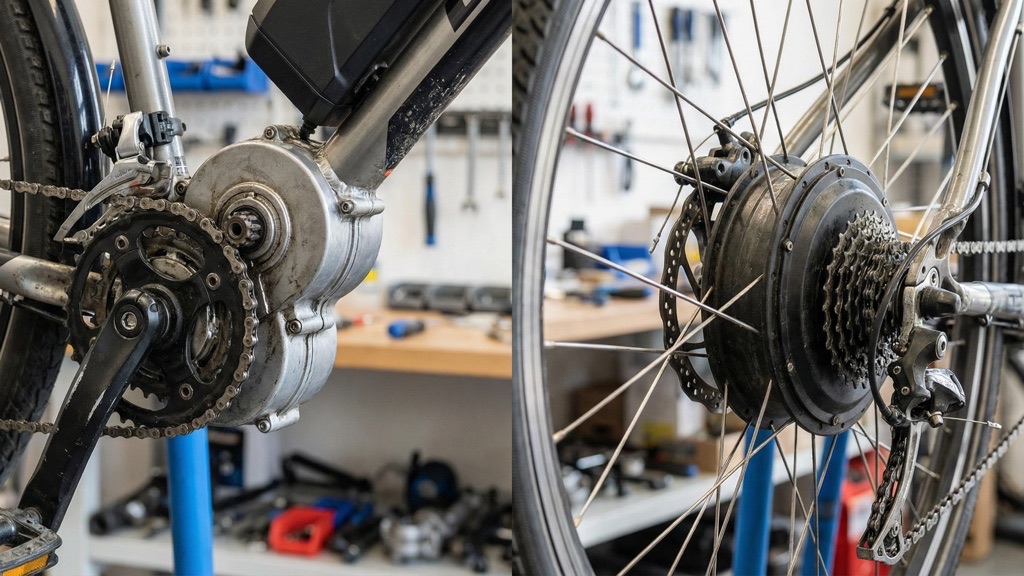
Mid-Drive Motor
Mounted at the crank and uses bike gears.
Efficiency difference:
- Flat terrain → similar to hub
- Moderate hills → 10–20% more efficient
- Steep climbs → up to 25–30% more efficient
Better for range on elevation.
Hub Motor
Mounted inside the wheel.
- Excellent for flat cities
- Simpler and cheaper
- Less efficient under heavy load
Heavy throttle use reduces range significantly.
Speed Classes & Range Impact
| Class | Max Assist Speed | Range Efficiency |
|---|---|---|
| Class 1 | 20 mph | Most efficient |
| Class 2 | 20 mph + throttle | Lower if the throttle is used |
| Class 3 | 28 mph | Shortest range |
Higher speed always means shorter range.
Battery Degradation (What Happens Over Time)
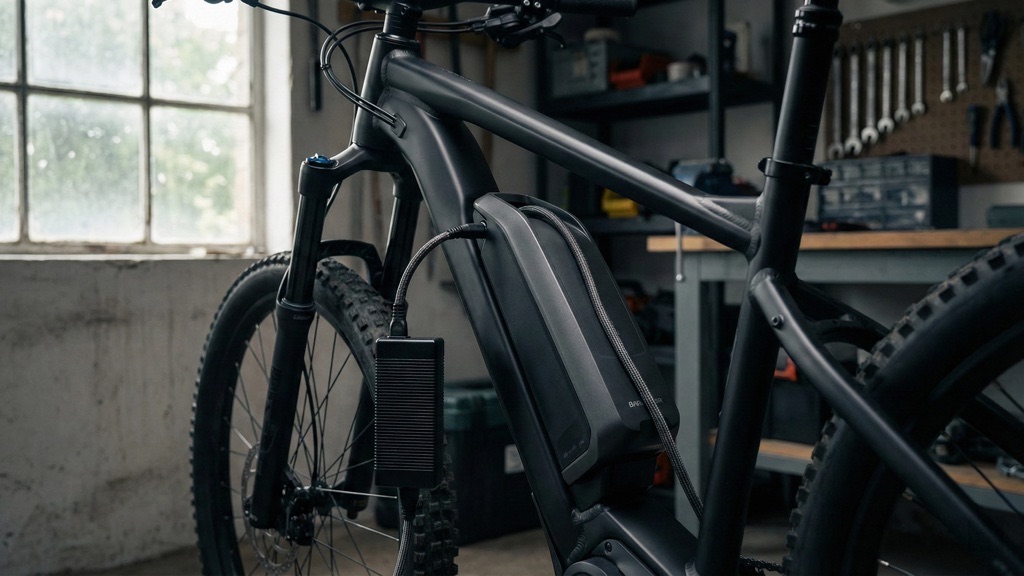
Lithium batteries slowly lose capacity.
Typical expectation:
- 5–10% loss per year
- After 3 years, a 750Wh battery may perform like ~680Wh
When calculating range for long-term ownership, factor this in.
Buying slightly more capacity than your absolute minimum can make sense.
Common Range Myths
Myth: Bigger motor = longer range
False. More power often increases consumption.
Myth: 1000W is always better
Not for efficiency.
Myth: Dual battery doubles range
Only if riding conditions stay the same.
Myth: Claimed range is average
It’s the best-case scenario.
2026 Price vs Battery Reality
| Price | Typical Battery | Realistic Range |
|---|---|---|
| $800–$1,200 | 360–500Wh | 20–40 mi |
| $1,200–$2,000 | 500–720Wh | 30–60 mi |
| $2,000–$3,500 | 625–750Wh | 40–75 mi |
| $3,500+ | 750–1000Wh | 50–100 mi |
2026 sweet spot:
$1,500–$2,500 with 500–720Wh.
Who Should Buy a Bigger Battery
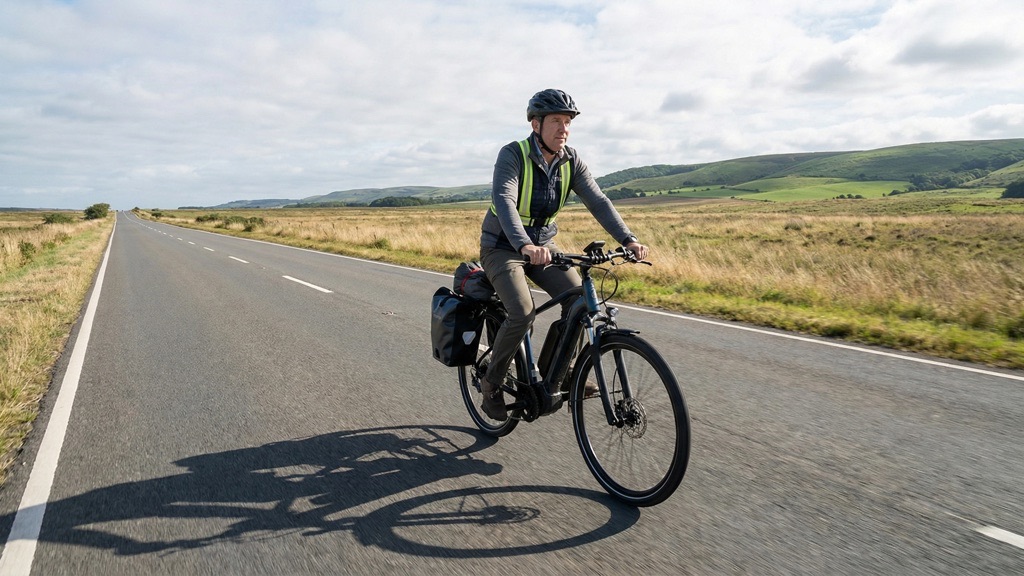
- 20+ mile commuters
- Rural riders
- Delivery riders
- Touring cyclists
- Riders without daily charging access
Who Should Avoid Oversized Batteries
- 5–10 mile commuters
- Students
- Riders carrying bikes upstairs
- Daily chargers
An extra battery you don’t use is just extra weight.
Final Expert Verdict
Range anxiety is usually a math problem — not a battery problem.
Ignore the “up to” number.
Instead:
- Calculate your Wh per mile.
- Divide battery size by consumption.
- Add a 20% buffer.
- Account for long-term degradation.
For most riders in 2026:
500–750Wh + efficient motor = optimal balance.
Buy for your real commute, not marketing headlines.
That’s how you choose correctly the first time.
FAQ
How accurate are e-bike range claims?
Typically 25–40% higher than real-world riding.
Is 500Wh enough?
For most riders under 20 miles daily — yes.
What is the average Wh per mile?
Most riders use 18–22 Wh per mile in mixed conditions.
Does throttle reduce range?
Yes. Heavy throttle use can reduce range by 30% or more.
Is 750Wh worth it?
For longer or hilly commutes — yes. For short flat rides — often unnecessary.