
Choosing between an electric bike and a regular bicycle sounds simple — until you actually try to decide.
In 2026, e-bikes are lighter, smarter, and more reliable than early models. Prices have stabilized. Battery systems are better integrated. At the same time, traditional bikes remain cheaper, lighter, and mechanically simple.
This guide is based on real-world riding — 3,000+ km of commuting, 8–12% urban hills, strong headwinds, mixed weather, and long-term ownership. No hype. Just clear, practical insight so you can make the right decision for how you actually ride.
TL;DR (Quick Decision Block)
Best for daily commuting (8–25 km):
→ E-bike
Best for sport, training, and simplicitMotor recommendation (if buying an e-bike): → Mid-drive for hills → Hub motor for flat citiesub motor for flat cities
Battery sweet spot Buy an e-bike if: You face hills or strong winds
Stick to a regular bike if:
- You ride mainly for sport
- You carry your bike upstairs daily
- Budget is tight
- Rides are short and flat
Table of Contents
- The Core Difference
- Real-World Effort & Fitness
- Speed & Commute Time
- Hills & Wind: The Real Turning Point
- Motor Types (Mid-Drive vs Hub)
- Battery & Real-World Range
- Weight & Handling
- True Cost Comparison (Including ROI)
- Speed Classes (US & EU)
- What Actually Matters (Hidden Factors)
- Decision Framework
- FAQ
- Final Expert Verdict
The Core Difference
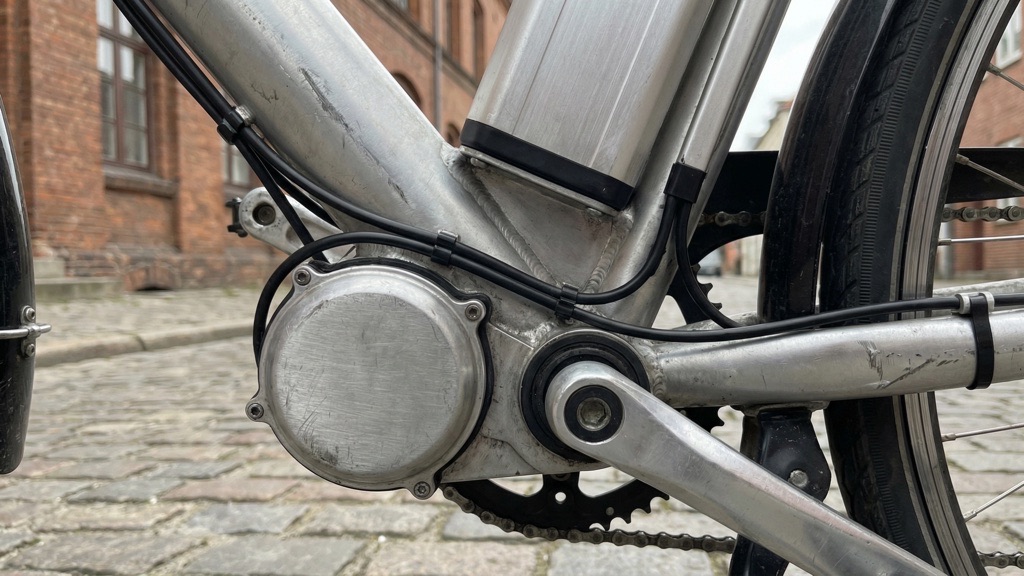
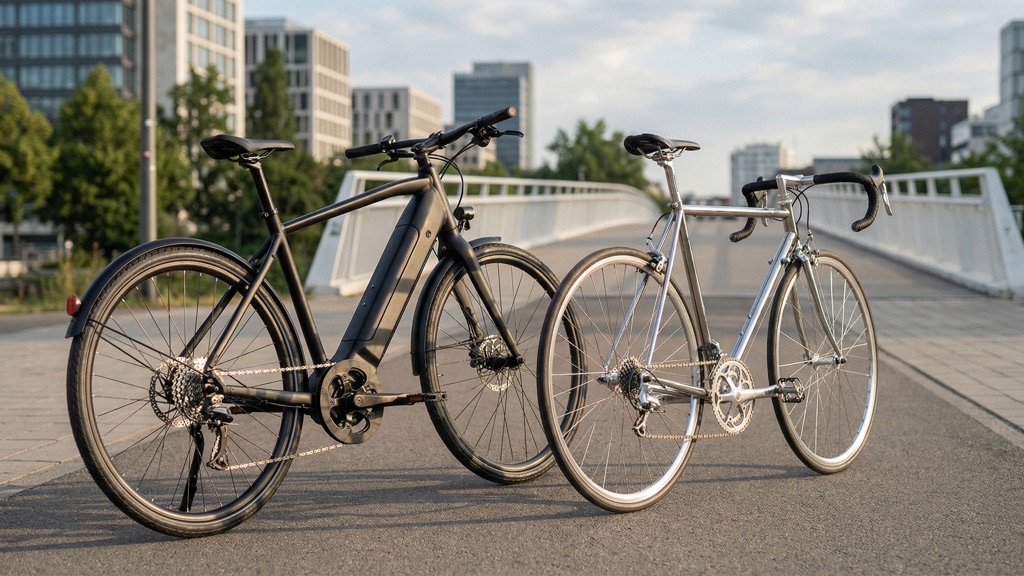
A regular bike runs purely on your legs.
An e-bike adds:
- Motor
- Battery
- Controller
- Pedal sensor
When you pedal, the motor assists you. It multiplies your effort.
That single change affects speed, fatigue, hills, commute time, and long-term consistency more than most first-time buyers expect.
Real-World Effort & Fitness
Regular Bike
- Full physical load
- Higher cardiovascular demand
- Lightweight and agile
- You feel every hill and wind gust
E-Bike
- Adjustable assist levels
- Reduced joint strain
- Longer rides become realistic
- More consistent weekday commuting
Expert Insight (3,000+ km tested):
In real commuting scenarios, most riders don’t become less active with an e-bike — they ride more often. Windy day? Still ride. Long workday? Still ride. Mild knee pain? Still ride.
If your goal is athletic performance training → regular bike wins.
If your goal is consistent transportation and replacing car trips → e-bike often increases total weekly activity.
Speed & Commute Time
| Bike Type | Realistic Average Speed |
|---|---|
| Regular bike | 15–22 km/h |
| E-bike (25 km/h assist) | 22–25 km/h |
| E-bike (28 mph / 45 km/h assist where legal) | 25–32 km/h |
Example: 15 km commute
- Regular bike → 45–60 minutes
- E-bike → 30–40 minutes
That’s 10–20 minutes saved per trip.
Over a year (5 days/week), that’s 80–160+ hours.
Time is rarely calculated — but it’s one of the biggest hidden benefits.
Hills & Wind: The Real Decision Trigger
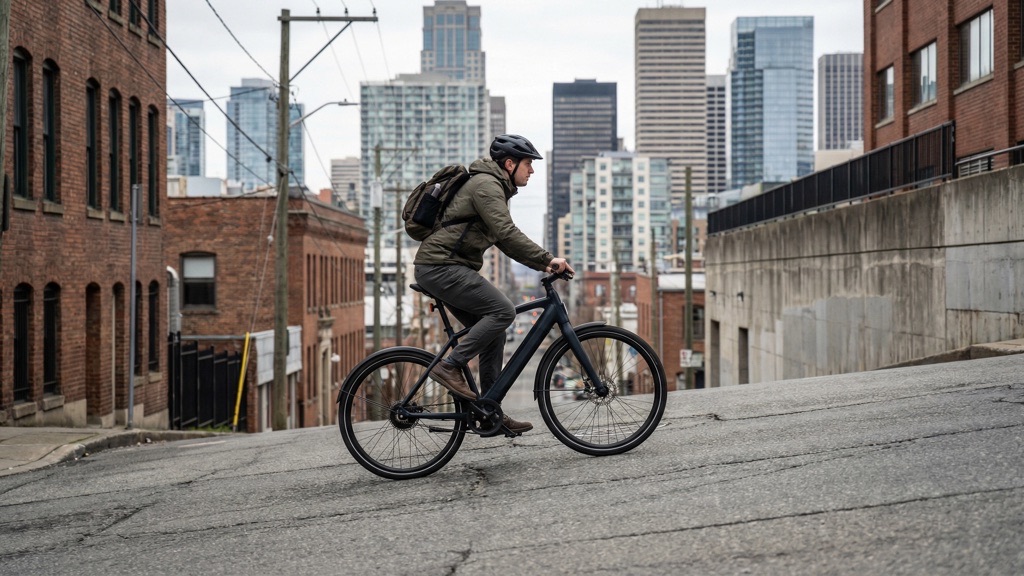
On flat terrain, the difference feels moderate.
 Reviews
Revving Up the Future: Exploring the Rise of Electric Motorcycles
Welcome to the future of motorcycling! In this post, we’ll dive into the exciting world of electric motorcycles. As the...
 Reviews
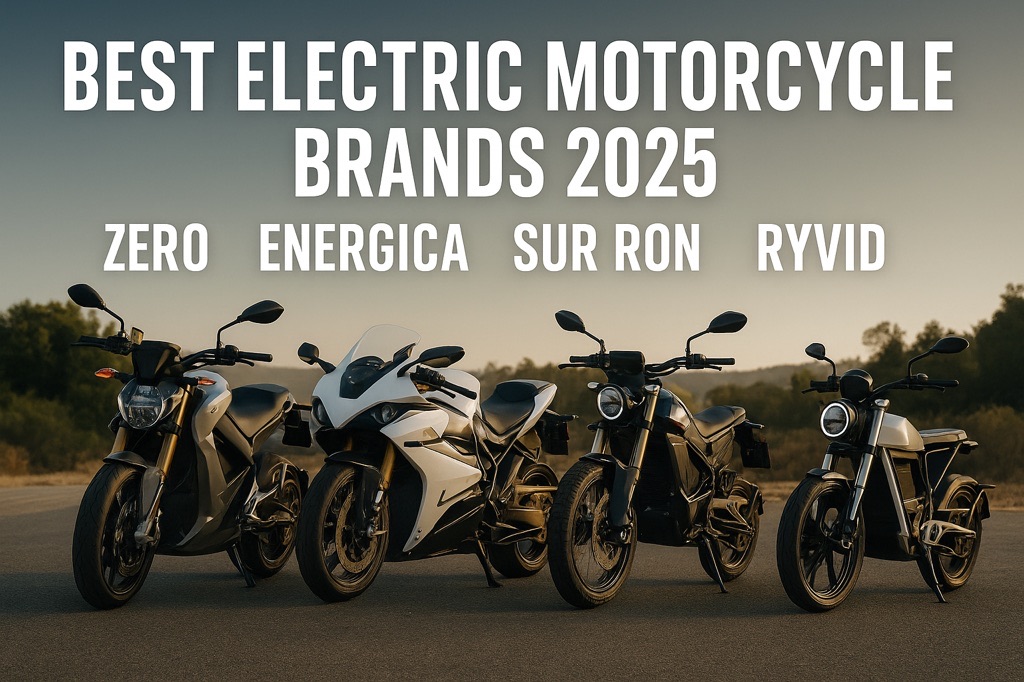
Best Electric Motorcycle Brands: Zero, Energica, Sur Ron, Ryvid (2025 Guide)
Electric motorcycles are rapidly transforming the two-wheeler world. Among dozens of manufacturers, four brands stand out as the most innovative...
 Reviews
Electric Car Buying Guide 2026: The Smart Buyer’s Decision Framework
In 2026, buying an electric car isn’t risky. Buying the wrong electric car is EVs are no longer early-adopter experiments....
On 8–12% urban hills or long bridges:
- Regular bike → heart rate spikes, cadence drops
- Mid-drive e-bike → steady cadence, controlled effort
Strong headwind?
Heavy backpack?
Child seat?
This is where many riders stop cycling altogether — and where e-bikes remove that friction.
Motor Types: Mid-Drive vs Hub Motor
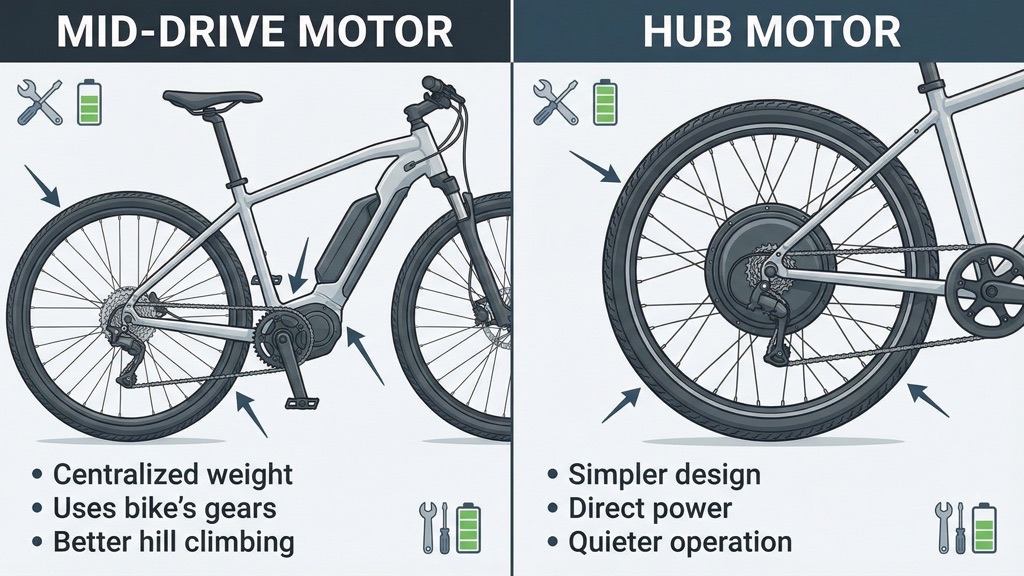
This is the most important technical decision.
Mid-Drive Motor
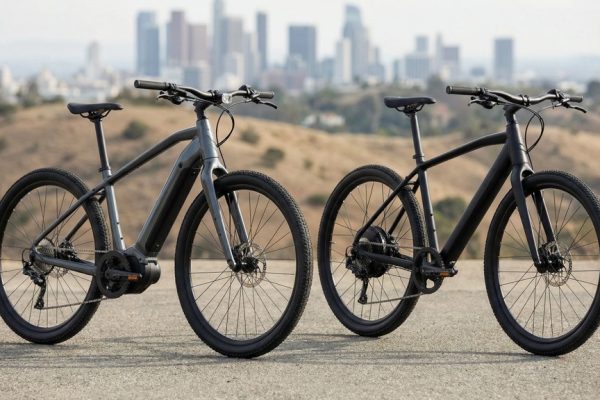
Located at the crank. Uses the bike’s gears.
Hub Motor
Located in the front or rear wheel hub.
| Feature | Mid-Drive | Hub Motor |
|---|---|---|
| Hill climbing | Excellent | Moderate |
| Efficiency | Higher on climbs | Drops on steep hills |
| Ride feel | Natural amplification | “Push” sensation |
| Weight balance | Centered | Rear-biased (usually) |
| Cost | Higher | Lower |
Real-World Observation:
Mid-drives feel more like strong legs.
Hub motors feel like external assistance.
For hilly areas → mid-drive is worth the premium.
For flat commuting → hub motors are cost-effective and sufficient.
Battery & Real-World Range
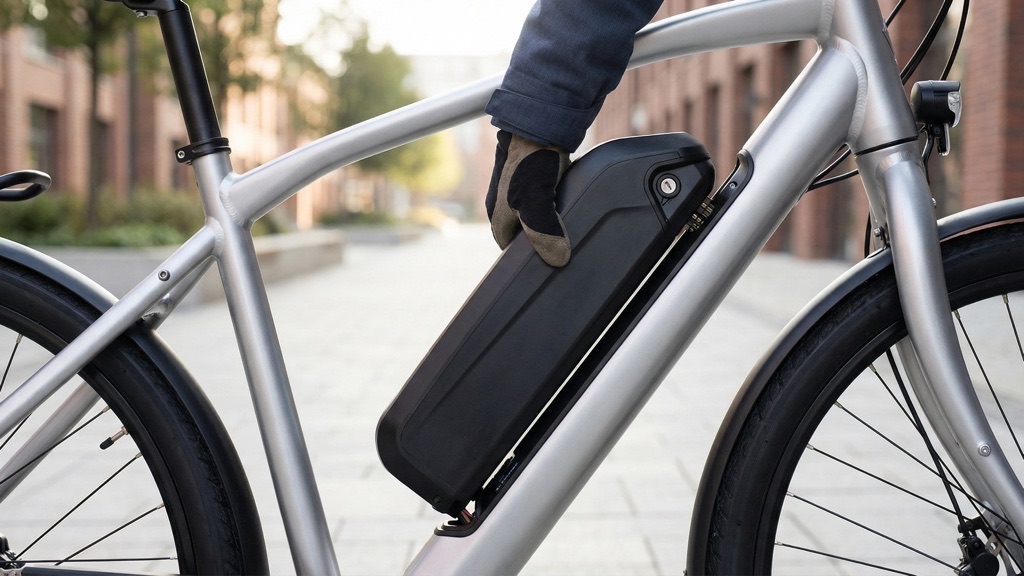
Battery capacity is measured in Watt-hours (Wh).
Think of Wh as your fuel tank size.
Common sizes (2026):
- 360 Wh → compact city bikes
- 500 Wh → sweet spot
- 625–750 Wh → long-range commuters
Real-World Range (500 Wh Example)
| Scenario | Realistic Range |
|---|---|
| Flat city, low assist | 60–90 km |
| Mixed terrain | 45–70 km |
| Hilly, high assist | 30–50 km |
What Reduces Range?
- Rider weight
- Wind
- Tire pressure
- Assist level
- Cold weather
Manufacturer claims are often 20–30% optimistic.
For most commuters riding 10–20 km daily, a 500 Wh battery is more than enough.
Weight & Handling
| Bike Type | Average Weight |
|---|---|
| Regular bike | 10–15 kg |
| E-bike | 20–28 kg |
This matters if:
- You carry it upstairs
- You lift it onto racks
- Storage space is tight
With assistance, weight is less noticeable.
With the power off, the difference is obvious.
True Cost Comparison (Including ROI)
Upfront Price (2026)
| Type | Price Range (USD) |
|---|---|
| Regular bike | $500–$1,200 |
| Entry e-bike | $1,200–$1,800 |
| Mid-range e-bike | $1,800–$2,800 |
| Premium | $3,000+ |
Ongoing Costs
Regular bike:
- ~$100–200/year maintenance
E-bike:
- ~$200–400/year maintenance
- Battery replacement after 4–6 years ($400–800)
Mini ROI Example
If you replace a 10 km car commute:
- Fuel savings (approx.)
- Parking savings
- Reduced wear on the car
- 100+ hours saved per year
For many riders, an e-bike pays for itself within 1–2 years when replacing frequent car trips.
Speed Classes (US & EU)
| Region | Type | Max Assist Speed |
|---|---|---|
| US | Class 1 | 20 mph (32 km/h) |
| US | Class 2 | 20 mph + throttle |
| US | Class 3 | 28 mph (45 km/h) |
| EU | Standard | 25 km/h |
Higher classes may face bike lane restrictions.
Always check local regulations. (Not legal advice.)
What Actually Matters (Hidden Factors)
1. Torque Sensor vs Cadence Sensor
Torque sensors deliver smooth, proportional power.
Cadence sensors feel on/off and less natural.
2. Hydraulic Disc Brakes
E-bikes are heavier and faster. Strong braking matters.
3. Removable Battery
Critical for apartment charging.
4. Weight Distribution
Mid-drive = better balance.
5. Watts Don’t Tell the Full Story
Torque (Nm) and gearing matter more for hills than watt numbers alone.
Simple Decision Framework
Choose a regular bike if:
- Your rides are short and flat
- You want maximum physical effort
- You value low cost and simplicity
Choose an e-bike if:
- You skip rides because of hills or wind
- You want to replace car trips
- You want a predictable commute time
- You value consistency over intensity
If assistance makes you ride more often, it’s worth it.
Final Expert Verdict
If cycling is your sport → choose a regular bike.
If cycling is your transportation → an e-bike removes friction.
After thousands of commuting kilometers, one pattern is consistent:
People rarely regret buying a well-chosen e-bike.
They often regret buying one too cheaply.
The real question is not:
“Is an e-bike worth it?”
It’s:
“Will assistance make me ride more consistently?”
If the answer is yes, it’s worth it.
FAQ
Is an e-bike cheating?
No. You still pedal. Assistance reduces effort but doesn’t eliminate physical activity.
Do e-bikes require more maintenance?
Yes, slightly. They add electrical components and eventual battery replacement.
Is an e-bike worth it for short commutes?
Under 5 km and flat — often unnecessary. Over 8–10 km — usually worth it.
How long do e-bike batteries last?
Typically 4–6 years or 500–1,000 charge cycles.
Can an e-bike replace a car?
For urban trips under 20 km, very often yes.